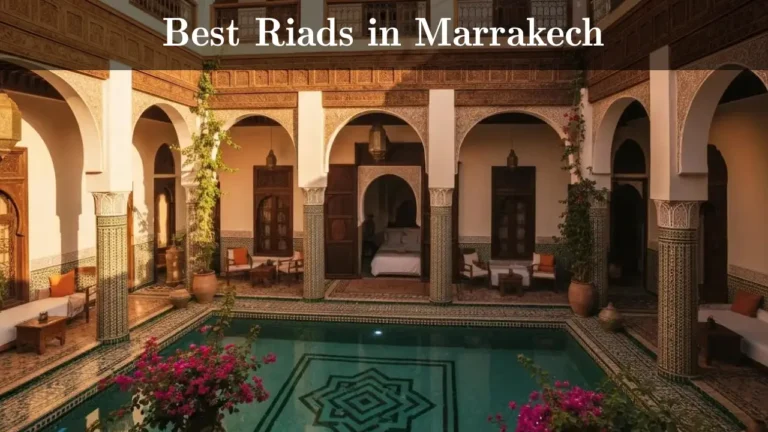

June changes how to travel in Morocco. The coast and mountains become much more appealing, while Marrakech, Fes and especially the Sahara require slower days and careful timing. For most travellers, Morocco in June is a good choice if the itinerary follows the weather rather than copying a spring route.
Expect serious heat inland, but pleasant Atlantic conditions, good hiking temperatures at altitude and a quieter feel than the main spring season. This guide explains where to go, which places to treat carefully and how to plan days around the hottest hours.
Table of Contents
Table of Contents
Is June a good time to visit Morocco?
Yes—visiting Morocco in June is a very good idea for the Atlantic coast, the north and the Atlas Mountains. It is less suitable for an intensive itinerary through Marrakech, Fes, the southern valleys and the Sahara, particularly for travellers who struggle with heat.
For a first trip built around Marrakech, Fes and a multi-day Sahara tour, Morocco in May is generally the easier choice. June becomes the stronger option when you focus on Tangier, Rabat, Chefchaouen, Agadir, Essaouira and mountain areas around Imlil.
The key is to adjust your rhythm:
- Sightsee outdoors early in the morning and again after late afternoon.
- Avoid trying to fill the middle of the day with walking tours, long drives and exposed sites.
- Choose accommodation with good air-conditioning in hot inland destinations.
- Build in long lunch, pool or hotel breaks between roughly 1 p.m. and 6 p.m.
- Do not treat a June itinerary like one designed for March, April or May.
June can also be quieter than the main spring travel period. It arrives before the heaviest July and August domestic summer-holiday crowds reach the Atlantic coast, so Agadir and Essaouira can feel more relaxed than they do later in summer. Accommodation value can be attractive in some places, although rates vary greatly by city, hotel and event dates.
Morocco weather in June: coast, cities, mountains and desert
Morocco June weather varies dramatically by region. A hot afternoon in Marrakech can feel like a different season from a breezy day in Essaouira or a hike in the High Atlas.
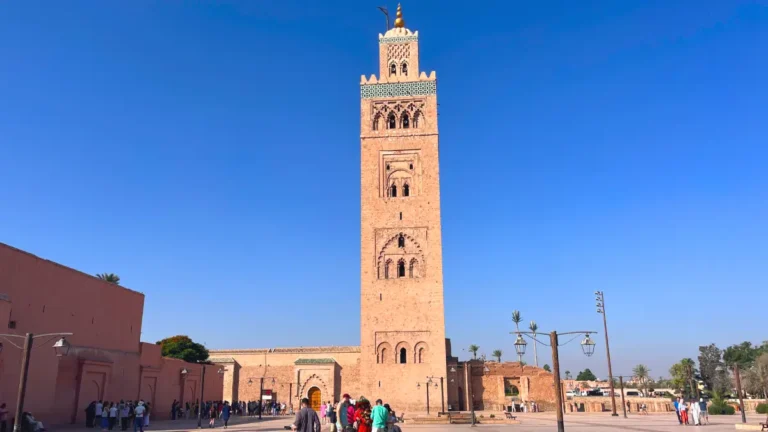
Marrakech in June: hot afternoons, pleasant evenings
Marrakech in June is hot, with realistic daytime temperatures around 30–38°C. During heatwaves, temperatures can rise above 40°C. Nights are normally much more comfortable, generally around 17–23°C, which makes dinner, rooftop terraces and evening walks more enjoyable.
The most difficult period for outdoor sightseeing is usually from around 1 p.m. to 6 p.m. This is not the time to walk long distances through the medina, visit open gardens without shade or spend hours exploring outdoor monuments.
A practical Marrakech day in June looks like this:
- Start major outdoor sights shortly after breakfast.
- Finish your main walk before early afternoon.
- Take a long lunch and rest at your riad or hotel during peak heat.
- Return to the medina, Jemaa el-Fna area or a restaurant terrace later in the day.
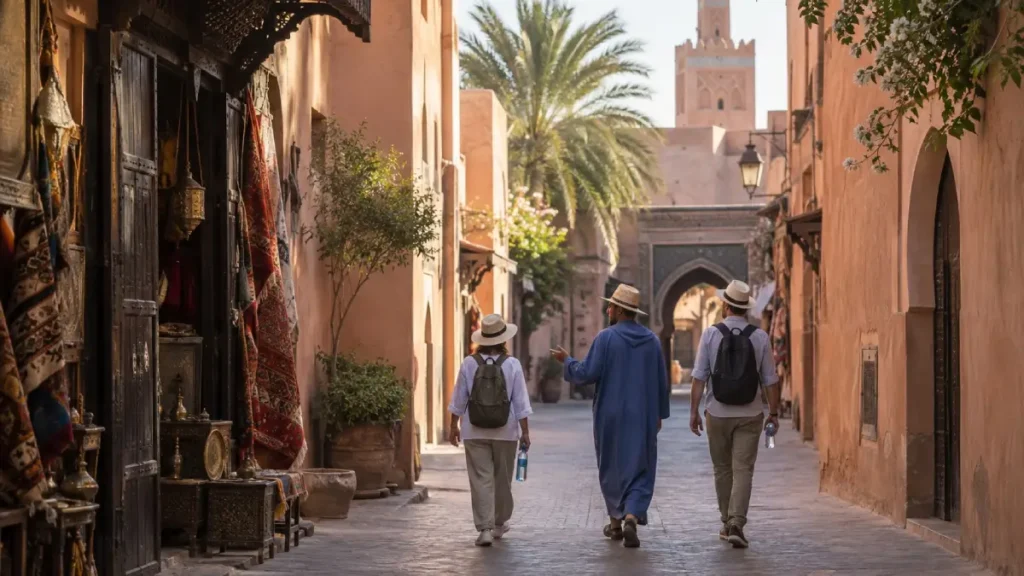
Marrakech still works in June, but it needs a heat-conscious plan. For more help choosing areas and organising your time, see this detailed Marrakech travel guide.
Fes and Meknes: choose your medina hours carefully
Fes typically reaches around 31–34°C in June. Its old medina can feel especially heavy in the afternoon: narrow lanes, stone buildings and enclosed passageways retain warmth, while the dense layout makes it difficult to move quickly back to your accommodation.
Plan guided medina walks, craft workshops and major viewpoints in the morning. In the middle of the day, choose a shaded restaurant, a museum visit if available during your stay, or a rest at your hotel rather than forcing another long walk.
Meknes can be a calmer alternative for travellers who want an imperial-city experience without spending every day in the busier Fes medina. It does not eliminate the June heat, but its pace may suit travellers who prefer a less intense urban base.
Tangier, Rabat and Chefchaouen: milder northern choices
Northern Morocco becomes increasingly attractive in June. Tangier and Rabat commonly have daytime conditions around 21–26°C, with coastal breezes that make walking much easier than in Marrakech or Fes.
These cities suit travellers who want cafés, historic streets, museums, waterfront walks and urban sightseeing without organising their whole day around extreme afternoon temperatures.
For sightseeing ideas, see my guide to what to do in Rabat.
Chefchaouen also benefits from its Rif Mountain position. Its summer climate is generally softer than southern inland destinations, although the town’s steep lanes still make midday climbing tiring. Visit the busiest blue-painted lanes early, then keep afternoons for a slow lunch, a rest or a scenic café.
Agadir: one of the best June beach bases
Agadir is one of the strongest choices for Morocco in June. Typical daytime temperatures are around 24–28°C, evenings are comfortable, and its long beach and promenade work particularly well for families and travellers who want a straightforward coastal break.
Atlantic water around Agadir may reach roughly 19–21°C in June. That makes swimming considerably more appealing than in winter and early spring, though sea temperature and conditions always vary.
Agadir is a practical choice if you want:
- Beach time without the most intense inland heat
- A family-friendly rhythm with room for rest days
- Evening walks along the promenade
- A base where daytime activity does not have to stop completely
For a full itinerary, see my guide to what to do in Agadir including Oufella, Souk El Had, the marina and nearby excursions.
If you are combining the coast with Marrakech, use my Agadir to Marrakech transport guide to compare the bus, private transfer and self-drive options.
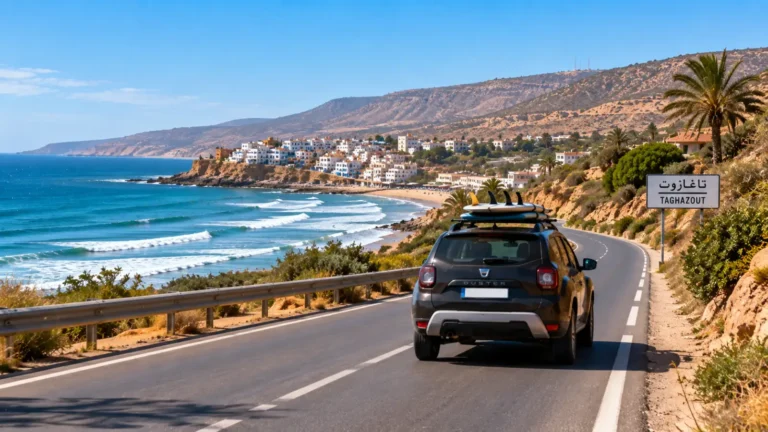
If you want to stay or surf farther north, see my Agadir to Taghazout transport guide.
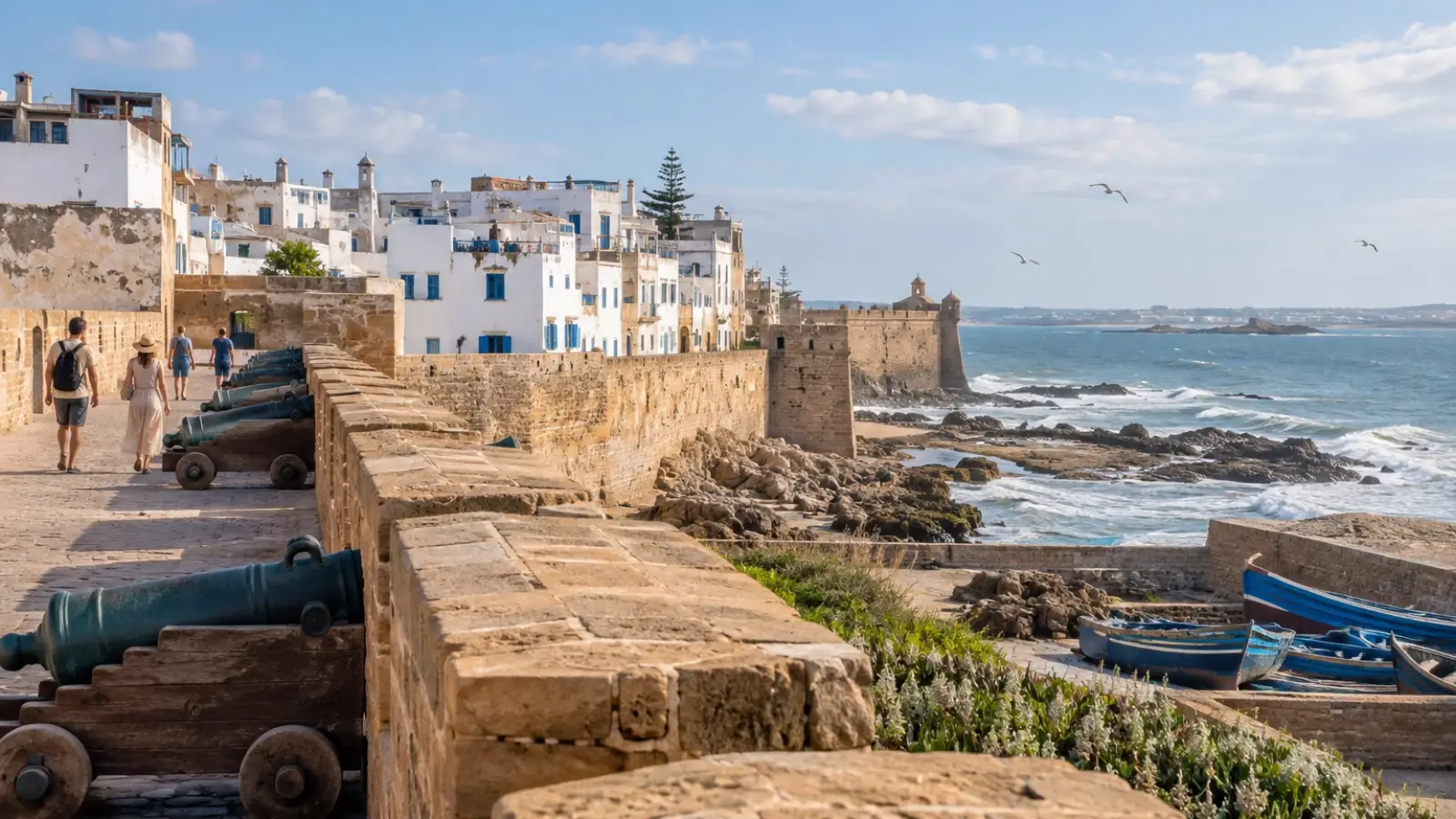
Essaouira: cooling wind, water sports and cool evenings
Essaouira typically stays around 20–27°C in June and is strongly shaped by the Atlantic Alizé wind. That wind is a major advantage when the interior is hot: it provides natural cooling and makes the town an excellent early-summer escape.
The trade-off is that the breeze can be strong. Evenings may feel surprisingly chilly after a warm day, so bring a light fleece, cardigan or windbreaker.
June is particularly good for surfing, kitesurfing and wingfoiling around Essaouira. It is a better choice than Marrakech for travellers who want active outdoor days without intense heat, although beach lounging can feel less predictable on very windy days.
The Atlas Mountains: Morocco’s best escape from the plains
The Atlas Mountains provide one of the best ways to escape June heat. Around Imlil and at higher elevations, daytime temperatures may range from roughly 18–30°C, depending on altitude.
June is one of the better trekking periods because many trails are clear and conditions at elevation are significantly cooler than on the plains. It is a strong month for travellers who want walking, village stays and mountain scenery rather than a fast circuit of Morocco’s hottest cities.
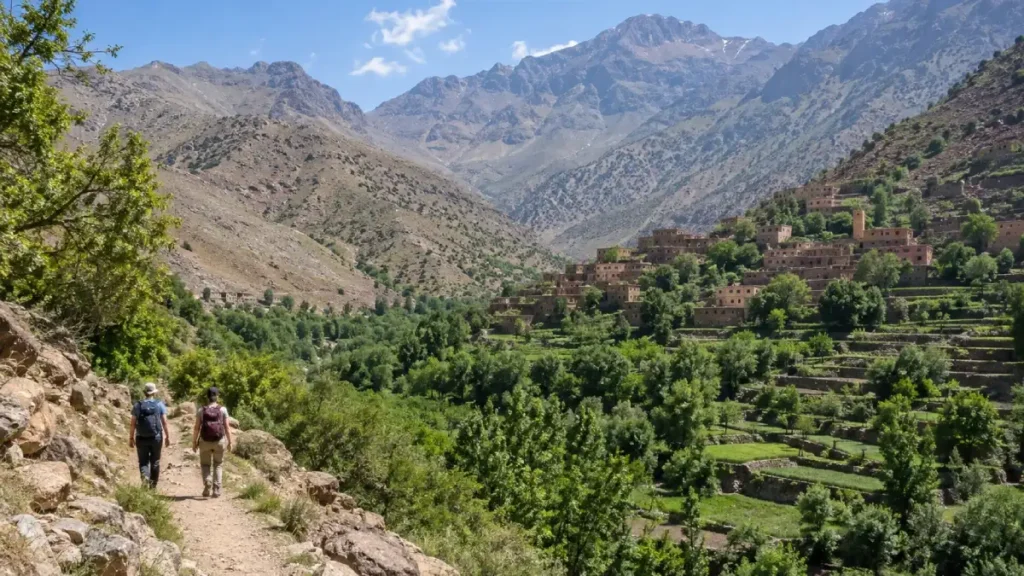
Do not pack only for warm weather, however. Temperatures drop after sunset at altitude, and hikers should carry a fleece or warm layer. Closed-toe walking shoes are also more useful than sandals on uneven paths.
For route ideas and practical preparation, read this guide to trekking in the Atlas Mountains.
Ouzoud Waterfalls: a cooler day trip from Marrakech
Ouzoud Waterfalls remain worthwhile in June, especially for travellers looking for a break from Marrakech heat. The waterfalls and cooling spray can make the area feel more comfortable than the city.
Water flow can begin changing as the dry summer progresses, so do not plan around a guaranteed flow level. Go early, carry water and avoid treating the day as an excuse to spend hours outdoors in the hottest afternoon period. This Marrakech to Ouzoud Falls day-trip guide can help with the practical planning.
Merzouga and the Sahara: think carefully before committing
The Sahara becomes extremely hot in June. Around Merzouga, daytime temperatures can exceed 45°C during hotter periods, particularly later in the month. This is not a comfortable setting for a classic, activity-heavy desert itinerary.
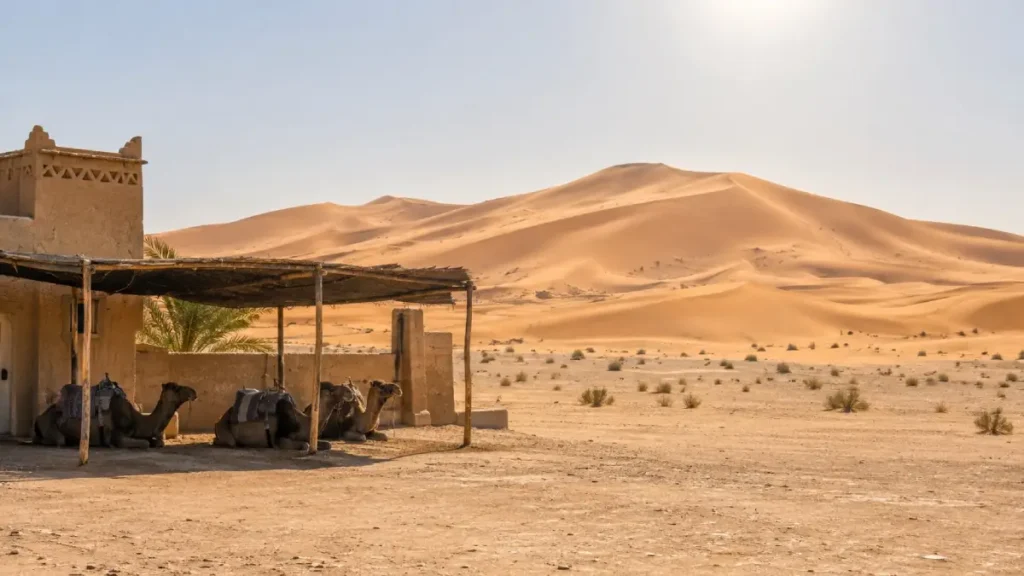
An intensive Sahara trip is not the best choice for most travellers in late June. The heat affects more than camel rides: transfers, roadside stops, desert walks and time inside tents can all become exhausting.
If a June desert visit is unavoidable, early June is preferable. Plan all exposed activities around sunrise or sunset, and prioritise a desert-edge hotel with reliable air-conditioning and a pool over spending the hottest hours in a tented camp.
Desert camp nights can remain warm, around 24–27°C, and tents can trap heat rather than cool down. Some camps reduce operations during the hottest summer period, so confirm current availability and facilities directly before booking.
For a desert trip at a more comfortable time of year, see the guide to Sahara desert tours from Marrakech.
Where to go in Morocco in June
A successful June route does not need to cover every famous destination. In fact, the most common planning mistake is trying to repeat a spring or autumn itinerary unchanged.
Best June itinerary for coast and cities
For a first-time visitor who wants varied scenery without constant heat pressure, focus on the north and Atlantic coast:
- Tangier
- Chefchaouen
- Rabat
- Essaouira
- Agadir
This route works well for travellers who enjoy city walks, beaches, food, culture and relaxed travel days. It also avoids turning every afternoon into a battle with the heat.
Best June itinerary for hiking and cooler landscapes
Travellers who enjoy active trips should combine Marrakech with the Atlas Mountains, while keeping Marrakech sightseeing concentrated into mornings and evenings.
A sensible structure is:
- A short Marrakech stay with a heat-adjusted schedule
- Several days around Imlil or another mountain base
- Optional Ouzoud Waterfalls excursion
- A finish on the Atlantic coast in Essaouira or Agadir
This balances urban culture with cooler terrain and gives the trip a more comfortable pace.
Southern Morocco in June: reduce stops and driving time
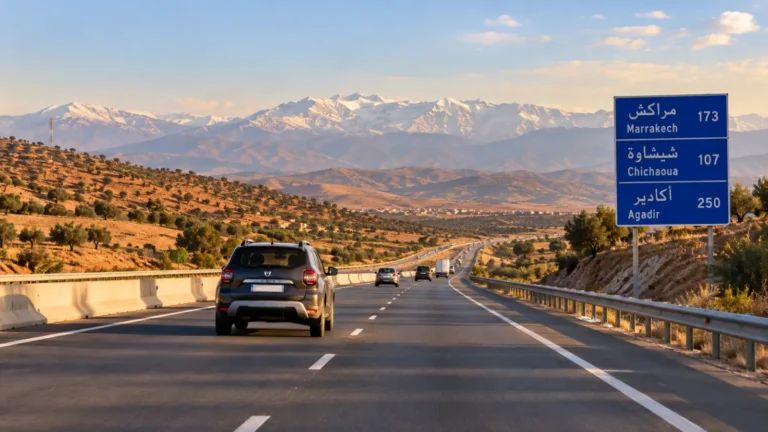
Routes through Dades, Skoura and the Draa Valley become increasingly hot and dry by mid-June. These landscapes remain interesting, but long drives combined with repeated outdoor stops can be tiring.
If southern Morocco is part of your trip:
- Carry more water than you think you will need.
- Keep sightseeing stops brief during midday.
- Avoid itineraries with several hours of exposed walking.
- Minimize unnecessary midday driving.
- Choose a rental car with reliable air-conditioning.
- Plan rest stops rather than treating the route as a nonstop scenic drive.
Never leave people, medicines, electronics or other temperature-sensitive items in a parked car for extended periods during extreme heat.
June festivals: check dates before booking travel
June can bring important cultural events, which may be a reason to choose a particular city—or a reason to reserve accommodation earlier than usual.
Events that often fall in or around June include:
- Fes Festival of World Sacred Music
- Mawazine in Rabat
- Gnaoua World Music Festival in Essaouira
- Sefrou Cherry Festival
Festival dates, programmes and locations can change from year to year. If an event is central to your trip, confirm the current dates on the organiser’s official website before booking non-refundable travel or accommodation.
What to pack for Morocco in June
Packing for June is mainly about managing sun and heat while still preparing for wind and cooler mountain evenings.
Bring:
- Loose, breathable cotton or linen clothing
- Strong sunscreen
- Sunglasses
- A wide-brimmed hat
- A reusable water bottle
- A light scarf for sun, dust and modesty
- Comfortable closed-toe shoes for medinas and hikes
- A fleece or wind-resistant layer for Essaouira and the Atlas Mountains
- Swimwear for coastal stays and hotels with pools
Heavy denim is usually less comfortable than lightweight trousers, skirts, dresses or loose shirts during hot inland days.
A light layer is easy to overlook. Marrakech may still feel warm at night, but Essaouira’s wind and mountain evenings can feel much cooler than inland daytime temperatures suggest. For a more complete list, use this Morocco packing guide.
How to structure your days during June heat
In June, timing matters as much as destination choice. A slower daily schedule is not wasted travel time; it is the difference between enjoying Morocco and becoming exhausted after two days.
Start outdoor sightseeing early
Use the morning for medinas, gardens, historic sites, hikes and market walks. You will find the light softer, streets calmer and temperatures more manageable.
For Marrakech and Fes, plan your most demanding walking before lunch. If you have a guided visit, request an early start where possible.
Protect the middle of the day
From about 1 p.m. until 6 p.m., reduce outdoor activity in hot inland areas. This is a good window for:
- A long shaded lunch
- Returning to an air-conditioned hotel or riad
- Pool time
- A nap or a slower café break
- Short indoor activities where available
Avoid the temptation to fill this period with a long transfer followed by sightseeing. A packed midday schedule is one of the quickest ways to make a June trip feel difficult.
Return outside in the evening
After the strongest heat fades, cities come back to life. Evening is the right time for dinner, a gentle stroll, shopping and people-watching. It is also the better time for open squares and more exposed areas that would feel punishing earlier in the day.
Who should choose Morocco in June—and who should reconsider?
June is especially suitable for travellers interested in:
- Atlantic beaches and coastal towns
- Surfing, kitesurfing and wingfoiling
- Atlas Mountain hiking
- Cultural festivals
- A quieter period before peak summer coastal crowds
It is less suitable for:
- Heat-sensitive travellers seeking a fast-paced countrywide route
- Families with very young children planning intensive southern travel
- Visitors hoping for long midday sightseeing days in Marrakech or Fes
- Anyone wanting a major Sahara trekking experience
If your priorities are Marrakech, Fes and the Sahara, consider whether a May trip would better match your plans. If you are happy to follow the coast, head north or spend time at altitude, Morocco in June can be an excellent early-summer trip.
For a broader month-by-month comparison, see the best time to visit Morocco.
FAQ
Is Morocco too hot in June?
Not everywhere. Marrakech, Fes and the Sahara can be very hot, especially in the afternoon, but Tangier, Rabat, Essaouira, Agadir and the Atlas Mountains are much more comfortable choices.
How hot is Marrakech in June?
Marrakech daytime temperatures are typically around 30–38°C in June, with heatwaves sometimes pushing above 40°C. Nights are usually more comfortable, around 17–23°C.
Is June a good month for the Sahara Desert?
For most travellers, late June is not ideal for an intensive Sahara itinerary because temperatures can exceed 45°C around Merzouga. If a desert visit is unavoidable, early June is preferable and activities should be limited to sunrise and sunset.
Can you swim in Morocco in June?
Yes, particularly around Agadir, where Atlantic water may reach roughly 19–21°C in June. Conditions vary, but June is generally more suitable for swimming than winter and early spring.
What should I wear in Morocco in June?
Choose loose, breathable clothing, sun protection and comfortable closed-toe walking shoes. Add a light scarf, plus a fleece or windbreaker for Essaouira and mountain evenings.