
The Ultimate 14 Days in Morocco: Two-Week Itinerary for First Timers (2026)
Welcome to Morocco! I’m Youness, a licensed local guide based in Marrakech. For over 20 years, since my university days, I’ve been leading tours across this incredible country, crossing the Sahara more times than I can count, and sleeping everywhere from basic nomad tents to absolute luxury camps.
If you are planning the ultimate 14 Days in Morocco: Two-Week Itinerary for First Timers (2026), you have landed in exactly the right place. A two-week trip is the sweet spot. It gives you enough time to sip mint tea in ancient medinas, hike the Atlas Mountains, and watch the sunrise over the Sahara without feeling like you are constantly packing and unpacking. In this guide, I’ll share the exact route I recommend to my guests at Morkosh Tours, stripping away the clichés and giving you the honest, practical, on-the-ground reality of traveling here.
This Morocco itinerary 14 days route is designed for first-time visitors who want to experience imperial cities, Chefchaouen, the Sahara Desert, Marrakech, the Atlas region and the Atlantic coast without turning every day into a race.
Table of Contents
Table of Contents
The “Quick-Start” Overview
The 2026 Vibe: A Transformation, Not Just a Holiday
Travel in Morocco is evolving. This year, it’s less about just snapping a photo in front of a colorful door and more about deep, transformative experiences. We are seeing travelers wanting to sit with artisans, understand the slow cooking process of a real tajine, and disconnect entirely in the desert.
Your Itinerary at a Glance
| Day | Destination | Main Highlight | Approx. Drive Time |
|---|---|---|---|
| 1 | Casablanca & Rabat | Hassan II Mosque, Kasbah of the Udayas | 1.5 hrs |
| 2 | Chefchaouen | Exploring the Blue Pearl | 4 hrs |
| 3 | Chefchaouen & Akchour | God’s Bridge Hike | 45 mins |
| 4 | Fes | Arriving in the spiritual capital | 3.5 hrs |
| 5 | Fes el-Bali | 9,000 alleys & Al-Qarawiyyin | None |
| 6 | Middle Atlas to Sahara | Cedar forests & Barbary macaques | 7-8 hrs |
| 7 | Merzouga (Erg Chebbi) | Sunset camel trek & luxury camp | Local driving |
| 8 | Dades Valley | Todra Gorge & Thousand Kasbahs | 4 hrs |
| 9 | Ouarzazate to Marrakech | Ait Ben Haddou & High Atlas Pass | 5-6 hrs |
| 10 | Marrakech | Hidden gardens & Ben Youssef | None |
| 11 | Marrakech | Vintage sidecar tours & medina | None |
| 12 | Imlil Valley (Atlas) | Sustainable hiking | 1.5 hrs (one way) |
| 13 | Essaouira | Port-side seafood & medina winds | 3 hrs |
| 14 | Marrakech / Casablanca | Departure | 3 hrs (to Casa) |
The “Local’s Logic”
Why this route? Over the years, I’ve found that a counter-clockwise loop starting in Casablanca (the easiest international entry point) and ending in Marrakech is the most efficient. It builds up beautifully: you start with the relaxed coastal vibe of Rabat, dive into the intense history of Fes, experience the vast silence of the Sahara, and end with the vibrant chaos of Marrakech before winding down in Essaouira.
Essential Planning for 2026
When to Visit: The Best time to visit Morocco 2026 seasonal guide
Timing is everything. For a 14-day trip that covers both mountains and desert, you need to follow my Best time to visit Morocco 2026 seasonal guide:
- Spring (March to May): This is absolute peak season, and for good reason. The valleys are green, the wildflowers are blooming, and the Sahara is comfortable during the day and pleasantly cool at night.
- Autumn (September to November): My personal favorite. You get beautiful golden light, harvest festivals (like the date harvest in the south), and perfect trekking weather in the Atlas Mountains.
- Local Tip: Try to avoid July and August for this specific itinerary. The Sahara can easily hit 45°C (113°F), which makes daytime travel exhausting.
Logistics & Connectivity
For transport, you have options. The Al Boraq high-speed train is fantastic for connecting Casablanca, Rabat, and Tangier. If you are moving between smaller towns, don’t rely entirely on standard buses; shared grand taxis are often much faster and give you a genuine local experience.
However, if you want the ultimate freedom without the stress of navigating mountain passes or chaotic city traffic, hiring a private driver is a high-value upgrade. At Morkosh Tours, having a local driver means you can stop whenever you see a beautiful viewpoint or a roadside pottery stand.
Entry Requirements
For 2026, most travelers from the US, UK, EU, and Australia can enter Morocco visa-free for up to 90 days. but always double-check the official Moroccan consular portal before your trip. Always ensure your passport is valid for at least six months from your date of entry. Safety-wise, Morocco remains incredibly stable and welcoming to tourists.
Morocco Itinerary 14 Days: Route Overview
If you are looking to build a Hidden gems Morocco itinerary 2 week route, this flow balances the famous bucket-list stops with the quiet, authentic corners most tourists miss.
Phase 1: The Imperial North (Days 1–5)
Days 1: Casablanca & Rabat
Most international flights land in Casablanca. Don’t linger too long, but you absolutely must see the Hassan II Mosque—it’s one of the few mosques in Morocco non-Muslims can enter, and the oceanfront architecture is staggering. From there, take the short drive or train to Rabat to wander the peaceful, blue-and-white Kasbah of the Udayas.
If you are spending the night in the capital, see my complete guide to things to do in Rabat, Morocco before deciding how much to fit into the day.
If your 14-day Morocco trip begins in Casablanca, use my 2-Day Casablanca Travel Guide to decide how much time to spend there before continuing into the rest of the country. It covers the main sights, practical transport, and what is realistic to fit in without taking too much time away from your longer Morocco route.
Days 2 & 3: Chefchaouen & Akchour
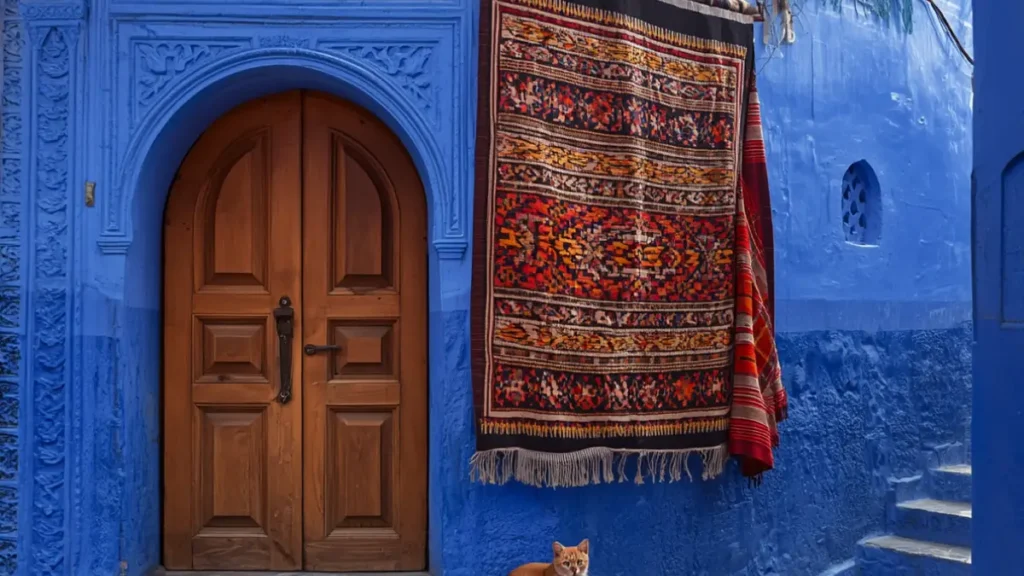
Head north to the Rif Mountains. Before you get lost in the famous blue alleys of Chefchaouen, check out my Chefchaouen travel guide for the best spots to grab a mint tea overlooking the valley. On Day 3, escape the medina crowds by taking a short drive to Akchour. The hike to God’s Bridge is a stunning, lush escape and a true hidden gem.
Days 4 & 5: Fes el-Bali
Fes is the cultural heartbeat of Morocco. The medina here has over 9,000 alleyways, and I’ll be honest: you will get lost. That’s part of the fun! However, hiring a local guide for your first morning is crucial. They will help you navigate to the Al-Qarawiyyin university (the oldest in the world) and the famous tanneries. For accommodation, staying in a traditional courtyard house is a must; check out my recommendations for the best riads in Fes.
If you want to slow this Morocco itinerary 14 days route down, spend an extra night in Fes or Marrakech and remove one of the longer transfers.
Phase 2: The Sahara & High Atlas (Days 6–9)
Day 6: The Road South
Today is a long driving day (about 7-8 hours), but the scenery changes drastically. You’ll cross the Middle Atlas, stopping in the cedar forests near Azrou to see the wild Barbary macaques, before watching the landscape turn into arid, dramatic desert canyons.
Day 7: Merzouga (Erg Chebbi)
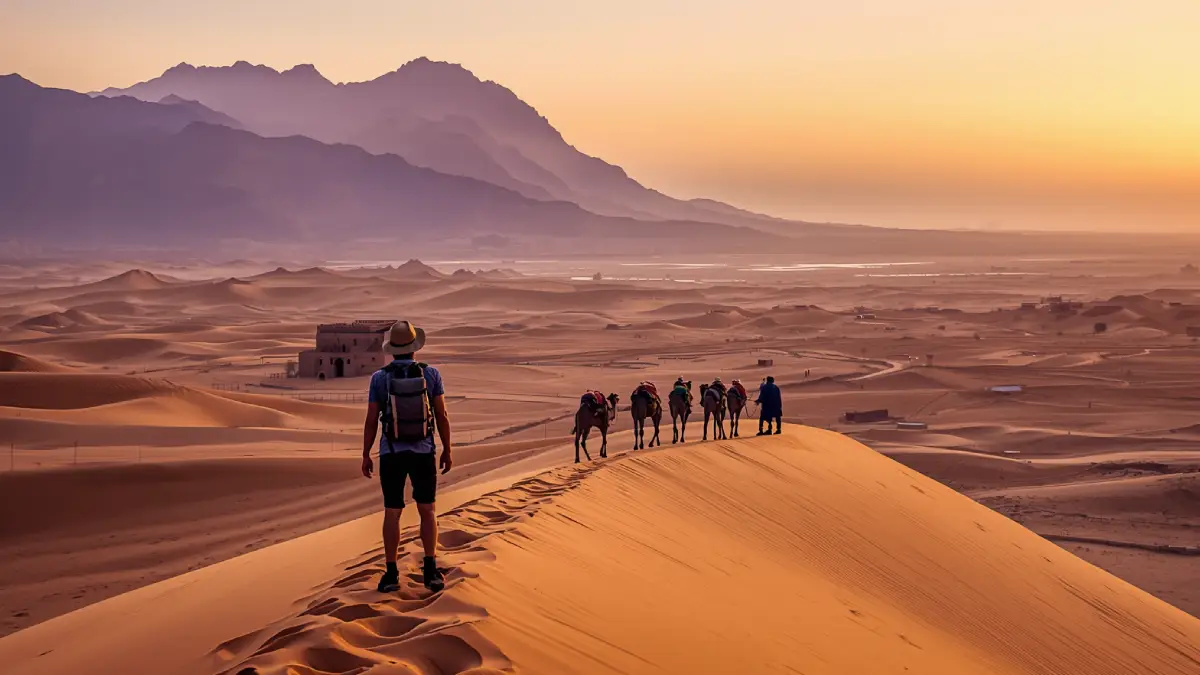
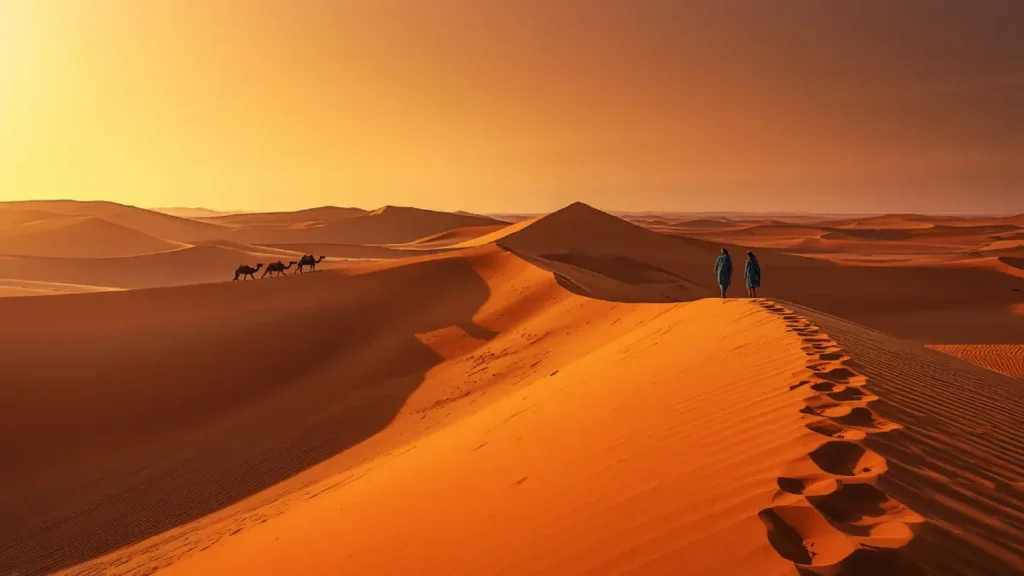
This is what you came for. The dunes of Erg Chebbi rise out of the flat desert like mountains of gold. For this 14 Days in Morocco: Two-Week Itinerary for First Timers (2026), you must do a sunset camel trek. Read my Merzouga desert guide for tips on choosing between standard tents and luxury camps under the stars.
Days 8 & 9: The Road of a Thousand Kasbahs to Marrakech
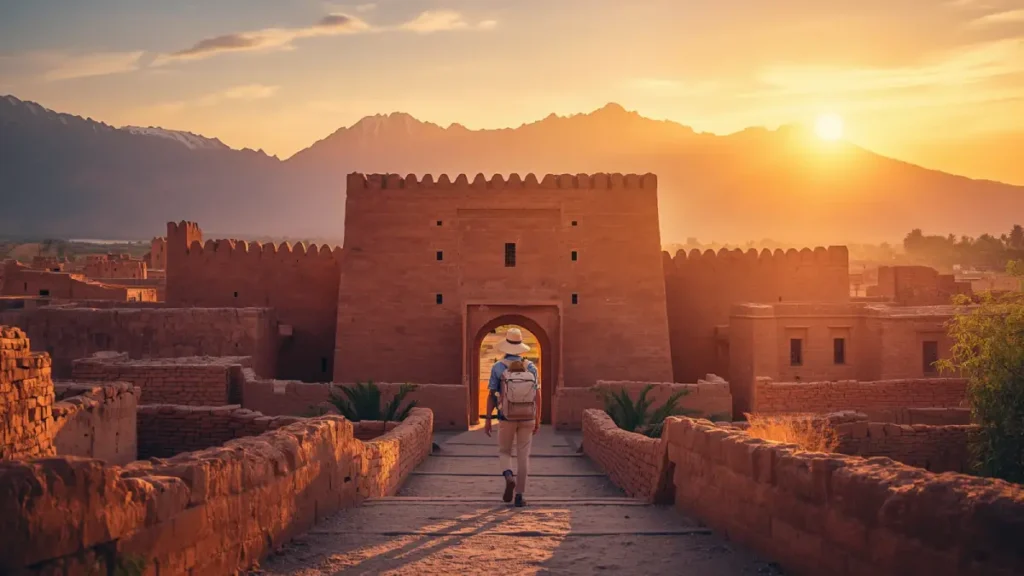
Leaving the desert, you’ll travel through the spectacular Todra Gorge and the Dades Valley. You’ll spend the night near Ouarzazate before exploring Ait Ben Haddou, a stunning UNESCO World Heritage mud-brick village. Finally, you’ll tackle the winding Tizi n’Tichka pass over the High Atlas Mountains to reach Marrakech.
Give the ksar at least two or three hours rather than treating it as a roadside photograph. My guide to Aït Ben Haddou explains entrance fees, restoration updates, the best walking route, and where to stay for sunrise or sunset.
Before choosing your overnight stop, compare the city’s attractions, hotels, restaurants, and nearby excursions in my Ouarzazate travel guide.
Phase 3: The Red City & Atlantic Coast (Days 10–14)
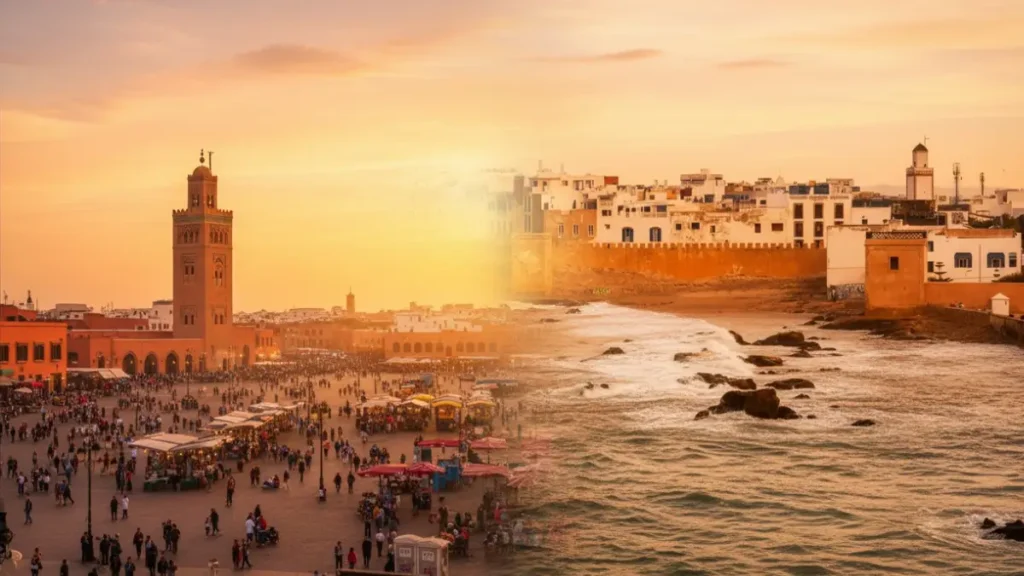
Days 10 & 11: Marrakech Deep-Dive
Marrakech is an assault on the senses in the best way possible. Beyond the chaotic energy of Jemaa el-Fna, seek out the secret gardens (like Le Jardin Secret) and the breathtaking tilework of the Ben Youssef Medersa. If you want a unique view of the city, book a vintage sidecar tour.
- Local Warning: Be careful dining in the main square. Many tourist-facing stalls charge 4x the price for mediocre food. I strongly suggest hitting up local “hole-in-the-wall” spots instead. I keep an updated list in my best restaurants in Marrakech 2026 guide.
- For an unforgettable day outside the city walls, you can head into the Middle Atlas. See the best ways to arrange a Marrakech to Ouzoud Falls day trip depending on your budget.
Day 12: Imlil Valley
Take a break from the city heat with a day trip to the Imlil Valley at the base of Mount Toubkal. It’s perfect for sustainable hiking and sharing a traditional Berber lunch with a local family.
Days 13 & 14: Essaouira Finale & Departure
End your trip on the coast. Essaouira is famously laid-back, windy, and artistic. Eat fresh, port-side seafood grilled right in front of you, visit the argan oil cooperatives, and let the ocean breeze wash off the desert dust before your flight home.
The “Value Hierarchy”
Understanding your Morocco travel budget: Luxury vs Budget 2026
Morocco caters to everyone from backpackers to royalty. Here is a realistic breakdown of what to expect daily, per person (excluding international flights):
| Travel Style | Daily Cost (approx) | What It Includes |
|---|---|---|
| Budget | €50 – €60 | Hostels/budget riads, street food, public buses, shared grand taxis. |
| Mid-Range | €160 – €200 | Beautiful boutique riads, private transfers/trains, guided medina tours, good restaurants. |
| Luxury | €500+ | 5-star palace hotels, private 4×4 driver, exclusive desert camps, fine dining. |
Where to Splurge
Knowing where to spend your money makes all the difference.
- A Guide in Fes: This is a must-spend. Fes is overwhelming, and a good guide turns a frustrating maze into a living museum.
- The Hammam Experience: Differentiate between a local neighborhood hammam (around €3, strictly DIY scrubbing, very raw and authentic) and a luxury spa hammam (€50+, private, eucalyptus steam, relaxing massage). Treat yourself to the luxury one at the end of your trip.
- Desert Camps: A luxury camp is great for a hot shower, but remember: there are diminishing returns. The stars and the sunrise look exactly the same whether your tent cost €50 or €500.
Cultural Immersion & Responsible Travel
Mastering Moroccan cultural etiquette for first-time visitors
Morocco is a welcoming, hospitable nation, but it is deeply traditional. Understanding Moroccan cultural etiquette for first-time visitors will open doors for you.
- The Unspoken Rules: Save Public Displays of Affection (PDA) for your hotel room. When it comes to dress codes, both men and women should aim for modest clothing—loose pants and covered shoulders are best, especially in rural areas and medinas.
- Photo Etiquette: Never take a photo of a local, especially a vendor or rural worker, without asking first. Simply point to your camera and ask “Ya tsouira?” (A photo?).
Language Guide
French and Arabic are standard, but dropping a few Berber (Amazigh) or Moroccan Arabic (Darija) words will earn you instant respect. Try using Salam Alaikum (Peace be upon you / Hello) and Tenmirdt (Thank you in Berber) when you are in the Atlas or the Sahara.
Sustainable Impact
When booking treks in the Atlas or the desert, ensure your money supports the local economy. At Morkosh Tours, we guarantee our muleteers, camel handlers, and guides are paid living wages and that animal welfare standards are strictly upheld.
Frequently Asked Questions for Your 14-Day Morocco Itinerary
Is 14 days in Morocco too long or just right?
Fourteen days is the absolute “sweet spot.” It is enough time to travel from the northern imperial cities down to the deep Sahara and back to the coast without experiencing travel burnout. You get a perfect rhythm of busy city days and relaxing nature stops.
How much cash do I need daily?
While hotels and high-end restaurants take cards, Morocco is still a very cash-heavy society, especially in the medinas and rural areas. Plan to carry around 500-800 MAD (€50-€80) per day in cash for tips, small cafes, grand taxis, and souk shopping.
What should I pack for a 2-week Morocco trip?
Layers are your best friend. Bring breathable, modest clothing for city days, a warm jacket or fleece for cold Sahara nights and Atlas mountain passes, and comfortable, closed-toe walking shoes for the uneven medina streets.
Is Morocco safe for solo female travelers?
Yes, Morocco is widely considered one of the safest Muslim countries for female travelers. However, navigating the medinas can invite unwanted attention. Dressing modestly, walking with purpose, and occasionally hiring a professional guide for medina tours can make the experience entirely stress-free.
Can you see the Sahara Desert in a 14-day itinerary?
Absolutely. In fact, a two-week trip is the best way to see it because you have the time to drive the 8+ hours needed to reach the deep dunes of Erg Chebbi or Erg Chigaga for a real, immersive experience, rather than rushing a subpar overnight stop.
Should I drive myself or hire a guide for 14 days?
While self-driving is possible and the toll roads are good, navigating the winding mountain passes, aggressive city traffic, and police checkpoints can be stressful. Hiring a private local driver allows you to actually look out the window and enjoy the staggering landscapes.
Final Thoughts
If you read this and feel that even 14 days won’t be enough for how you like to travel, I’ve also designed a full 21 Days in Morocco: 3-Week Morocco Itinerary (Golden Loop + Coast). It takes the same core structure and expands it into a true deep‑dive with more time in the north and on the coast.
This Morocco itinerary 14 days plan works best for first-time visitors who want to see several regions without skipping the Sahara.
Ready to start planning your adventure? Check out the main Morocco Travel Guide for more deep dives, or contact me directly at Morkosh Tours to arrange your perfect private itinerary!
