
Why Fes is the Heart of Morocco: An Introduction
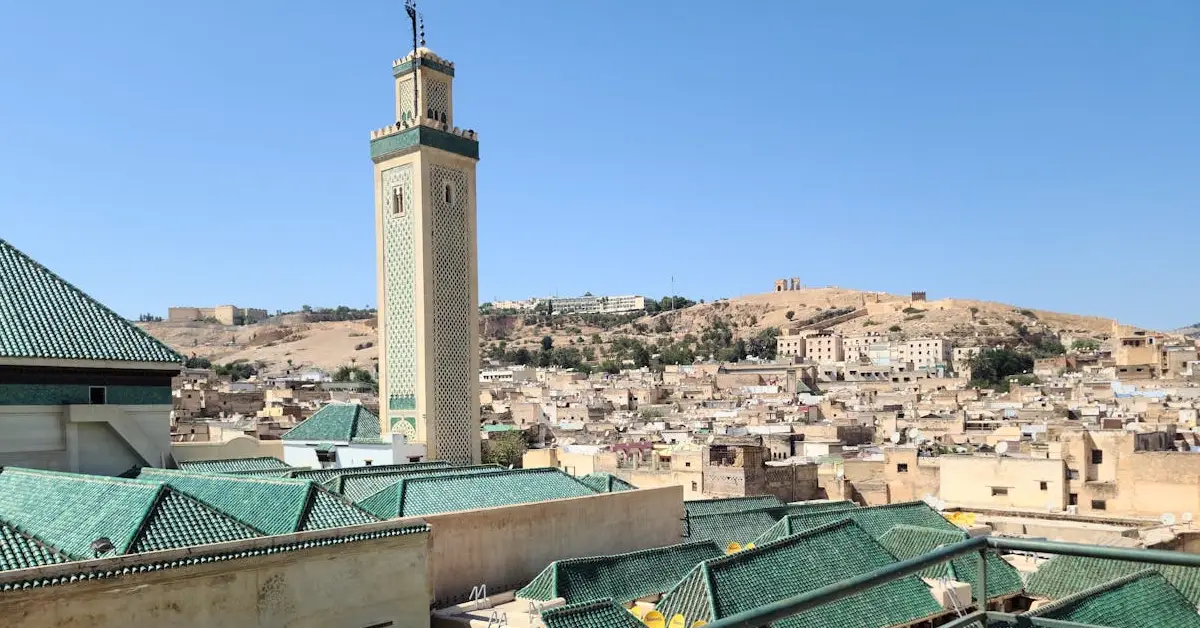
Marrakech’s polished tourist attractions and well-kept streets are beautiful, but Fes gives you a raw, unfiltered look at what Morocco is really like. Every step you take makes your senses come alive in this place. Picture yourself walking through old, winding alleyways, hearing the call to prayer echoing from every direction, and breathing in the intoxicating smell of cedarwood mixed with the smell of tagines cooking in nearby kitchens. Fes is a city that never goes out of style and is full of history, culture, and flavors.
Fes isn’t just a place to see; it’s an experience. It is Morocco’s cultural and intellectual capital. Al-Qarawiyyin, founded in 859, is widely recognized as one of the world’s oldest universities and as the oldest existing continuously operating institution of higher learning. Fes has something special for everyone, whether you love history, food, or just exploring places that aren’t on the beaten path.
Planning Your Trip: Getting There and Timing
When to Go
The best months to visit Fes are April to May and September to November. The weather is nice during these times, which makes it a great time to walk through the city’s winding streets. The summer heat can be very strong, and the winters can be very cold. If you plan your trip during the shoulder seasons, you’ll have a more comfortable time.
How Long to Stay
If you don’t have a lot of time, you can see the main sights of the Fes Medina and enjoy the lively atmosphere in just two or three days. But if you want to learn more about the culture, you might want to stay longer and take day trips to nearby places like Volubilis or the Middle Atlas.
How to Get There
There are many ways to get to Fes easily:
Trains: It takes ONCF trains from Marrakech about 6.5 to 7.5 hours.
Buses: CTM buses are another easy way to get to Fes.
Air Travel: Fes-Saïss Airport (FEZ) serves domestic and international flights. Routes and frequencies change throughout the year, so check the current schedule with the airport or your airline before booking.
Getting Through the Maze: Solo vs. Guided Tours
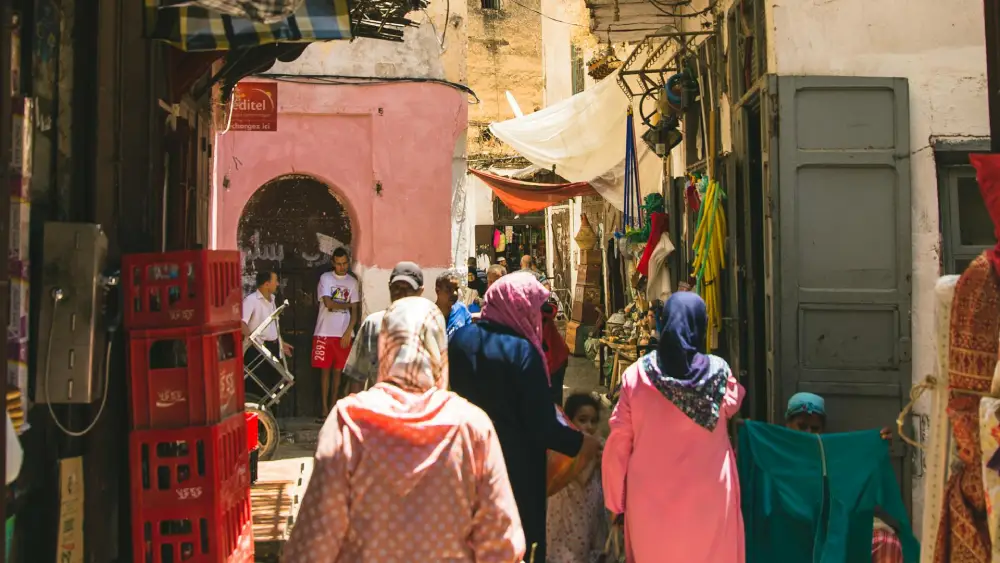
The Challenge
Fes el-Bali is a dense maze of narrow streets, alleys and residential lanes, many of which are inaccessible to cars, making the medina challenging to navigate for first-time visitors.
The Plan
If you want to learn a lot about history, it’s best to hire a licensed official guide. These guides can help you learn about the history and culture of each place you visit, which will make your trip much more interesting. Or, for those who want to try something new, offline maps like Maps.me can help with exploring on your own.
Local navigation tip
When exploring Fes el-Bali, look at the shape of the street-name signs. As a useful local rule of thumb, hexagonal signs often indicate a derb or dead-end alley, while square or rectangular signs generally indicate streets that continue through.
The system is helpful but not perfect, and you won’t find these signs on every alley, so use them as a navigation clue rather than relying on them completely.
5 Must-See Landmarks in Fes
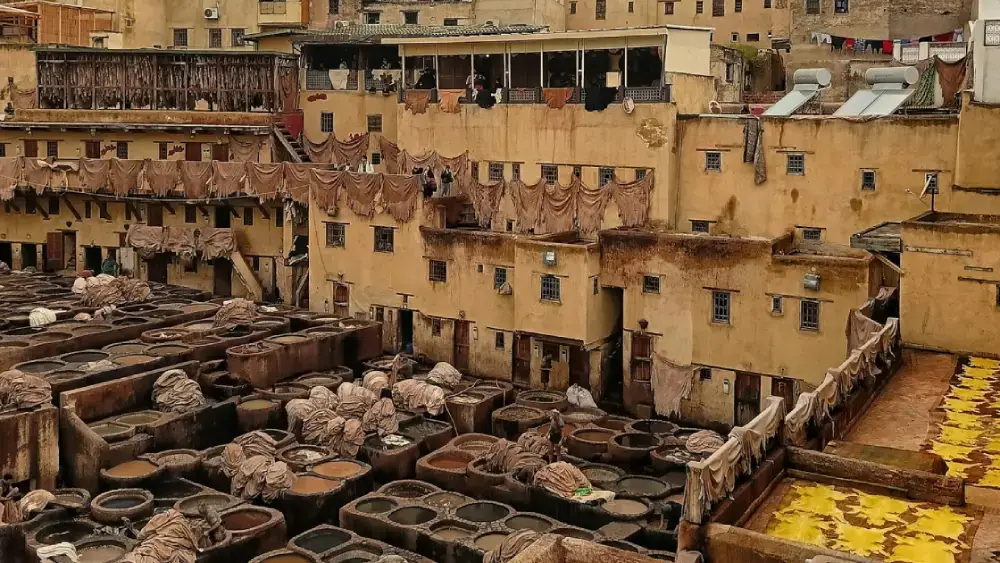
Chouara Tannery
Chouara Tannery is the oldest and most famous traditional tannery in Fes. From the surrounding terraces, you can see the large stone basins where hides are soaked, treated and dyed using techniques rooted in the city’s long leatherworking tradition.
The colorful vats and dense medina setting make it one of the most distinctive sights in Fes, especially when viewed from one of the terraces overlooking the tannery.
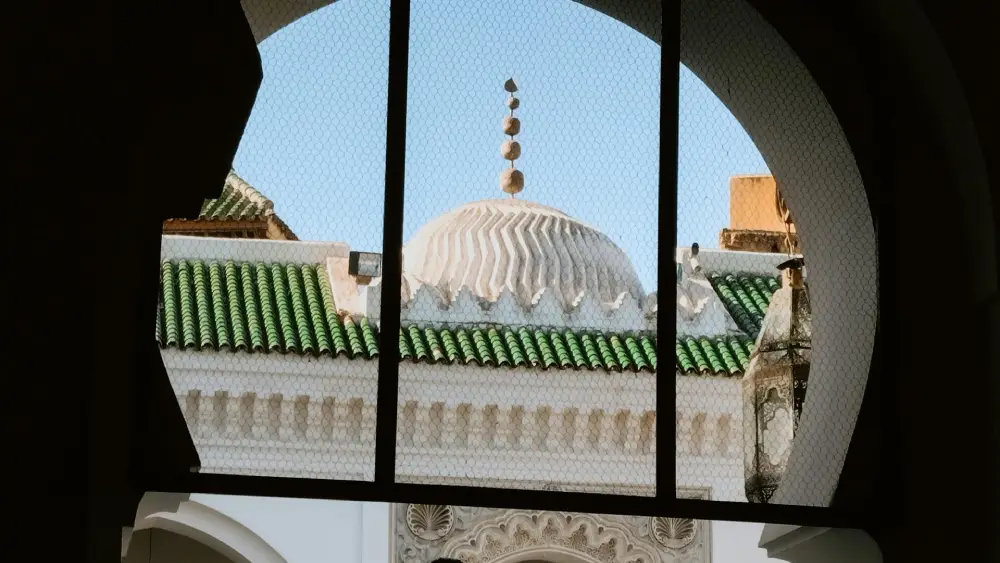
Al-Qarawiyyin University
Founded in 859, Al-Qarawiyyin is widely recognized as one of the world’s oldest universities and as the oldest existing continuously operating institution of higher learning.
The Al-Qarawiyyin complex is still an active religious and educational institution. Non-Muslim visitors should expect to admire the mosque from its entrances rather than enter it, while access to the historic library can be restricted or change, so check locally before planning your visit around library entry.
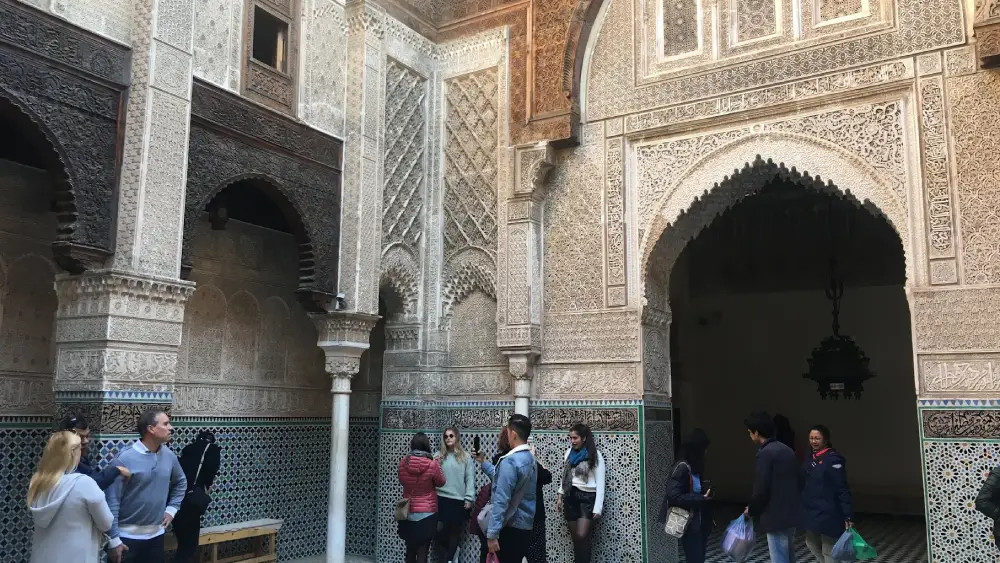
The Madrasas
Fes is home to several stunning madrasas (Islamic schools), but two stand out: Bou Inania and Al-Attarine. Both feature exquisite zellij tilework and intricate cedar carvings that showcase the city’s rich cultural heritage.
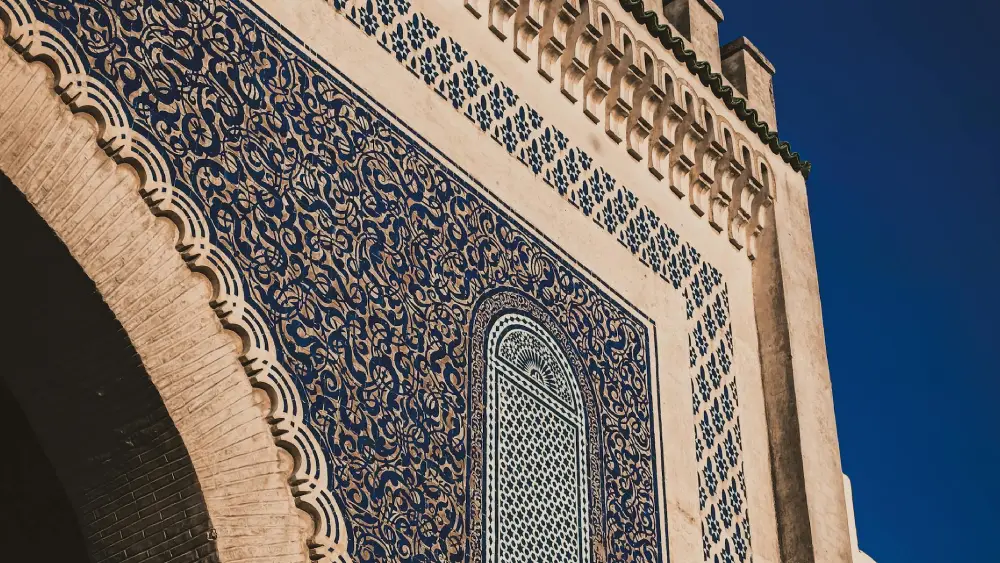
Bab Boujloud (Blue Gate)
This iconic entrance to the medina changes colors depending on your viewpoint—blue on the outside and green on the inside. Bab Boujloud is the perfect starting point for your exploration of the Fes Medina, marking a transition from the hustle of the outside world to the calm and history inside.
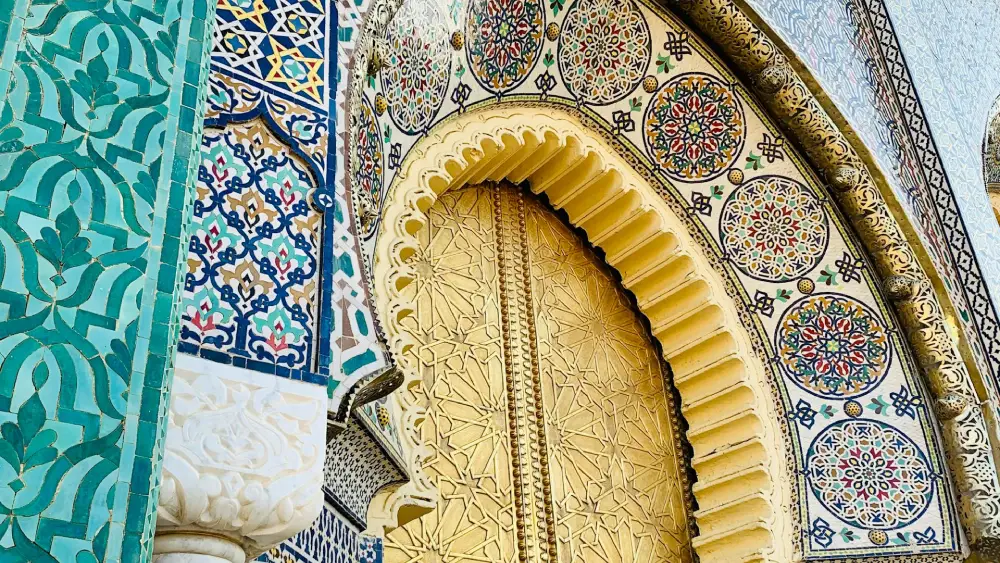
Royal Palace (Dar el-Makhzen)
The Royal Palace in Fes boasts seven impressive brass doors gilded with gold.
The palace is not open to the public, but the impressive entrance gates are worth seeing from outside and make a worthwhile stop while exploring Fes el-Jdid.
A Foodie's Guide: From Street Food to Hidden Gardens
Dishes You Have to Try
Food lovers will love Fes. Be sure to try:
- Chicken Pastilla is a flaky pastry filled with a sweet and savory mix of chicken, almonds, and spices.
Harira: A traditional Moroccan soup made with tomatoes, lentils, chickpeas and herbs, often thickened with flour. Recipes vary by family and region, and some versions include meat. It is especially popular during Ramadan.
Khlii (Khlia): Preserved dried meat, traditionally seasoned and stored in fat. In Fes, you’ll often find it cooked with eggs, especially at breakfast.
Cooking Classes
If you want a hands-on introduction to Fassi and Moroccan cooking, consider taking a cooking class in the medina. Some experiences include a visit to the souk to choose ingredients before preparing traditional dishes such as tagines, Moroccan salads and mint tea.
Palais Bab Sahra, near Bab Boujloud, currently offers cooking classes with an optional souk visit. Check the current schedule and availability before booking.
Top Restaurants
Cafe Clock is famous for its camel burgers and is a great place to meet locals and other travelers.
The Ruined Garden is a hidden gem in the medina. It has a peaceful setting where you can enjoy fresh, local food surrounded by lush greenery.
Where to Stay: The Enchantment of Fes Riads
Riad vs Dar
Both riads and dars are traditional Moroccan houses built around an interior courtyard. Traditionally, a riad is organized around a planted interior garden, often with a fountain, while a dar usually has a simpler central courtyard or patio.
In Fes today, however, accommodation owners often use the terms loosely, so don’t choose a property based on the word “riad” or “dar” alone. Look instead at the location, room layout, reviews and whether the style of the property suits your trip.
Places to Consider
- Riad Fes: A fancy riad with a beautiful blend of Moroccan and Andalusian architecture.
- Dar Seffarine is a traditional dar that gives you a real experience with beautiful tile mosaics and detailed woodwork.
- Riad Anata is a small riad with a modern twist that still has the charm of traditional Moroccan design.
Tip:
For first-time visitors, I usually recommend staying near Bab Boujloud or Batha. These areas are easier to reach by taxi and simpler to navigate when returning to your accommodation at night.
Deeper parts of the medina can be much harder to find after dark, especially if it’s your first time in Fes, so location matters just as much as the riad itself.
Photography & Hidden Gems
Photo Spots to Consider
- Rainbow Street Art: A colorful alley with street art that makes for a great photo.
- The Marinid Tombs are on a hilltop and have great views of the city at sunset.
- Jnan Sbil Gardens is a peaceful oasis where you can take a quiet walk among fountains and palm trees.
What to wear
Dress comfortably and relatively modestly when exploring Fes, especially around religious sites and traditional neighborhoods. For most travelers, clothing that covers the shoulders and knees is a practical and respectful choice, but you do not need to dress like a local.
Beyond the Walls: Great Day Trips
Roman History: The Imperial City of Meknes and Volubilis
The Roman ruins of Volubilis, From Fes, allow around 1 hour 30 minutes by car to reach Volubilis in normal conditions. It works well as a day trip, especially if you combine the Roman ruins with nearby Moulay Idriss or Meknes.
Chefchaouen, the Blue City
From Fes, allow around 3 hours 30 minutes by car to reach Chefchaouen in normal conditions. It’s possible as a long day trip, but an overnight stay is usually more comfortable if you want time to explore the blue medina without rushing.
Middle Atlas: The Cave Dwellings of Bhalil and the Waterfalls of Sefrou
You can visit the cave homes of Bhalil or hike to the waterfalls in Sefrou. Both activities will give you a real and peaceful experience in the rural heartlands of Morocco.
Important Safety and Manners
How to Avoid Scams
Be careful of unofficial guides who might try to help you at well-known places like the Chouara Tannery or the busy souks in the Medina.
For petit taxis in Fes, first ask the driver to use the meter (compteur). In practice, some drivers around tourist areas may refuse to use it. If that happens, agree on the fare before getting in. For many short rides around Fes, I usually tell my guests to expect roughly 30–50 MAD, depending on the distance, traffic and where they are going.
Social Norms
In restaurants, a tip of around 10–15% is normal in Morocco when you’re happy with the service.
Conclusion: Enjoy the Magic of Fes
Fes is a city that shows what Morocco is all about. It has a winding medina, a rich history, lively festivals, and delicious food that will make you feel like you’re really there. Every moment in Fes is a chance to learn something new, whether you’re walking through old souks, eating traditional food, or looking at historic sites.
Fes will leave a lasting impression on any traveler because it has a mix of culture, authenticity, and warm hospitality. Fes should be at the top of your list if you’re going to Morocco. It’s a place you’ll remember long after you leave.
Are you ready to go? Contact me so I can help you plan an amazing trip through the heart of Morocco.
FAQ: Visiting Fes Medina
Is Fes safe for solo female travelers?
Yes, Fes is generally safe for solo female travelers. However, as with any destination, it’s important to stay aware of your surroundings, dress modestly, and be cautious in crowded areas. Most travelers feel comfortable exploring the medina, especially during the daytime.
Can you drink alcohol in Fes?
Alcohol is available in certain licensed venues, such as hotels, bars, and restaurants. However, it is not widely served in public spaces, and it’s important to respect local customs regarding alcohol consumption.
What is the best way to explore the Fes Medina?
While it’s possible to explore the Fes Medina on your own, hiring a licensed guide is highly recommended to navigate the maze of narrow streets and to learn about the city’s rich history. Alternatively, offline maps can be helpful for more independent exploration.
How long should I stay in Fes?
To experience the main sights of Fes, a 2- to 3-day visit is ideal. However, if you’re interested in exploring nearby attractions like Volubilis or Chefchaouen, you may want to extend your stay.
What are some must-try dishes in Fes?
Fes is known for its rich culinary traditions. Be sure to try chicken pastilla, harira, and khlii (khlia), a traditional preserved dried meat that is often cooked with eggs.
These are classic Moroccan dishes, and Fes is an excellent place to try traditional versions of them.
When is the Fès Festival of World Sacred Music?
The Fès Festival of World Sacred Music is held annually in Fes, usually around late spring or early summer. The 2026 edition took place from June 4–7, 2026, with concerts and events at venues including Bab Al Makina and Jnan Sbil.
Festival dates change each year, so if you are planning a future trip around the event, check the official festival schedule before booking your accommodation.
Is it worth visiting Fes if I’ve already been to Marrakech?
Absolutely! Fes offers a different experience compared to Marrakech, with its ancient medina, rich intellectual history, and vibrant cultural traditions. It’s a must-visit for anyone wanting to truly immerse themselves in Moroccan heritage.
Written by Youness Labchir
Licensed Morocco Tour Guide