
Casablanca Travel Guide 2026: A Local’s Honest Take on Morocco’s Economic Capital
When people hear “Casablanca,” they usually think of the 1942 Hollywood movie: smoky piano bars, trench coats, mysterious romance. The reality in 2026 is very different. The real Casablanca is a 4.7‑million‑person metropolis, Morocco’s economic capital, and the country’s most modern, hard‑working city.
I’m Youness – a licensed Moroccan tour guide based in Marrakech. I’ve been leading private tours all over the country for more than 20 years with my company Morkosh Tours, and Casablanca is usually my guests’ first or last stop in Morocco. I built Morocco Unfolded to share that experience openly with future guests and DIY travelers.
I’ll be honest with you: Casablanca is not an open‑air museum like Fes, and it’s not as immediately charming as Essaouira. But if you want to understand how Morocco actually works today – banks, startups, traffic jams, seaside cafés, Art Deco buildings – then one or two days in Casa are absolutely worth it.
This Casablanca Travel Guide will give you a clear, experience‑based view of the city: what’s worth your time, what isn’t, how to plan a 2‑day Casablanca itinerary, and how to avoid the usual disappointments.
Table of Contents
Table of Contents
Is Casablanca Worth Visiting?
Let’s answer the big question directly.
Is Casablanca worth visiting?
Yes – for 1–2 days – if you care about:
- Architecture: Hassan II Mosque, Art Deco façades, Mauresque public buildings.
- Food: Port seafood, street sandwiches, Habous pastries, and “everyday Casa” canteens.
- Modern life: This is Casablanca Morocco tourism in reality – an introduction to the Morocco where people live, work, and commute.
If you only want Instagram‑perfect medinas and romantic riads, then Casablanca is not your city. But if you’re the kind of traveler who wants to see the Morocco economic capital and the Moroccan Atlantic Coast as locals know it, Casa will make sense to you.
Most of my guests are happy with 1 night / 1 day, and some stay 2 days to dig deeper. More than 3 days is usually only for business trips, digital nomads, or people visiting friends and family – they are better off spending extra nights in cities like Marrakech (see my Marrakech travel guide) or Fes (my Fes travel guide).
If you are deciding how much time to give each city, read my Casablanca vs Marrakech comparison to see which destination better fits your Morocco trip.
Hassan II Mosque: The Architectural Heart of Casablanca
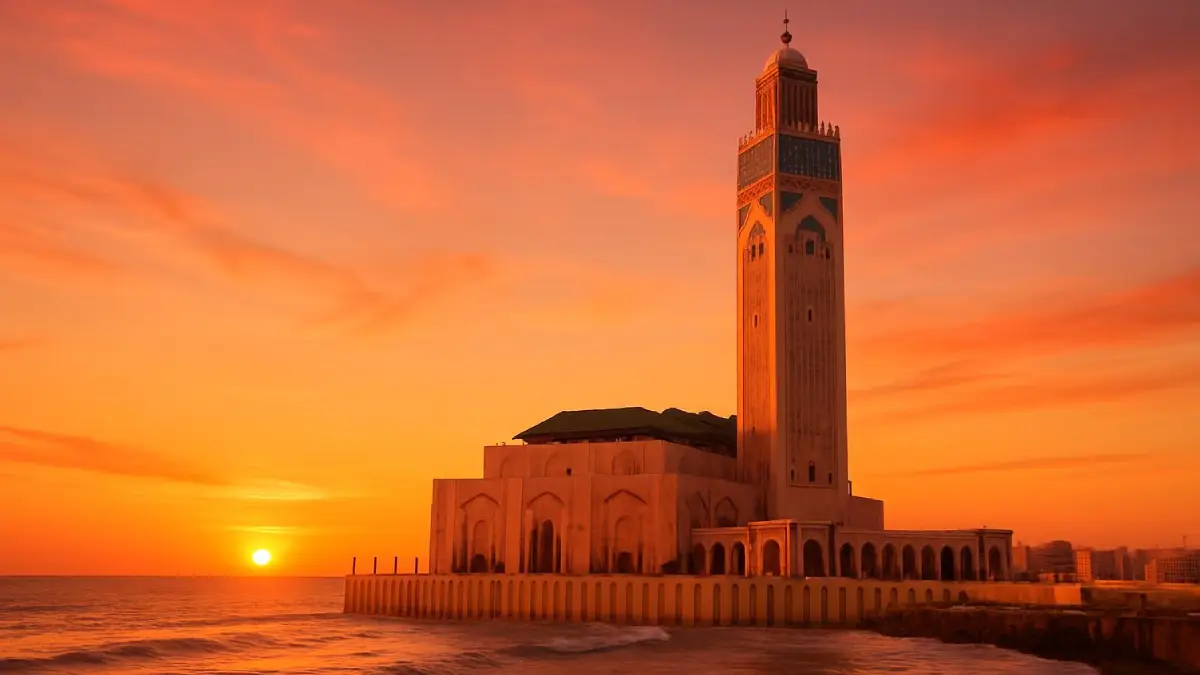
If you only see one thing in Casablanca, it has to be Hassan II Mosque. Even after visiting many times with guests, it still impresses me.
Why It’s Special
- One of the largest mosques in the world, with the second‑tallest minaret at 210 m.
- Built partly over the Atlantic Ocean, with a glass floor section inside so you can see the waves below.
- A retractable roof (it’s not opened every day, but it’s an engineering feat).
- It’s the only major mosque in Morocco open to non‑Muslims through official Hassan II Mosque tours.
Inside, you get carved cedar ceilings, zellij tilework, marble columns – all the details you see in Moroccan palaces, just on a huge scale.
Hassan II Mosque Tours: How It Works in 2026
Guided tours are the only way for non‑Muslims to enter the interior.
- Typical tour times (check locally, but this is what I see most often):
- Morning: 9:00, 10:00, 11:00
- Afternoon: usually around 14:00 (2 pm)
- Closed for tours on Friday mornings, and schedules can change around religious holidays.
Tickets & price:
- Expect around 120–130 MAD per adult for the standard guided tour.
- Where to buy:
- On‑site: At the official ticket office/visitor centre by the complex.
- Online or via a tour company: If you want hotel pickup or a city tour including the mosque, you’ll pay more but it’s easier if you’re tired after a long flight.
If you’re combining Casablanca with the rest of the country, check my Morocco itineraries hub for realistic 7, 10 and 14‑day routes that include Casablanca as a start/end point.
My “Guide Rules” for Visiting Hassan II
From 20+ years of bringing guests here, this is how I do it:
- Avoid Friday mornings: Tours are usually not running and the area is busy for prayers.
- Arrive 20–30 minutes before your chosen tour:
- To buy tickets calmly.
- To walk the esplanade and enjoy the ocean view.
- Tell the taxi “billet / guichet” or “office des billets”:
- If you just say “Hassan II Mosque,” some drivers drop you at the wrong gate, and you end up walking around a huge perimeter.
- Dress code (for everyone):
- Shoulders and knees covered; no tiny shorts or strapless tops.
- Women don’t need a headscarf, but modest clothing avoids awkward looks and “hshuma” comments.
- Shoes:
- You’ll remove your shoes inside and carry them in a bag the mosque provides. Slip‑on shoes are easier.
Photography Tip
If you can, do a two‑part visit:
- Interior tour in the morning – softer light and cooler temperatures.
- Return around sunset to see the exterior glowing in golden light against the Atlantic. The reflection on the marble esplanade at golden hour is often the best photo of Casablanca people bring home.
Neighborhood Deep Dives: Habous, Art Deco & the Old Medina
Casablanca isn’t about one compact old city; it’s about different districts, each with its own personality. To understand it you need to move between Habous, Ville Nouvelle, the Old Medina, and the Corniche.
Quartier Habous – The “New Medina” of the 1930s
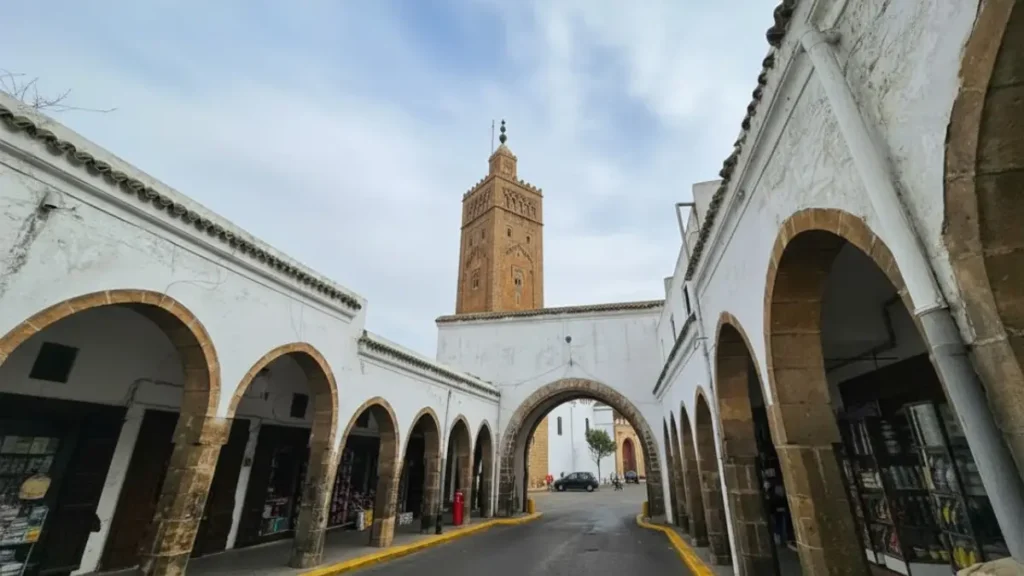
Habous is sometimes called the “new medina” or “Habous Quarter”. It was built by the French in the 1930s as a kind of “idealized” Moroccan district: clean, organized, and full of arches and arcades.
In my tours, I like to bring guests here for three reasons:
- Pâtisserie Bennis Habous
- One of the best pastry shops in the country.
- Try kaab el‑ghazal (gazelle horns), almond briouates, and orange blossom cookies.
- Prices are very fair compared to tourist medinas.
- Mahkamat al‑Pasha
- A 1930s Hispano‑Moorish courthouse and former pasha’s residence.
- Incredible carved wood, tilework, and marble. You often need to politely ask the guard if you can look around.
- Olive & preserved lemon souk
- A small, fragrant corner where you see real daily shopping, not just souvenirs.
Habous is especially good if you want quality crafts (books, leather, textiles) without the aggressive haggling you get in some other cities. If you’re serious about crafts in Morocco in general, you’ll enjoy my deep dive on traditional crafts in Morocco and my very detailed guide on how to buy a Moroccan rug.
The Art Deco District – Ville Nouvelle & Boulevard Mohammed V
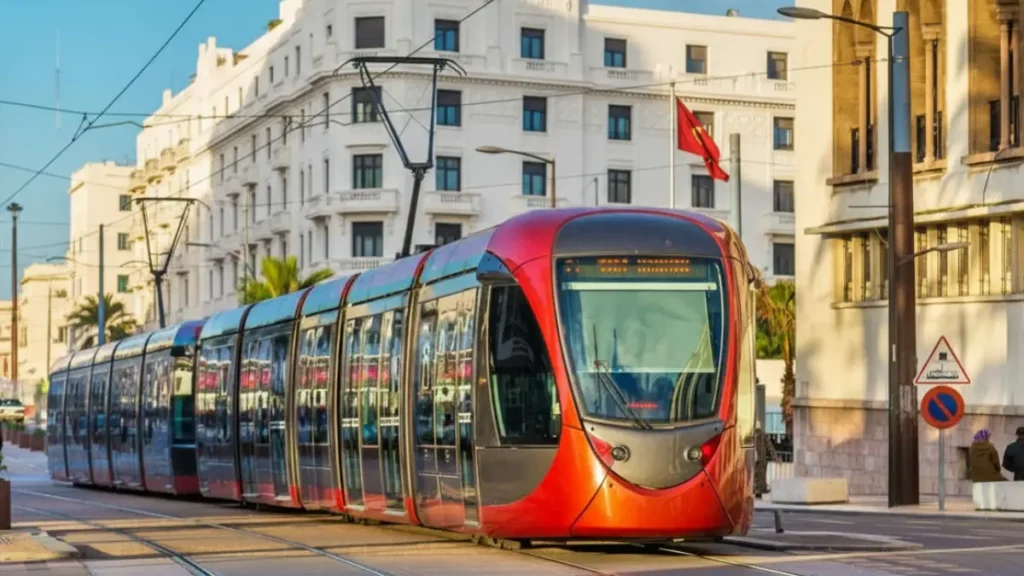
Casablanca’s Ville Nouvelle is where you feel the Art Deco architecture that guidebooks like to romanticize.
For Art Deco architecture in Casablanca, I usually walk guests along:
- Boulevard Mohammed V
- Look up: rounded balconies, geometric façades, worn but still elegant.
- The Central Post Office and old bank buildings show that French “Mauresque” style – a mix of European lines with Moroccan motifs.
- Cinema Rialto
- Classic 1930s cinema with a beautiful Art Deco façade. Even if you don’t go inside, it’s worth a quick photo stop.
- Around United Nations Square and Boulevard Hassan II
- Busy, chaotic, but full of those 1920s–30s apartment blocks and wide boulevards.
Don’t expect everything to be restored and shiny. A lot of it is faded and peeling, but that’s part of the story: you’re seeing a real, lived‑in city, not a museum.
Old Medina (Ancienne Médina) – Gritty and Local
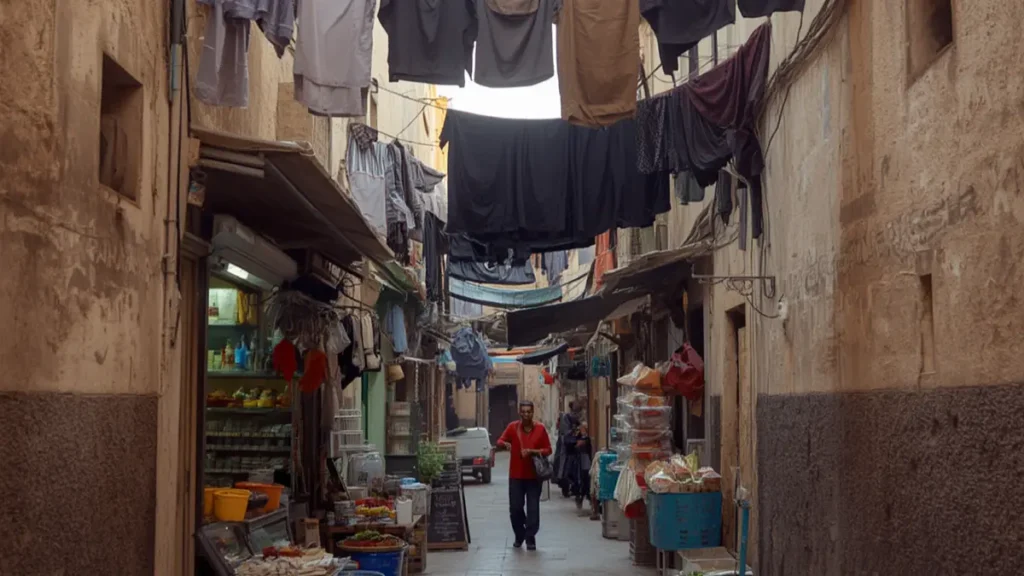
Casablanca’s Old Medina is nothing like Fes or Marrakech. It’s smaller, more “gritty and lived‑in”, with laundry hanging overhead and simple shops.
Why go?
- To feel the contrast between a modern port city and its older core.
- To snack on street food – bocadillo sandwiches, grilled sardines, msemen, etc.
- To see remnants of 18th‑century fortifications and a few historic gates.
This is also a good place to understand the difference between Old Medina and Habous:
- Old Medina: organic, crowded, a bit rough.
- Habous: planned, organized, calmer “new medina” built by the French.
Hidden Gems & Offbeat Casablanca
Once you’ve done the mosque and seen a bit of Habous and the centre, you can start to look for quieter pockets.
Artistic Corridors: Villa des Arts & L’Atelier 21
- Villa des Arts
- A beautiful Art Deco villa turned into an art space. Often free entry or a small fee.
- Exhibitions of modern and contemporary Moroccan art; a good break from traffic.
- L’Atelier 21
- Private gallery focusing on contemporary Moroccan artists.
- If you’re interested in how Moroccan art is evolving (beyond carpets and tourist paintings), it’s worth a visit.
Urban Oases: Arab League Park & Sacred Heart Church
- Arab League Park (Parc de la Ligue Arabe)
- Recently renovated, palm‑lined, with wide paths and benches.
- A good place to sit with a takeaway coffee and watch daily life in the Morocco economic capital.
- Church of the Sacred Heart (Cathédrale Sacré‑Cœur)
- A striking Gothic/Art Deco church near the park. The interior is often closed, but the exterior alone is impressive and unexpected in Morocco.
Local Secret: Bain des Roches Rock Pools
Near the mosque, at low tide, local families and teenagers gather at Bain des Roches – natural rock pools by the ocean. It’s not a beach club, just real local weekend life: kids splashing, people fishing, friends hanging out.
If you go:
- Wear modest swimwear – this is not a European resort.
- Watch your step; rocks can be slippery.
- Keep valuables close; as always in big cities, small theft is possible in crowded areas.
The Culinary Scene: From Port Seafood to Rick’s Café
Casablanca food is less about tajines cooked for tourists and more about fish, street sandwiches, pastries, and everyday canteens.
Rick’s Café – The Movie Experience
First, the classic question: “Is Rick’s Café in Casablanca a real movie location?”
- No. The 1942 film was shot entirely on a Hollywood set.
- Yes, in spirit. In 2004 an American woman opened Rick’s Café in a beautiful building near the port, inspired by the film.
Is it worth going?
- If you love the movie, yes: piano music, cocktails, “Here’s looking at you, kid” atmosphere.
- The food is solid, the interior is gorgeous, and it’s a fun “one time” experience.
- Book in advance for dinner; it’s popular with expats and tourists.
I personally recommend it when guests ask for a “Casablanca movie moment”, but I also make sure they see the real Casablanca outside that door.
The Local Experience: Seafood at the Port & Marché Central
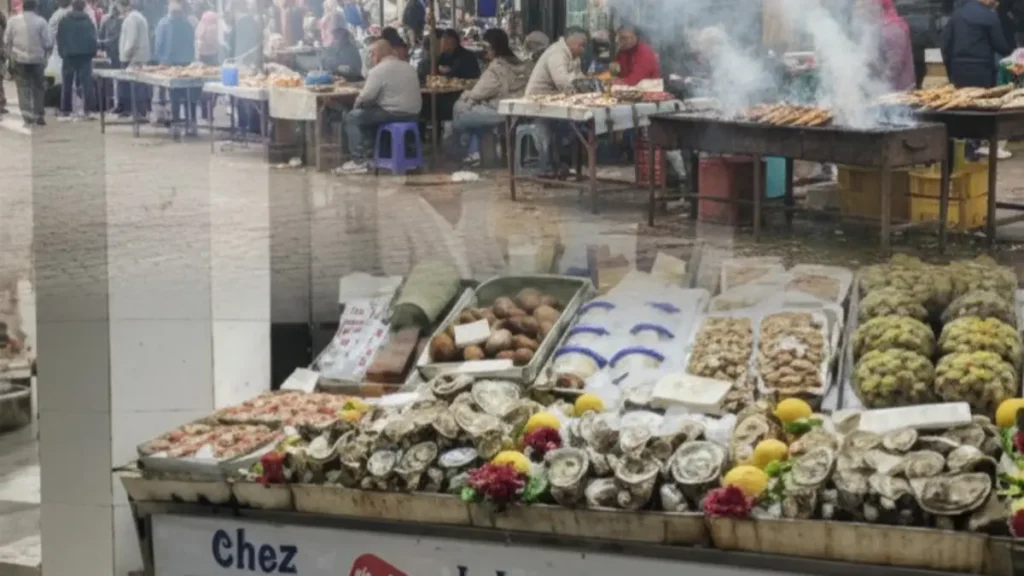
For an authentic local meal, skip the fancy Corniche chains and go closer to the port.
- Old Port / Port de Pêche area
- Rows of simple seafood joints.
- Choose your fish (sardines, sole, calamari, shrimp) and have it grilled or fried.
- Expect around 60–100 MAD for a fish plate with salad and bread.
- Marché Central (Central Market)
- Neo‑Moorish market in the centre.
- Local trick: buy fresh seafood from the stalls in the central fish hall, then take it to one of the tiny restaurants in the courtyard to have it cooked.
- You can often snack on fresh oysters for around 10 MAD each when available.
Signature Dishes & Everyday “Casa” Food
If you tell me, “Youness, take me somewhere Casablancans actually eat,” I don’t take you to a rooftop with a tourist menu. I take you to:
- Maarif area
- Classic for street food: harira, msemen with honey, brochettes, bocadillo sandwiches, and cheap daily plates.
- Expect 30–50 MAD for a simple lunch.
- Edges of the Old Medina
- Stalls selling khobz sandwiches, grilled meat, and fried fish.
- Maqila (seafood tagine)
- Small, unpretentious places with plastic chairs near the port or Marché Central serving seafood cooked in a tagine with tomatoes and peppers for around 40–60 MAD.
- Not fancy, but very “Casa”.
Whenever you explore food in Morocco, it helps to know what’s traditional and what’s made mainly for tourists. My guide to traditional Moroccan food goes into much more detail on dishes, etiquette, and how locals really eat.
Casablanca for Your Travel Style
Digital Nomads: Working from Morocco’s Economic Capital
Casablanca isn’t a beach‑bum digital nomad city, but for people who like big‑city energy and stable internet, it can work very well.
- Wi‑Fi reality
- Fibre is common in modern apartments in Maarif, Gauthier, Racine, Anfa.
- Cafés in these areas are usually fine for Zoom calls outside of peak lunch hours.
- Coworking spaces & laptop‑friendly cafés
- Spaces like Noqta Space and other co‑working spots in Gauthier/Maarif are popular with freelancers and startups.
- Many cafés along Boulevard d’Anfa and in Gauthier are laptop‑friendly: order a coffee, plug in, and you’re good for a couple of hours.
- Digital nomad monthly cost of living in Casablanca (2026)
- Rent (1‑bed in a good area): 7,000–9,500 MAD (~€650–€900).
- Total comfortable monthly budget: 12,000–18,000 MAD (~€1,100–€1,800)
- Includes rent, food, tram/taxis, cafés, basic co‑working, and a weekend trip or two.
Is Casablanca more expensive than Marrakech?
Generally yes – rent and everyday costs tend to be higher. If you’re planning a longer stay in Morocco, my Morocco travel guide and money & SIM card guide will help you plan your budget properly.
Families: Casa with Kids
For families, Casablanca is usually a soft landing or exit rather than the main highlight, but there are still good options:
- Morocco Mall
- Huge shopping mall on the Corniche.
- Features an aquarium, international food court, and sometimes an ice rink – an easy half‑day with kids.
- Anfa Park & Corniche
- Green spaces and seaside promenades; good for walking and playgrounds.
- Tamaris Aquaparc (seasonal)
- Water park south of the city, popular with local families in summer.
- Crowded on weekends; good if kids need a “fun day” after museums and mosques.
For a more family‑focused look at the country, including desert camps and kid‑friendly medinas, combine this with my Morocco packing list and safety guide before you come.
Practical Logistics & “Know Before You Go”
Casablanca is Morocco’s main international gateway, but it is not always the most convenient arrival point. Read my guide to choosing the right Moroccan airport before booking your flight.
Best Time to Visit Casablanca
Casablanca has a mild Atlantic climate:
- Best months:
- April–June and September–November – 20–25°C, pleasant evenings.
- Summer (July–August):
- Can be humid but cooler than Marrakech. The city feels busy with locals escaping the interior heat.
- Winter:
- Mild, some rain, but still very visitable.
If you’re planning a bigger route (Casablanca + Marrakech + Fes + Sahara), check the seasonal advice and realistic routes in my Morocco itineraries.
Getting Around: Tram, Taxi, and Apps
Best way to get around Casablanca:
- Tramway
- Reliable, clean, and cheap (around 7 MAD per ride).
- Good for crossing central areas without traffic stress.
- Careem / InDrive apps
- My personal preference over haggling with petit taxis.
- You see the price ahead and avoid arguments.
- Petit taxis
- Useful for short trips, but always insist on the meter or agree a price before you start.
For journeys beyond Casablanca, start with my Getting Around Morocco guide, then use the Morocco train map to identify the main railway corridors, stations and road-only destinations.
Budget Snapshot for Casablanca (2026)
Rough daily spend, per person:
- Budget
- Hostel bed: 150–280 MAD
- Street food meals: 30–50 MAD
- Tram/taxi: 20–40 MAD/day
- Mid‑range
- Hotel: 450–800 MAD/night
- Restaurant meals: 80–160 MAD
If you care about saving on bank fees and payments, I usually recommend Wise or similar multi‑currency cards for Morocco. Wise gives near mid‑market rates and works well at Moroccan ATMs; you can check it out here.
For a full breakdown of currency, ATMs, Wise vs Revolut, and daily budgets, read my Morocco money & SIM card guide 2026.
Safety: Big City Common Sense
Is Casablanca safe for solo female travellers?
Generally yes, with normal big‑city awareness:
- Phone snatching can happen, especially around busy boulevards, tram stops, and some Corniche sections at night.
- Tips I give my guests:
- Keep your phone in a zipped bag or inner pocket, not in your back pocket.
- Dress modestly; you don’t need to overthink it, just avoid very revealing clothes.
- Ignore catcalls; don’t engage with persistent strangers.
- Use Careem/InDrive or trusted taxis at night.
For a deeper look at risk vs reality, read my Morocco safety guide.
If you’re planning to drive further, trek, or visit the Sahara after Casablanca, please also read my guide to travel insurance for Morocco. I explain what policies should cover (medical, evacuation, desert activities, trekking) and how some insurers classify Morocco (Europe vs Worldwide).
Optimised 2‑Day Casablanca Itinerary
This is how I usually structure a Casablanca itinerary for 2 days for my guests.
Day 1 – Mosque, Movie Vibes & Old City Energy
Morning: Hassan II Mosque
- Taxi directly to the ticket office.
- Join a Hassan II Mosque tour around 9:00 or 10:00.
- Walk the esplanade and check the ocean.
Lunch: Rick’s Café or the Port
- For the movie fantasy: lunch at Rick’s Café.
- For a more local feel: seafood near the Old Port or at Marché Central (buy fish, have it grilled).
Afternoon: Old Medina & Corniche
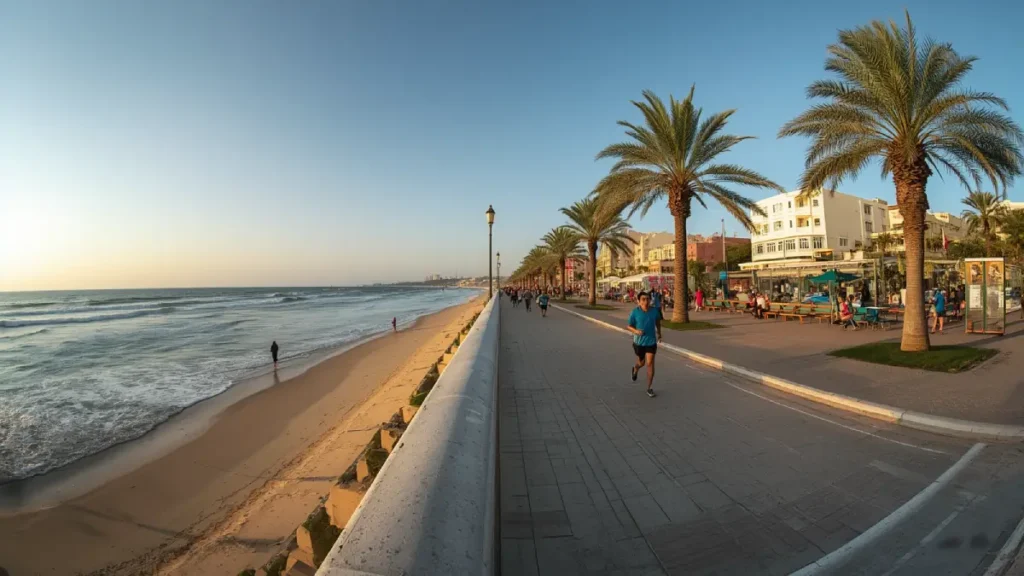
- Wander the Old Medina a bit – don’t expect Fes, just enjoy the everyday life.
- Later, head to the Corniche and Ain Diab beaches for a seaside walk, cafés, swimming or a sunset drink.
Evening: Sunset by the Mosque or Corniche
- If you still have energy, swing back by Hassan II Mosque at sunset for photos.
- Dinner around the Corniche or back in the centre near Gauthier/Maarif.
If Casablanca is your arrival point, this day flows nicely into a train to Marrakech or Fes the next morning – I break down those routes in more detail in my main Morocco travel guide.
Day 2 – Habous, Art Deco & Local Food
Morning: Habous Quarter
- Taxi to Quartier Habous.
- Walk the arcades, visit Pâtisserie Bennis Habous for pastries to go.
- If possible, step into Mahkamat al‑Pasha (ask the guard politely).
- Browse bookshops and small craft stores.
Lunch: Local Canteen / Maqila
- Head towards Marché Central or a simple canteen near the port.
- Try maqila (seafood tagine) or a grilled fish plate – expect around 40–80 MAD.
Afternoon: Art Deco Walk & Villa des Arts
- Walk Boulevard Mohammed V and surrounding streets in the Ville Nouvelle:
- Cinema Rialto, Central Post Office, old bank buildings.
- Visit Villa des Arts or L’Atelier 21 in Gauthier if you like contemporary art.
- Coffee in a café in Gauthier or Maarif, watching real Casablanca life.
Evening: Last Dinner & Night Stroll
- Final dinner options:
- Another seafood stop near the port.
- A more polished spot in Gauthier or along Boulevard d’Anfa.
- Walk one last time along the Corniche or through the illuminated centre, then back to your hotel to prepare for the next leg of your Morocco trip.
To turn this into a full country route, check my 7‑day, 10‑day, or 14‑day itineraries – I show exactly how much time to give Casablanca vs Marrakech, Fes, Chefchaouen, the Atlas, and the Sahara.
Conclusion: How Casablanca Fits into Your Morocco Trip
So, is Casablanca worth visiting?
My honest answer to guests is always:
Yes, Casablanca is worth 1–2 days if you’re curious about modern Morocco – Hassan II Mosque, Art Deco streets, real daily life, and the food scene. If you come expecting a fairy‑tale medina like Fes or Chefchaouen, you’ll be disappointed. But if you want to see where Moroccans actually work, shop, and commute, Casa is essential.
Use this Casablanca Travel Guide as a practical stop on your way to the places people dream about: Marrakech, Fes, the Sahara desert regions, the Atlas Mountains, and the relaxed Atlantic towns like Essaouira.
If you prefer not to deal with the logistics yourself, you can always reach out through Morocco Unfolded or directly via Morkosh Tours, and I’ll help you build a private itinerary that uses Casablanca as a smart entry or exit point – not the whole story.
Casablanca Travel Guide – FAQ
Is Casablanca worth visiting for 2 days?
Yes. Two days in Casablanca gives you enough time for a proper Hassan II Mosque tour, one sunset by the ocean, a walk through Habous, a taste of the Art Deco centre, and at least one local seafood meal. If you only have one night, focus on the mosque, port/Corniche, and a quick look at the Old Medina.
How many days should I spend in Casablanca?
For most travellers, 1–2 days is ideal. More time is mainly for business travellers, digital nomads, or visitors staying with family. Extra days are usually better spent in Marrakech, Fes, Chefchaouen, or on a Sahara desert trip.
Is Casablanca safe for solo female travellers?
Generally yes, with big‑city common sense. Use Careem/InDrive or trusted taxis at night, avoid flashing your phone in crowded streets, and dress modestly to reduce unwanted attention. In my experience, areas like Gauthier, Maarif, and the Corniche feel the most comfortable for solo women, especially in the evening. For a deeper look, see my Morocco safety guide.
How do I take the train from Casablanca airport to the city centre?
From Mohammed V Airport, follow signs to the ONCF train station inside the terminal. Take the train to Casa Voyageurs (around 45 MAD). From there, use the tram, taxi, or a ride‑hailing app to reach your hotel. This is usually faster and cheaper than an airport taxi.
What is the best way to get around Casablanca?
Use the tramway for central areas (around 7 MAD per ride) and Careem/InDrive or metered petit taxis for door‑to‑door trips. For longer journeys across Morocco, trains and buses are well covered in my main Morocco travel guide.
Is Casablanca more expensive than Marrakech?
For rent and long‑term living, yes, Casablanca is usually more expensive than Marrakech. For short stays, prices are similar: you can find budget, mid‑range and high‑end options in both. A comfortable daily budget for Casablanca is similar to what I outline in my money & SIM guide.
Can I use eSIM or SIM cards easily in Casablanca?
Yes. Casablanca is one of the easiest places to sort out your connectivity: you can buy physical SIMs from Maroc Telecom, INWI, or Orange shops, or set up an eSIM for Morocco before you land. For a full comparison of SIM vs eSIM, data packages and where to buy, see:
Best SIM card for Morocco 2026
eSIM Morocco 2026 guide
Do I need travel insurance just for Casablanca?
Even if you only plan to visit Casablanca and other cities, I still recommend travel insurance for Morocco. Private clinics, lost luggage, stolen phones, and last‑minute flight changes all add up. In my Morocco travel insurance guide, I explain what good policies should cover, including whether Morocco is considered “Europe” or “Worldwide” in your plan.