When renting a car, inspect it thoroughly and take photos. Some agencies falsely claim new scratches or damage upon return to extract fees. Solo Female Travel: Empowered & Aware
Morocco Travel Tips: Explore the Magic of North Africa
Navigate Morocco with Confidence – Insights from Those Who Know It Best!
As the sun rises over Marrakech, the call to prayer echoes across the city and into the busy streets. The smell of mint tea and spices wafts from nearby markets. Morocco is a mix of Amazigh Berber, Arab, and Mediterranean cultures, where old traditions meet a lively modern life. You can explore deserts, the Atlas mountains, and bustling markets, each with its own appeal. People speak Darija daily, which helps visitors connect. While Marrakech is well-known, Morocco’s real spirit often shines in smaller towns and in the hospitality of Berber hosts.
Whether you’re visiting Morocco for the first time or returning, these Morocco travel tips will help you prepare. You’ll find advice on the best times to visit, what to pack, how to travel around, and how to respect local customs. Let’s begin.
Of course, like any travel destination, it isn’t perfect. You might encounter petty crimes like pickpocketing in crowded markets, and catcalling can be an annoyance. However, violent crime against tourists is extremely rare. Understanding the local context and being prepared is key to having an incredible and secure experience. This guide will walk you through everything you need to know about Morocco travel safety.
Pre-Departure: Planning Your Journey
The timing of your visit can shape your experience. The best times to visit Morocco are spring (March to April) and autumn (September to October), when the weather is pleasant, and crowds are smaller. Spring in California feels similar to April, with mild temperatures perfect for exploring. July and August are the hottest months, ideal for beach lovers, but the main attractions are less crowded then.
A key rule: Do not drink tap water, use it for ice, or brush your teeth with it. Even in Fes, locals often boil tap water before making tea, underscoring its importance. Use bottled water to stay healthy.
When packing for Morocco, choose loose, breathable linen or cotton clothing that covers your shoulders and knees. This is practical in the heat and respectful of local customs for both women and men. You do not need to dress formally, but modest clothing will help you feel more comfortable in traditional neighbourhoods, rural areas and near religious sites.
End with the earthy aroma of spices wafting through the souk alleys. Fes, with its labyrinthine medina, is not only the world’s oldest recognised by UNESCO but is also filled with the rich scent of leather from its famed tanneries.
In Rabat, the calming sound of waves mingles with the sight of royal palaces, offering a soothing backdrop to its historical narrative.
Chefchaouen enchants with its blue-washed streets, creating a peaceful and serene atmosphere. But to really stand out, explore lesser-known spots that many guides overlook:
- Moulay Bousselham Lagoon
- A birdwatcher’s paradise, where flocks of storks and flamingos gather.
- Sidi M’Barek Waterfalls
- Nestled near Essaouira’s coastal dunes, a refreshing escape.
- Bhalil Cave Dwellings
- Special, lived-in caves near Fes let you see how Berbers have lived for centuries.
- Plage De Maresdar
- A quiet beach that feels like Thailand’s Koh Phi Phi in terms of untouched beauty, without the usual tourist crowds, and accessible only by boat. The solitude and stunning scenery offer a unique sense of discovery and tranquillity.
- Tinmel Mosque
- One of the rare mosques open to non-Muslims (currently under renovation but worth noting for future visits).
Navigating Morocco: Transport & Logistics
Seamless Journeys, Rich Discoveries: Your Guide to Moving Through Morocco with Ease
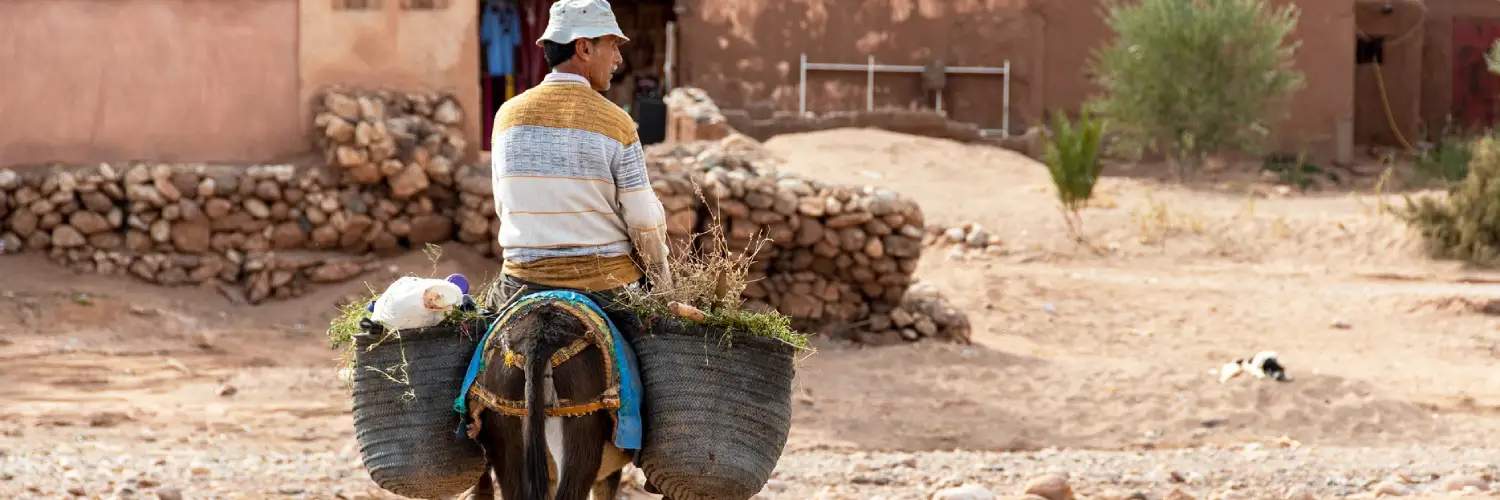
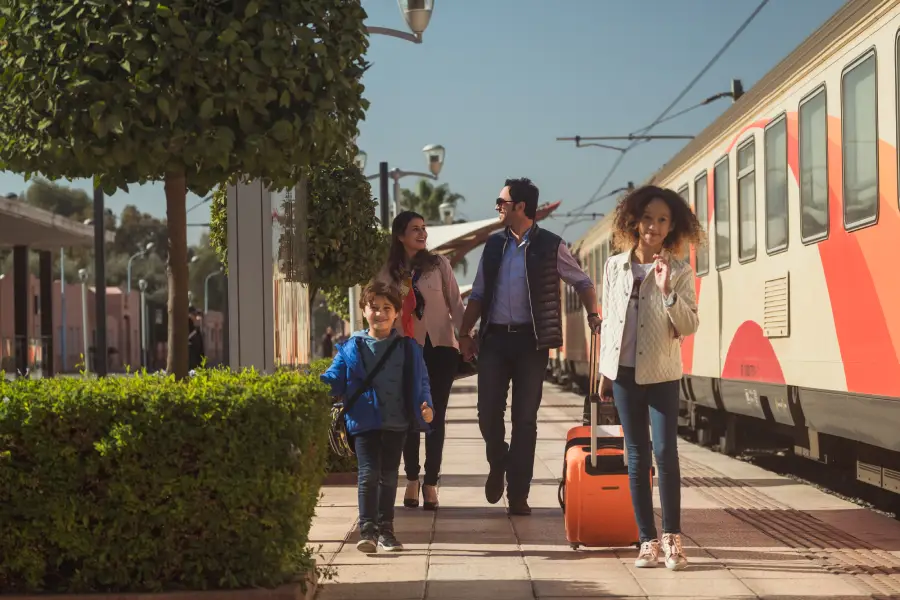
Getting around Morocco is straightforward. The Al Boraq high-speed train connects Tangier, Rabat, and Casablanca, making it Africa’s fastest and a comfortable way to travel long distances. For example, you can start your day in Tangier, take the Al Boraq train to Rabat, and then catch a Petit Taxi from the station to the Hassan Tower. In just two hours, you can move easily between cities and have more time to explore Morocco’s history and culture.
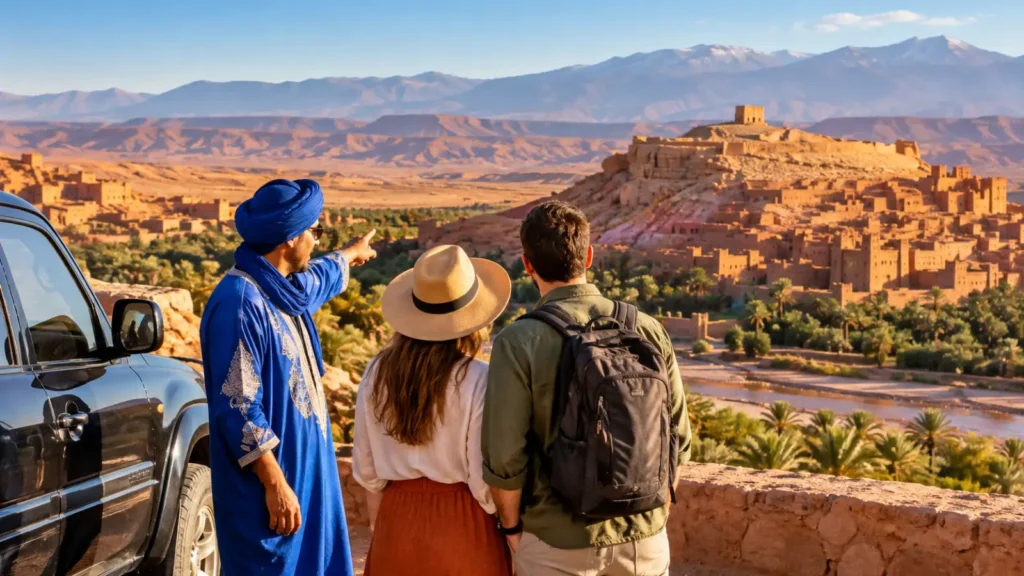
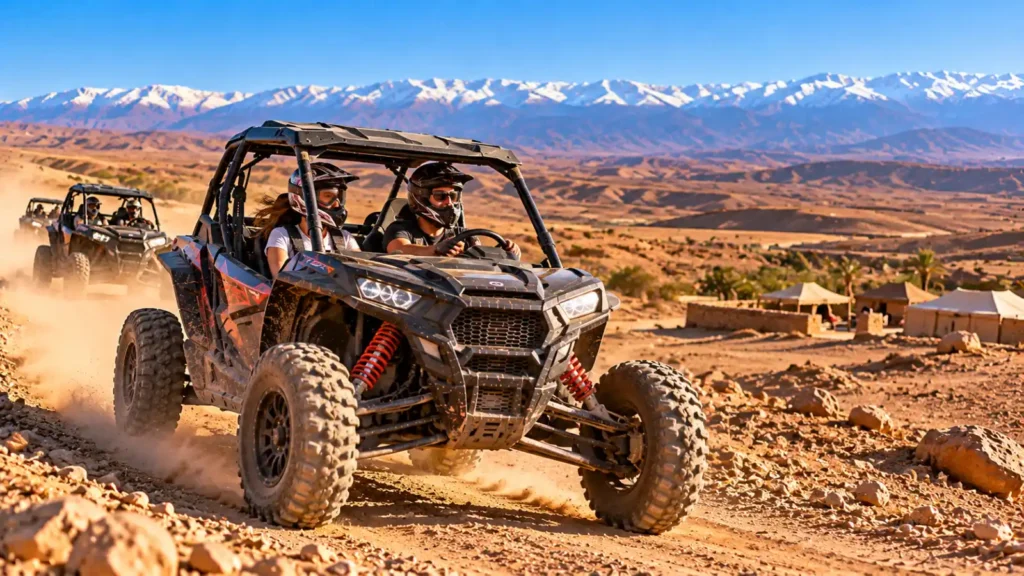
In cities, Petits Taxis are used for short trips, while Grands Taxis are shared or private cars for longer journeys between cities. Renting a car gives you flexibility, but be wary of hidden-damage scams at rental agencies. Always check the car carefully before you leave.
Morocco’s currency is the Moroccan dirham (MAD). ATMs are easy to find in cities but less common in rural areas, so carry enough cash when travelling outside major towns. Small shops, markets, taxis and rural guesthouses may not accept cards.
Essential rules: Understanding local customs—such as how to greet people, ask before taking photographs and handle money—shows respect and helps your trip run more smoothly.
Before taking photos, especially of women or elders, ask for permission by saying “Mumkin taswira?”
Do not criticise God, the King, or the Sahara Desert. These topics are considered sacred.
If you visit during Ramadan, avoid eating or drinking in public while the sun is up.
Tipping is common. Try to leave about 15% in restaurants, and remember to tip restroom attendants too.
Staying Safe in Morocco: 12 Common Tourist Scams
Morocco is safe, but like any tourist hotspot, it has pitfalls:
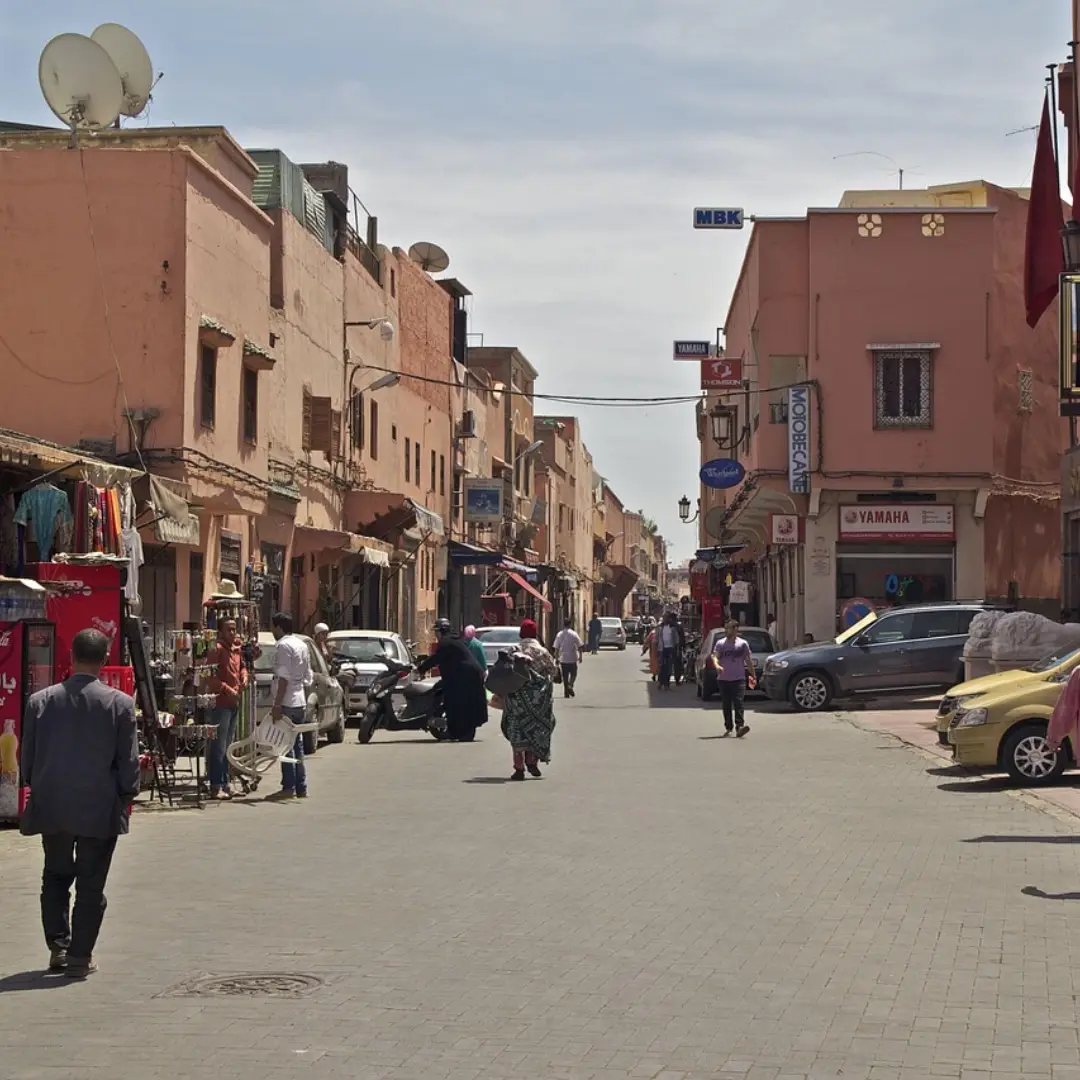
The "Nice Guy" Approach
Politely decline unsolicited directions or help.
Politely decline unsolicited directions, offers to guide you, or help with your bags. Scammers may act overly friendly to gain your trust, then demand a tip or lead you to shops for commission.
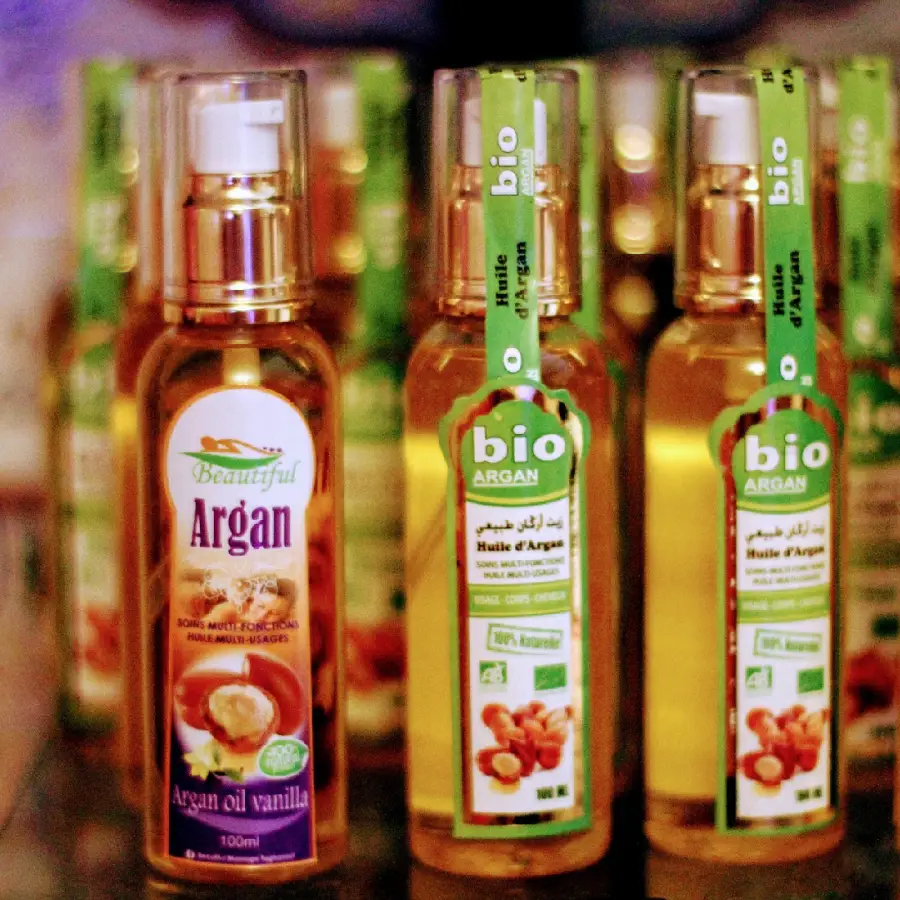
Fake Argan Oil
True argan oil doesn’t smell like olives.
Genuine argan oil is expensive and should not smell like olives or be sold in plastic bottles at markets. Buy only from reputable sources.
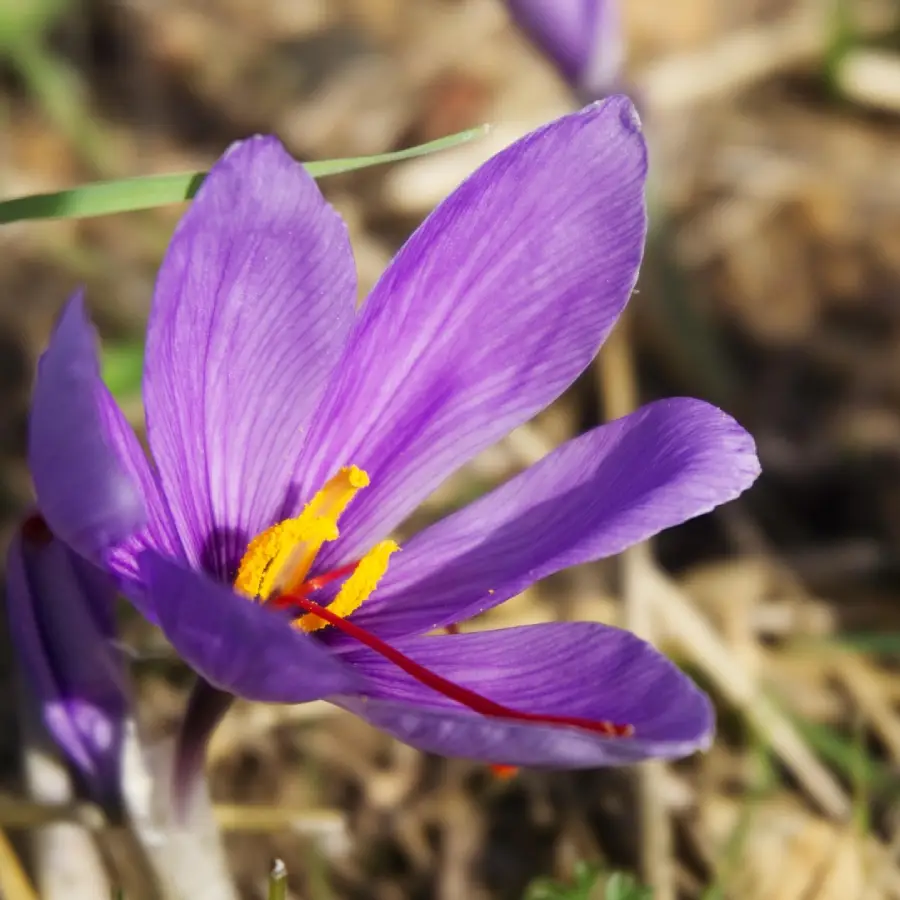
Fake Saffron
Genuine saffron has a strong, distinct aroma.
True saffron has a strong, unique aroma and turns water golden yellow, not red. Avoid cheap deals in souks.
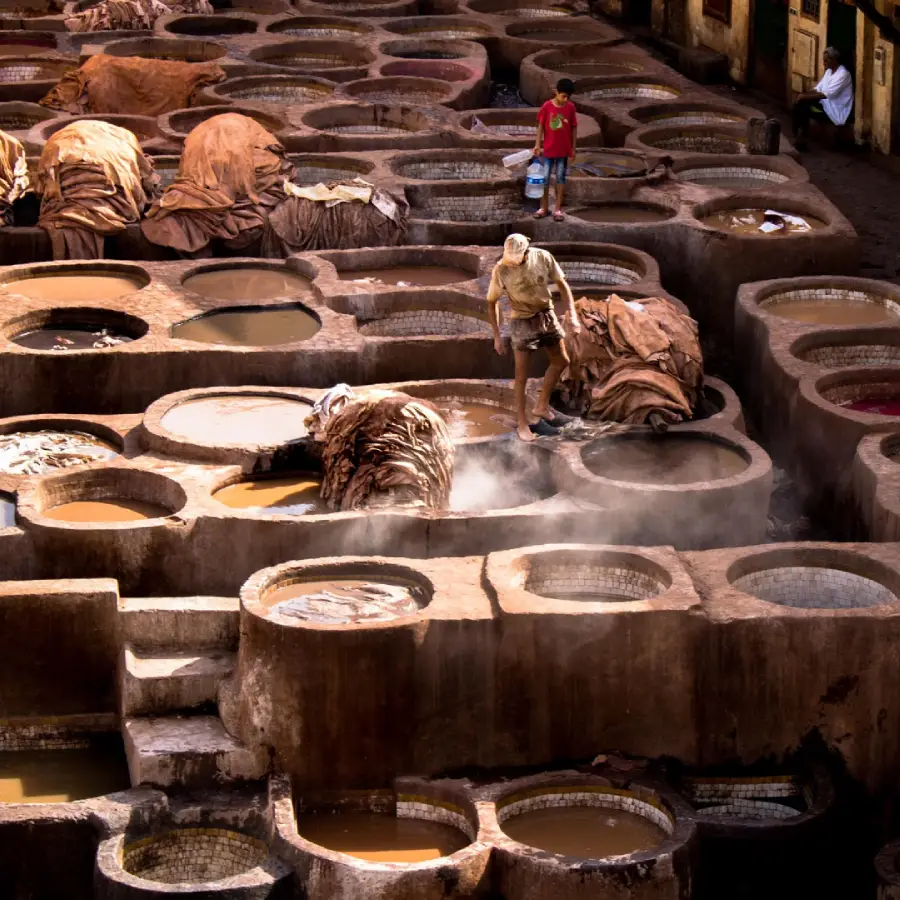
Tannery "Exclusive" Fees
Use official entrances; avoid unofficial guides.
At famous tanneries (especially in Fes), unofficial guides may charge high entrance or “tour” fees. Only use official entrances and guides.
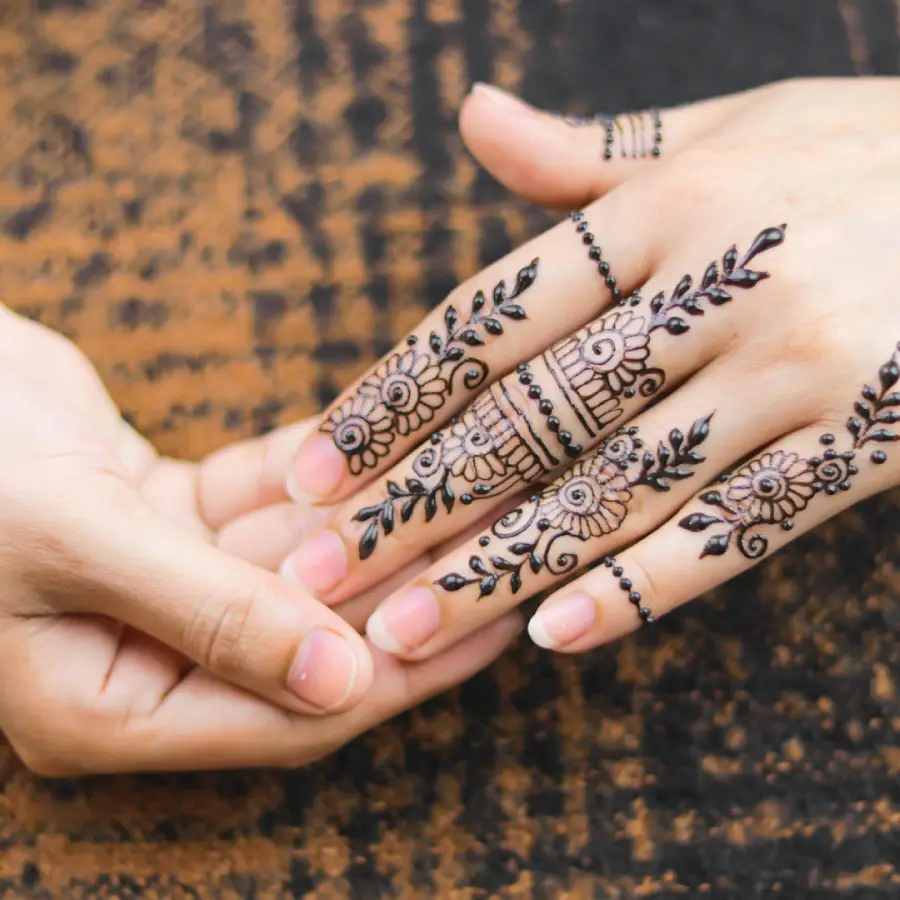
Black Henna Warning
Black henna; contains harmful chemicals like PPD.
Avoid black henna tattoos. They may contain toxic chemicals like PPD, which can cause skin burns or allergic reactions.
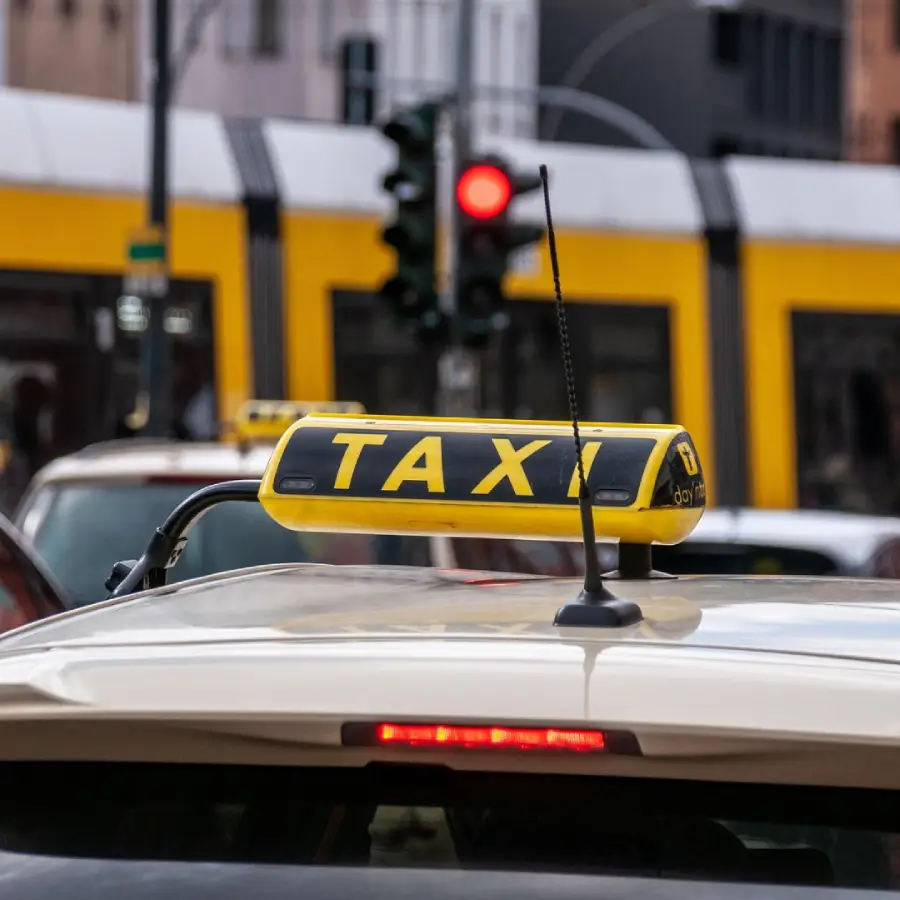
Taxi Meter Tricks
Some taxi drivers refuse to use the meter or take longer routes. Always insist on the meter or agree on the fare before starting.
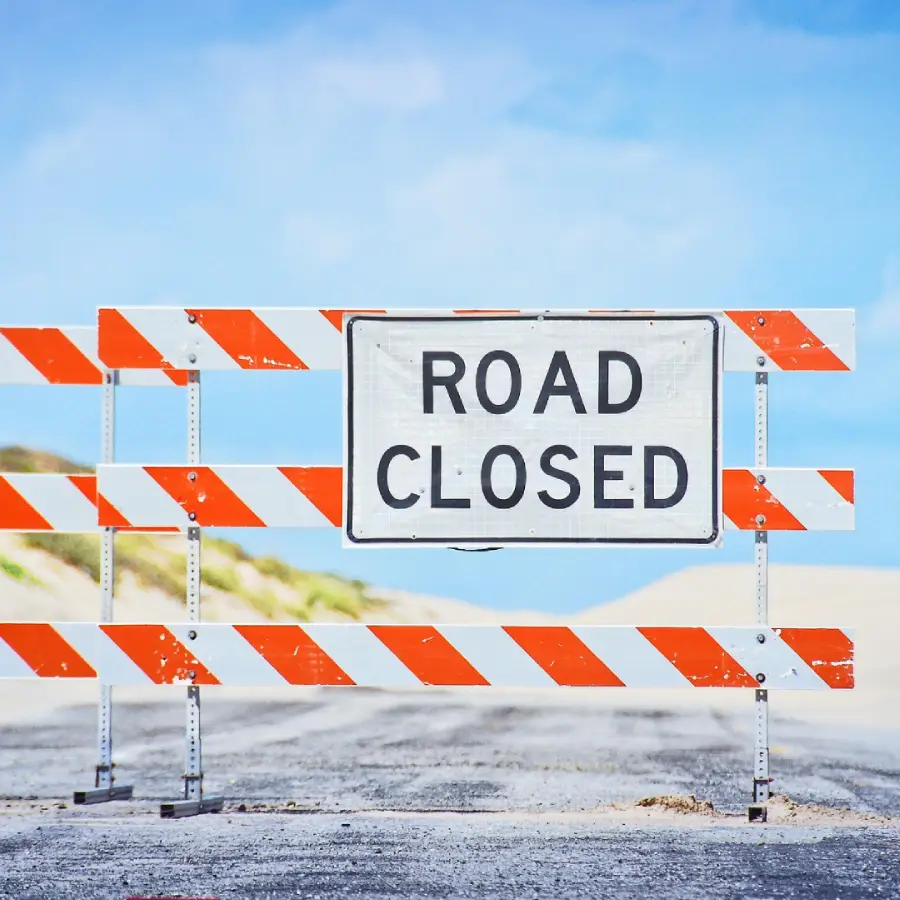
The “Road Is Closed” Scam
"Closed Hotel/Shop" Lie
Scammers may claim your hotel or shop is closed and redirect you to a pricier alternative to earn a commission. Call ahead or check yourself.

Counterfeit Currency
Double-check currency, especially in busy markets. Refuse notes that look torn, faded, or suspicious.
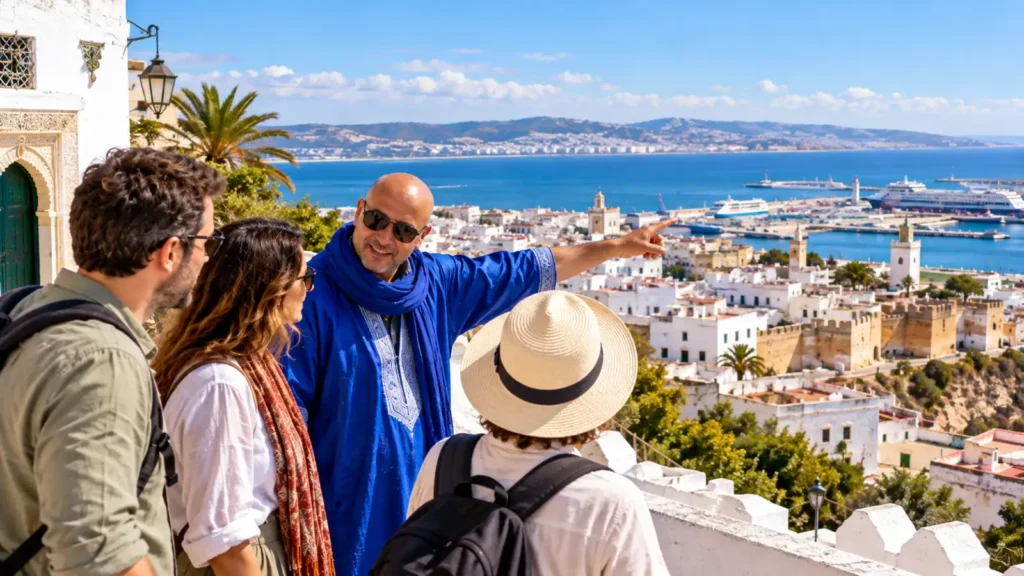
Unlicensed Guides in the Medinas
Unlicensed guides offer tours in crowded medinas, sometimes leading you in circles or demanding extra payment. Use only official guides with visible badges.
Overpriced Camel Rides
Some tours quote exorbitant prices for short camel rides. Negotiate clearly and agree on price and duration upfront.
Restaurant Bill Padding
Check your bill carefully. Sometimes extra items or mysterious “service charges” are added. Ask for an itemised bill.
Rental-Car Damage Scams
Solo Female Travel: Empowered & Aware
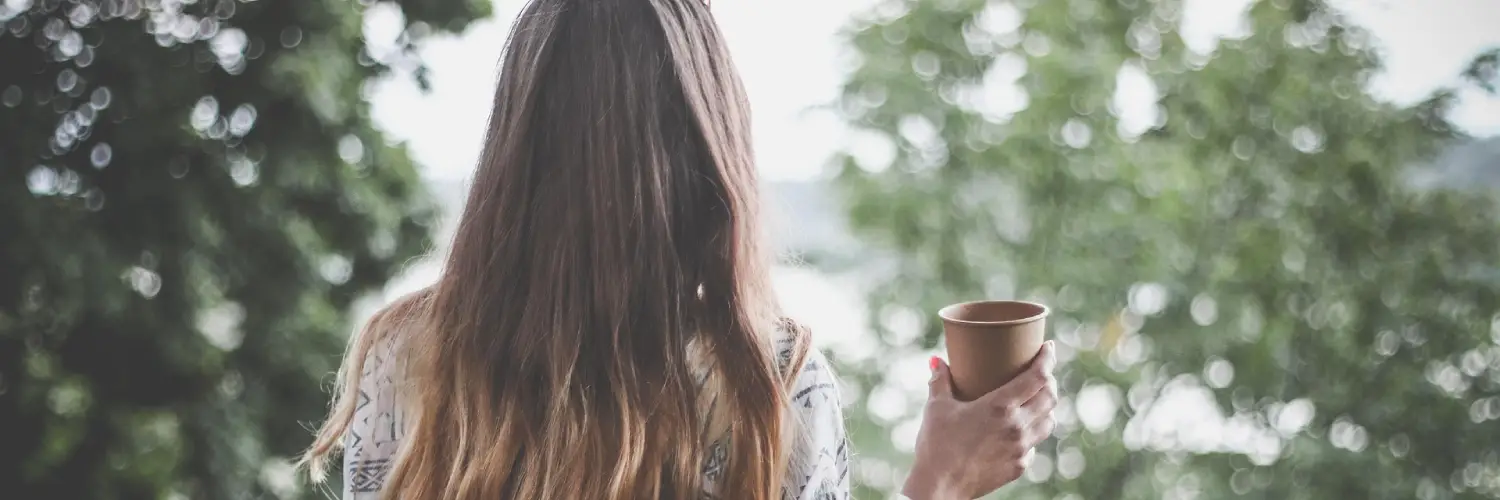
Travelling alone as a woman in Morocco can be rewarding, but it’s important to be prepared and stay aware.
- Walk confidently, keep directions ready on your phone and use a firm “La, shukran” (“No, thank you”) when you do not want attention. You do not owe strangers an explanation about your relationship status. If someone persists, move toward a busy café, hotel or shop and ask staff for help.
- Be thoughtful when picking where to stay. Riads recommended by other solo female travellers often feel safer and more welcoming.
Culinary Journey: Beyond the Tagine
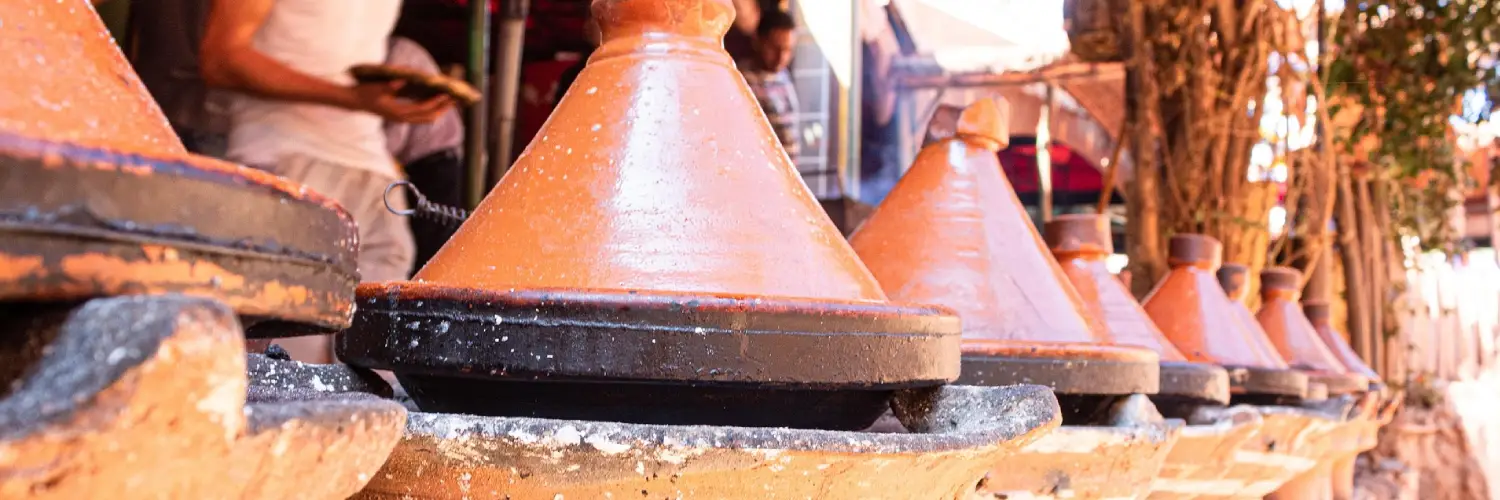
Moroccan food is full of flavour and variety, shaped by regional ingredients, seasonal produce and the tradition of sharing dishes. Friday couscous is a family custom connected to the weekly congregational prayer, when relatives often gather around one communal plate. It is a simple example of how food, family and hospitality are closely linked in Morocco.
Try street foods like Maakouda (potato fritters) in Rabat or Caliente (chickpea cake) in Tangier. If you enjoy seafood, buy fresh fish at the Moulay Bousselham market and grill it yourself instead of eating at a restaurant, and enjoy the flavours. It’s a country that rewards respect and curiosity. Follow these tailored Morocco travel tips to navigate its beauty safely and authentically.
To explore further, you might book a Moroccan Food Tour to try authentic flavours, or hire a private travel planner who focuses on unique, lesser-visited places.
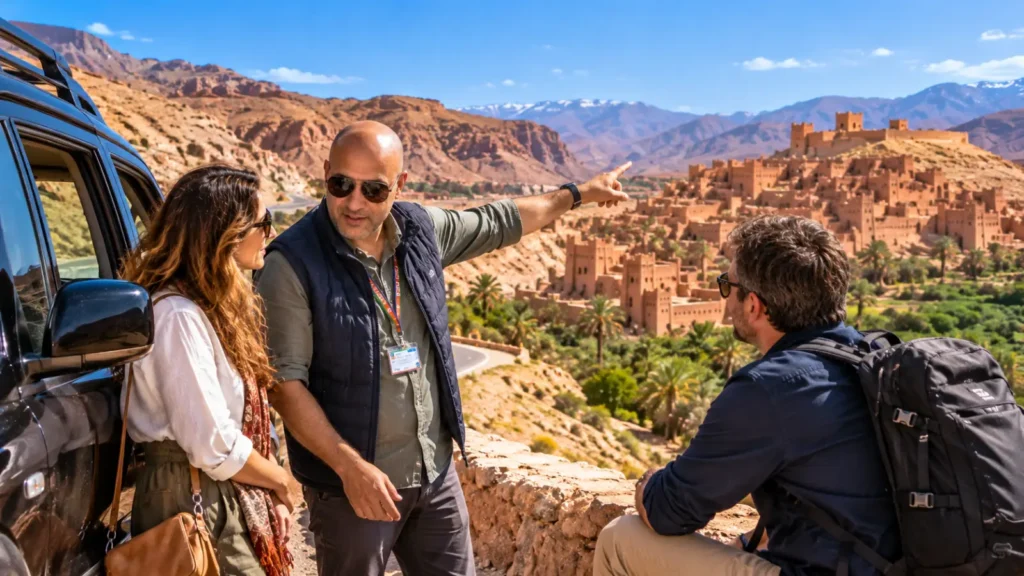
For anyone who wants the smoothest and safest start to their trip, I recommend beginning your journey with a private guided tour. When you explore with me, I take care of everything: transportation, logistics, navigation, and avoiding scams so your first days in Morocco are effortless and stress-free. Once you’ve settled in and understand how things work, you can confidently continue your adventure on your own, fully prepared to enjoy the country at its best.
Essential Darija Phrases
- Salam / Salam Alaykum — Hello / Peace be upon you
- Shukran — Thank you
- Mumkin taswira? — Can I take a picture?
- La shukran — No, thank you
- Bslama — Goodbye
Wondering if you need an adapter? Here’s exactly which travel adapter you need for Morocco.
Travel wisely, respect local customs, and Morocco will welcome you as family. See our Morocco Travel Guide! Safe travels!
Unfolding Morocco, One Story at a Time
Explore the heart of Morocco through its most loved destinations, from ancient medinas to peaceful coastal towns. Each city has its own rhythm, flavor, and unforgettable charm.