
May is one of the most rewarding months for combining Morocco’s cities, mountains, desert-edge landscapes and Atlantic coast—but it is no longer uniformly mild. Morocco in May brings rose harvests in the south, excellent Atlas trekking conditions and greener northern scenery, while Marrakech and the Sahara begin to demand more careful heat planning.
The key is to build your days around the sun. Start early in hot inland destinations, slow down in the middle of the day, and leave the desert for early May if possible. Travellers who want rose season, warmer beach weather or high-mountain walks will find May particularly appealing.
Table of Contents
Table of Contents
Is May a good time to visit Morocco?
Yes, visiting Morocco in May is a very good choice for travellers who want varied experiences in one trip. It is especially strong for:
- The Rose Valley harvest around Kelaat M’Gouna
- Trekking in the Atlas Mountains
- Marrakech, Fes and Meknes with sensible midday pacing
- Surfing and kitesurfing around Essaouira
- Beach time in Agadir before peak summer crowds
- Green northern landscapes around Chefchaouen, Tangier and Rabat
- Photography in valleys, palm groves and mountain areas
May is less suitable if you strongly dislike daytime temperatures above 30°C, want reliably warm Atlantic water, or plan to spend several active midday hours in the Sahara. The later the month, the more important those trade-offs become.
For a first itinerary covering Marrakech, Fes, the mountains and the desert, April is generally easier because temperatures are more moderate across the country. May becomes the better option if rose season, warmer late-spring conditions or higher-altitude trekking are priorities.
Morocco weather in May by region
Morocco’s weather in May varies greatly between the coast, northern hills, inland cities, the Atlas and the desert. Packing and itinerary pace should reflect the region rather than relying on one national forecast.
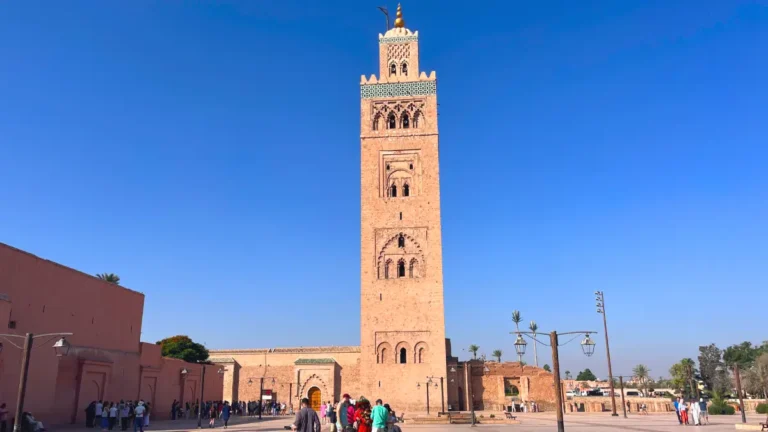
Marrakech in May: warm days and strong sun
In Marrakech in May, daytime temperatures are typically around 27–32°C, while nights can cool to roughly 14–17°C. The difference between early morning and mid-afternoon is noticeable, particularly in the medina, Jemaa el-Fna and open sites with little shade.
Strong sunshine can make prolonged outdoor sightseeing uncomfortable from late morning onward. A practical rhythm is:
- Visit major outdoor sights early in the morning.
- Take a slower lunch and rest during the hottest part of the day.
- Return outside later in the afternoon, when the light is also better for photography.
This does not mean Marrakech is too hot to enjoy in May. It simply rewards travellers who avoid trying to see everything between noon and mid-afternoon. For neighbourhood guidance and sightseeing ideas, see this Marrakech travel guide.
Fes, Meknes and Volubilis: warmer, drier and still walkable
Fes and Meknes are becoming warmer and drier by May. Expect cool mornings around 12°C and afternoons near 28°C, although conditions can vary.
The medinas remain enjoyable to explore on foot, but it is worth pacing yourself. Fes in particular can feel warm because of its dense lanes, slopes and the temptation to keep walking without a break.
A good way to balance a Fes itinerary is to include Meknes or Volubilis. These offer a more open-air contrast to a full day inside the Fes medina, though open archaeological areas can still be hot in direct afternoon sun.
Chefchaouen, Tangier and Rabat: greener and cooler
Northern Morocco is particularly attractive in May. Chefchaouen, Tangier and Rabat retain green landscapes after the spring rains, while temperatures are generally more comfortable than Marrakech and the interior south.
Tangier is normally noticeably cooler than Marrakech because of its coastal setting. This makes the north a useful choice for travellers who want city walks, scenic drives and café time without the stronger heat found farther inland.
May works well for combining the blue lanes of Chefchaouen with Tangier’s coastal atmosphere, Rabat’s calmer urban pace and the surrounding green hills.
Agadir and Essaouira: improving beach weather, different coastal experiences
Agadir usually offers appealing beach weather in May before the largest summer crowds arrive. The Atlantic is becoming more suitable for swimming, although the water can still feel cool rather than tropical.
Agadir’s sheltered bay is generally more comfortable for families and conventional beach days than windier parts of the Atlantic coast. It is the better choice if your priority is sitting on the beach, swimming when conditions allow and having warmer-feeling afternoons.
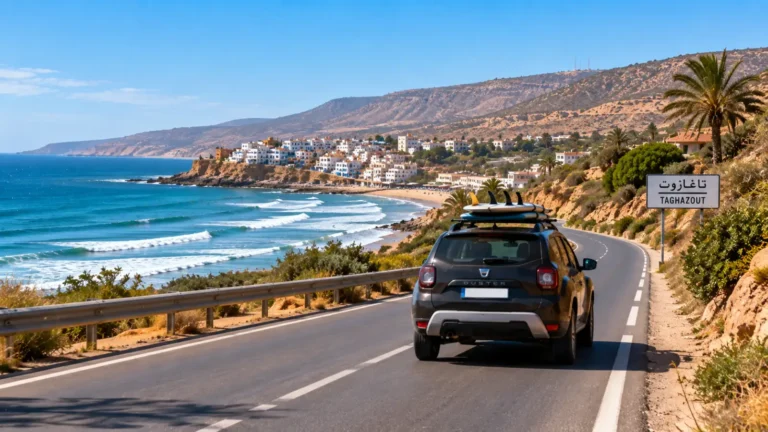
Essaouira is cooler and windier. Daytime temperatures are normally around 22–24°C, and Atlantic water temperatures remain cool at roughly 18–19°C. That wind is a benefit for surfers and kitesurfers, making May a strong month for active watersports.
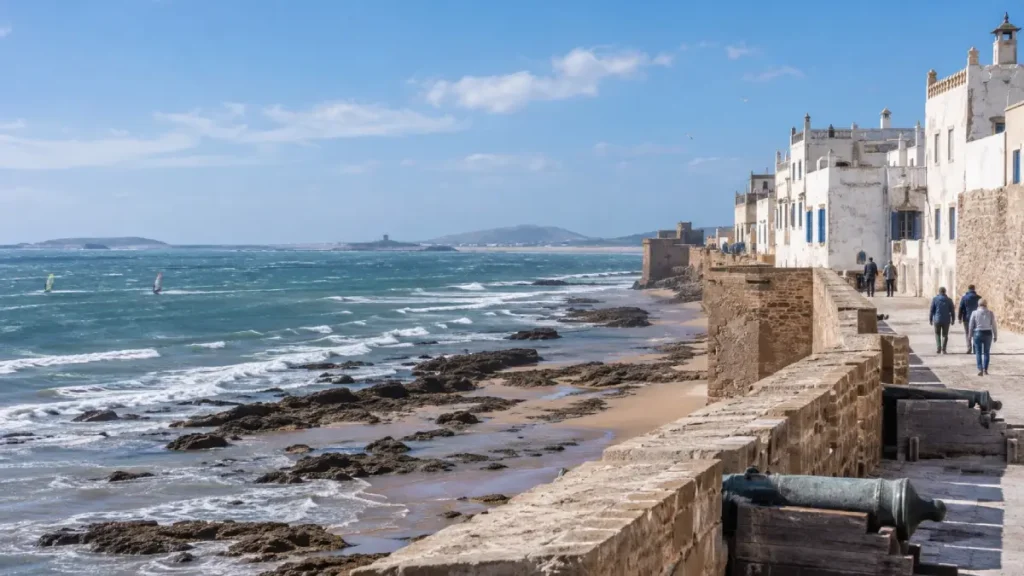
Travellers focused on calm sunbathing should lean toward Agadir. Travellers who enjoy surfing, kitesurfing, seafood, a compact medina and breezy evenings may prefer Essaouira.
Merzouga and Zagora: the last relatively comfortable stretch before summer heat
May marks the transition toward serious desert heat in Merzouga and Zagora. Midday temperatures can reach roughly 33–38°C, while nights remain much cooler, around 12–18°C.
Early May is preferable to late May for a Sahara itinerary. The desert is still possible later in the month, but the heat increasingly limits how much you can comfortably do outside.
Plan camel rides, dune walks and other exposed activities for early morning or late afternoon. Avoid unnecessary physical exertion during the hottest part of the day, drink water regularly and do not underestimate the sun simply because the evenings cool down.
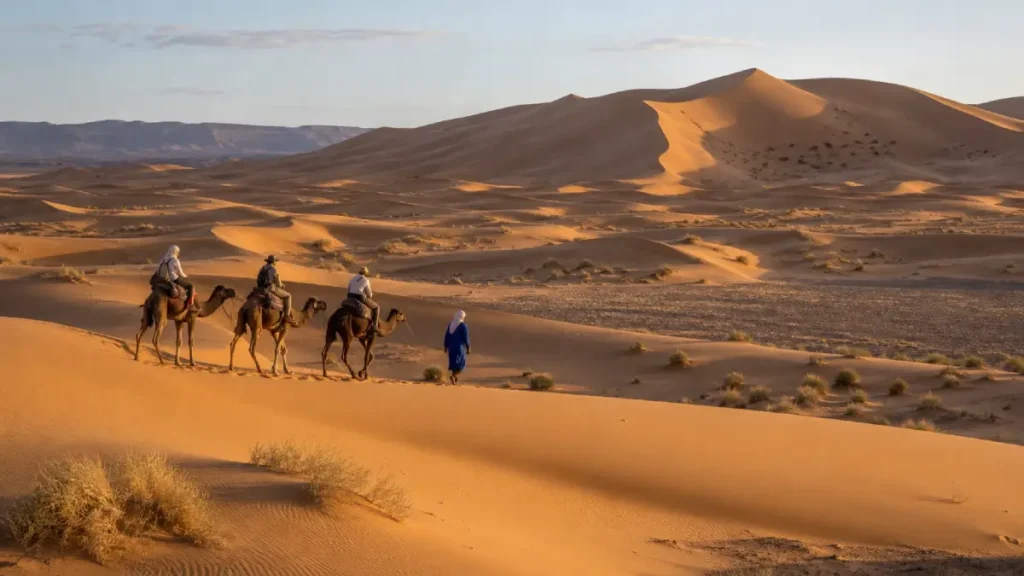
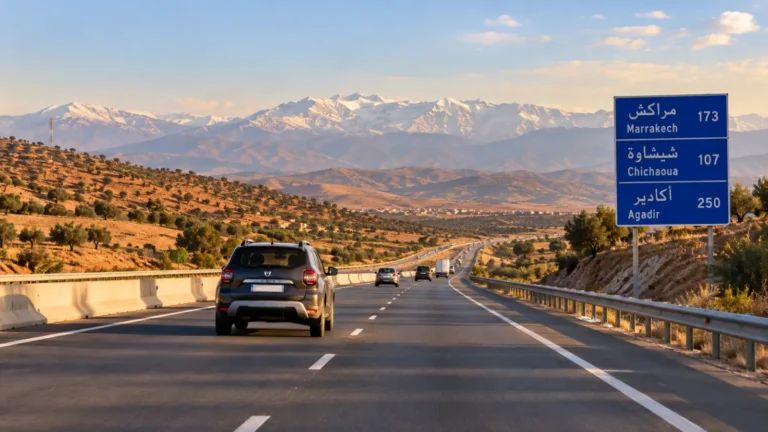
Travellers departing from Marrakech should also allow realistic driving time. Marrakech to the Dades region can require roughly 6–7 hours depending on the route, stops and road conditions. Mountain roads are winding and slower than map distances often suggest. Avoid an itinerary that combines a long transfer, a rushed stop in the Dades Valley and a desert activity on the same day. For route and tour considerations, see these Sahara desert tours from Marrakech.
Rose Valley in May: when to visit Kelaat M’Gouna
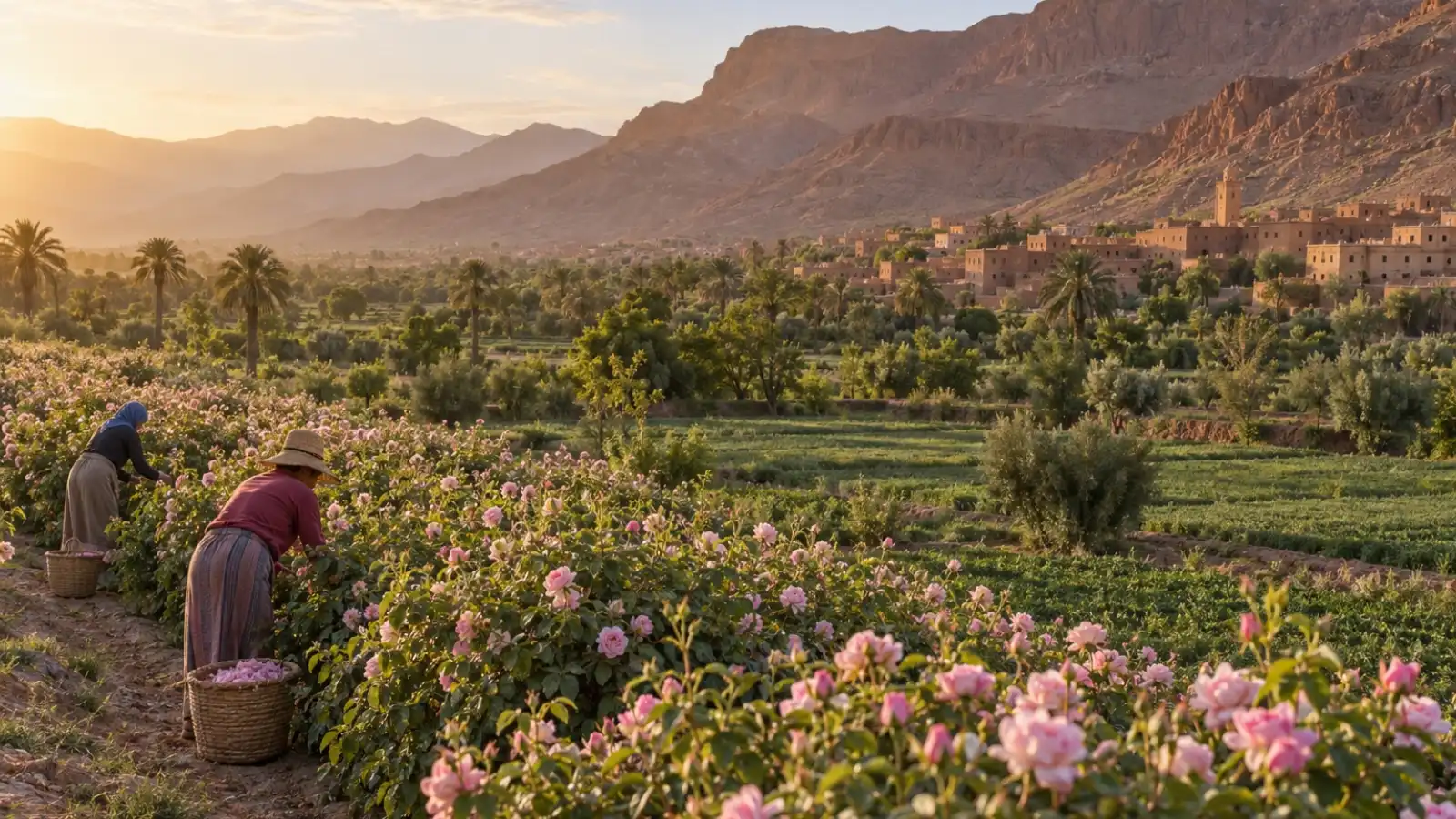
The Rose Valley around Kelaat M’Gouna is one of the most distinctive reasons to visit Morocco in May. Rose season usually falls between late April and May, but flowering and harvest dates change from year to year according to the weather.
During the active harvest period, travellers may see roses being collected early in the morning and can visit local cooperatives or distilleries where petals are processed into rose water and related products. The harvest can finish earlier or later, so confirm local conditions if roses are central to your trip.
Do not plan around a guaranteed flowering date. A warm or unusual season can move the harvest earlier or later.
The Rose Festival: lively but busy
The Rose Festival in Kelaat M’Gouna is a major local celebration, typically associated with parades, Amazigh music and dance, local products and the traditional Rose Queen celebration. It is an exciting time to be in the area, but it also attracts large crowds, adds traffic and can make accommodation around Kelaat M’Gouna difficult to find.
For travellers who want to see harvesting without the festival at its busiest, a useful strategy is to visit shortly before the main celebration where possible. This can offer a better chance of seeing active rose collection while avoiding the largest crowds and the most difficult accommodation situation.
Add Dades, Skoura or the Draa Valley to a Rose Valley route
May is also an excellent time to continue through the southern valleys. Dades, Skoura and the Draa Valley remain visually striking, with green agricultural land and palm groves contrasting against dry rock, wide valleys and desert landscapes.
These areas are best enjoyed at a slower pace. Long drives are part of the experience, but trying to cover every valley in one rushed route often means spending more time in the car than outside enjoying the scenery.
Is May good for Atlas Mountains trekking?
May is one of the strongest months for trekking in the Atlas Mountains. Around Imlil, streams can still be flowing strongly, wildflowers are visible and typical valley daytime temperatures may range from around 15–25°C.
Lower-elevation trails are generally easier than during winter, while cool evenings at altitude remain part of the experience. Bring proper walking footwear and warmer layers even if Marrakech feels hot when you leave.
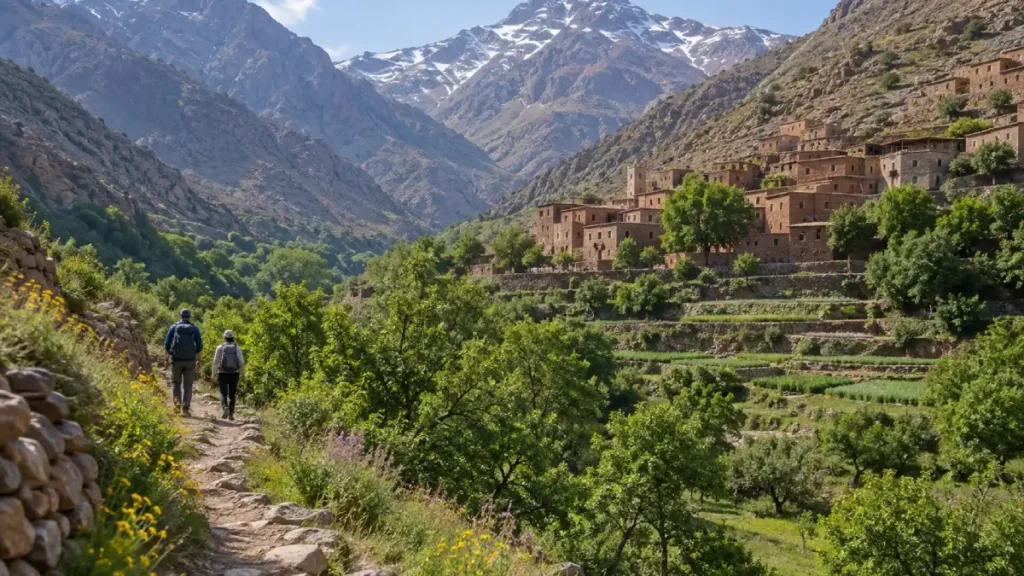
Snow can still remain on high summits such as Mount Toubkal. Conditions at altitude are not the same as conditions in Imlil village, and a clear-looking day in the valley does not guarantee an uncomplicated high route. High-altitude trekking may require technical equipment, relevant experience and a professional mountain guide; confirm current trail and safety conditions before setting out.
For planning routes, clothing and the practical difference between day walks and higher mountain trips, see this guide to trekking in Morocco’s Atlas Mountains.
Ouzoud Waterfalls are a cooler May day trip from Marrakech
Ouzoud Waterfalls can provide a welcome change from hotter inland sightseeing in May. Water flow varies with rainfall, so do not assume the falls will look the same every year; check recent conditions if water levels are important to your visit.
It is still worth leaving early. This gives you cooler walking conditions and more time to enjoy the falls before the middle of the day. The paths involve uneven ground and steps, so suitable footwear is more useful than sandals if you plan to walk below the main viewpoints.
Read the practical route options in this Marrakech to Ouzoud Falls day trip guide.
Crowds, holidays and booking strategy for May
May is a popular spring travel period. Marrakech, Fes, desert routes and major attractions can see strong demand, particularly around European holidays and special events. Accommodation and activities may operate at high-season pricing, though rates vary substantially by destination, room type and booking timing.
Book earlier if you have fixed dates for:
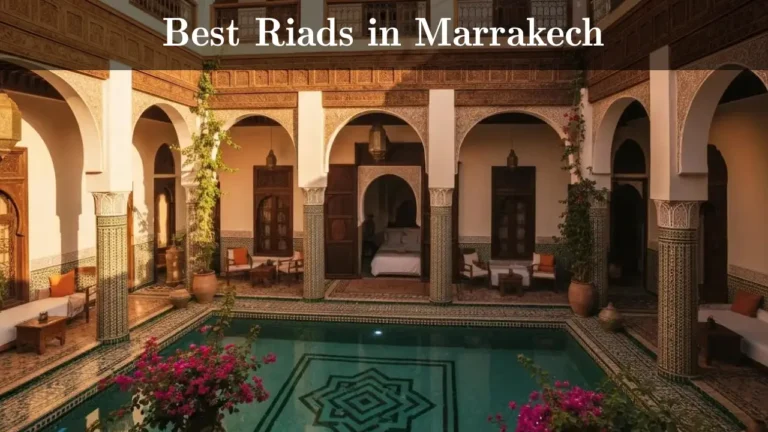
- Marrakech riads during busy weekends
- Rose Valley accommodation in early May
- Private desert tours and camps
- Atlas trekking logistics
- Popular coastal stays in Agadir or Essaouira
May 1 is Labour Day, an official public holiday in Morocco. Public offices and some businesses may close or change hours, while transport and visitor services vary, so check locally.
Religious holidays follow the lunar calendar, so their Gregorian dates change each year. If your May trip overlaps Eid al-Adha, expect possible changes to shop hours, restaurant availability and intercity transport demand. Confirm the official dates for your travel year.
What to pack for Morocco in May
A May packing list needs to cover warm city days, cool evenings, mountain conditions and coastal wind. Lightweight clothing alone is not enough if your trip includes the Atlas, Essaouira or the desert after sunset.
Bring:
- Strong sunscreen
- Sunglasses
- A wide-brimmed hat
- Breathable cotton or linen clothing for warm cities
- Loose, modest outfits for medinas and rural communities
- A light sweater or jacket for evenings
- Comfortable walking shoes for city streets and uneven paths
- Sturdy hiking footwear and warmer layers for the Atlas
- A wind-resistant outer layer for Essaouira
- A refillable water bottle for long sightseeing days and road trips
Modest clothing is practical in Morocco’s medinas and rural communities, where it can help visitors feel more comfortable and appropriately dressed. It is not a guaranteed way to prevent unwanted attention or touting; sensible awareness and a calm, direct approach remain important.
For a fuller checklist covering different regions, use this Morocco packing list.
How to build a sensible May itinerary
The best May itineraries balance climate rather than trying to cover every famous destination in one fast circuit.
Choose early May for a desert and Rose Valley route
Early May is the better part of the month for travellers who want Kelaat M’Gouna, Dades, Skoura, the Draa Valley, Zagora or Merzouga. You will still need heat-aware planning, but conditions are generally easier than later in the month.
Use the coast or mountains to break up hot city days
After Marrakech, consider heading to the Atlas, Ouzoud, Essaouira or Agadir rather than immediately adding another hot inland destination. This creates a more comfortable rhythm and gives you a different side of Morocco.
Keep driving days realistic
Major roads are generally straightforward, but Morocco is larger and slower to cross than many travellers expect. Mountain routes need extra time, and scenic valleys deserve stops rather than being treated as a road between two hotels.
A shorter itinerary with Marrakech, the Atlas and either the coast or the Rose Valley is often more satisfying than attempting Marrakech, Fes, Chefchaouen, the desert and Essaouira in a single week.
Who should choose Morocco in May?
May is particularly well suited to travellers who want Morocco beyond the standard city-and-desert itinerary: hikers, photographers, surfers, cultural travellers and anyone interested in the Rose Valley will find plenty to plan around.
Choose May if you are comfortable adapting your daily schedule to heat, especially in Marrakech and the desert. Choose March or April instead if cooler daytime sightseeing is your main priority. Choose later summer only if reliably hotter beach weather matters more than comfortable inland travel.
For many travellers, the best approach is simple: visit cities early and late in the day, reserve the middle hours for rest or indoor activities, and use May’s strengths—roses, green valleys, trekking trails and improving coastal weather—to shape the route.
FAQ
Is May a good time to visit Morocco?
Yes. May is excellent for Rose Valley visits, Atlas trekking, northern Morocco, surfing and mixed city-and-coast itineraries. It is warmer than April, however, so travellers should plan carefully for midday heat in Marrakech and the Sahara.
How hot is Marrakech in May?
Marrakech typically has daytime temperatures around 27–32°C in May, with nights around 14–17°C. Outdoor sightseeing is most comfortable early in the morning and again later in the afternoon
Can you visit the Sahara Desert in May?
Yes, especially in early May. Midday temperatures in Merzouga and Zagora can reach roughly 33–38°C, so camel rides, dune walks and similar activities should be scheduled early or late in the day.
When is rose season in Morocco?
Rose season around Kelaat M’Gouna usually falls between late April and May. Exact flowering and harvest timing depends on that year’s weather, so confirm local conditions before planning around the roses.
Is Essaouira warm enough for swimming in May?
Essaouira has pleasant daytime temperatures, normally around 22–24°C, but it remains windy and the Atlantic water is cool at roughly 18–19°C. It is better suited to surfing and kitesurfing than to warm-water swimming.