
2026 Morocco Festival Calendar: A Local Guide to a Year of Celebrations
If you think Morocco is a “once in a lifetime” trip, 2026 will try to prove you wrong.
Here, the year is not just months on a Morocco calendar 2026 – it’s a long chain of moussem, music, blossoms, and nights under the stars. From Sufi chants echoing off imperial walls in Fez to Gnaoua bass lines shaking the ramparts of Essaouira, festivals in Morocco 2026 turn the whole country into a moving stage.
I’ve been guiding for more than 20 years, and I can tell you: if you plan around the right events, your trip feels less like “sightseeing” and more like stepping into Morocco’s living traditions.
Quick Summary: Headline Festivals in Morocco 2026
Here’s the core of your 2026 Morocco Festival Calendar at a glance (projected windows)
- Gnaoua World Music Festival – Essaouira (Essaouira Guide)
– Dates (confirmed): 25–27 June 2026
– Vibe: “African Woodstock” on the Atlantic – free stages, all-night jam sessions, coastal wind full of hypnotic Gnaoua grooves.
– Projected: Late May–June 2026
– Vibe: Intimate sacred and world music in palaces and gardens, evening concerts at Bab Makina, quiet and contemplative rather than loud and commercial.
- Rose Festival – Kelaat M’Gouna (Dades Valley)
– Projected: Early May 2026 (likely around 3–10 May)
– Vibe: Whole valley smells of roses, harvest parades, “Miss Rose” pageant, local music and dance.
- Mawazine Festival – Rabat
– Projected: June 2026
– Vibe: Huge Morocco music festival 2026 for global pop, rock, and local stars; modern production, stadium crowds.
- Imilchil Marriage Moussem – High Atlas
– Projected: September 2026
– Vibe: A serious, deeply local moussem – engagement fair, tribal gathering, trading and storytelling at 2200+ m in the mountains, not a tourist “show”.
All dates except Gnaoua Festival 2026 dates (25–27 June) are based on previous years and harvest cycles – exact schedules are usually confirmed a few months ahead.
Why 2026 Is the Year to Experience Morocco’s Living Traditions
If you follow the news you’ll hear a lot about Morocco 2026 in the context of football – the World Cup bid, Morocco 2026 stadiums, infrastructure, Morocco 2026 World Cup infrastructure. I see something else happening on the ground: better roads, more domestic travel, and stronger support for cultural events.
For travelers, that means:
- More choice of festivals, from big Morocco Music Festivals 2026 to tiny village moussems.
- Better access to remote places like Imilchil, M’Hamid and Tan Tan – if you plan and book smartly.
- And yes, more crowds in the classic spots. You can still escape them, but not by improvising in high season.
In this guide I’ll walk you through:
- The “Big Four” cultural highlights.
- A month‑by‑month 2026 Morocco festival calendar.
- The real‑life logistics: booking, transport, weather, and etiquette.
- How to match festivals with routes – so you’re not just ticking dates, but building a journey.
The “Big Four”: Morocco’s Most Iconic Cultural Spectacles
Rose Festival – Kelaat M’Gouna (Early May 2026)
If you arrive in the Dades Valley in early May, it hits you before you see anything: that sweet, slightly wild fragrance of Damascus roses in the cool morning air. It’s like the whole valley has put on perfume.
During the Rose Festival:
– The usually sleepy Kelaat M’Gouna turns into a small carnival.
– Floats decorated with pink petals roll through town.
– There’s a “Miss Rose” pageant – half beauty contest, half local pride.
– Traditional Ahidous dance and music go late into the night.
Estimated 2026 window: Early May, probably around 3–10 May (exact dates depend on the harvest).
Costs & logistics (realistic):
– From Marrakech to Kelaat M’Gouna:
- ~330 km, but 5–6 hours because the N9 and mountain roads are winding.
- Many of my guests stay in Ouarzazate as a base (1.5–2 hours away) and do a day trip or overnight to Kelaat.
- For a comfortable experience during the festival – decent guesthouse + meals – I usually tell people to think in the range of €100–150 per person per day once you include a private driver and normal midrange lodging.
Local tip: This is still a working agricultural event. People are celebrating a good harvest, not staging a show for Instagram. Ask before portraits, buy something small from local cooperatives, don’t treat the parade as a fashion shoot.
Fes Festival of World Sacred Music (Late May–June 2026)
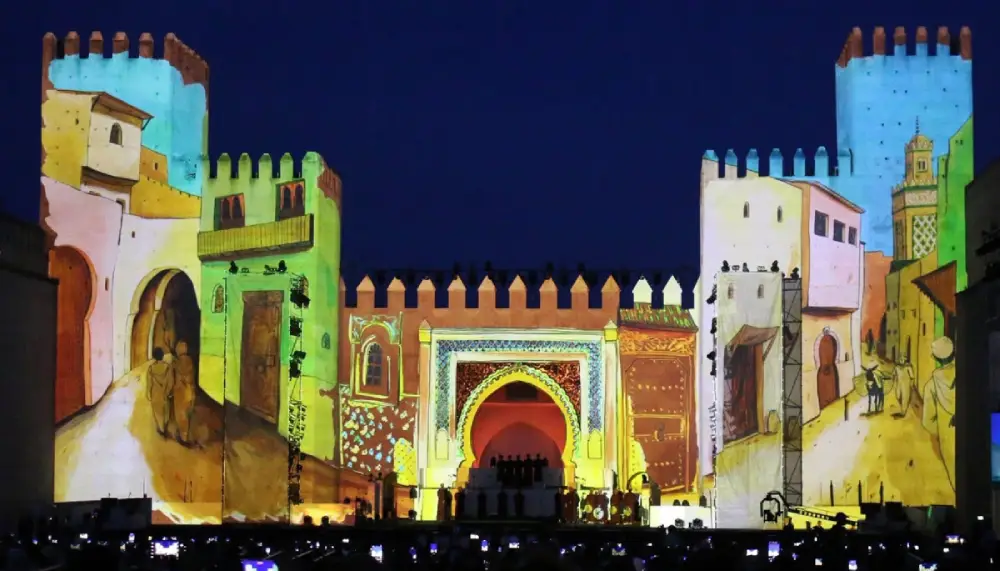
A lot of festivals are about volume. Fes is about attention.
At Bab Makina, near the Royal Palace, you sit under the open sky as the light fades and the first notes float out. At the beginning, the crowd is almost silent – people lean forward, listening. Then the music builds, fills the old stone, and suddenly you’re in one of the most beautiful “concert halls” in the world.
Expect:
- Evening concerts at Bab Makina – these are the headline events.
- More intimate daytime performances and talks in Batha Museum, Jnan Sbil gardens, riads, and small palaces.
- Late‑night Sufi Nights where the energy shifts from contemplative to ecstatic.
Estimated 2026 window: Late May or June (exact dates announced closer to time).
Tickets (very important):
- Bab Makina nights: Book online months in advance. These sell out – especially weekends.
- Daytime / small venues: Often easier to get once you’re in town.
- A lot of visitors make the mistake of “waiting to decide when we arrive”. For 2026, that’s how you miss the best nights.
How to build it into a route:
- Combine with Meknes & Volubilis, then north to Chefchaouen, or
- Head south via Midelt – Erfoud – Merzouga to the Sahara and loop back to Marrakech.
Read More: How to survive the crowds at the Fes Festival of World Sacred
Gnaoua World Music Festival – Essaouira (25–27 June 2026, Confirmed)
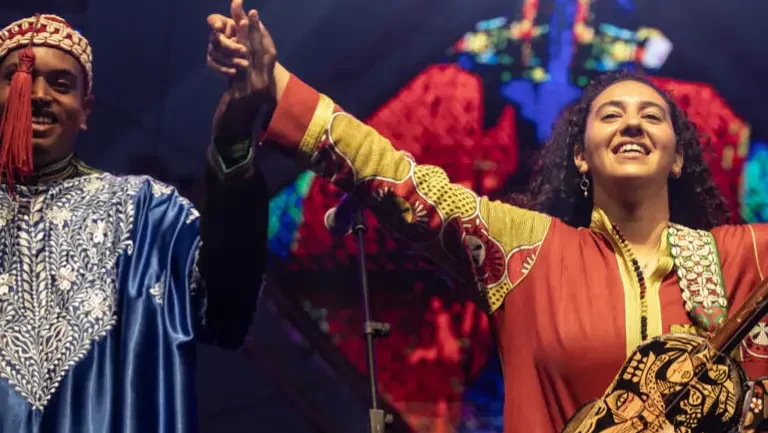
This one has a fixed place in your 2026 Morocco Festival Calendar:
- Gnaoua Festival 2026 dates: 25–27 June 2026 (confirmed). Official Essaouira tourism board
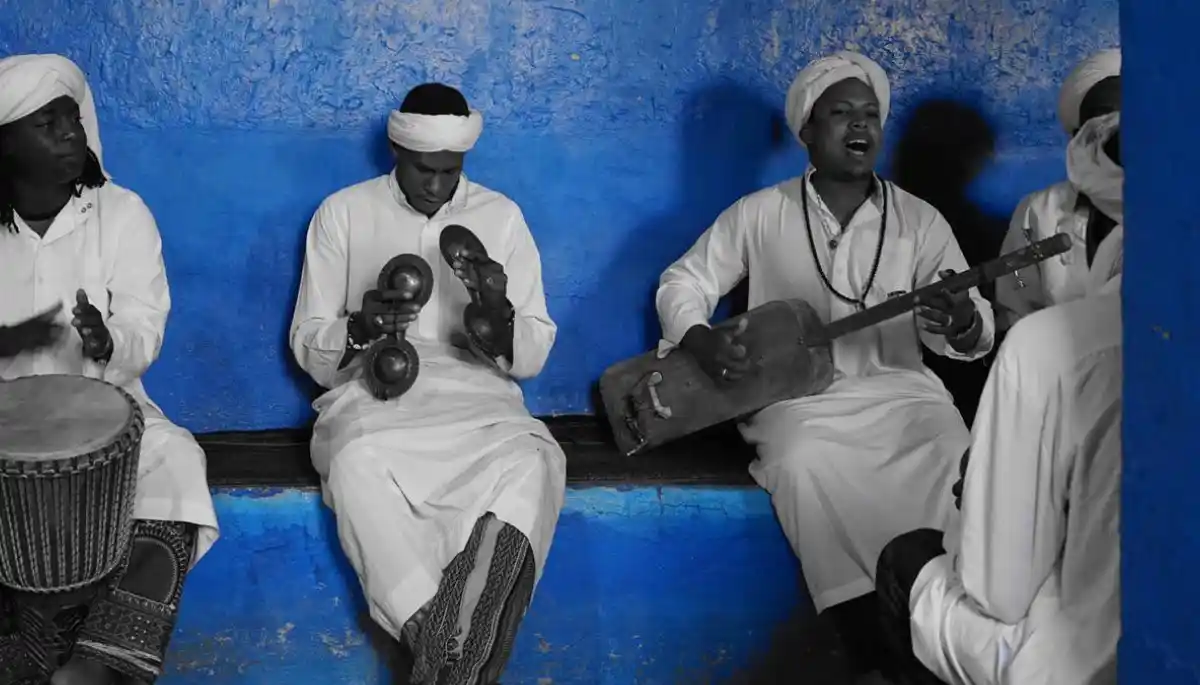
Essaouira calls it a festival; many of us call it the “African Woodstock”. Gnaoua music itself comes from Sub‑Saharan spiritual traditions – heavy bass, metal castanets (qraqeb), call‑and‑response, trance rhythms. During the festival, those sounds collide with jazz, rock, and global acts.
What it feels like on the ground:
- The medina and beach stages are packed. The city almost physically “creaks under the strain”.
- On the beach, you’ll get that strange mix: Atlantic wind, a bit of sand in your hair, and deep, rolling bass lines coming from two directions at once – real “sound bleed”.
- You drift between free concerts, then end up squeezed into a late‑night Gnaoua jam in a small venue you never noticed in daylight.
Accommodation reality in 2026:
- Book 9–12 months in advance if you want a riad in the medina.
- Prices easily triple during festival days.
- When it’s full, I place guests in:
- Nearby villages like Ghazoua or Sidi Kaouki, or
- Simple places just outside the walls and shuttle in.
Approximate festival‑period budgets per room, per night:
- Basic room, very simple, shared bathroom: from €80–120 (if you booked early).
- Comfortable midrange riad in the medina: €150–250+ quickly.
- Last‑minute “anything you can find”: whatever the owner feels like asking – don’t rely on this.
Do not treat Essaouira as a day trip for Gnaoua.
- Marrakech–Essaouira: at least 3 hours each way without traffic.
- The best atmosphere is after dark. Leaving at 23:00 to drive back is not smart or safe.
- If you only have one night, sleep there, even if it means a simpler place or a nearby village.
For a deeper dive into the history of the music, see my full Gnaoua World Music Festival guide
Imilchil Marriage Moussem – High Atlas (September 2026)
Imilchil is the festival that is most misunderstood online – and the one that changes guests the most.
You might have read about a “mass wedding market” in the mountains. That’s not what’s happening.
It’s officially the Moussem des Fiançailles – an engagement moussem, not a public wedding ceremony. Historically it’s:
- A gathering of remote Ait Haddidou and neighboring tribes at the end of summer.
- A chance to trade, buy animals and goods, and prepare for winter.
- One of the rare moments when young men and women from scattered villages can meet, talk, and choose partners with family blessings.
- Engagements are made or acknowledged; the actual weddings happen later, at home.
All of this is wrapped in the legend of Isli and Tislit, two lovers from rival tribes whose tears formed the twin lakes above Imilchil – but on the ground, it’s a very practical, community‑first event.
What to really expect:
- Dusty fairgrounds, tents, sheep, mules, barbers, dentists, spice sellers.
- People in their best High Atlas clothes; elders watching with that quiet authority of the mountains.
- A few tourists – but you’ll feel like you’re stepping into someone else’s family gathering.
Logistics & comfort level:
- Altitude is high and nights are bitterly cold in September – I wear a jacket at night even when Marrakech is still hot.
- 4×4 is essential from a safety and comfort point of view; roads are long, occasionally rough, and you’re far from big hospitals.
- Accommodation is basic: camping, simple guesthouses, very simple homestays. No luxury tents here.
For my guests, the biggest part of the budget is usually private 4×4 transport + driver over multiple days. This needs to be arranged well in advance, especially in 2026 as more domestic visitors head there.
Morocco’s festivals follow three calendars at once: solar (tourism seasons), agricultural harvests, and the Islamic lunar calendar. Here’s how festivals in Morocco 2026 line up, roughly.
2026 Seasonal Calendar & Niche Events (Month‑by‑Month)
Morocco’s festivals follow three calendars at once: solar (tourism seasons), agricultural harvests, and the Islamic lunar calendar. Here’s how festivals in Morocco 2026 line up, roughly.A lot of people ask me for a “fez festival of world sacred music 2026 schedule pdf” or a printable Fes festival of world sacred music 2026 tickets price list. The exact details come closer to the dates, but the logic stays the same.
Winter (December–February 2026)
- Marrakech International Film Festival (Marrakech – usually December) Imagine a glitzy red carpet and international stars just a short walk from the smoke and drums of Jemaa el‑Fnaa. There are often free outdoor screenings on big screens – a nice way to end a medina day.
- Tan Tan Moussem (Tan Tan – often December) A deep‑south moussem bringing together 30+ Saharan and nomadic tribes:
- Fantasia (horseback charge reenactments).
- Camel caravans, poetry, traditional music, and tribal tents.
- Definitely more for repeat visitors or culture enthusiasts than first‑timers:
- The drive is very long.
- Private 4×4 with driver is essential for this region.
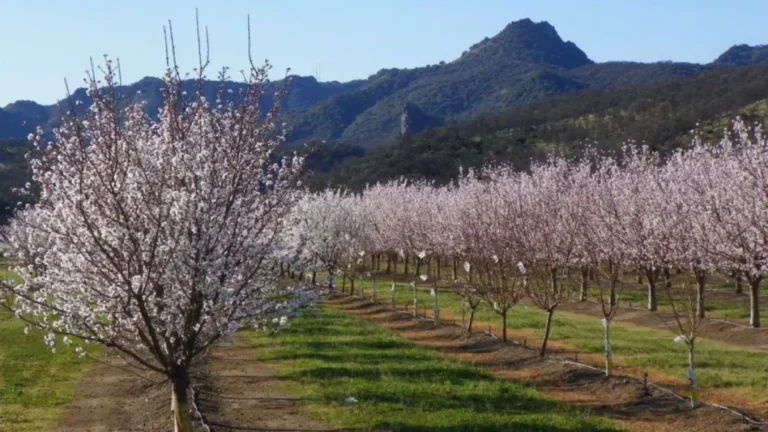
- Almond Blossom Festival – Tafraoute (Anti‑Atlas – usually Jan–Feb) Picture the Anti‑Atlas at dusk: rocks glowing red, and a whole valley painted in pink and white blossoms. There are local performances and markets, but the real show is nature.
- This is one people look for under “almond blossom festival Morocco 2026” – expect it around late January to February.
Spring (March–May 2026)
This is when your 2026 Morocco festival calendar January–May really comes alive.
- International Nomad Festival – M’Hamid el Ghizlane (March)
- Free, open‑air festival at the edge of the Sahara.
- I love the poetry readings and storytelling under the stars – it feels like an old caravan has stopped for the night.
- Workshops on nomadic sustainability, desert agriculture, and crafts.
- Around it you’ll find luxury desert camps selling packages, but the heart of the event is still open to everyone.
- Marathon des Sables – Sahara (April)
- Around 250 km in 6 days across the desert – called “the toughest foot race on Earth”.
- For 99% of travelers, this is an event to observe, not join on a whim.
- Many family members and supporters use it as a reason to visit Ouarzazate and nearby oases, then add a few days in the Sahara.
- Festival of Sufi Culture – Fez (often April)
- More intimate than the big Fes Sacred Music Festival; focused on Sufi philosophy, music, and art.
- Rose Festival – Kelaat M’Gouna (early May – see above)
- Rural festivals in the south (various dates in May) Smaller, local moussems for barley, wheat and other crops. Not marketed internationally but very rewarding with a guide.
Summer (June–August 2026)
Expect heat inland, cooler on the coasts.
- Fes Festival of World Sacred Music – Fez (late May–June) (See Big Four section.)
- Cherry Festival – Sefrou (June) Harvest celebration with parades, markets, and a “Cherry Queen”. Works well as a day trip from Fez.
- Mawazine – Rhythms of the World (Rabat – June)
A major pillar of Morocco Music Festivals 2026:
- International pop, rock, hip‑hop, plus Moroccan and other Arab artists.
- Multiple stages, huge crowds, lots of free shows.
- Good choice if you like festivals that feel closer to a European mega‑concert than a traditional moussem.
- Gnaoua World Music Festival – Essaouira (25–27 June 2026) (See Big Four.)
- Marrakech Festival of Popular Arts (Marrakech – typically July) Street theatre, music, acrobats, and performances spilling into Jemaa el‑Fnaa.
- It feels like the square has been turned up a notch – more of everything you normally see there.
- Fantastic for families: lots to see, no tickets, easy to come and go.
- Assilah Arts Festival (Assilah – usually July/August) The white‑washed medina gets repainted with huge murals from Moroccan and international artists each year. Calm coastal vibe with a creative edge.
- Moussems in August (various) Many local moussems happen in August, often tied to saints or harvests. This is where you feel cultural moussems in Morocco are still more important for locals than for tourists.
Autumn (September–November 2026)
A very good time to combine cultural moussems with milder weather.
- Imilchil Marriage Moussem – High Atlas (September) (See Big Four.)
- TANJazz – Tangier (September) Jazz festival in a city that has always attracted artists and misfits:
- Stages in historic venues and public squares.
- Perfect if you want music but milder crowds than Mawazine or Gnaoua.
- Erfoud Date Festival – Erfoud (October) When people ask about “agricultural festivals in Morocco 2026”, this is one of the best:
- Celebrates the date harvest: more than 100 varieties from the Ziz and Tafilalt oases.
- There’s a “Date Queen” crowning, parades, and souqs heavy with fresh dates and palm‑products.
- Easy to combine with a Merzouga / Erg Chebbi Sahara trip.
- Saffron Festival – Taliouine (October–November) Tiny purple flowers in the fields, and deep red threads in the souqs:
- Visit co‑ops, watch simple processing of saffron, learn how locals protect this fragile crop.
- Best visited with private transport; public options are limited.
- Olive and argan harvests (various) In November, around Taroudannt and Essaouira, you see olive and argan work everywhere – often more authentic than any formal festival.
Insider Logistics: How to Actually Attend These Festivals
You can’t just look at the Morocco 2026 events and randomly drop pins on a map. Distances are longer than they look, school holidays in Morocco 2026 mean busy domestic periods, and festival dates can slip a week either way.
Booking Strategy
For the big international events:
- Gnaoua (Essaouira) & Fes Sacred Music (Fez):
- Book accommodation 9–12 months in advance if you care about location and comfort.
- For Gnaoua, medina riads go first, then everything else.
- For Fes, Bab Boujloud area and medina riads near main venues sell out sooner.
For smaller agricultural and religious festivals:
- Rose Festival, Erfoud Date Festival, Saffron Festival, International Nomad Festival:
- 3–6 months ahead is usually fine for midrange.
- Still, 2026 will be busier; earlier never hurts, especially for limited guesthouses.
Transport: When You Really Need a 4×4 & Driver
I live in Marrakech and I always tell guests the same thing:
- A private 4×4 with driver is strongly recommended for:
- Imilchil Moussem
- Tan Tan Moussem
- M’Hamid / International Nomad Festival
- Deep south circuits around Erg Chigaga, remote Anti‑Atlas routes, and some oasis valleys.
Why?
- Mountain passes can change quickly with weather.
- In the desert, you want someone who knows the real driving reality – soft sand, distances between fuel stops, where to avoid at night.
- Phone signal isn’t guaranteed, and breakdowns are not fun at 2am on an Atlas road.
For 2026, I’d suggest guests think in terms of:
- ~€100–150 per person per day for a comfortable private‑tour setup on rural festival circuits.
- (driver, fuel, midrange lodging, and normal meals). Exact numbers depend on route and group size, but this is the right mental ballpark.
Moussem vs Festival: What’s the Difference?
Understanding this will help you move respectfully:
- Festival (often urban, like Mawazine or Gnaoua):
- Program, stages, marketing, often sponsors.
- Clear schedule, big sound systems, sometimes tickets, often lots of tourists.
- Moussem:
- A pilgrimage or community gathering, usually with:
- Religious aspect (saint’s mausoleum, blessings).
- Economic role (market, trade fair).
- Social role (families reunite, arrange marriages, settle disputes).
- A pilgrimage or community gathering, usually with:
- Think of Imilchil, Tan Tan, Erfoud, or rural almond and rose festivals as moussems first, “festivals” second.
When you visit a moussem, you’re entering someone’s annual family reunion and spiritual calendar, not just a show put on for visitors.
Respectful Travel: Etiquette for the Culturally Curious
Photography & Behavior
Always ask before taking close‑up portraits, especially in rural areas.
- I tell my guests: “You’re here as a guest, not a spectator.”
- If someone says no, accept it with a smile.
- If someone says yes, show them the photo; it builds connection.
- Around military or sensitive southern zones (e.g., Tan Tan), no drones and be cautious even with normal cameras. Get explicit permission if in doubt.
Dress Code
For coastal / urban festivals (Gnaoua, Mawazine, TANJazz, Marrakech Film Festival):
- “Simple and respectful” is the rule.
- T‑shirts, light long trousers or skirts, comfortable shoes.
- You don’t need to be covered head‑to‑toe, but it’s not a beach club either.
For rural moussems (Imilchil, Tan Tan, Rose Festival, Saffron, Date Festival):
Modest clothing and layers:
- Shoulders and knees covered.
- No transparent fabrics.
- A warm jacket or fleece – especially in Imilchil and any High Atlas event, evenings get cold even in September.
You’ll see that people in these regions have strong dignity and pride. Matching their tone with your clothing is the simplest sign of respect.
Food, Alcohol & Ramadan
– At many religious or small‑town events, alcohol is not available or is very low‑profile.
- I recommend avoiding public consumption altogether in these contexts.
Morocco Eid al‑Fitr 2026 and Ramadan will likely fall around mid‑February to mid‑March (check final dates closer to travel; they shift with the lunar calendar). Check the Lunar Calendar converter.
- You can travel and even attend events during Ramadan.
- Expect:
- Restaurants in smaller towns to be quieter or closed in daytime.
- Streets to really come alive after iftar (breaking the fast).
- Almost no alcohol on offer, even in big cities.
FAQ – 2026 Morocco Festival Calendar
Is the Imilchil Marriage Festival still authentic?
Yes. The Imilchil Marriage Moussem is still a living, local gathering – not a made‑for‑tourists show. You’ll see real trading, real family negotiations, and real engagements being arranged. Tourism has arrived, of course, but the core purpose – a tribal, economic, and social meeting at the end of summer – is very much intact.
Can I attend festivals during Ramadan?
You can, but the rhythm is different. During Ramadan many cafés and restaurants in smaller towns close in the daytime, and alcohol becomes scarce or disappears completely. Streets may feel quiet in the afternoon, then suddenly come alive after iftar, when families go out, sweet shops fill up, and late‑night social life takes over. If you’re interested in religious life and night‑time atmosphere, Ramadan can actually be a fascinating time to come.
Which festival is best for families?
For most families, I usually recommend:
- Rose Festival (Kelaat M’Gouna) – colourful parades, lots of daytime activity, easy to step in and out.
- Marrakech Popular Arts Festival – in and around Jemaa el‑Fnaa, so you can mix shows with ice cream, carriage rides, and pool time.
- Gnaoua (Essaouira) can also work for older kids and teens who enjoy music and crowds, as long as you’re ready for late nights and busy streets.
Rural moussems like Imilchil are wonderful for curious families, but you need to be comfortable with basic accommodation and long travel days.
What should I wear to a Moroccan festival?
Think simple, modest, and practical:
- Cover shoulders and knees, especially at moussems and anything linked to a saint, a shrine, or a rural community.
- Bring layers even in summer for:
- High Atlas evenings (Imilchil, mountain areas).
- Coastal nights in Essaouira, where the wind can be surprisingly fresh.
- Good closed shoes or sandals you can stand in for hours – dusty grounds, cobblestones, and crowded squares are not made for delicate footwear.
You don’t need formal clothes, but you should look like you’re attending someone’s important community event, not a beach club.
Do I need tickets for Morocco’s 2026 festivals?
It depends:
Ticketed events:
- Fes Festival of World Sacred Music – especially Bab Makina nights.
- Some seated concerts at Mawazine and a few Gnaoua indoor or special collaborations.
Mostly free events:
- Street shows at Gnaoua (beach and medina stages).
- Marrakech Popular Arts Festival around Jemaa el‑Fnaa.
- International Nomad Festival, most rural moussems (Imilchil, Erfoud, Rose, Saffron), where you pay for food and activities, not for entry.
For 2026, buy anything you absolutely don’t want to miss well in advance – particularly Bab Makina in Fez and top Mawazine nights.
How far ahead should I plan my 2026 festival trip?
For big‑name events in a busy year like Morocco 2026:
9–12 months ahead for:
- Gnaoua (Essaouira medina stays).
- Fes Sacred Music (good riads near venues).
- Complex routes that mix several events (e.g., Fez + Chefchaouen + Sahara + Imilchil).
3–6 months ahead for:
- Agricultural festivals (Rose, Dates, Saffron) with midrange lodging.
- M’Hamid Nomad Festival, TANJazz, Marrakech Popular Arts.
For simple city breaks around Mawazine or Marrakech Film Festival you can often be more flexible, but the earlier you move, the better your choices.
Is it realistic to combine the Sahara and festivals in one trip?
Absolutely – in fact, that’s how I often design itineraries now. For example:
- Fes Festival + Middle Atlas + Merzouga (Erg Chebbi) + Dades / Rose Valley + Marrakech in 10–12 days.
- International Nomad Festival (M’Hamid) + Erg Chigaga + Anti‑Atlas (Tafraoute or Taliouine) + Atlantic Coast in 10–14 days.
The key is not to underestimate driving times. A route that looks “short” on Google Maps can still be 5–6 hours in the Moroccan mountains.
Conclusion: How to Build Your 2026 Morocco Festival Itinerary
To use this 2026 Morocco Festival Calendar well, don’t just pick events; think in routes:
- Love sacred and world music?
- Anchor your trip on the Fes Festival of World Sacred Music 2026 schedule,
- Then add Chefchaouen and a few nights in the Sahara for balance.
More into big stages and nightlife?
- Build around Gnaoua (25–27 June 2026) and Mawazine in Rabat,
- Add time in Marrakech and Essaouira’s quieter days before or after.
Curious about traditional life and agricultural moussems?
- Combine Rose Festival (early May) with the Dades / Todra Gorges,
- Or link Erfoud Date Festival (October) and the Saffron Festival in Taliouine with a loop through the south.
If you want help turning these dates into a realistic, comfortable route – with the right 4×4, the right pacing, and the right balance between festivals and quiet days – that’s exactly what I do.
I’m based in Marrakech and I run Morkosh Tours, specializing in private guided tours in Morocco:
- We can build a custom 2026 itinerary around:
- Gnaoua, Fes Sacred Music, Mawazine, or the Marrakech Film Festival.
- Rural moussems like Imilchil, Tan Tan, and the Rose or Date Festivals.
- Or simply the best weather windows for the Sahara and the Atlas.
If you already have dates in mind – or just a festival you don’t want to miss – contact me through Morkosh Tours, tell me which events caught your eye, and we’ll design a trip that feels less like a schedule and more like a story you’re stepping into.
Written by Youness Labchir
Licensed Morocco Tour Guide