
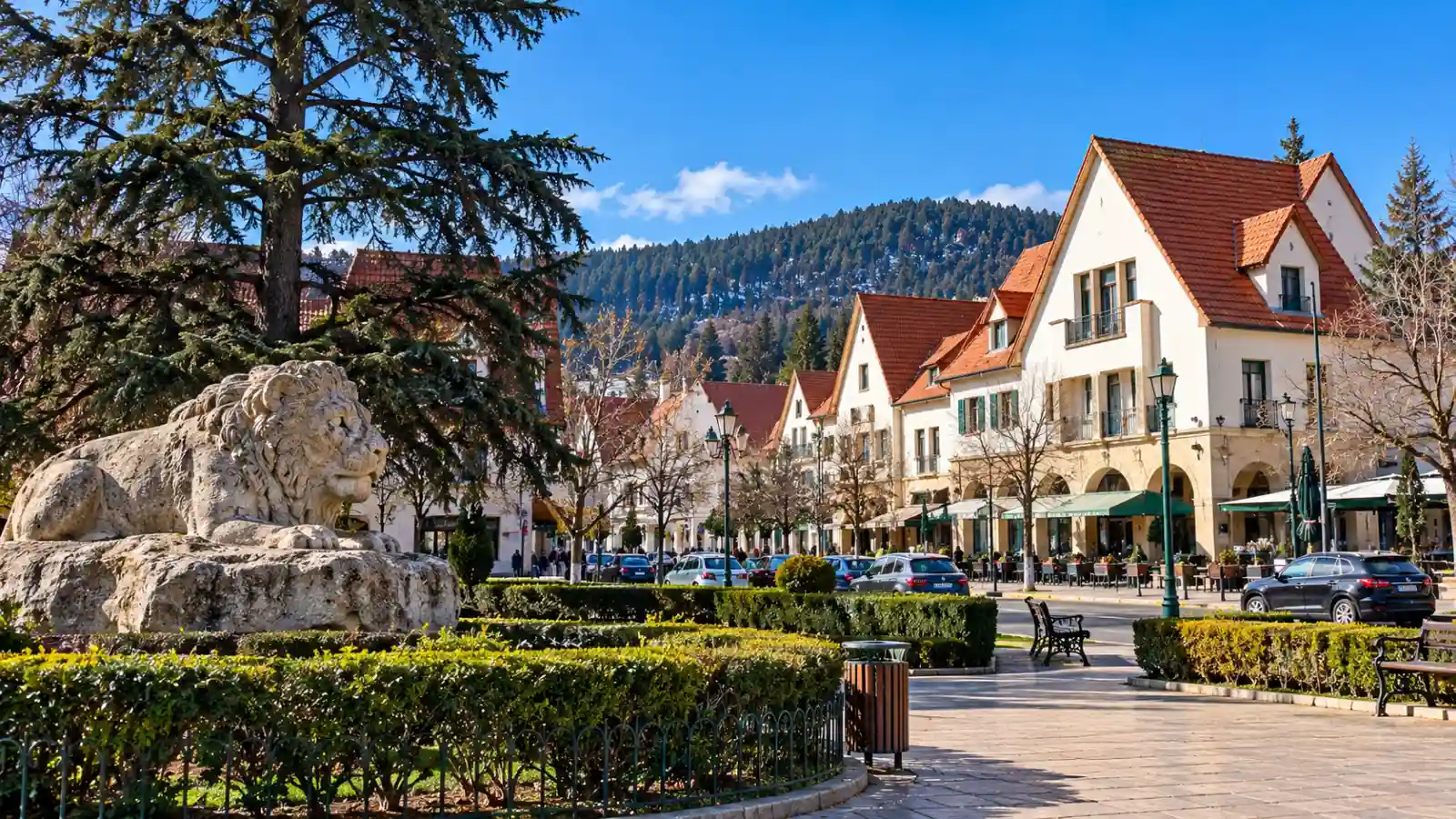
Ifrane, Morocco, is one of the country’s most surprising mountain destinations. At around 1,650 metres in the Middle Atlas Mountains, it feels far removed from the medinas of Fes or Marrakech: steep red-tiled roofs, stone chalets, broad streets, green parks and, in winter, the possibility of snow. This Ifrane travel guide explains what to see and how to explore the countryside responsibly.
Often called the “Switzerland of Morocco,” Ifrane is worth visiting if you want cooler air, easy town walks and access to cedar forests, lakes and mountain scenery. For most first-time visitors, I recommend combining Ifrane with Azrou and the cedar forests rather than making a very short stop only for a photograph.
Table of Contents
Table of Contents
Is Ifrane worth visiting?
Yes, especially if you are travelling between Fes and the Middle Atlas, heading south towards Midelt and Merzouga, or looking for a break from Morocco’s hotter and busier cities.
Ifrane is not a traditional Moroccan imperial city with a historic medina, major souks or a long list of monuments. Its appeal is different:
- A calm, clean and compact mountain-town atmosphere
- French-era Alpine-style architecture
- Public gardens and broad pedestrian areas
- Cooler summer temperatures than Fes or Marrakech
- Winter snowfall in suitable conditions
- Easy access to Ifrane National Park, Azrou and cedar forests
- Opportunities for family walks, wildlife observation and scenic driving
For a short itinerary, allow two or three hours for the town itself. For the fuller Middle Atlas experience, including forests and Azrou, plan a full day. I recommend one or two nights if you enjoy nature, relaxed pacing, photography or hiking.
Why Ifrane looks so different from other Moroccan cities
Ifrane developed during the French Protectorate era as a mountain resort. Its buildings were designed for a cold, snowy climate, which explains the steep roofs, stone façades, chalet-like homes and landscaped public spaces.
This is not the Morocco of narrow medina lanes, dense urban markets and ancient city walls. The town centre is relatively spacious, with fountains, gardens, bridges and wide streets that are easy to explore on foot.
That contrast is exactly why Ifrane works well after time in Fes. For the city’s historic attractions and how to divide your stay between the Medina and the mountains, see my Fes travel guide.
What to see in Ifrane town
The Stone Lion of Ifrane
The Stone Lion, known locally as Le Lion d’Ifrane, is the town’s most recognisable landmark and an essential first stop. Carved from a large limestone rock, it is associated with the Atlas lion, which once lived in this region.
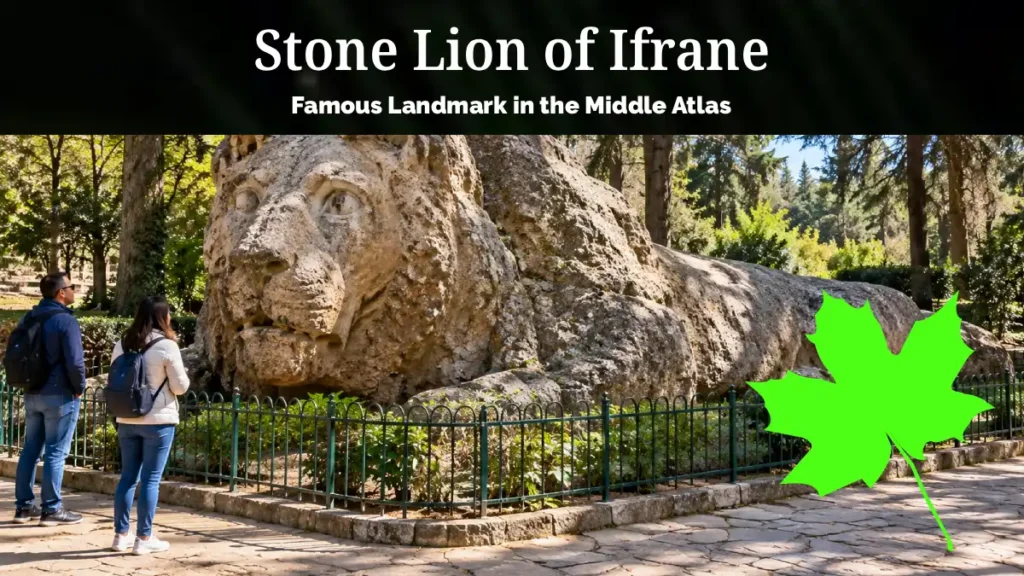
There are several local stories about who carved the sculpture, including tales involving a foreign prisoner or artist. These stories are part of local tradition, but visitors should treat them as local accounts rather than confirmed history.
I recommend taking a few minutes for photographs, then continuing into the nearby central gardens. The lion is worth seeing, but Ifrane is more rewarding when you give yourself time to walk around the town rather than treating it as a roadside photo stop.
Central gardens, Parc La Prairie and Mohammed V Gardens
Ifrane’s parks are among its simplest pleasures. Parc La Prairie and Mohammed V Gardens are pleasant for a quiet walk, family time or photography, particularly in spring and summer when the lawns and trees are at their greenest.
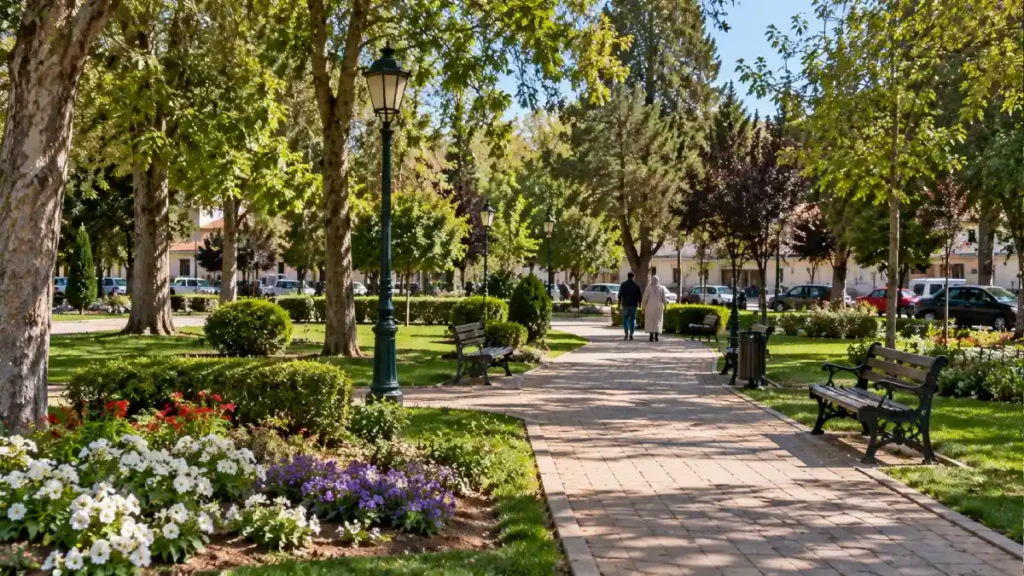
These are not grand botanical gardens or ticketed attractions. They are public spaces that suit the rhythm of Ifrane: slow walking, a coffee break and fresh mountain air.
Al Akhawayn University
Al Akhawayn University is another distinctive feature of Ifrane. According to the university’s official history, it was established by royal decree in 1993 and opened to students in January 1995. It is known for English-language instruction and a stone-built campus that fits Ifrane’s mountain architecture.
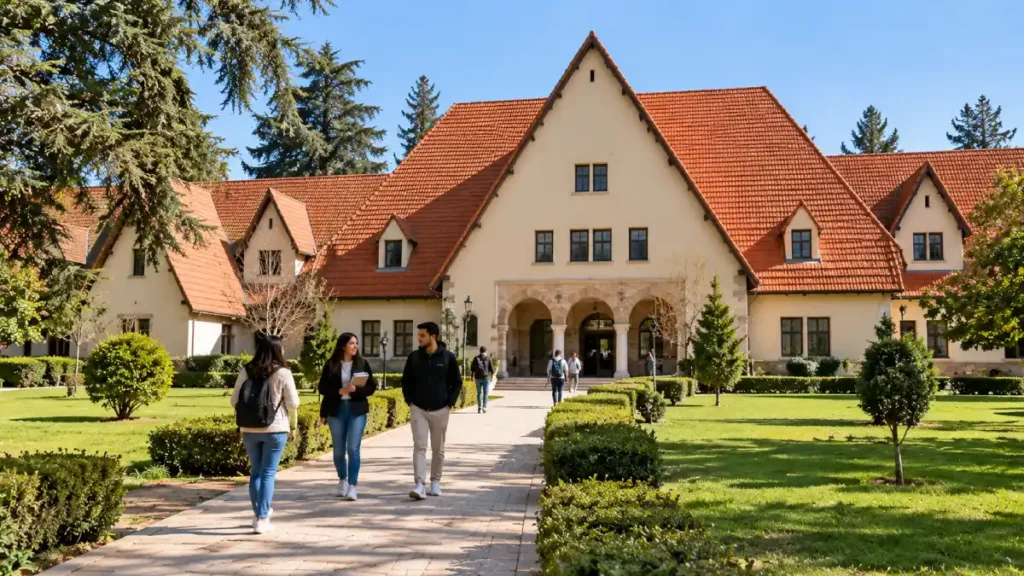
You can admire the area from accessible public spaces, but entry to campus buildings, cafés and student facilities can change. Do not assume that all areas are open to visitors.
Take time for a café stop
In winter, Ifrane has a cosy mountain-resort feeling that makes a warm drink especially appealing. In warmer months, a central café is a useful break before continuing to the forests or lakes outside town.
A relaxed lunch followed by Moroccan mint tea or coffee is a better way to experience Ifrane than rushing through the centre in twenty minutes.
Explore Ifrane National Park and the Middle Atlas forests
Ifrane’s real strength is the landscape around it. Ifrane National Park, established in 2004, protects approximately 125,000 hectares of Middle Atlas landscapes: Atlas cedar and oak forests, mountain meadows, wetlands, lakes and wildlife habitats. The park’s conservation work includes protection of the Barbary macaque and the Atlas cedar.
The surrounding countryside is ideal for travellers who want scenery and nature without committing to demanding trekking. However, conditions vary by season, and a car, private driver or organised excursion is usually necessary once you leave the town centre.
Cedar forests near Azrou and Cèdre Gouraud
The cedar forests around Azrou are among the best-known natural areas in Morocco. The Cèdre Gouraud forest area, around 17 kilometres south of Ifrane, is a popular first stop for travellers who want to see mature Atlas cedar trees and wild Barbary macaques. The name refers to the forest area, not a guarantee that the historic named cedar tree is still standing.
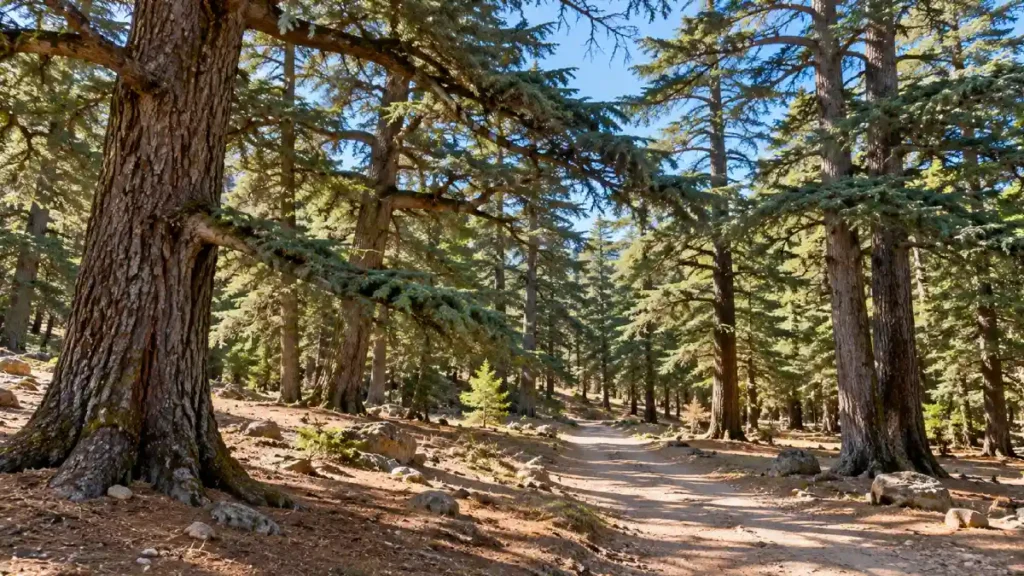
The forest is easy to include on a day trip from Fes or Meknes. It is also a natural stop on the road south towards Midelt and the Sahara.
The cedar landscape is particularly rewarding in clear weather, but visitors should not expect a remote wilderness experience right beside the most popular roadside areas. To find quieter walks, go farther into the national park with a knowledgeable local nature guide and follow current access advice.
How to see Barbary macaques responsibly
Barbary macaques are wild animals, not animals to touch, hold or feed. They may be accustomed to people in busy forest areas, but that does not make close interaction safe or responsible.
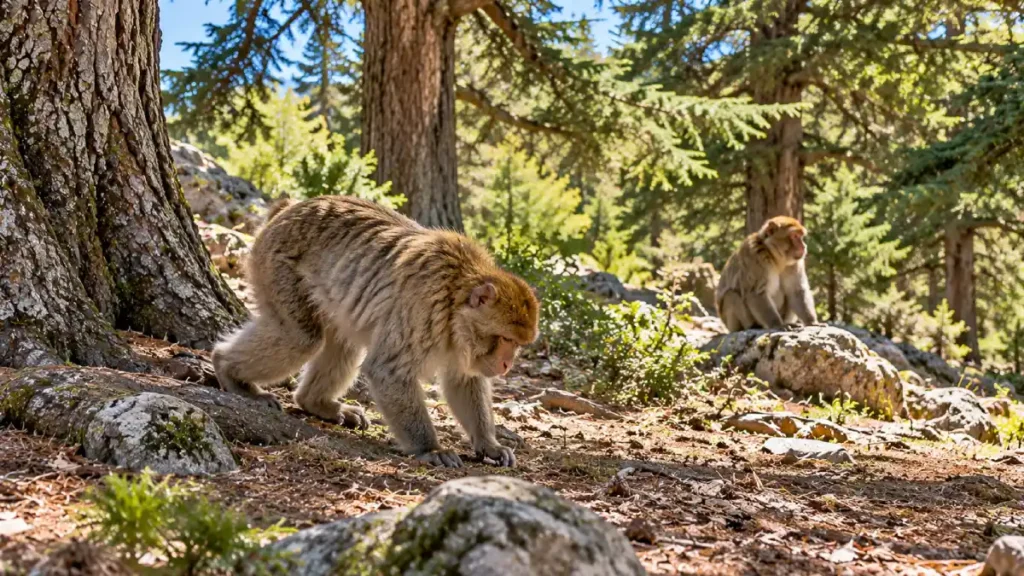
I strongly discourage feeding them. Human food can damage their health, create dependency and encourage aggressive behaviour, including grabbing bags or food.
When visiting the cedar forests:
- Observe macaques quietly from a respectful distance.
- Keep food hidden and secure bags properly.
- Never try to hold, touch or approach baby macaques.
- Supervise children carefully.
- Do not encourage an animal to come closer for a photograph.
- Take all rubbish away with you.
A nature guide can be useful for travellers who want to understand the cedar ecosystem, look for quieter trails and learn more about local wildlife.
Visit Ain Vittel and walk beside the Tizguit River
Ain Vittel, also called Source Vittel, is a nature stop around three kilometres from central Ifrane. It is a good option for travellers who want a gentle walk rather than a demanding mountain hike.
I recommend the riverside route along the Tizguit River towards Ain Vittel and the Cascades des Vierges area. The route passes through wooded sections, shaded areas, springs and small waterfalls, making it particularly pleasant in spring and summer.
Water flow changes with rainfall and snowmelt, so do not plan the visit around dramatic waterfalls unless conditions have been checked locally. Wear suitable shoes, as paths can be uneven or muddy after rain.
Is Dayet Aoua Lake worth visiting?
Dayet Aoua can be a beautiful addition to an Ifrane day trip when water levels are sufficient. It lies roughly 10–15 kilometres from town, depending on your route, among meadows, woodland and Middle Atlas scenery. Check the lake’s condition locally before visiting: a full-water landscape seen in an old photograph may not match what you find on arrival.
When water levels and habitat conditions are suitable, visitors may enjoy:
- Lakeside walking
- Picnics
- Photography
- Birdwatching
- Views of ducks, herons and other birdlife
However, there is an important reality many travel guides miss: Dayet Aoua does not always contain water. Its level can change significantly with rainfall, snowmelt and longer-term environmental conditions.
Do not assume that the lake will be full, or that boating, pedal boats or other water activities will be available. Check its current condition before building your day around it.
Other lakes in the wider Middle Atlas include Dayet Hachlaf, Dayet Ifrah, Dayet Iffer and Aguelmam Afenourir. These can be interesting for travellers with private transport, but some are seasonal, environmentally sensitive or reached by less-developed roads.
Ifrane Morocco winter: snow, Michlifen and road safety
Winter is one of the main reasons Moroccan visitors come to Ifrane. Snowfall is most likely between December and February and can sometimes continue into early March. January and February often offer the best chance of snowy scenery, but snow is never guaranteed.
For a wider seasonal comparison, my Morocco in January guide explains how mountain conditions differ from lower-altitude cities and the coast.
Michlifen and Jbel Hebri in winter
The Michlifen mountain area, roughly 17 kilometres from Ifrane, and Jbel Hebri farther into the Middle Atlas are associated with winter sports and snow outings. The Moroccan National Tourist Office describes skiing and sledding in this region, but those activities depend entirely on actual snowfall, road access and equipment or lift operation at the time of travel.
During suitable snow conditions, there may be equipment rentals and winter activities. But visitors should not expect the reliable snow coverage, piste maintenance or infrastructure of a major European ski resort.
Winter driving around Ifrane
Heavy snow and ice can affect roads around Ifrane, Azrou, Michlifen and higher Middle Atlas routes. Closures or restrictions are possible during storms.
A standard car can be suitable in normal conditions, but snow chains or winter tyres may be necessary when snow and ice affect the roads. A 4×4 alone is not a substitute for proper equipment or safe mountain-driving experience.
My advice is simple:
- Check the forecast and road conditions before departure.
- Avoid unnecessary driving during active snowfall.
- Do not set an unrealistic schedule on snow weekends.
- Carry warm clothing, water and a charged phone.
- Consider a professional driver if you are unfamiliar with mountain roads.
Ifrane can become very busy after fresh snowfall, especially at weekends and during Moroccan school holidays. Expect traffic, difficult parking and higher accommodation prices. Book early if you plan to stay overnight.
The best time to visit Ifrane
Spring: green landscapes and stronger water flow
Spring is one of my favourite times to visit Ifrane. The meadows become green, wildflowers appear and springs may have stronger flow after rain or snowmelt. It is an excellent season for parks, forests, photography and moderate walking.
Summer: a cool escape from Fes and Marrakech
Summer is attractive because Ifrane is cooler than lowland cities such as Fes and Marrakech. Moroccan families often come here to escape the heat, so weekends can still be busy.
This is a good season for town walks, forests, picnics and family outings. Bring sun protection despite the cooler temperatures, especially for open areas around lakes and mountain viewpoints.
Autumn: quieter walks and changing colours
Autumn brings cooler air and attractive colours in deciduous trees. It can be a peaceful time for walking and photography, though mountain weather may change quickly.
Winter: snow possible, preparation essential
Winter is best for travellers hoping to see snow and experience Ifrane’s chalet-style atmosphere. It is also the season that requires the most planning: freezing temperatures, icy roads, reduced access to some outdoor areas and busy snow weekends are all realistic considerations.
A practical Ifrane itinerary for two hours, one day or three days
If you only have two or three hours
For a short stop, I recommend:
- Photograph the Stone Lion.
- Walk through the central gardens.
- Explore the Alpine-style streets and public spaces.
- Have coffee or mint tea in town.
- Admire Al Akhawayn University from accessible public areas if time permits.
This works well for travellers passing between Fes and southern Morocco, but it only gives you a taste of the region.
A full-day trip from Fes or Meknes
A full day allows you to see both Ifrane town and the surrounding nature. If you are choosing between excursions departing from Fes, compare my best day trips from Fes guide; this article concentrates on what to do once you reach Ifrane.
- Arrive in Ifrane in the morning.
- Visit the Stone Lion, central gardens and town centre.
- Stop for coffee or tea.
- Continue to Dayet Aoua if conditions are suitable.
- Have lunch in Ifrane or Azrou, perhaps trying trout or tagine.
- Visit the Cèdre Gouraud forest near Azrou.
- Observe Barbary macaques responsibly.
- Explore Azrou’s craft shops, market area or a scenic viewpoint before returning.
Azrou is a traditional Amazigh town around 17 kilometres south of Ifrane. Its name is associated with the Amazigh word for “rock.” It is known for mountain crafts, cedar forests, local markets and regional products including carved wood, wool carpets and blankets.
The weekly souk can offer an interesting view of everyday regional trade, but its current day and location should be confirmed before planning around it.
A flexible three-day Middle Atlas nature plan
Travellers who want more than a roadside stop can spend up to three days exploring the wider landscape.
Day 1: Walk from central Ifrane along the Tizguit River towards Ain Vittel and the Cascades des Vierges. Use the afternoon for a gentle town walk, café stop or an easy nature excursion.
Day 2: Explore higher mountain scenery near Michlifen, then continue to the cedar forests near Azrou. Some hiking routes in this area are described locally as panorama trails, with possible long-distance mountain views in clear weather.
Day 3: Explore the Ben Smim area with a qualified local guide, then visit Dayet Aoua if water and access conditions are suitable.
Experienced hikers may hear about volcanic depressions, craters, sinkholes and remote viewpoints around Jbel Hebri. These should be treated as specialised nature excursions, not casual tourist stops. Trail names, access points, weather conditions and safety risks need local confirmation, and unmarked crater or sinkhole edges should be avoided.
Getting to Ifrane from Fes, Meknes and the Sahara route
From Fes, Ifrane is generally around 65–70 kilometres away, often taking roughly 1–1¼ hours by road in normal conditions. From Meknes, allow about 60–65 kilometres and roughly one hour or a little more; the exact route, traffic and mountain weather can change the journey. The Moroccan National Tourist Office’s Ifrane guide gives useful regional travel context.
The main roads are paved and generally suitable for standard vehicles outside difficult winter weather.
Shared grand taxis and buses may connect Ifrane with nearby cities, but public transport is less convenient once you want to reach forests, lakes or hiking areas. Independent travellers can reach Ifrane town without a car, but a taxi, rental car, private driver or organised excursion is usually needed for the wider national park.
Older local estimates suggest a shared grand-taxi seat from Fes might cost around 30–40 MAD, while privately hiring a whole grand taxi might be around 200–250 MAD each way. These are unverified planning estimates, not confirmed current prices. Confirm the actual stand, passenger arrangement and fare before boarding or use a pre-booked quote.
A rental car gives you flexibility in good weather. A private driver is more comfortable if you want customised stops, do not know the roads or are travelling during winter.
See the practical driving and transport choices in my Fes to Merzouga guide.
Do not try to cram Ifrane, Azrou, several lakes and a long Sahara drive into one rushed day. A brief stop is possible, but a proper nature excursion needs time.
What to eat in Ifrane and Azrou
Food in Ifrane reflects both mountain ingredients and Moroccan cooking. Fresh trout is a popular choice in the region, sometimes prepared with almonds or other local touches. You may also find tagines, harira soup, bessara, homemade bread, regional dairy products and local honey.
Seasonal mountain produce can be excellent, and forest mushrooms may appear on some menus. However, do not collect or eat wild mushrooms without qualified local knowledge: some species are poisonous.
For a relaxed day trip, I recommend having lunch in Ifrane or Azrou before continuing to the forests. Choose a restaurant based on what looks busy with local diners, current hygiene standards and the menu available that day rather than relying on old online lists.
Where to stay in Ifrane
Ifrane has a range of stays, from luxury resorts and Alpine-style hotels to family apartments, mountain chalets and countryside guesthouses.
Choose your base according to your priorities:
- Central Ifrane: best for cafés, gardens, restaurants and easy town walking.
- Countryside guesthouse or chalet: better for quiet surroundings, forest access and nature walks.
- Luxury resort: suitable if spa facilities, comfort and relaxation are your priority.
- Apartment-style accommodation: often practical for families and groups who need more space.
Winter visitors should check heating arrangements, parking, road access and cancellation terms before booking. Families should also confirm room configuration and children’s facilities. For a verified high-end option, Michlifen Resort & Golf is a five-star mountain-style resort with a spa and indoor pool; it will suit a different budget from central hotels, simple guesthouses and self-catering apartments.
- Compare hotels, chalets and apartments in Ifrane.
- For winter stays, filter for reliable heating, recent guest feedback, parking and cancellation flexibility before comparing prices.
Budget varies widely. As a general planning guide, budget travellers using guesthouses, local cafés and shared transport may spend roughly 40 to 50 USD daily. Mid-range visitors using comfortable hotels or apartments, sit-down restaurants and taxis or a rental car may spend around 90 to 130 USD per day. Luxury stays, private transport and spa services can cost 250 to 500 USD or more daily.
These are broad estimates only, and snow weekends, school holidays and high-demand winter periods can cost substantially more.
Who will enjoy Ifrane most?
Ifrane works particularly well for:
- Families who want parks, gentle walks and cooler weather
- Couples looking for a quiet mountain break
- Nature lovers interested in cedar forests and wildlife
- Travellers adding variety to a Fes itinerary
- Visitors travelling south towards Midelt or Merzouga
- Moroccan winter travellers hoping to see snow
The town centre is relatively easy for elderly travellers and people who prefer broad paved streets. However, forest trails, lake edges, rough viewpoints and mountain excursions can involve slopes, uneven ground and changing weather. Not every outdoor activity is suitable for travellers with limited mobility.
My practical advice before visiting Ifrane
The most common mistake is treating Ifrane as only a Stone Lion photo stop. If time allows, combine the town with Azrou and the cedar forests for a much better understanding of the Middle Atlas.
I also recommend bringing:
- Layered clothing, even outside winter
- Proper walking shoes
- Sun protection
- Drinking water
- Offline maps
- Warm waterproof layers in colder months
In winter, add gloves, a hat and footwear suitable for wet or icy conditions. In all seasons, check the weather before heading into the mountains.
For travellers arranging a private excursion from Fes or Meknes, a flexible route can include Ifrane’s town centre, Dayet Aoua when conditions are right, lunch in Ifrane or Azrou, and the Cèdre Gouraud forest. The exact order should depend on weather, road conditions, daylight and your interests rather than following a rigid timetable.
Private Middle Atlas day trip: For a tailored itinerary with an English-speaking driver and optional licensed guide, ask Morkosh Tours about availability and the precise pickup point. Or compare independently bookable outings here: IFRANE MIDDLE ATLAS DAY TOURS.
Check whether lunch, guide services and entrance fees are included.
Disclosure: Some booking links in this guide may be affiliate links. If you book through them, I may earn a small commission at no extra cost to you.
FAQ
Is Ifrane worth visiting from Fes?
Yes. Ifrane is an easy day trip from Fes and offers a complete contrast to the city: cooler mountain air, parks, Alpine-style architecture and access to cedar forests. A full day is best if you want to include Azrou and the macaque forest.
Does it snow in Ifrane?
It can snow in Ifrane, most often between December and February, sometimes into early March. However, snowfall varies every year, so visitors should never assume snow will be on the ground during a specific trip.
Can I see Barbary macaques near Ifrane?
Yes, the cedar forests near Azrou, including the Cèdre Gouraud area, are well known for wild Barbary macaques. Keep your distance, secure food and bags, and never feed or touch the animals.
Is Dayet Aoua Lake always full of water?
No. Water levels at Dayet Aoua can fluctuate significantly according to rainfall, snowmelt and environmental conditions. Check its current state before planning a lake-focused excursion.
Can Ifrane be visited on the way from Fes to Merzouga?
Yes, Ifrane and the cedar forests can be included on the route south from Fes. However, the journey to Merzouga is long, so keep the stop realistic and avoid adding too many detours in one day.