
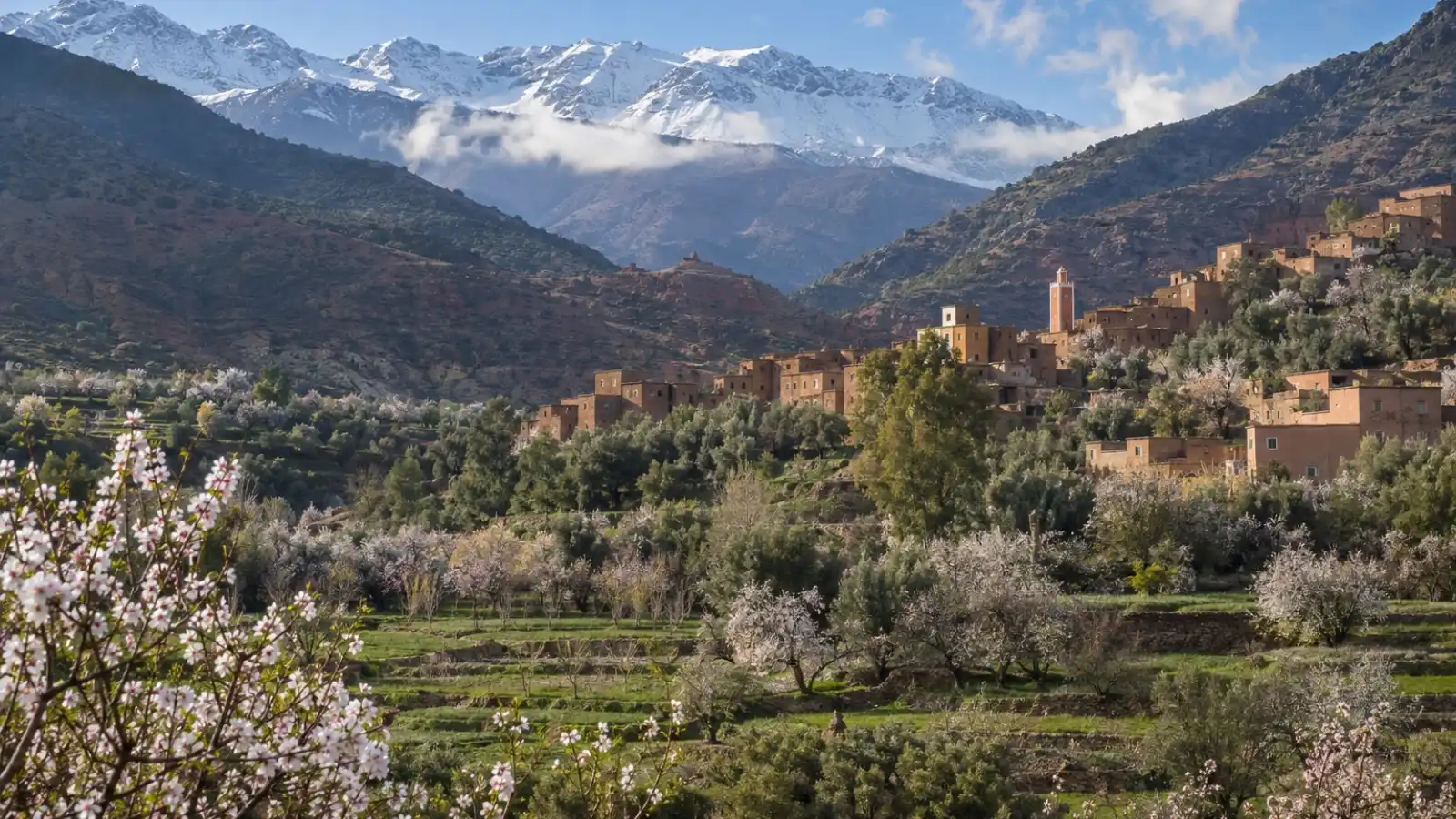
March brings one of Morocco’s most rewarding seasonal transitions: comfortably warm city days, greener valleys, blossoms in the countryside, pleasant conditions in the Sahara and snow still visible on the High Atlas peaks.
For many travellers, Morocco in March is a very good choice. It is especially well suited to sightseeing, road trips, walking, photography and first visits. You will need to pack for changing conditions, though: Marrakech can feel warm in the afternoon while Sahara camps and mountain villages become cold after dark.
Table of Contents
Table of Contents
Is March a good time to visit Morocco?
Yes—March is one of the strongest all-round months for visiting Morocco, particularly if you want to avoid summer heat and the busiest late-spring period.
The main advantages are:
- Warm but usually manageable temperatures in Marrakech and southern Morocco
- Green landscapes after winter rain, especially around the Atlas foothills and valleys
- Pleasant conditions for desert excursions before the Sahara becomes intensely hot
- More comfortable weather for exploring medinas such as Fes and Meknes
- Often fewer visitors than during the busier April and May period
- A good balance for families, walkers, photographers and culture-focused travellers
It is not the ideal month for everyone. March is less suitable if your priority is very hot beach weather or swimming in the Atlantic. The coast can be sunny and pleasant, but the water remains cold.
The biggest practical consideration is variety. A trip that combines Marrakech, the High Atlas, Fes and the Sahara can involve warm afternoons, crisp mornings, rain, wind, snow at altitude and cold desert nights—all in the same holiday.
For a wider seasonal comparison, see this guide to the best time to visit Morocco.
Morocco weather in March by region
Morocco March weather is highly regional. Do not pack based on one forecast for the whole country: coastal Rabat, Marrakech, the High Atlas and the Sahara can feel completely different.
Marrakech in March: warm days and cool evenings
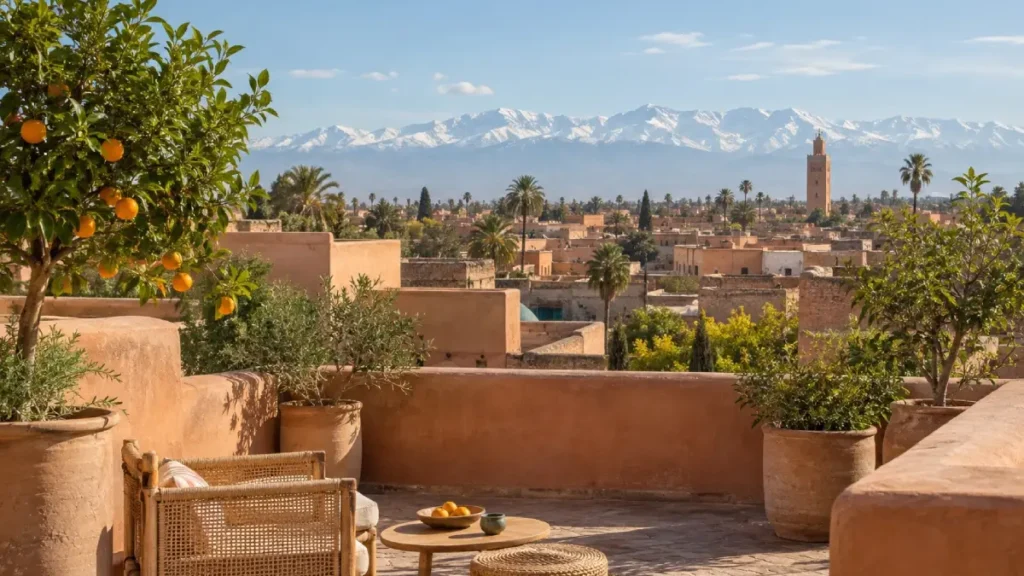
Marrakech in March usually feels properly springlike. Typical daytime temperatures are around 21–25°C, while nights are cooler at roughly 10–14°C.
This is a comfortable period for walking through the medina, visiting gardens, spending time around Jemaa el-Fna and taking day trips into the countryside. Midday sunshine can feel quite warm, but a light layer is useful once the sun drops.
March also brings a greener feel to the Marrakech region. Orange blossom scents can be noticeable, and the countryside beyond the city begins to look much less dry than it does later in the year.
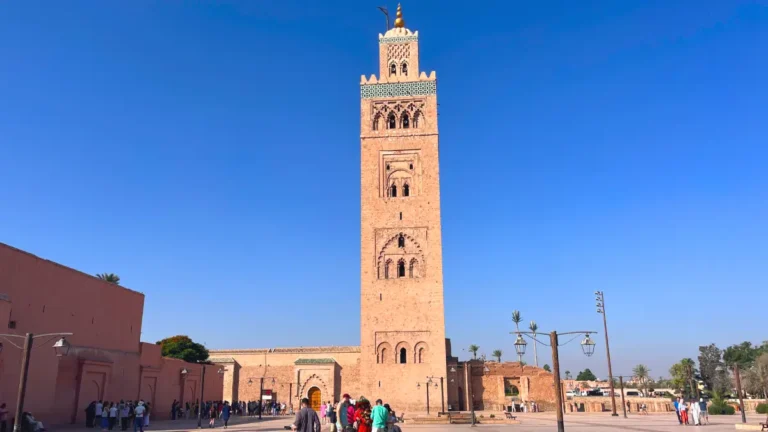
Marrakech is a sensible base if you want city life combined with Atlas or valley excursions. For neighbourhood advice, sightseeing ideas and arrival planning, read the Marrakech travel guide.
Fes and Meknes in March: more comfortable after winter
Fes and Meknes start becoming much more enjoyable in March as the damp winter chill begins to lift. Typical daytime temperatures are around 18–22°C, though mornings and evenings can still feel crisp.
This is a useful time for travellers who find the heat of late spring or summer difficult in the old medinas. Bring a warm layer for early starts and evenings, especially if your riad has cooler indoor spaces.
Rain remains possible, so a compact waterproof jacket is more practical than assuming every day will be dry.
Chefchaouen, Tangier and Rabat: green but showery
Northern Morocco usually receives more spring rain than Marrakech or the Sahara. In Chefchaouen, Tangier and Rabat, expect fresh air, occasional cloud and showers rather than uninterrupted sunshine.
The good news is that this weather helps keep the north green. Hillsides around Chefchaouen can look particularly attractive in spring, while Tangier and Rabat are generally pleasant for city walking between showers.
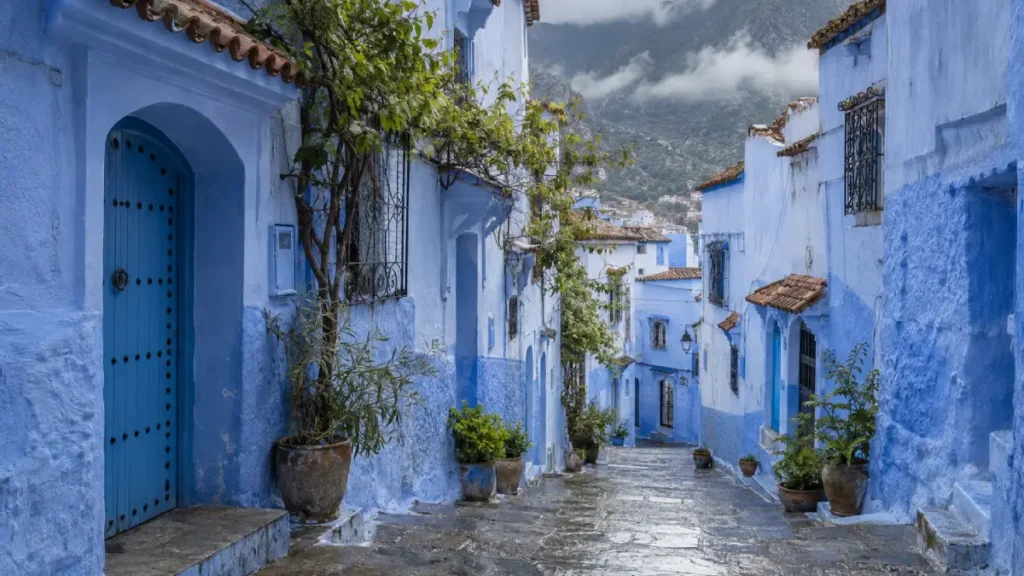
Rain often arrives in shorter periods, but it can still affect outdoor plans. Waterproof shoes or sturdy closed-toe shoes are worthwhile if you are exploring steep lanes, medina streets or countryside paths.
Agadir and Essaouira in March: mild coast, cold Atlantic water
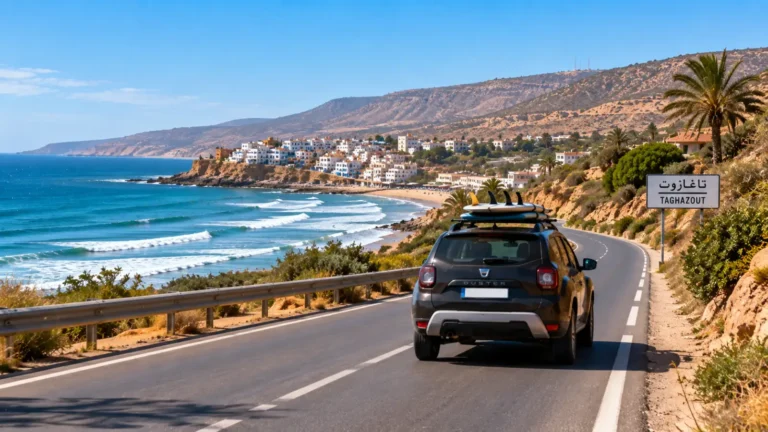
Agadir and Essaouira usually have mild daytime temperatures of around 19–23°C in March. Sunny afternoons can be very pleasant for sitting by the beach, walking the seafront or relaxing outdoors.
However, the Atlantic is still cold, at roughly 16–17°C. Most travellers will find it uncomfortable for normal swimming without a wetsuit.
Essaouira can also feel cooler than its temperature suggests because of the coastal wind. If you are heading there from Marrakech, bring a light windproof layer rather than relying only on T-shirts.
March is a good month for a coastal break if you want fresh air and beach walks. It is not the best choice if you are hoping for warm sea swimming.
Sahara Desert in March: one of the best periods
March is generally a comfortable month for visiting the Sahara. Daytime temperatures can be around 23–29°C, which makes camel rides, walks and desert excursions far more manageable than in summer.
The key warning is the temperature drop after sunset. Desert nights remain much colder and can approach freezing, so warm layers are essential even if the afternoon feels hot.
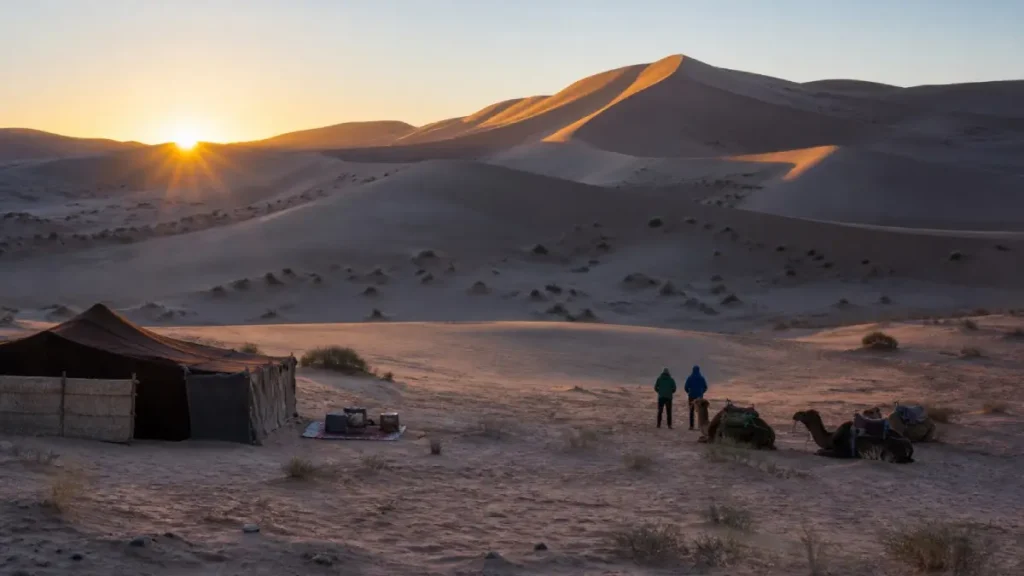
For a Sahara trip in March, pack:
- A warm fleece, sweater or insulated layer for camp evenings
- Long trousers and closed shoes for walking on sand and rocky ground
- Sunglasses, sunscreen and a hat for daytime sun
- A scarf or light face covering for windblown sand
- A small torch or headlamp if your camp does not provide one
March is particularly rewarding for a road trip through the south because valleys and palm groves can look greener after winter rain and mountain snowmelt.
High Atlas Mountains: green valleys below, winter conditions above
The High Atlas has two very different March seasons at once. Lower valleys can be lush and green, with excellent walking conditions in suitable weather. Higher elevations, however, may still hold serious snow.
Mount Toubkal and other high summits can retain significant snow in March. High-altitude trekking may require winter equipment, relevant experience and a professional mountain guide. Confirm current trail conditions and safety requirements before setting out; do not treat a March ascent as an ordinary warm-weather hike.
At lower elevations, the landscape can be at its best: flowing water, green terraces and emerging spring vegetation. Imlil is a common base for accessing mountain villages and trails; this Imlil guide can help you understand what to expect before going.
Road conditions also need attention. Driving is normally easier than during deep winter, but mountain roads may still be affected by snow, rain, poor visibility or slippery surfaces. Take extra care on mountain routes, including Tizi n’Test, and check current road conditions before committing to a crossing.
Where to go in Morocco in March
A March itinerary works particularly well when it combines cities with landscapes that benefit from spring weather.
Marrakech for city breaks and Atlas day trips
Marrakech is one of the easiest choices for March. The weather is generally comfortable for sightseeing, restaurant terraces and long days outdoors without the extreme summer heat.
It is also well placed for trips towards the Atlas foothills, Ourika Valley, Imlil or the southern road-trip route. If you are short on time, Marrakech gives you a strong introduction to Morocco without needing to move every night.
Dades Valley, Draa Valley and Skoura for spring landscapes
The southern valleys can be particularly attractive in March. The Dades Valley, Draa Valley and Skoura often show greener palm groves, spring vegetation, flowers and increased water following winter rain and mountain snowmelt.
These areas suit travellers who enjoy scenic drives, kasbah landscapes, short walks and slower-paced travel between Marrakech and the desert.
Fruit-tree blossom can add to the scenery, but it changes from year to year. Almond and other blossoms depend on altitude, winter rainfall and temperatures, so it is best to treat them as a seasonal possibility rather than a guaranteed event on a particular date.
The Sahara for comfortable desert travel
For many travellers, the desert is the strongest reason to visit Morocco in March. Days are usually warm enough for outdoor activities without the punishing heat of summer, while the clear nights still have their own appeal.
The trade-off is that you must plan for cold evenings. A desert camp is not a reason to leave warm clothing behind.
Fes, Meknes and the north for culture without summer heat
March is also a good time for an itinerary focused on Fes, Meknes, Rabat, Tangier or Chefchaouen. Temperatures are generally more comfortable than they will be later in spring, and the northern countryside is often at its greenest.
Build some flexibility into a northern itinerary. A rainy afternoon is possible, but it is usually easier to manage in a city than during a tightly scheduled mountain hike.
Spring flowers and green landscapes in March
Morocco is often imagined as dry, ochre and desert-like, but March shows a different side of the country. Winter rainfall and snowmelt can transform lower mountain slopes, valleys and agricultural areas.
Look out for:
- Wildflowers around Atlas foothills
- Blossoms in mountain and southern valley areas
- Green fields and terraces in rural regions
- More water in streams and valley channels
- Palm groves looking fresher in Skoura, Dades and Draa
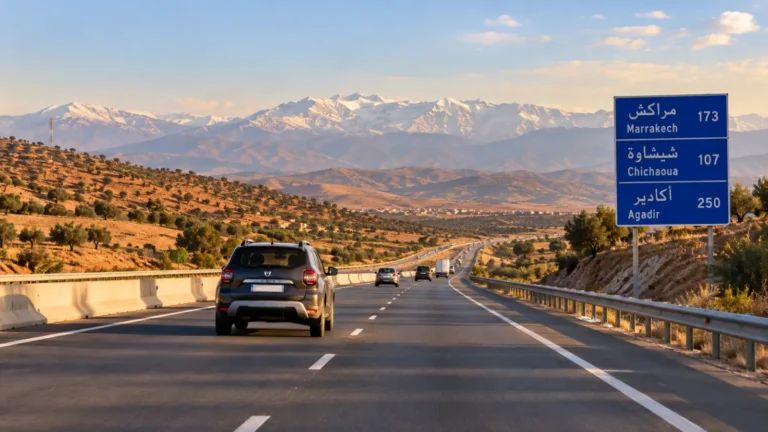
This is one reason March is so appealing for photographers and road-trippers. The snowy High Atlas can form a dramatic backdrop to green lower valleys and warmer cities.
Weather still determines how vivid the landscape will be. A dry winter produces a different result from a wet one, so avoid planning an entire trip around one specific blossom display.
Crowds and prices in Morocco in March
March marks the start of Morocco’s spring shoulder season. Visitor numbers begin to rise compared with January and February, but March is generally less busy than the main April–May travel period.
This can make March a practical compromise: there is more atmosphere in popular destinations, but you may still find a little more breathing room than later in spring.
Prices can remain reasonable compared with the busier late-spring period, but do not assume that every March date will be cheap. Flights and accommodation may rise around European school holidays or Easter-related travel dates.
If you have fixed dates, it is sensible to book flights and sought-after accommodation early, especially in Marrakech and on popular desert routes. If you have flexibility, comparing a few departure dates can make a meaningful difference.
Ramadan and Eid considerations for Morocco in March
Ramadan moves through the Gregorian calendar each year, and its official timing in Morocco depends on the Islamic calendar and local confirmation.
When Ramadan overlaps with March, travellers do not need to avoid Morocco. It simply changes the rhythm of the day, so confirm the dates for your travel year before finalising plans.
During daylight hours, some less tourist-oriented cafés and restaurants may close or reduce their opening hours. Many tourist-oriented hotels and restaurants continue serving travellers, particularly in larger cities and established visitor areas.
Evenings become much livelier after iftar, when people break their fast. Streets fill, families gather and food becomes a central part of the evening atmosphere.
A few respectful habits go a long way:
- Avoid conspicuous eating, drinking or smoking immediately around fasting people in public during daylight hours.
- Be especially considerate in traditional neighbourhoods, small towns and rural communities.
- Carry water discreetly for long journeys or walks where services may be limited.
- Expect some businesses to operate on changed schedules.
- Allow more time for transport and errands close to iftar, when roads and shops can become busier.
Alcohol availability and sales can also change during Ramadan depending on the venue and current local practices.
Eid al-Fitr follows Ramadan. Around Eid, travellers may encounter family gatherings, sweets, special meals, altered business hours and heavier domestic travel.
What to pack for Morocco in March
The best approach is layering. You do not need heavy winter clothing everywhere, but packing only for warm weather is a common mistake.
A practical March packing list includes:
- Light clothing for warm afternoons in Marrakech and the south
- T-shirts or light long-sleeve tops
- A sweater, fleece or warm mid-layer for evenings
- A waterproof outer layer for northern Morocco and mountain areas
- Sturdy closed-toe shoes for medina streets, valleys and walking routes
- Sunglasses, sunscreen and a sun hat
- Warm socks and an extra warm layer for Sahara nights
- Proper winter equipment if undertaking high-altitude Atlas trekking in snowy conditions
For a more complete checklist, use this Morocco packing list.
Driving and road-trip advice for March
March can be an excellent month for a Moroccan road trip because the scenery is greener and daytime temperatures are comfortable. But spring weather still requires some caution.
Heavy rain can occasionally cause local flooding, poor visibility or slippery roads. Remaining snow can affect higher mountain areas, while rural roads may be slower than map estimates suggest.
If driving in March:
- Avoid treating mountain passes as guaranteed open routes.
- Check weather and road conditions before leaving a major town.
- Start longer drives early, especially on routes with mountain sections.
- Keep warm layers and water in the car, even on sunny days.
- Allow flexibility if rain or snow affects a mountain plan.
A route through Marrakech, Skoura, Dades Valley, the desert and the Draa Valley can be particularly rewarding at this time of year, but it should not be rushed.
Who should visit Morocco in March?
March is particularly good for:
- First-time visitors who want manageable sightseeing temperatures
- Families travelling outside the hottest months
- Photographers looking for green landscapes, flowers and snowy mountain backdrops
- Walkers and active travellers staying at lower elevations
- Culture-focused travellers visiting medinas and historic cities
- Desert travellers who want warm days without summer extremes
It is less suitable for travellers whose main goal is:
- Hot, guaranteed beach weather
- Warm Atlantic swimming
- High-altitude trekking without winter skills or equipment
- A trip where every day must be completely dry
Make the most of Morocco’s spring transition
Visiting Morocco in March means planning for contrast. You can enjoy lunch in warm Marrakech sunshine, see snow on the High Atlas, walk through green valleys and need a fleece in the Sahara after dark.
That variety is exactly what makes the month worthwhile. Choose your route according to the type of trip you want, leave room for weather changes in the mountains and north, and pack enough layers to enjoy every part of the country comfortably.
FAQ
Is March a good time to visit Morocco?
Yes. March offers warm city days, green landscapes, manageable crowds and excellent Sahara conditions. It is one of the best all-round months for sightseeing, road trips and outdoor travel.
What is the weather like in Marrakech in March?
Marrakech typically has daytime temperatures around 21–25°C in March, with cooler nights of roughly 10–14°C. It is usually comfortable for sightseeing, though a sweater or light jacket is useful after sunset.
Is the Sahara cold in March?
It can be. Sahara days are often pleasantly warm, around 23–29°C, but nights are much colder and can approach freezing. Bring warm layers for desert camps.
Can you swim in Morocco in March?
You can enjoy the beach in Agadir or Essaouira on sunny afternoons, but Atlantic water remains cold at around 16–17°C. Most travellers will find normal swimming uncomfortable without a wetsuit.
Does Ramadan affect travel in Morocco in March?
Yes, when Ramadan falls partly or fully in March. Some local businesses may reduce daytime hours, while evenings become livelier after iftar. Confirm the dates for your travel year because the Islamic calendar shifts annually.