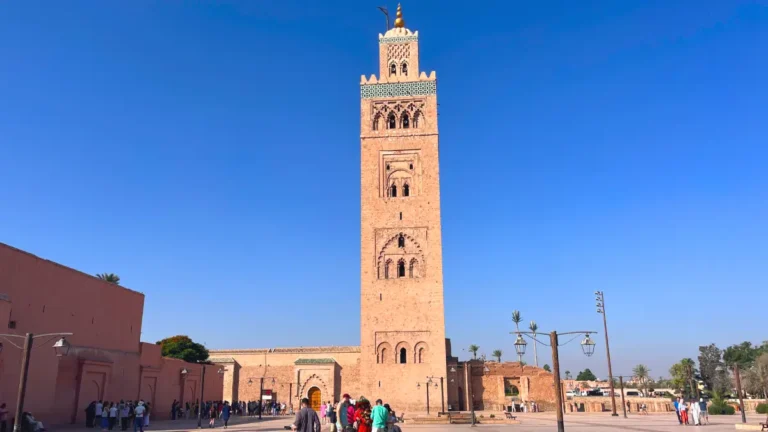

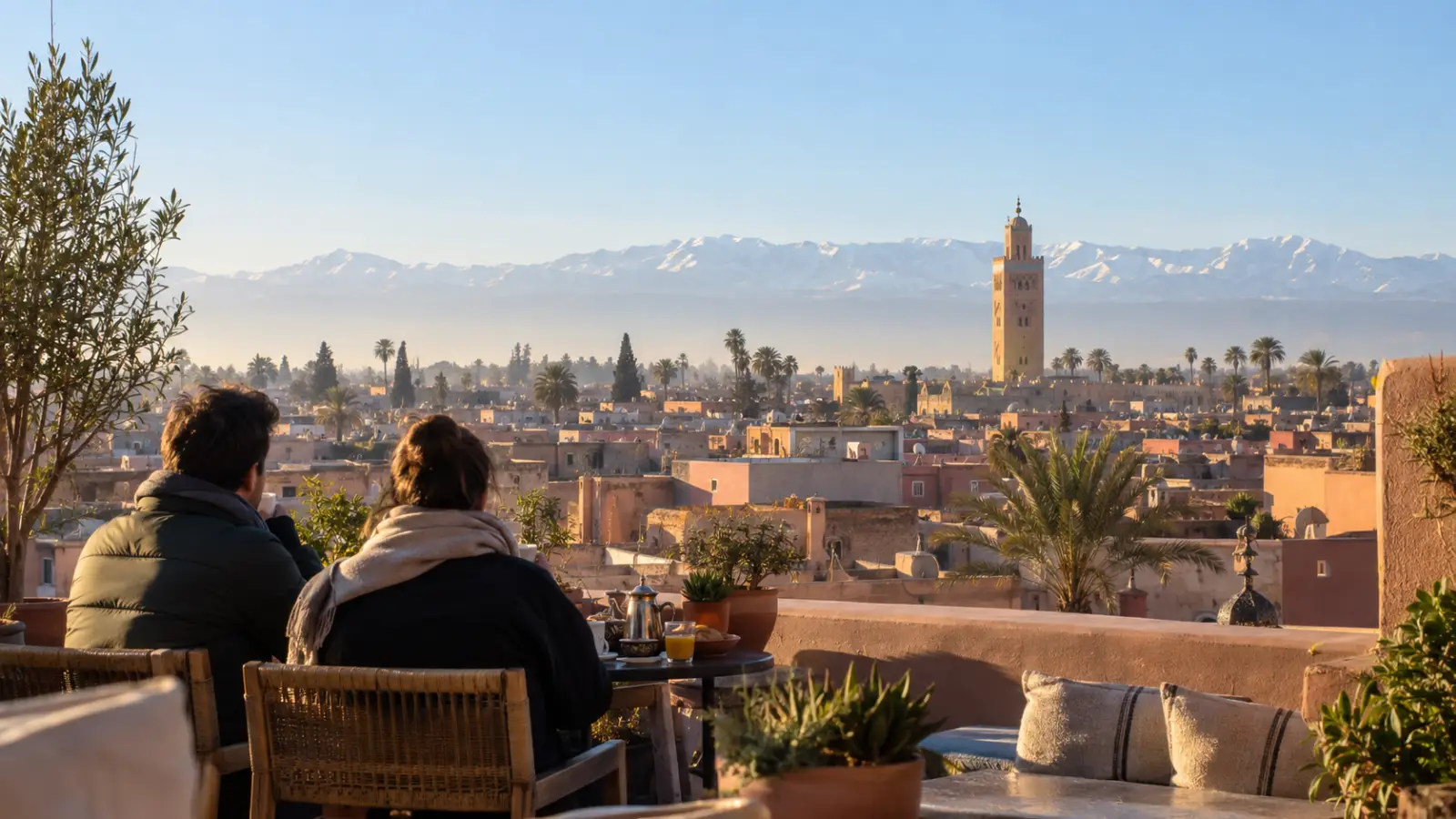
February is one of the most balanced times to visit Marrakech. It is still winter in the mornings and after sunset, but sunny afternoons often feel pleasantly mild, the Medina is comfortable for long walks, and the High Atlas may still be snow-capped in the distance. For families, older travelers, winter-sun visitors and anyone who finds Marrakech’s summer heat too intense, Marrakech in February is a very strong choice.
It is not full spring yet. You will need proper evening layers, a well-heated riad matters, and rain is possible. But compared with January in Marrakech, February brings gradually warmer afternoons, more colour in the gardens and longer stretches of comfortable outdoor time.
Table of Contents
Table of Contents
Is February a good time to visit Marrakech?
Yes. February is a Marrakech sweet spot if you want mild sightseeing weather without the heat of late spring and summer.
The best reasons to come are:
- Comfortable conditions for walking through the Medina, souks, gardens and historic sites.
- Sunny afternoons that can feel warm enough for terraces and rooftop lunches.
- Generally more manageable visitor numbers than the busiest spring and autumn periods.
- Good conditions for day trips to Agafay and lower-altitude Atlas valleys.
- A chance of clear views towards snow-covered High Atlas peaks.
- Contemporary-art events, depending on that year’s programme.
The trade-off is simple: do not pack as if it is summer. A T-shirt may be enough in direct afternoon sun, but mornings, shaded streets and late evenings can feel surprisingly cold.
For a broader comparison with other months, see this guide to the best time to visit Morocco.
Marrakech weather in February: mild afternoons, cold starts and possible rain
The weather in Marrakech in February is changeable in a useful rather than disruptive way. A typical day can begin chilly, become warm in direct sun by lunchtime, then cool quickly once the sun drops.
The World Meteorological Organization’s 1991–2020 climate normals give Marrakech an average daily minimum of 7.6°C, an average daily maximum of 20.7°C, about 25.7 mm of rain and six rain days in February. These are long-term averages, not a forecast for your exact dates.
In practical terms, expect:
- Early morning: cold enough for a jacket, especially at breakfast in a courtyard riad.
- Midday and afternoon: often mild and sunny, broadly in the low 20s Celsius on a normal sunny day.
- Shade: noticeably cooler than sunny terraces and open squares.
- Evening: sweater-and-jacket weather, particularly after dinner.
- Rain: possible, usually more as intermittent showers than automatic all-day rain.
Rain is possible without being an all-day feature of most visits. A light waterproof layer is sensible, and it is worth checking the official Marrakech weather information close to departure.
How cold are February mornings and nights?
This is the detail many visitors underestimate. Early mornings and evenings commonly feel like roughly 5–10°C conditions, particularly during the first half of the month. The air can feel crisp at dawn, and tiled floors or unheated interiors make the cold more noticeable.
After sunset, temperatures fall quickly. This matters if you plan to linger over dinner, watch the activity in Jemaa el-Fnaa, take a desert excursion or book a rooftop drink.
February is warmer than Marrakech’s coldest January period, but it is still winter at night.
Does Marrakech feel like spring by late February?
By the second half of February, the city often starts to feel as though it is moving towards spring. The days gradually become warmer, gardens can begin showing more colour, and outdoor lunch or late-afternoon terrace time becomes easier.
That said, it would be misleading to call February fully springlike. Bring layers throughout the month, especially if you are travelling beyond the city into the Atlas Mountains, Agafay or the Sahara.
What to wear in Marrakech in February
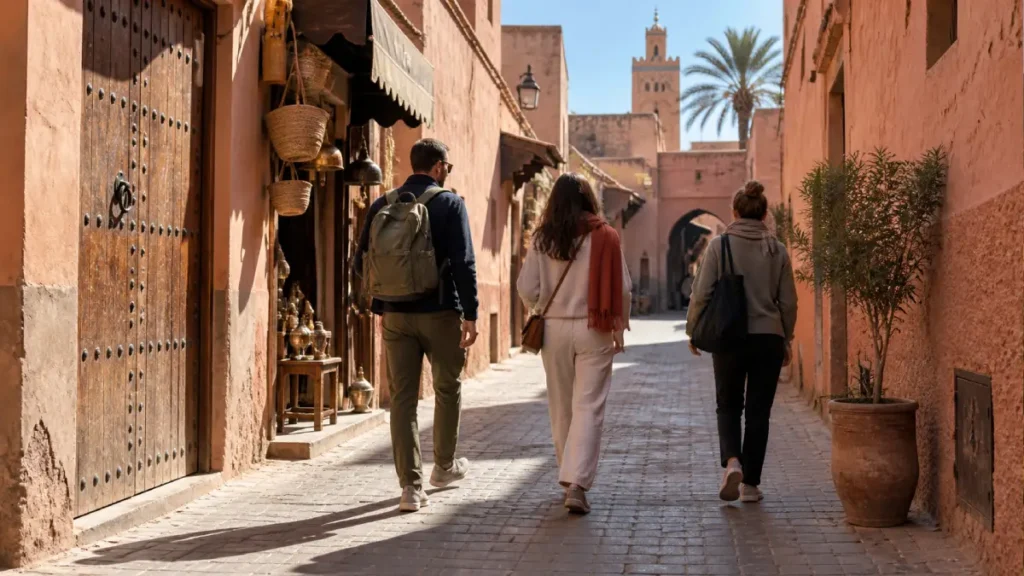
The most practical approach is to dress in removable layers. You may use all of them in one day.
A good February packing formula is:
- A warm jacket or coat for mornings and evenings.
- T-shirts and breathable long-sleeve tops for sunny afternoons.
- A cardigan, hoodie or light fleece for shade and late afternoon.
- A warmer sweater or fleece for dinner and rooftop evenings.
- A scarf if you feel the cold easily or are heading to the mountains.
- Closed, comfortable walking shoes for Medina streets and full sightseeing days.
- A lightweight waterproof jacket or compact rain layer.
- Warm trousers for Agafay, Atlas trips or Sahara overnights.
The golden rule is simple: sunshine on the forecast is not a reason to pack only spring and summer clothes. Marrakech, Agafay, the High Atlas and the Sahara all become substantially colder after sunset. Use my Morocco packing list if February is only one part of a longer trip.
What should women wear in Marrakech in February?
February makes modest, layered clothing particularly easy. Loose trousers, jeans, midi skirts with warm layers, long-sleeve tops and a light-to-medium jacket all work well. A scarf is useful both for warmth and for flexibility in cooler mornings.
There is no single required tourist outfit, but clothing that is comfortable for walking and not overly revealing will usually feel most practical in the Medina and around religious or traditional areas.
What should men wear in Marrakech in February?
Long trousers, T-shirts or long-sleeve shirts, a sweater or hoodie, and a proper jacket for the evening are a practical combination. Shorts may feel fine for a brief sunny afternoon, but they are not ideal for early mornings, shaded streets or night-time dining.
Book a riad with heating, not just a beautiful courtyard
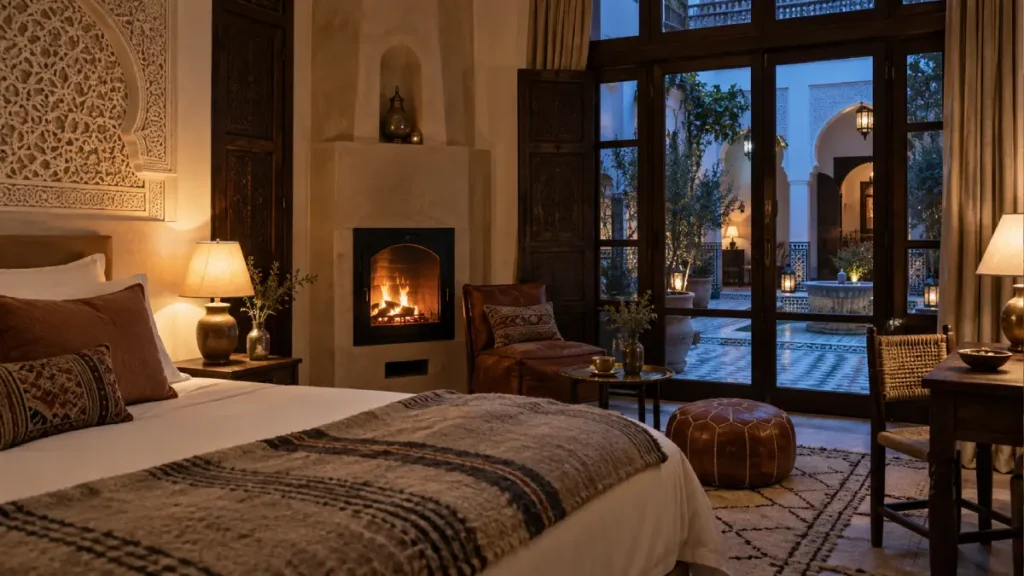
A traditional riad can look warm and inviting in photographs while feeling cold in February. Tiled floors, thick walls and open central courtyards hold onto the overnight chill, especially in the morning and evening.
Before booking, ask:
- How are bedrooms heated?
- Does the heating run overnight?
- Is the bathroom heated?
- Is there a fireplace, heater or enclosed indoor sitting space?
- Is the pool heated, if swimming matters to you?
This is particularly important for families with young children, older travelers and anyone sensitive to cold. A well-heated room can make a much bigger difference to your February stay than a decorative rooftop or plunge pool. My guide to where to stay in Marrakech explains what else to check before booking.
Are riad pools warm enough to swim in February?
Do not assume so. Ordinary unheated riad pools are not dependable for February swimming, even after a warm afternoon. The water can remain cold enough that most visitors will not want to stay in for long.
If swimming is important, book a property with a genuinely heated pool and confirm that heating is operating during your dates. Some higher-end hotels may offer heated-pool day access, but availability and prices can change.
February crowds and prices: quieter, but not empty
February is often easier than major spring and autumn peak periods, but it is not a month to assume that Marrakech will be empty.
Demand can rise around:
- European school half-term holidays.
- Long weekends.
- Major cultural events.
- Popular February weekends.
- Well-known restaurant reservations and rooftop dinner slots.
Families travelling during school breaks should book flights and accommodation earlier, particularly if they want a specific riad, family room or heated pool.
February can offer good winter value outside holiday and event dates, but hotel and villa rates are not reliably low across the month. Compare live options rather than expecting fixed seasonal discounts.
Should you reserve restaurants in February?
Yes, for restaurants you genuinely want to visit. Moderate hotel occupancy does not mean every popular restaurant has walk-in tables.
This is especially true for sought-after dinner venues, fashionable rooftops and restaurants around the Medina and Hivernage. Reserve ahead rather than leaving an important evening meal to chance.
Why February is one of the best months for walking Marrakech
For full-day sightseeing, February is one of my preferred months in Marrakech. You can spend hours walking without the tiring heat that arrives later in the year.
A comfortable February day might look like this:
- Start breakfast at your riad with a warm layer on.
- Visit Jardin Majorelle or another major sight early, before visitor flow builds.
- Walk through the Medina and souks during late morning.
- Take a long lunch in a sunny courtyard garden or on a rooftop.
- Visit palaces, historic lanes or gardens in the warmer afternoon.
- Take a normal taxi towards Jemaa el-Fnaa or another evening area as temperatures fall.
- Have your jacket ready for sunset, then settle in for a Moroccan tagine dinner.
The mild weather makes it easier to enjoy the details: pausing in souks, crossing the Medina on foot and spending time in gardens rather than rushing between air-conditioned interiors.
Use the Marrakech city map to understand the main areas, and read the Marrakech souks and markets guide before tackling the shopping lanes.
Is Jemaa el-Fnaa enjoyable in February?
Very much so, especially compared with hot summer evenings. February makes it easier to spend time around the square’s food stalls and evening atmosphere without oppressive heat.
The caution is that it can become cold later at night. Bring a jacket if you plan to stay for dinner or spend a long time watching the square after sunset. The exact performers and activity vary from night to night, so go for the atmosphere rather than expecting a fixed programme.
Rooftops and gardens in February
February is excellent for sun-filled rooftop lunches. Direct sunshine can feel warm enough for a long meal, mint tea or a relaxed afternoon break. By late afternoon, terraces are increasingly pleasant, particularly in the second half of the month.
Outdoor dinners are different. Once the sun goes down, layers become essential. Choose a restaurant with sheltered seating or bring a sweater and jacket rather than relying on the daytime temperature.
Gardens are also beginning to wake up after winter. They may not have the full colour of later spring, but February can feel fresher and greener than January, especially after rain.
Atlas Mountains in February: beautiful views, real winter conditions
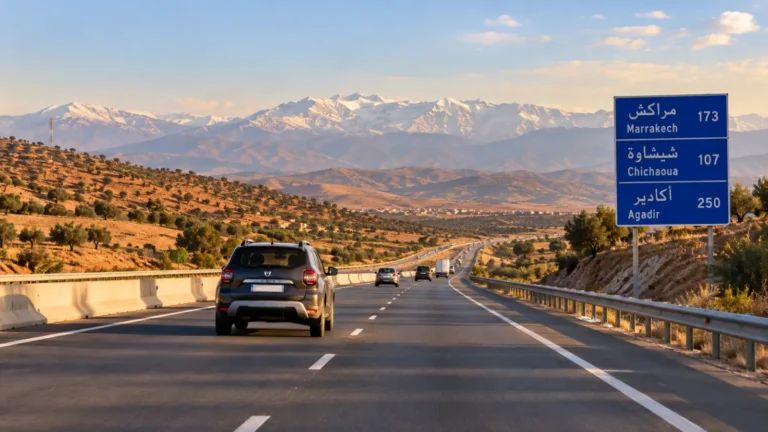
Snow-capped High Atlas views are a strong possibility in February and can make a striking backdrop to Marrakech. Clear winter air can also make mountain landscapes look especially sharp.
But visible snow from the city does not mean mountain travel is straightforward. Heavy snowfall at altitude can create slippery roads, closures and access problems.
Can you visit Ourika or Imlil in February?
Yes, when the weather is stable. Lower-altitude Atlas valley and village trips can be rewarding in February, with cooler air, greener scenery and a quieter feel than in hotter months.
Expect conditions to be much colder than Marrakech. Take proper layers, closed footwear and a waterproof outer layer if rain or snow is possible.
High-altitude trekking is a different proposition. Snow and ice can make routes more technical, and winter mountain travel may require experienced local guidance and suitable equipment.
Is Oukaïmeden worth visiting in February?
February can bring good snow in suitable winters, but do not assume that visible snow means all ski infrastructure is functioning or that access is easy. Road and lift conditions depend heavily on recent weather.
For the practical realities of skiing in Morocco, see the dedicated guide to skiing in the Atlas Mountains.
Agafay in February: comfortable days, very cold evenings
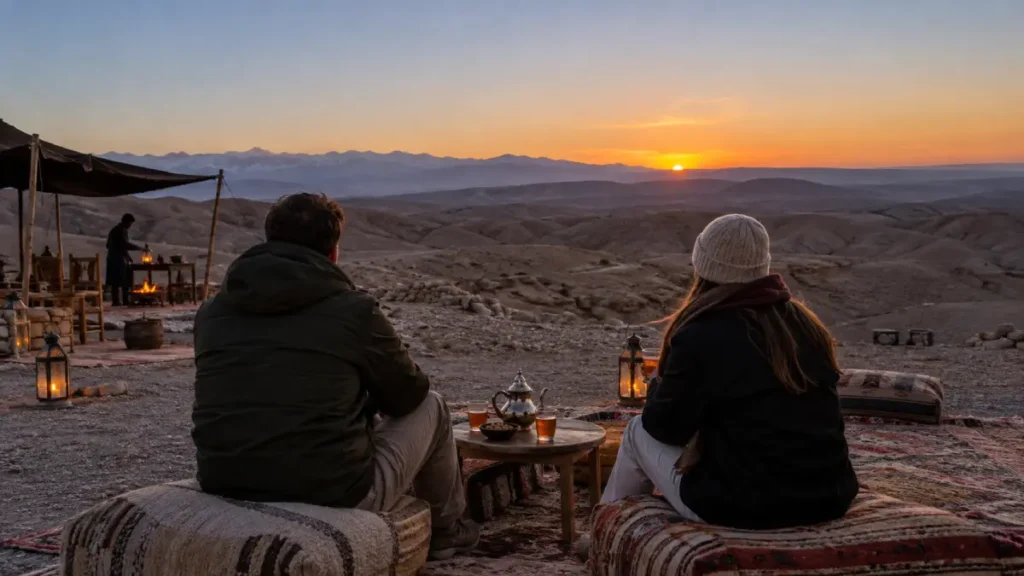
February is far more comfortable than summer for an Agafay day trip. The daytime sun is pleasant for camel rides, quad excursions, lunch stops and open desert scenery without intense heat.
The evening is the important part to plan for. If you are staying for sunset, dinner or an overnight camp, take warm trousers, a sweater or fleece and a proper jacket. Temperatures can drop sharply after dark.
Before booking an Agafay camp, confirm its practical cold-weather setup:
- Are blankets supplied?
- Is there room heating or a fireplace?
- Are dining areas sheltered?
- Is transport available after dark if conditions change?
Do not judge February desert comfort by the afternoon temperature alone. Compare the different formats in my guide to Agafay Desert tours from Marrakech.
Is February a good time for a Marrakech-to-Sahara trip?
Yes, February is one of the better periods for a Sahara journey from Marrakech if you want comfortable daytime conditions for dune exploration. The main limitation is cold desert nights.
Pack more warmly than you think you need:
- Thermals or warm sleep layers.
- Thick socks.
- A warm sweater or fleece.
- A proper jacket.
- Closed shoes.
The route from Marrakech also crosses High Atlas terrain, so winter road conditions should be checked before departure.
Hot-air ballooning in February
February can offer attractive views towards the High Atlas, particularly on clear mornings. The trade-off is the dawn start: waiting for pickup and standing before the flight can feel very cold.
Wear layers that you can remove later in the morning, including a warm jacket for the pre-flight wait. Clear, unobstructed mountain views are always weather-dependent.
For practical advice on choosing and booking this activity, read the Marrakech hot-air balloon guide.
February art events and contemporary Marrakech
February can be especially interesting for travelers who want more than Medina sightseeing. For example, the 2026 edition of the 1-54 Contemporary African Art Fair ran at La Mamounia from 5 to 8 February, with public days on 7 and 8 February.
Dates, venue, public access and registration requirements can change from year to year, so check the official 1-54 Marrakech announcement and the current event information before planning a trip around it.
Who should choose Marrakech in February?
February suits several types of travelers particularly well.
Families with children
The lack of summer heat makes sightseeing and outdoor excursions easier with children. Book earlier if your trip falls in a school-holiday period, especially for family-friendly accommodation and flights.
Older travelers
Mild daytime temperatures make long sightseeing days considerably less exhausting than in the hotter months. Prioritize a riad or hotel with reliable heating if you feel the cold easily.
Winter-sun travelers
February offers plenty of pleasant sunshine, terraces and outdoor time, but it is not guaranteed hot-weather pool season. Choose heated-pool accommodation if swimming is central to your holiday.
Walkers and first-time Marrakech visitors
This is an excellent month for exploring the Medina on foot. You can browse souks, visit palaces and gardens, and spend time around Jemaa el-Fnaa without planning every hour around heat avoidance. Start with the wider Marrakech travel guide if you are still deciding where to stay and what to prioritise.
Final February planning checklist
Marrakech in February works best when you plan for both sunshine and winter evenings.
- Pack layers rather than summer-only clothing.
- Confirm bedroom heating before booking a traditional riad.
- Book a heated pool specifically if swimming matters.
- Carry a lightweight rain layer.
- Reserve popular restaurants ahead.
- Take warmer clothing for Agafay, Atlas trips and Sahara overnights.
- Check mountain roads and weather before heading towards Imlil, Ourika or Oukaïmeden.
- Do not assume February is empty during school holidays or art-event dates.
February is not Marrakech at its hottest, but that is exactly the appeal. It gives you long walking days, sunlit lunches, lively evenings and a gradual sense of spring arriving—while the Atlas still holds onto winter.
FAQ
Is Marrakech warm in February?
Marrakech is often pleasantly mild and sunny during the afternoon, commonly feeling broadly in the low 20s Celsius on a normal sunny day. Mornings and evenings are much colder, so bring a warm jacket and layers.
Can you swim in Marrakech in February?
Only if the pool is genuinely heated. Ordinary unheated riad pools can remain very cold in February, even when the afternoon feels warm. Confirm that heating operates during your stay before booking.
Does it rain in Marrakech in February?
Rain is possible in February, and it is among Marrakech’s relatively rainier months. In practice, it is often intermittent rather than constant, but a light waterproof layer and a forecast check are sensible.
What should I wear in Marrakech at night in February?
Wear a sweater or fleece with a warmer jacket. A scarf is useful, especially for rooftop dinners, Jemaa el-Fnaa after dark, Agafay sunset trips and Atlas excursions.
Is February a good month for an Atlas Mountains day trip?
It can be excellent for lower-altitude valleys and villages when weather is stable, but it will be much colder than Marrakech. Check road and snow conditions before travelling, particularly for Imlil, Oukaïmeden and higher-altitude areas.