Is Morocco Expensive in 2026? A Local Guide to Real Costs, Value and Daily Budgets
People ask me this every single week on tour: “Youness, is Morocco expensive?”
The honest answer in 2026: no – not if you understand how the country works. Morocco is still a high‑value destination, usually 40–60% cheaper than Western Europe, but prices have gone up a bit in the last couple of years. The trick is knowing where your money actually goes.
I’m Youness, a licensed Moroccan tour guide based in Marrakech. I’ve been leading groups across the country for more than 20 years – from “is this a bed?” desert camps to ultra‑luxury riads – so I see the real numbers every season. In this guide I’ll explain exactly how expensive Morocco is, what you can expect to pay per day, and how different budgets (backpacker, mid‑range, luxury, digital nomad) really play out on the ground.
Table of Contents
Table of Contents
Quick Answer: Daily Budget Ranges in Morocco 2026
Let’s start with the snapshot. If you just wanted to know “is Morocco expensive to visit in 2026?”, here’s the quick answer per person, excluding flights:
- Backpacker / Budget:
300–600 MAD / $30–$60 per day
Dorm beds, street food, CTM/Supratours buses, basic desert tour. - Mid‑range:
800–1,500 MAD / $80–$150 per day
Private riad rooms, mix of street food and sit‑down restaurants, trains and some private transfers. - Comfortable / Luxury:
2,500+ MAD / $250+ per day
High‑end riads or 5* hotels, private driver, luxury Sahara camp, rooftop dinners, drinks.
Rough exchange rate in 2026:
- 1 US$ ≈ 9.2–10 MAD
- 1 € ≈ 9.8–10.5 MAD
So is Morocco expensive for tourists? Compared to Spain or France, no – usually your hotel, food and transport cost 40–60% less, while the “big splurges” (Sahara, alcohol, top riads) can feel Western‑priced or more.
2026 Travel Realities: What’s Changed?
Prices in Morocco are not frozen in time. Since around 2022–2023, we’ve seen:
- General inflation: daily costs up roughly 10–15% compared to 2 years ago.
- Post‑earthquake spending in some regions, especially around Marrakech and the Atlas, which brought more investment and some price creep in popular areas.
- World Cup 2030 prep starting to push “high‑value” tourism messaging: better infrastructure, but also more focus on mid and upper‑range travellers.
Even with that, when guests compare their Morocco trip cost 2026 with a week in Italy or France, they still usually say:
“We got much more experience per dollar here.”
Morocco’s value is best when you:
- Spend on experiences (good guide in Fes, a quality desert camp, maybe a private driver on long days),
- Keep accommodation and food sensible – you don’t have to sleep in La Mamounia to have an amazing time.
The Digital Nomad Revolution: Is Morocco Expensive to Live Long‑Term?

Morocco in 2026 is quietly becoming attractive for digital nomads and long‑stay travellers. If you’re thinking of working from here, the question “how expensive is Morocco?” becomes more about monthly cost of living.
Connectivity & eSIM Reality
- Fiber internet: increasingly common in modern flats in Marrakech (Gueliz), Casablanca, Rabat, Tangier.
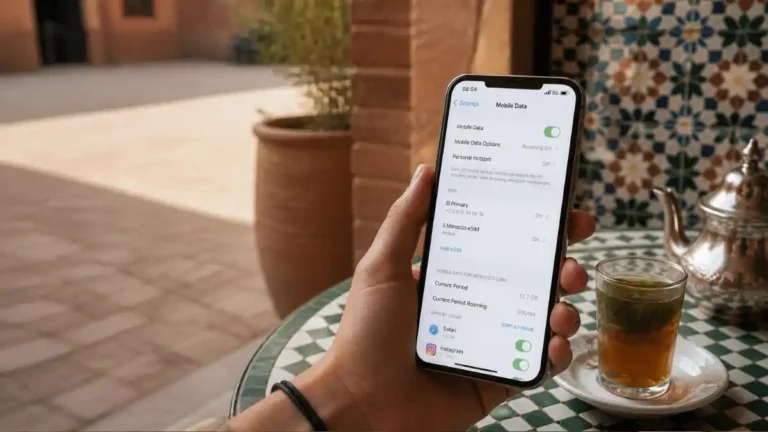
- Mobile data: cheap by Western standards. A 4G/5G eSIM for Morocco (through providers like Airalo, Holafly, Saily, Simbye, or a local operator’s eSIM) often starts around $3–$5 for a small data pack, with larger packages for 7/14/30 days still very reasonable.
- For stability, I recommend combining home fiber + a Morocco eSIM 2026 for backup when the café Wi‑Fi dies.
Best Cities for Nomads (From What I Actually See)
- Marrakech (Gueliz / Hivernage):
Lots of cafés, co‑working spaces, and a good mix of locals/expats. More expensive than smaller towns but still far cheaper than Western Europe. - Casablanca:
Business city, strong infrastructure, less “holiday” vibe but very functional. - Taghazout:
Surfboards + laptops. Good for a season if you like waves and a social scene. - Essaouira:
Windy, artistic, slower. Great if you’re writing, designing, or just need inspiration.
Real Monthly Costs for Nomads
From friends, guests and my own estimates:
- Rent for a modern 1‑bed with good Wi‑Fi:
€500–€900 / $540–$970 per month in Marrakech or Casablanca. - Total monthly budget for a comfortable lifestyle:
€1,000–€1,500 / $1,100–$1,600
→ Rent, food, cafés, some co‑working, local transport, and a few weekend trips.
So is Morocco expensive to live in long‑term? Not really. It’s cheaper than Western Europe, but not “super cheap Asia”. Think good value rather than rock‑bottom.
Accommodation: From $10 Dorms to $1,000 Palaces
One big piece of “how expensive is Morocco?” depends on where you sleep. The range is huge.
Hostels & Budget Stays
- Dorm beds: usually 100–250 MAD / $10–$25 per night.
- Expect basic but fine; some hostels are surprisingly stylish now, especially in Marrakech and Taghazout.
Mid‑Range Riads & Hotels
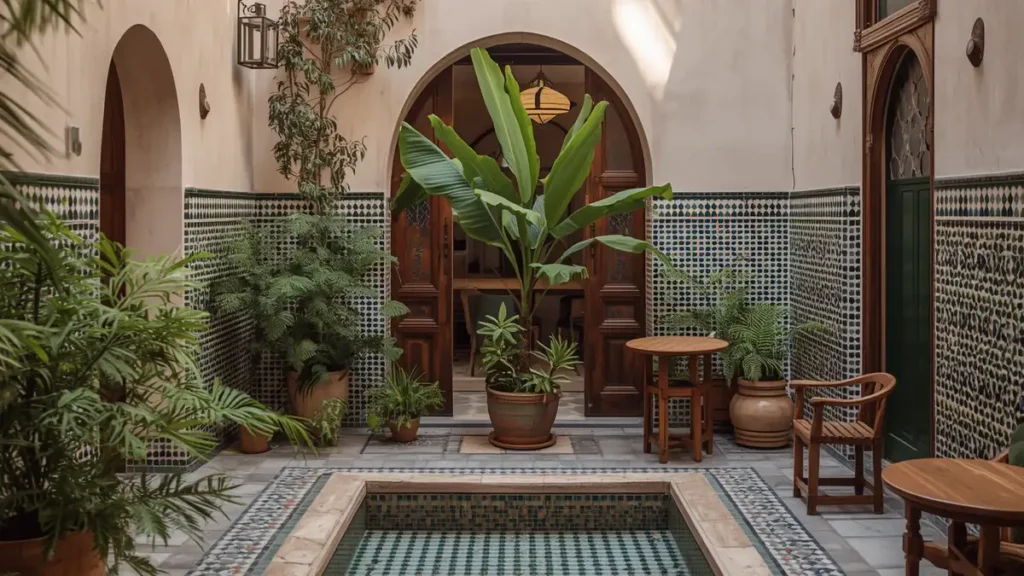
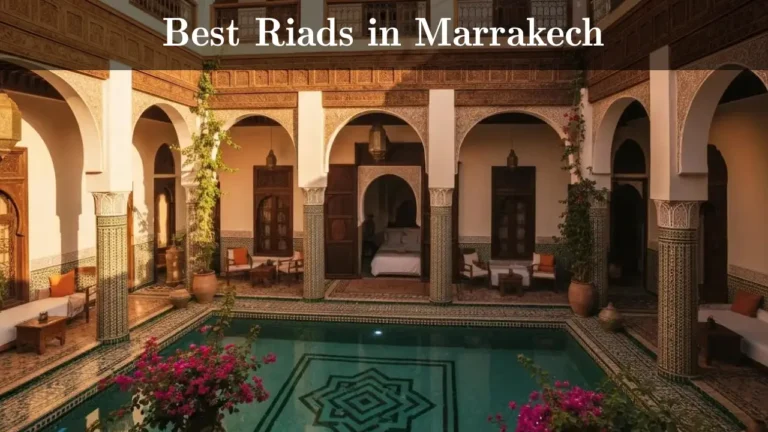
- Typical riad in Marrakech or Fes (private room):
450–1,200 MAD / $50–$120 per room per night. - At this level, you can expect:
- Comfortable bed, private bathroom, breakfast,
- Courtyard or rooftop,
- Sometimes a small pool.
This is where most of my mid‑range guests are happiest. You get the “Marrakech medina guide” vibe and the classic riad experience without burning money.
Luxury Riads & Palaces
- High‑end riad or 5* like La Mamounia, Royal Mansour, etc.:
3,000–5,000+ MAD / $300–$500+ per night. - World‑class service, spas, lavish breakfasts, huge suites.
These can be worth it for 1–2 nights as a special experience, but I often tell guests that if they’re balancing value, it’s smarter to:
- Spend less on the room,
- Invest more in a top‑quality Sahara camp or a good private driver for long desert/Atlas days.
The 2026 Food & Dining Scene: How Expensive Is Food in Morocco?
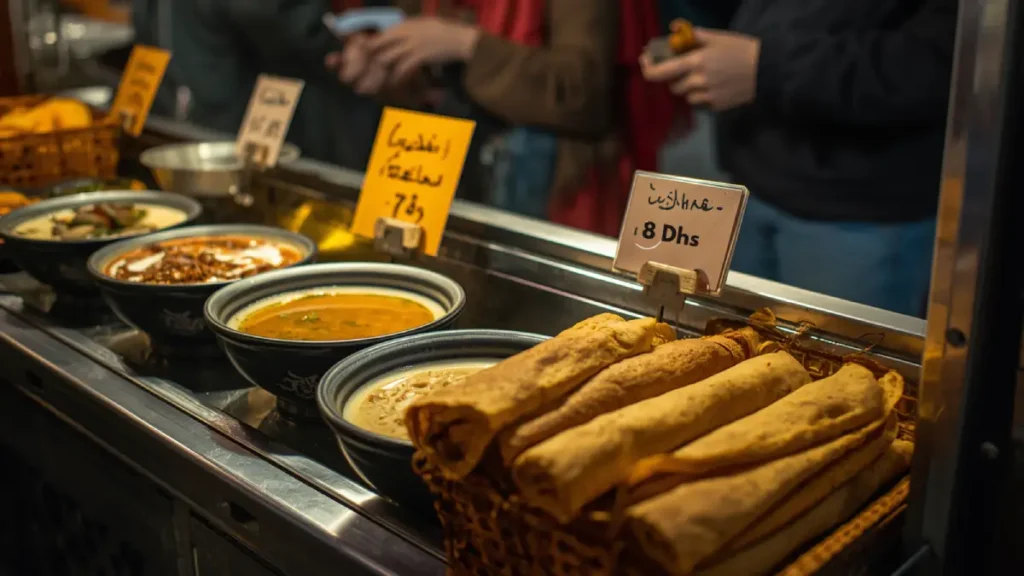
Food is where many people are pleasantly surprised. How expensive is food in Morocco? Less than you think, unless you live on rooftop cocktails.
Rough Food Prices (2026)
- Street food snack
Msemen + tea, or harira + bread: 10–25 MAD / $1–$2.50. - Basic tagine or couscous in a non‑touristy place:
40–100 MAD / $4–$10 per dish. - “Nice” dinner in Marrakech (good restaurant but not crazy):
150–250 MAD / $15–$25 per person for main + maybe starter or dessert. - Glass of wine or beer in a licensed bar/restaurant:
50–90 MAD / $5–$9.
Alcohol is where you really feel the taxes – sometimes the wine costs more than your tajine.
Eating on $10/day vs $50/day
- $10/day (~100 MAD):
- Breakfast: street pastry + coffee
- Lunch: harira + bread, fruit
- Dinner: basic tajine or sandwich
- It’s possible, but you’ll feel restricted.
- $20–$30/day (200–300 MAD) is a more realistic backpacking Morocco daily budget 2026 for food if you want to enjoy yourself: mix of street food and simple cafés.
- $40–$80/day (400–800 MAD) puts you comfortably into rooftop dining, nice lunches, speciality coffee, dessert – the “Instagram” side of eating in Morocco.
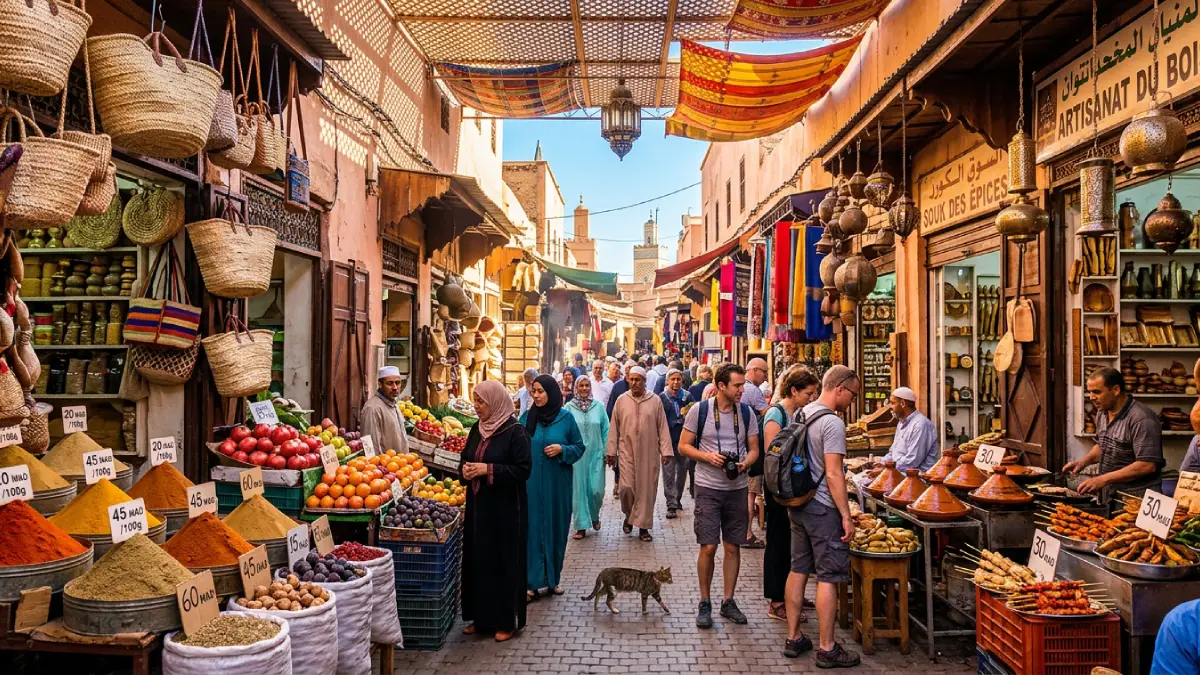
Insider tip: move just two streets away from the main square (especially in Marrakech and Fes) and prices often drop by 30–50% with better food.
Transport: How Much Does It Cost to Get Around?
Morocco’s transport network is one of the things that keeps overall prices down.
Trains: Al Boraq and Classic ONCF
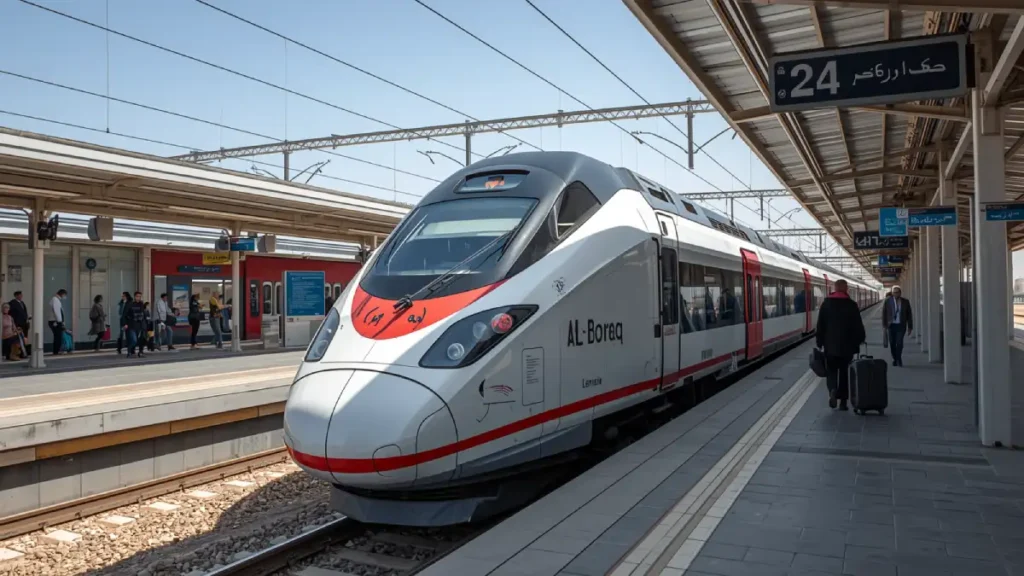
- Al Boraq high‑speed train (Tangier–Casablanca):
- 2nd class: around 150–240 MAD / $15–$24
- 1st class: around 200–300 MAD / $20–$30
- About 2 hours, comfortable and fast.
- Classic trains (e.g. Casablanca–Marrakech, Rabat–Fes) are cheaper than high‑speed but still good value.
Intercity Buses
- CTM & Supratours are the main companies – clean and reliable.
Examples:
- Marrakech–Essaouira: 80–110 MAD / $8–$11
- Marrakech–Agadir: 120–190 MAD / $12–$19
Compared to Western Europe, this keeps your average cost of travel in Morocco very low, especially for backpackers.
Car Rental vs Private Driver
- Car rental Morocco prices:
250–500 MAD / $25–$45 per day + fuel for a basic car. - Private driver with car (multi‑day trips):
Around 700–1,200 MAD / $65–$110 per day for the vehicle and driver.
I often tell guests:
- Rent a car if you’re experienced with driving abroad, comfortable with local style and don’t mind navigation.
- Pay for a private driver Marrakech or Fes if you want stress‑free days in the Atlas or Sahara: you arrive less tired and you gain a local filter on what you’re seeing.
City Taxis
- Petit taxis (small city taxis) are cheap, but:
- Always insist on the “compteur” (meter),
- Or agree a price before you start.
The Sahara Splurge: The Big Ticket Item
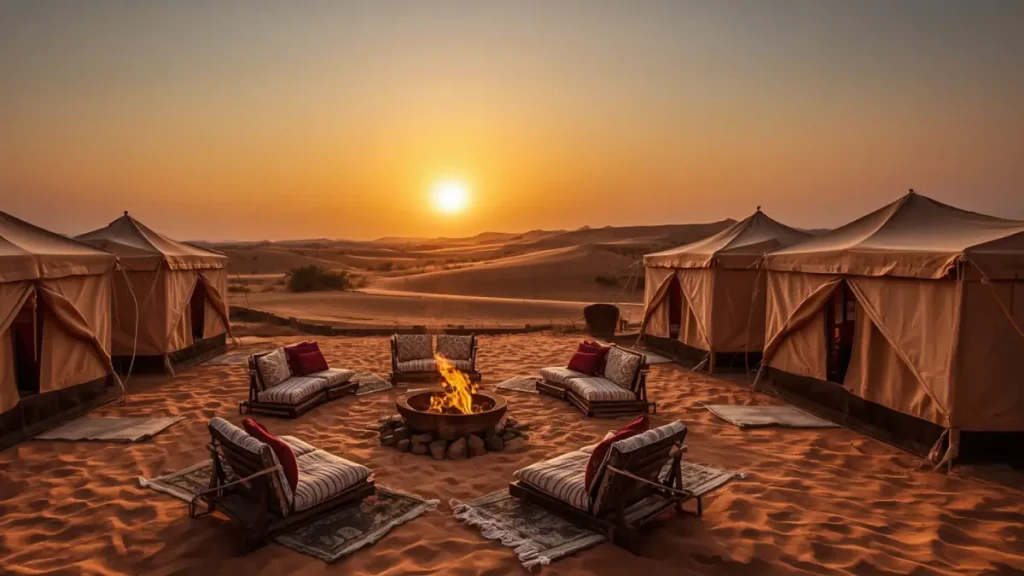
When we talk about Morocco trip cost 2026, the Sahara desert tour is usually the single biggest in‑country expense after flights.
Roughly:
- Budget shared 2–3 day tours (Marrakech–Merzouga return):
900–1,200 MAD / $90–$120 per person - Big groups, basic camps, lots of hours on the road.
- Comfortable private Sahara tour (my usual style with Morkosh Tours):
Generally $200–$400+ per person, depending on group size and camp quality. - Smaller groups, nicer hotels on the way, proper desert camp with good food and hot showers.
- Luxury camp per night:
$300–$600+ per tent (chef‑prepared meals, beautiful décor, hot showers, sometimes even AC).
This is where I always say:
“If you’re going to spend money somewhere, spend it on the desert – not just on an expensive riad every night.”
Seasonal Strategy & Cost Optimisation
Best Value Months
- March–May and September–November
- Good weather, not too hot or cold.
- Prices are moderate, crowds more manageable.
- For me, this is the cheapest time to visit Morocco 2026 in terms of value: you get nice weather without Christmas/Easter prices.
Summer (June–August)
- Can be very hot in Marrakech, Fes, and the desert.
- But on the Atlantic coast (Essaouira, Taghazout, Agadir), it’s actually pleasant.
- Many riads and hotels offer 30–40% discounts compared to peak winter/spring rates.
If you can handle heat or stay mostly on the coast, summer can be a smart money move.
Money Logistics: Cash, Hidden Costs and Saving Hacks
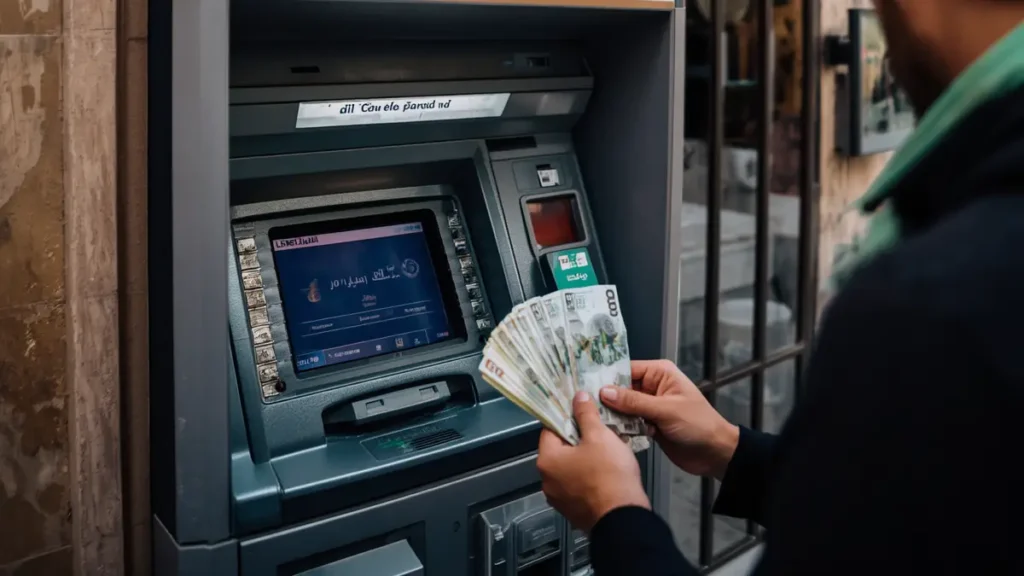
Cash vs Card
You can use cards more than before, but cash is still king in:
- Souks and markets
- Taxis
- Small cafés and snack bars
- Many riads in the medinas
- Tips
A good rule is to have 200–300 MAD / $20–$30 per day of cash on you for daily spending, plus your card for larger payments.
How Much Cash Should You Bring?
- Don’t bring huge amounts of foreign cash.
- Use ATMs in Morocco to withdraw in Moroccan Dirhams (MAD).
- Always decline “dynamic currency conversion” at ATMs and choose to be charged in MAD.
For a smoother experience with fewer fees, I recommend using a multi‑currency card like Wise tied to local ATMs and card payments, which I explain in more detail in my Money & SIM guide on Morocco Unfolded.
Hidden Costs to Remember
- Tourist tax in accommodations: often ~25–35 MAD / $2.50–$3.50 per person per night. Sometimes included in booking, sometimes added on arrival.
- Tipping culture:
- Cafés: 5–10 MAD
- Restaurants: around 10%
- Private drivers or guides: 100–150 MAD per day (more if you’re very happy).
- SIM / eSIM: small cost, but essential if you’re navigating on your own. A local Morocco travel SIM card or eSIM saves you a lot of roaming fees.
Visa Costs
For many travellers (US, UK, EU, Canada), Morocco visa requirements are simple:
- Visa‑free for up to 90 days.
- So no visa fee – one more area where Morocco stays cheaper than many destinations.
Always double‑check based on your passport, but for most of my guests, visa costs = $0.
Sample 2026 Trip Costs
To make all this concrete, here are rough per person totals (excluding flights):
7‑Day Budget Trip (Backpacker Style)
- Route: Casablanca → Marrakech → Essaouira → Casablanca
- Dorms, street food, buses, budget Sahara side trip or just day trips.
Total:
$450–$700
→ About $65–$100/day, including a couple of tours or activities.
10‑Day Mid‑Range Trip
- Route: Casablanca → Marrakech → Sahara (Merzouga) → Fes → Chefchaouen.
- Private riads, mix of food options, CTM/Supratours + some trains, mid‑range desert tour.
Total:
$1,300–$2,200
→ Roughly $130–$220/day depending on how nice your riads and desert camp are.
10‑Day Luxury Trip
- Same idea as above but:
- High‑end riads, 5* hotels,
- Private driver most days,
- Top‑end desert camp.
Total:
$3,500+ per person very easily.
It can go even higher if you choose only the most expensive addresses in Marrakech and Fes and add internal flights.
So… Is Morocco Expensive in 2026? My Honest Verdict
When guests ask me “is Morocco expensive to visit?”, I answer like this:
“Morocco is as cheap or as expensive as you decide to make it. You can survive on €30 a day if you really push, or you can spend €300 a day without trying. But compared to Western Europe, you usually get more culture, more variety, and better hospitality per dollar here.”
If you:
- Eat where locals eat,
- Use trains and good buses,
- Choose riads in the mid‑range band, and
- Spend your big money on experiences (a proper Sahara trip, a good guide in Fes, maybe a private driver on long routes),
…then Morocco 2026 is still one of the best “experience per euro” destinations I know.
If you’d like help building a realistic route that matches your budget – whether that’s backpacker or “celebrate a big birthday” – you can always reach out to me via Morocco Unfolded or through my company Morkosh Tours and I’ll help you shape something that fits your wallet and your energy.
FAQ: Is Morocco Expensive? (2026 Edition)
How much does a week in Morocco cost per person?
Excluding flights, a budget week is usually $450–$700, staying in hostels and eating mostly street food. A mid‑range week with comfortable riads, some guided tours and a few nicer dinners tends to be $900–$1,500 per person.
Is Morocco expensive for tourists in 2026?
Prices have gone up about 10–15% in recent years, but Morocco is still a high‑value destination. For most travellers it works out 40–60% cheaper than Western Europe for hotels, food and internal transport, especially if you avoid only eating in tourist squares.
How much cash should I bring to Morocco?
You don’t need to bring huge amounts of cash. Plan on keeping 200–300 MAD ($20–$30) in your wallet per day for small payments (souks, taxis, tips, snacks), and use ATMs to withdraw the rest as you go. Always withdraw in MAD and decline any “charge in your home currency” option.
Is Morocco cheaper than Spain or France?
Yes, in most categories. A decent riad room, train or bus ticket, and local meals will usually be significantly cheaper than the same things in Spain or France. High‑end luxury hotels and imported alcohol can be similar or even more expensive, but day‑to‑day costs for most travellers are noticeably lower.
Can I travel to Morocco on €30 a day?
It’s possible but tight. On €30/day you’re looking at dorm beds, almost all street food, buses, and very few paid activities. A more comfortable floor where you can still enjoy yourself without counting every dirham is around €40–€45/day for budget travel.
What is the biggest cost of a Morocco trip?
For most people, the single biggest cost is international flights. Inside Morocco, the largest line items are usually the Sahara desert tour (if you do one) and accommodation, especially in Marrakech and Fes if you choose higher‑end riads or hotels.
If you want, the next step is to plug this cost overview into a real itinerary: 7 days, 10 days, or 14 days. I break these down in my itineraries on Morocco Unfolded and I’m happy to help you adapt them to your budget.