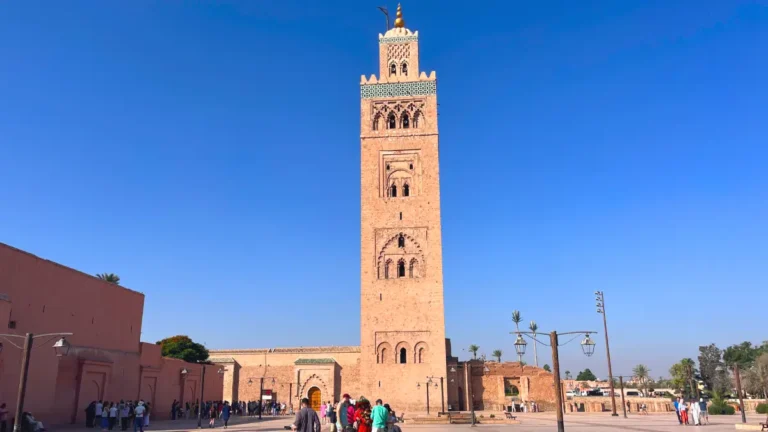

Marrakech in January is a very good choice for travelers who want to explore rather than sunbathe. Expect mild, often sunny afternoons, crisp light for photography and much easier walking than in the hot months—but also cold dawns, chilly riads and evenings that call for a proper jacket.
It is Marrakech’s coolest month, which is exactly why it works so well for Medina walks, gardens, hammams, food tours and day trips. The key is packing layers and choosing accommodation that is genuinely comfortable in winter.
Table of Contents
Table of Contents
Is January a good time to visit Marrakech?
Yes—if you see it as a winter city break with sunshine rather than a conventional warm-weather holiday.
January particularly suits:
- Culture-focused travelers visiting palaces, museums, souks and historic districts
- Photographers who appreciate clear winter light and lower, softer sun
- Families who want to sightsee without the physical strain of summer heat
- Older travelers who find Marrakech’s hot-season temperatures difficult
- Visitors looking for a calmer period after the Christmas and New Year rush
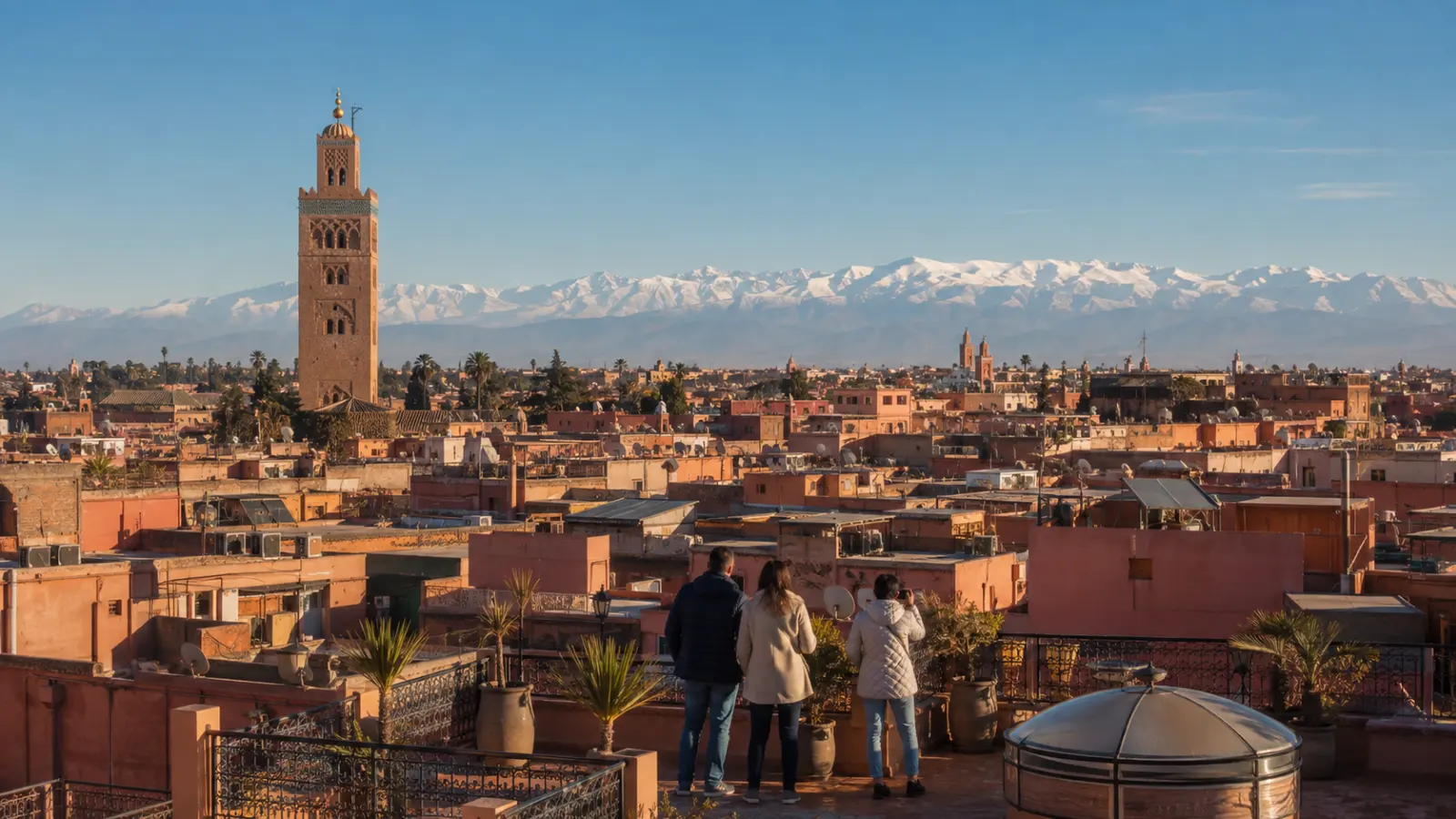
- Travelers interested in seeing snow in the High Atlas Mountains
It is less suitable if your main goal is swimming every day, wearing light clothes into the evening or sitting outside until midnight in summer-style temperatures. Marrakech can look sunny in January while still feeling surprisingly cold once the sun drops.
For a broader overview of the city before choosing your area and itinerary, see this Marrakech travel guide.
Marrakech weather in January: mild days, cold mornings and chilly nights
The most important thing to understand about Marrakech weather in January is the temperature swing. A bright afternoon can feel comfortably mild, then the same day can end with a cold breakfast and a jacket-worthy evening.
According to WMO 1991–2020 climate normals for Marrakech, January has an average daily minimum of 5.9°C and an average daily maximum of 19.1°C. These are monthly averages, not a forecast, so visitors should prepare for both pleasant sun and genuine winter chill.
January afternoons can feel pleasantly warm in the sun
Sunny January afternoons are often mild and dry enough for a T-shirt, light blouse or shirt, especially when walking in direct sunshine. Temperatures commonly sit in the high teens to low 20s Celsius, and occasionally feel warmer in sheltered sunny spots.
The official Marrakech tourism guide notes that winter temperatures can reach around 20–25°C at midday. Treat that as a possibility rather than a daily guarantee: cloud, wind and shaded Medina lanes can feel distinctly cooler.
The practical approach is simple: start with layers, then remove them during the warmest part of the day.
Breakfast can be colder than visitors expect
Early mornings are one of January’s biggest surprises. Before the sun reaches courtyards, terraces and narrow Medina lanes, temperatures can sit around 4–6°C.
A warm coat, jumper or fleece, closed shoes and even a scarf can be entirely reasonable at breakfast. This is especially true in traditional riads with open courtyards and tiled floors.
Do not pack for Marrakech in January based on the word “Africa” alone. Travelers who bring only summer clothes are often caught out by cold dawns and cool accommodation.
Nights are cold enough for a real jacket
Once the sunlight disappears, Marrakech cools quickly. Evenings often move into roughly 6–9°C territory, making rooftops, courtyards and open-air dining noticeably chilly.
For dinner, Jemaa el-Fnaa or a rooftop drink, pack:
- Long trousers
- A warm jumper, cardigan or fleece
- A proper jacket rather than a thin overshirt
- Closed shoes or trainers
- A scarf if you feel the cold easily
The city remains lively after dark, but January is not a light-clothes-at-midnight month.
Does it rain in Marrakech in January?
Rainfall remains fairly limited by European winter standards, but January is not guaranteed rain-free. WMO normals indicate around 25 mm of rain across approximately five days during the month.
In practice, rain is often more likely to arrive as short showers or intermittent wet spells than as a week of constant rain. Still, it is sensible to bring a compact waterproof layer, particularly if you are planning a day trip into the Atlas Mountains.
A lightweight waterproof jacket is more useful than an umbrella in the Medina, where narrow streets, crowds and market stalls make umbrellas awkward.
What to wear in Marrakech in January
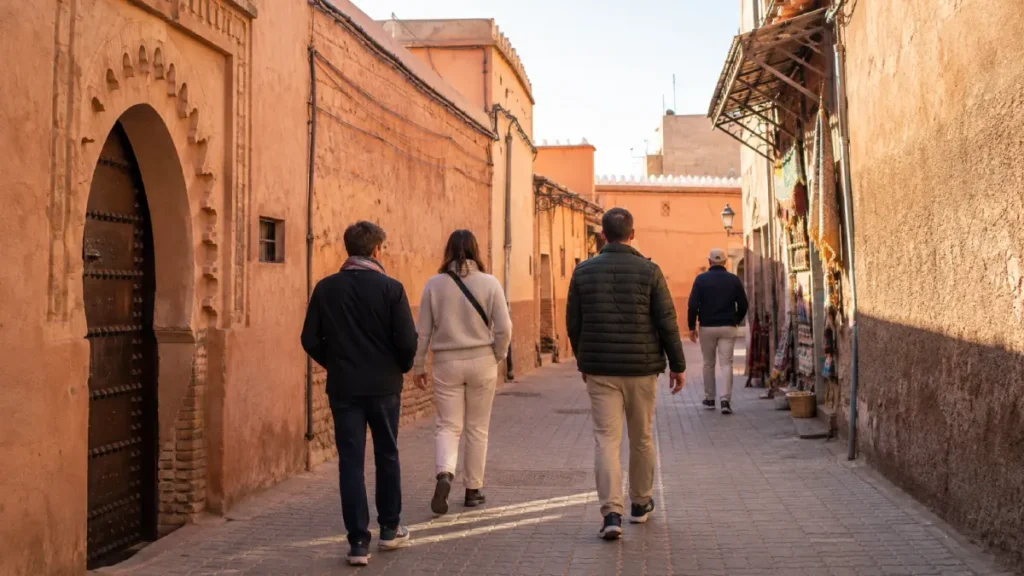
Layers are essential because you may need to add or remove clothing several times in one day.
A practical January packing formula
For mornings:
- Jumper, fleece or warm cardigan
- Warm jacket or coat
- Closed walking shoes
- Scarf if desired
For afternoons:
- T-shirt, light blouse or shirt
- A removable mid-layer
- Sunglasses and sunscreen for sunny walks
For evenings:
- Long trousers
- Warm jumper or cardigan
- Jacket
- Closed shoes
For traditional riads:
- Warm pyjamas or sleep layers
- Warm socks or slippers for tiled floors
- An extra layer for breakfast in the courtyard
Comfortable closed walking shoes are the best all-round choice for Medina streets. They handle uneven paving, long sightseeing days and cooler mornings better than sandals.
Dress according to your own comfort, your planned activities and the local setting. There is no need to treat below-knee clothing as a universal rule, but visitors generally find that modest, relaxed clothing works well in the Medina, religious sites and everyday city life.
For a fuller year-round checklist, use this Morocco packing list.
Choose a riad carefully: January reveals cold accommodation
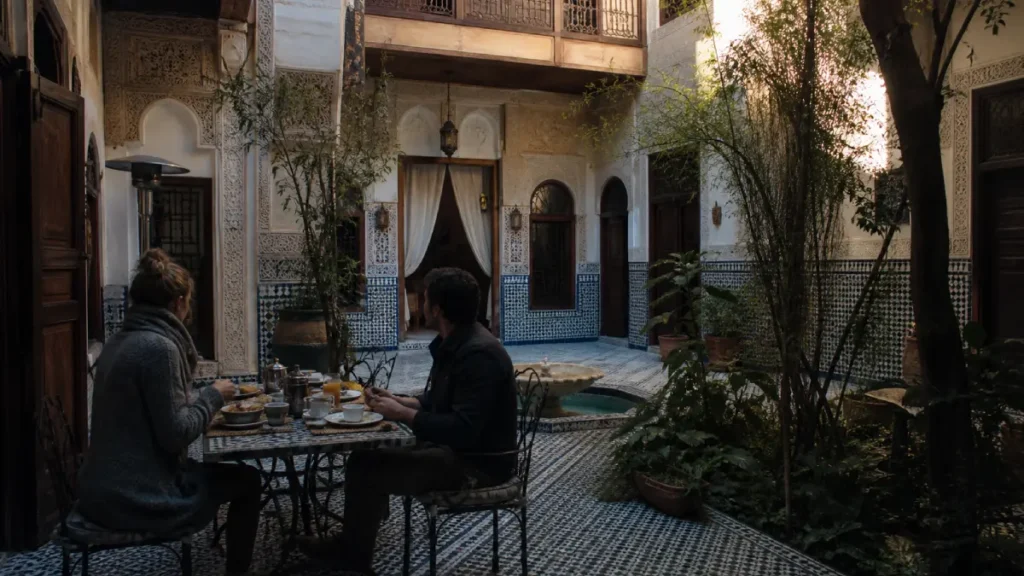
One of the most useful local tips for Marrakech in January concerns riads. Traditional riads are beautiful, but their thick walls, tiled floors and open courtyards were designed to stay cool during hot weather. In winter, those same features can leave interiors feeling colder than guests expect. Use my guide to where to stay in Marrakech to compare the Medina with modern hotel areas.
It is not unusual for visitors to wear coats at breakfast inside their accommodation.
Before booking, ask the property directly:
- How are bedrooms heated?
- Does the heating work reliably overnight?
- Are bathrooms heated?
- Are common areas and breakfast spaces warm in winter?
- Is there a heated pool, if swimming matters to you?
Do not assume that a stylish riad automatically means warm winter comfort. A well-heated room can make a major difference to how much you enjoy January.
Can you swim in Marrakech in January?
Only count on swimming if your accommodation confirms that its pool is genuinely heated during January.
A pool listed as “heated” can still be unappealing if the surrounding courtyard air is cold, especially when getting out of the water. Outdoor pools without heating are usually better viewed as decorative than swim-ready in January.
If a pool is a priority, ask for written confirmation before booking rather than relying on a general property description.
Families should take this seriously: January is excellent for active sightseeing, but children expecting daily pool time may be disappointed without a properly heated pool.
Why January can feel calmer after New Year
The Christmas and New Year period brings a seasonal rush to Marrakech. Once that passes—roughly after the first week of January—the city often feels noticeably calmer.
This can be an especially good window for visiting places such as Ben Youssef Madrasa, Bahia Palace and the souks with less visitor pressure than during the holiday peak. January after New Year can also be one of the better winter periods to compare hotel and activity prices.
Flights and accommodation rates change constantly, so avoid assuming that January will always be cheap. Instead, compare current prices for dates after the first holiday week and look at a few different neighborhoods and riad styles before booking.
The best things to do in Marrakech in January
January rewards travelers who build their days around walking, culture and warming indoor experiences rather than pool time.
Explore the Medina and souks without summer heat
The cooler weather makes long walks through the Medina much more manageable. You can spend time in the souks, wander between workshops and spice stalls, pause for tea and continue exploring without the exhaustion that hot afternoons bring later in the year.
Morning shade can be cold, so begin with a jacket. By late morning, you may be comfortable in a lighter layer.
Visit Bahia Palace and Ben Youssef Madrasa early
January’s post-holiday calm can make it a good month to visit Marrakech’s major historic sites. Go earlier in the day, before visitor numbers build, then use the warmer late morning for the souks. My guide to the best things to do in Marrakech will help you choose the sights worth prioritising.
The contrast between cool courtyards and sunny open spaces is part of the winter experience, so keep a layer with you even when the forecast looks mild.
Use the warmest hours for gardens and rooftops
Jardin Majorelle and other gardens are most comfortable later in the morning or during the afternoon, when the sun is higher. Winter light can be particularly rewarding for photographs, with clearer skies and strong colour in the city’s ochre walls, painted doors and gardens.
A sunlit rooftop lunch is also one of January’s simple pleasures. Just do not assume the same rooftop will remain comfortable after sunset.
End the day at Jemaa el-Fnaa—with your jacket
Jemaa el-Fnaa remains lively in January. The evening atmosphere is especially appealing when grilled-food smoke, hot soup, mint tea and spiced tea meet the winter chill.
Bring your jacket rather than returning immediately to the riad at sunset. The square is still a major part of Marrakech after dark; it simply feels much colder than visitors often expect.
Book a hammam after a cool sightseeing day
A traditional hammam is enjoyable at any time of year, but it feels particularly welcome after walking through the Medina in winter air. January is a good month to combine an active day outside with a warming hammam and a slow Moroccan dinner in the evening.
Day trips from Marrakech in January
January can be one of the most interesting months for excursions, but mountain and desert trips need more preparation than they do in warm weather. Compare the main options in my guide to the best day trips from Marrakech.
The High Atlas and Oukaïmeden: the best chance of nearby snow
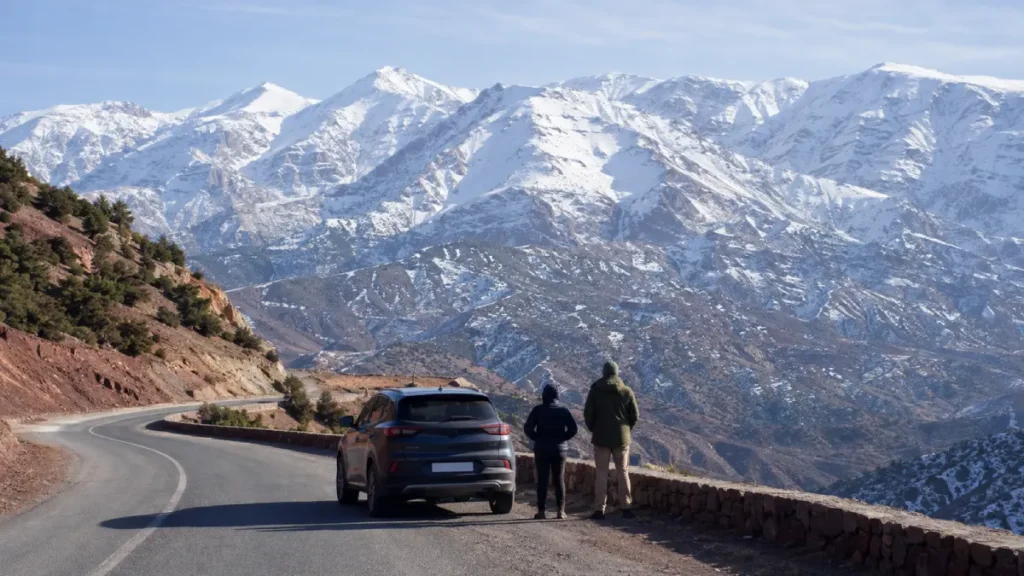
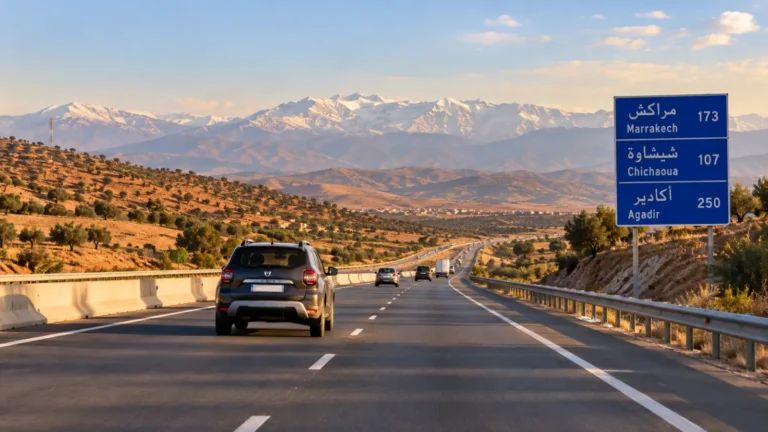
January offers one of the strongest chances of seeing snow in the High Atlas Mountains near Marrakech. Oukaïmeden and other high-altitude areas can be striking in winter, especially when Marrakech itself is mild and sunny.
However, snow days require flexibility. High-altitude roads can face snow, ice, congestion and temporary restrictions or closures. Do not assume ski lifts are operating simply because there is snow.
If skiing or a snow excursion is part of your plan, read the dedicated guide to skiing in Morocco’s Atlas Mountains and check conditions immediately before departure.
Imlil and Ourika: possible, but dress for mountain winter
Ordinary day trips to Imlil and Ourika can still work well in January when roads and weather are suitable. The contrast between Marrakech and mountain villages is substantial: blue skies in the city do not mean mild conditions at altitude.
Take warm layers, proper footwear and a waterproof outer layer. Casual village sightseeing is different from high mountain trekking, which requires more careful planning and should not be treated as a simple winter walk.
Agafay: good for sunset and dinner, not for light evening clothes
An Agafay sunset dinner can still be worthwhile in January. The daytime landscape may feel pleasant, but evenings are genuinely cold.
Take a heavy jacket and ideally a warm hat. Fires, rugs and blankets can improve comfort at camps, but do not assume they are provided—confirm the winter setup with your chosen provider.
Sahara trips need serious cold-weather packing
A Sahara trip from Marrakech is possible in January, but desert camps can be cold at night. Daytime conditions may be pleasant, while overnight temperatures can move toward freezing in some areas.
Pack thermals, warm socks, a jacket and sleep layers even if your camp supplies blankets. The High Atlas crossing is also part of the route, so current weather and road checks are essential before setting off.
Is hot-air ballooning worth it in January?
January can be an excellent time for a Marrakech hot-air balloon flight when conditions cooperate. Crisp visibility can make the Atlas views particularly attractive, including snow-capped peaks in the distance.
The main drawback is the pre-dawn cold. You will be waiting outside before sunrise, and that can feel very cold in January. Dress in warm layers, including a jacket, closed shoes and something for your neck or head if you are sensitive to cold.
Once airborne, the balloon burner makes the basket feel warmer, but it does not remove the need for proper pre-flight clothing. Read the practical details in this Marrakech hot-air balloon guide.
January has roughly 10 to 10.5 hours of daylight, gradually increasing through the month. Exact sunrise, sunset and balloon pickup times change by date and year, so confirm them shortly before the trip rather than relying on an old timetable.
A sensible January itinerary rhythm
January works best when you plan around the coldest and warmest parts of the day.
A practical day might look like this:
- Have breakfast at the riad wearing a warm layer.
- Visit Ben Youssef Madrasa or Bahia Palace early.
- Walk the souks during late morning.
- Use the warmest midday period for a sunny rooftop lunch.
- Visit Jardin Majorelle or another garden in the afternoon.
- Watch the orange winter sunset from a rooftop with tea or a drink—while wearing a jacket.
- Finish with a hammam or a warming Moroccan meal such as tagine.
This rhythm makes better use of January’s strengths than trying to spend long evening hours outdoors in light clothing.
Who should choose Marrakech in January?
Choose January if you want cool, walkable sightseeing days, winter sunshine, fewer post-holiday crowds and the possibility of snowy Atlas scenery.
Consider another period if you want dependable pool weather, warm nights, easy mountain conditions or a trip centered on sunbathing.
For the right traveler, Marrakech in January offers a relaxed and rewarding version of the city: bright days for exploring, quieter moments after New Year and a good excuse to slow down over tea, soup, tagines and hammams once the evening cool arrives.
FAQ
Is Marrakech warm in January?
Marrakech is usually mild during sunny afternoons but cold in the early morning and evening. January climate normals show average daytime highs around 19°C and average lows around 6°C, though actual conditions vary by day.
What should I pack for Marrakech in January?
Pack removable layers: a T-shirt or light shirt for warm afternoons, plus a jumper or fleece, warm jacket, long trousers and closed walking shoes. Bring warm pyjamas and socks if staying in a traditional riad.
Can you swim in Marrakech in January?
Only reliably if your accommodation has a genuinely heated pool. Confirm directly that heating operates during January, as an unheated outdoor pool is unlikely to be comfortable.
Is January a good time for an Atlas Mountains day trip?
Yes, when roads and weather are suitable. January offers a strong chance of seeing snow, but high-altitude routes may have ice, congestion or restrictions. Bring warm clothing and check conditions before leaving Marrakech.
Are Marrakech evenings cold in January?
Yes. Temperatures can fall into the mid-to-high single digits after sunset. Jemaa el-Fnaa, rooftops and open courtyards remain enjoyable, but you will want a warm layer and jacket.