How to Buy a Moroccan Rug in 2026: Local Guide Tips
Moroccan rugs have become a global design staple, but nothing beats the texture, color, and story of a piece that’s been hand‑woven in a souk you’ve walked through yourself. Whether you’re hunting for a bold Fez rug to anchor your living room or a delicate Beni Ourain for a bedside nook, the process of moroccan rug buying can feel overwhelming—especially in 2026, when online marketplaces flood the market with reproductions.
In this guide I’ll walk you through everything you need to know, from picking the right city and workshop to negotiating price, checking authenticity, and safely transporting your new treasure home. As a licensed tour guide and longtime rug enthusiast, I’ve spent countless afternoons haggling over kilims in Marrakech, Fez, and Chefchaouen, and I’m sharing the exact steps that have saved me money and ensured I left with genuine, high‑quality pieces.
Table of Contents
Table of Contents
Why Buying Directly in Morocco Beats Online Shopping
Authenticity you can feel
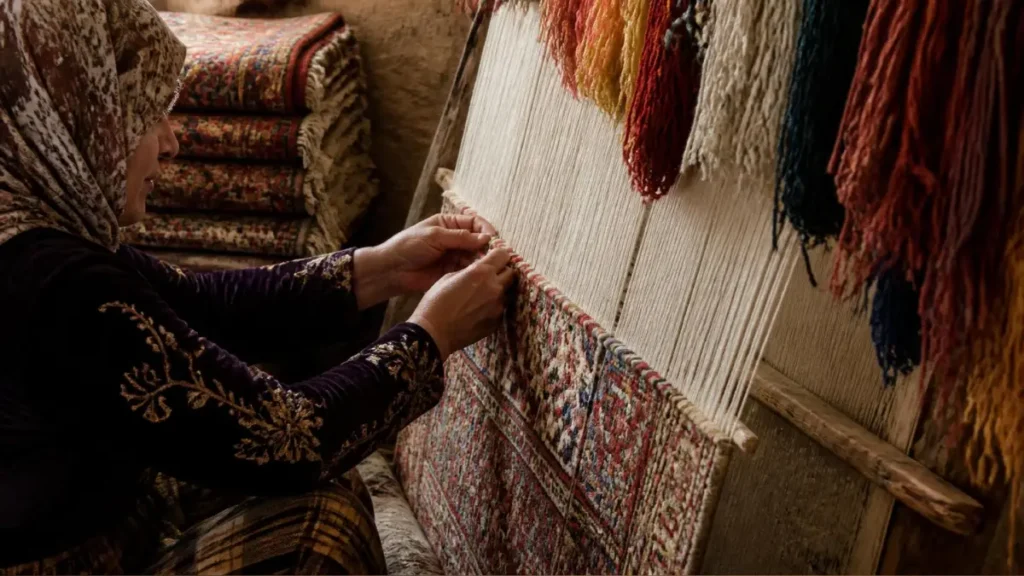
A rug bought in a Moroccan workshop carries the fingerprints of the weaver, the scent of the wool, and the subtle variations that only hand‑crafting can produce. Online sellers often list “hand‑made” pieces that are actually machine‑woven in Turkey or China. When you buy locally, you can ask the weaver about the dyes, the wool source, and even watch the loom in action.
Better price for the same quality
Because you’re cutting out the middleman, you usually pay 30‑50 % less than the retail price you’d see on a Western boutique. The only extra cost is the occasional transport fee, which I’ll explain later.
A story to tell
Every Moroccan rug has a story—whether it’s a tribal motif passed down through generations, a celebration of a wedding, or a simple daily prayer pattern. Owning that narrative adds a layer of meaning that no mass‑produced carpet can match.
Choosing the Right City for Rug Shopping Morocco
Not all Moroccan cities are created equal when it comes to rug shopping. Here’s a quick rundown of the hotspots and what they specialize in:
| City | Signature Styles | Typical Price Range (USD) | Best Souk/Workshop |
|---|---|---|---|
| Fez | Geometric Fez rugs, intricate diamond patterns, high‑contrast reds and blues | $300‑$1,200 per 5 × 7 ft | Tanneries area and Souk el Henna |
| Marrakech | Beni Ourain, Berber tribal, oversized shaggy piles | $250‑$900 per 5 × 7 ft | Souk Semmarine and cooperatives in the Palmeraie |
| Rabat | Modern interpretations, silk‑blend pieces | $400‑$1,500 per 5 × 7 ft | Marche Central |
| Chefchaouen | Blue‑tinted wool, smaller decorative rugs | $150‑$500 per 3 × 5 ft | Kasbah market |
If you’re after classic Fez rugs, the city of Fez is the undisputed capital. For a wider variety of Berber styles, Marrakech offers the biggest selection and the most tourist‑friendly bargaining environment.
If you plan to compare rugs with leather, lanterns, ceramics or argan oil, my complete Marrakech souks guide includes specialist market areas, realistic prices and a practical two-hour shopping route.
Planning a trip that includes both Marrakech and Fez? Check out my Morocco itineraries for a smooth route that maximizes your shopping time.
Step‑by‑Step Guide to Moroccan Rug Buying
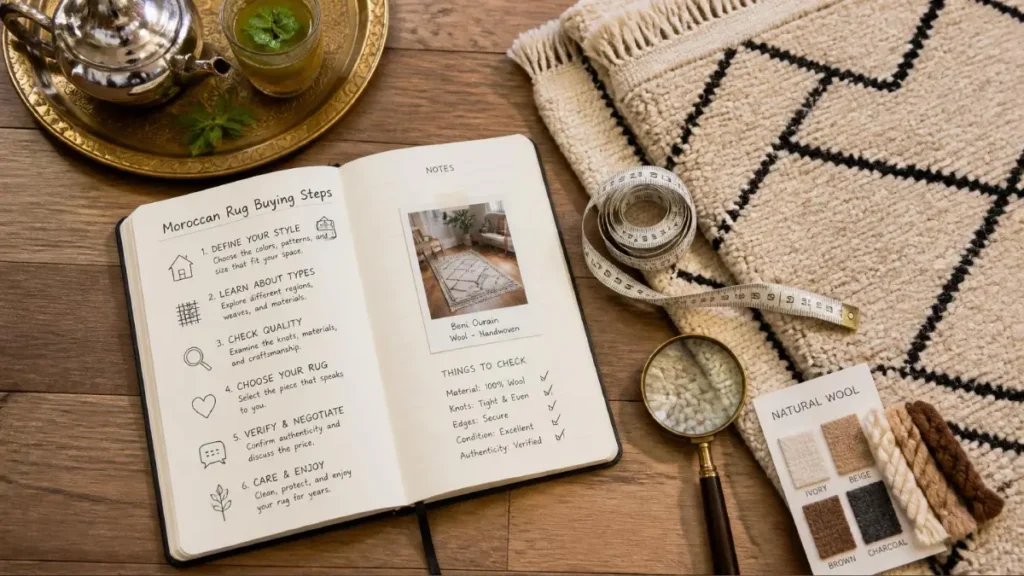
Do a Little Homework Before You Arrive
- Identify the style you love (e.g., Beni Ourain, Fez, Kilim).
- Set a budget per square meter. Prices vary widely depending on wool quality, dye method, and knot density.
- Read up on terminology: “pile height,” “knot count,” “natural dye.” Knowing the basics gives you confidence at the souk.
Arrive Early, Shop Late
Most workshops open around 9 am and close by 6 pm. Arriving early lets you see the full range before the crowds arrive; staying later often means the seller is more willing to negotiate because the day’s sales are winding down.
Visit Both Workshops and Souks
- Workshops: You’ll meet the weaver directly, see unfinished pieces, and sometimes even get a custom order.
- Souks: Offer a broader visual comparison, allowing you to spot price differences instantly.
Inspect the Rug Like a Pro
| What to Check | Why It Matters |
|---|---|
| Back of the rug | Hand‑knotted rugs have a chaotic, uneven back; machine‑woven ones look uniform. |
| Knot density | More knots = finer detail and higher value. Count a 4‑inch square and multiply by 4. |
| Dye source | Natural dyes (indigo, walnut, saffron) fade beautifully; synthetic dyes may bleed. |
| Wool feel | Hand‑spun wool feels softer and has a subtle “crackle” when rubbed. |
Ask the Right Questions
- “Can you show me the raw wool?” (Authentic pieces use local sheep’s wool.)
- “How long did it take to weave this?” (Longer weaving time usually means higher quality.)
- “Do you have a certificate of origin?” (Some cooperatives provide a small paper confirming the rug’s provenance.)
Master the Art of Haggling
Moroccan markets expect negotiation. Here’s a tried‑and‑true script:
1. Show genuine interest but never act overly eager.
2. Offer 50 % of the asking price as a starting point.
3. Walk away after the seller counters; they’ll often call you back with a lower price.
4. Bundle: If you buy two rugs or a rug plus a smaller table runner, ask for a package discount.
Pro tip: In Fez, many sellers are proud of their heritage and will give you a better price if you compliment the craftsmanship in Arabic (“Masha’Allah, the knot work is beautiful”).
Verify Authenticity Before Paying
- Request a small receipt with the seller’s name, workshop address, and price in both Dirhams and USD.
- Take photos of the rug, the back, and the weaver’s hands at work. This documentation is useful for customs.
Arrange Safe Shipping
Most reputable workshops partner with DHL or FedEx for international delivery. Costs are usually based on weight and volume; a 5 × 7 ft rug can weigh 30‑40 kg, so expect $150‑$250 for shipping.
If you’re traveling home by plane, you can roll the rug tightly, place it in a sturdy cardboard tube, and check it as oversized baggage. Wrap it in breathable fabric (cotton sheet) and avoid plastic, which can trap moisture.
Handle Customs Smoothly
- Declare the rug’s value accurately; under‑declaring can lead to fines.
- Keep the receipt and photos handy for the customs officer.
- In the U.S., most rugs under $2,500 are duty‑free, but check the latest tariff schedule for your country.
If you’re thinking of spending serious money on a rug or shipping it home, make sure your travel insurance actually covers high‑value items and shipping issues. I break down what to look for in my Morocco travel insurance guide.
Where to Find the Best Deals in Fez: A Mini‑Itinerary
1. Morning – Tanners’ Quarter
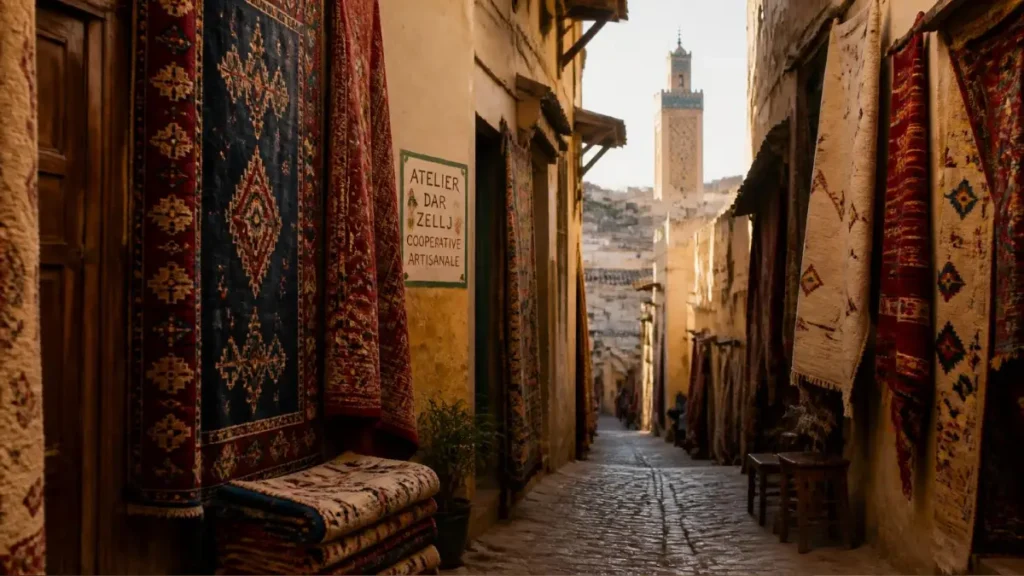
Walk through the ancient leather stalls and pop into the small workshop tucked behind the Souk el Henna. Here you’ll find Fez rugs woven with indigo and crimson that reflect the city’s historic dye vats.
2. Midday – Café Pause
Rest at a rooftop café overlooking the medina. While you sip mint tea, ask the staff for the name of the rug maker you liked; locals love to share contacts.
3. Afternoon – Cooperative Bazaar
Head to the Cooperative of Artisans of Fez (often listed on the city’s tourism board). Prices are transparent, and you’ll receive a certificate of authenticity.
4. Evening – Souk Shopping
Return to the main souk for a final comparison. Use the price points you gathered earlier to negotiate a better deal or request a complimentary fringe set.
If you’re also heading to Marrakech, my guide to the best riads in Marrakech can help you pick a comfortable base for your rug‑shopping adventures.
Common Pitfalls and How to Avoid Them
- Buying “newly dyed” rugs – Some sellers use harsh chemical dyes to achieve vivid colors quickly. Ask if the rug was dyed with natural pigments; the color will age gracefully.
- Ignoring the back – A smooth back usually signals a machine‑made rug. Hand‑knotted pieces have an irregular back that feels slightly uneven.
- Skipping the warranty – Some cooperatives offer a 6‑month repair guarantee for loose knots. Always ask.
- Leaving the rug unrolled for weeks – Moroccan wool thrives on airflow. If you’re staying in a hotel, roll the rug loosely and keep it off the floor to prevent mildew.
Sustainable Buying: Supporting Local Communities
When you purchase directly from a workshop, a larger portion of the price goes to the weaver and his family. Many cooperatives reinvest profits into education and healthcare for their villages. Look for tags that read “Cooperative of Moroccan Artisans” or ask the seller about community projects they support. Your purchase can help preserve the centuries‑old craft of rug shopping Morocco while empowering rural economies.
After the Purchase: Caring for Your Moroccan Rug
- Vacuum gently on a low setting; avoid the beater bar.
- Rotate the rug every six months to even out wear.
- Spot‑clean with a mild wool detergent and cold water; never soak the rug.
- Professional cleaning: Every 2‑3 years, have a specialist clean the rug using a dry‑clean method to preserve the natural dyes.
Wrap‑Up: Your Next Steps
Buying a Moroccan rug is more than a transaction; it’s an immersive cultural experience. By following the steps above, you’ll leave the souk with a genuine piece, a story to tell, and the satisfaction of supporting artisans directly.
Ready to start planning your rug‑shopping adventure? Browse my Morocco Travel Guide for visa tips, or jump straight into a curated itinerary that includes Marrakech, Fez, and the Atlas Mountains. And don’t forget to pack a sturdy suitcase—your new rug will thank you!
Moroccan Rug Buying FAQs
How can I tell if a rug is truly hand‑knotted?
Check the back; hand‑knotted rugs have an uneven, loose weave, while machine rugs appear uniform. Also, feel the knot density—more knots per square inch indicate hand work.
Are natural dyes more expensive?
Generally yes, because the process is labor‑intensive and the color yield is lower. However, natural dyes age beautifully and are safer for indoor air quality.
Can I get a custom size rug made in Morocco?
Many workshops will accept custom orders, especially in Fez and Marrakech, but expect a longer lead time (2‑4 weeks) and a higher price per square meter.
What’s the safest way to ship a rug internationally?
Use a reputable carrier like DHL or FedEx, request insurance for the full value, and have the rug wrapped in breathable fabric inside a sturdy cardboard tube.
Do I need to pay duty on my rug when it arrives home?
It depends on your country’s import regulations. In the U.S., most rugs under $2,500 are duty‑free, but always declare the accurate value to avoid penalties.
If you enjoyed this guide, explore more tips on packing for Morocco in 2026 or discover the best riads in Marrakech for a comfortable stay while you hunt for that perfect rug.