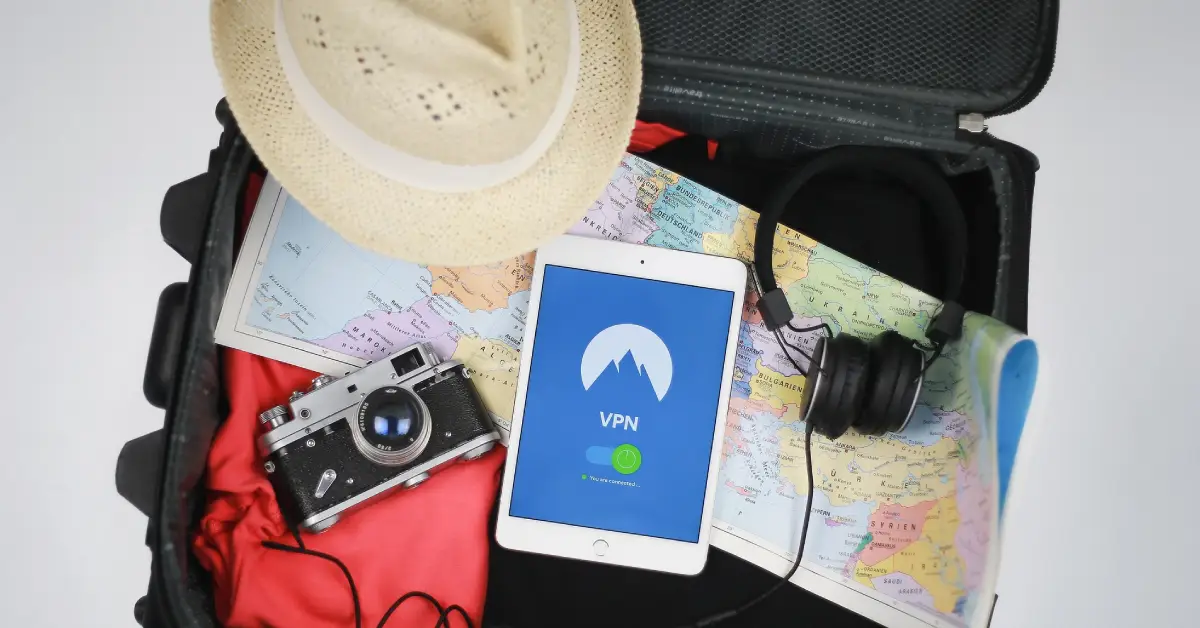
Ultimate Morocco Packing List 2026: What to Pack for Your Moroccan Adventure
Introduction: Learning the "3 C's" of Morocco
Morocco is a place of extremes. The Atlas Mountains have snow-capped peaks, and the Sahara Desert has hot, dry weather. There is something for every traveler in these different places. Packing well is the key to a successful trip, whether you’re going to hike through the High Atlas or enjoy the lively culture of Marrakesh. Let’s look at Morocco’s three C’s: comfort, climate, and customs.
Comfort
Morocco’s landscape is very different, and comfort is very important. Make sure to bring everything you need for long hikes, city tours, and the sometimes hard desert nights.
Weather
The weather in Morocco can change quickly. The desert gets very hot in the summer, but the mountains can get rain and even snow in the winter. Your packing list should be able to handle these big changes.
Customs
There isn’t a strict dress code, but dressing modestly shows respect. This is especially important in places that are more religious, rural, or conservative.
For more details check our ‘Morocco Travel guide‘ page
The Cultural Blueprint: How to Dress with Respect
For Women
If you’re a woman traveling to Morocco, you should cover your shoulders, chest, and knees to show respect. Long skirts or pants and shirts with sleeves are best. Headscarves are not required for tourists, but they can help protect against the sun and when going to mosques or other holy places.
Local Tip: The atmosphere is more laid-back in cities like Marrakesh or Chefchaouen, but it’s best to dress more conservatively in rural towns like Moulay Idriss.
For Men
Men should stay away from tank tops and shorts, especially in rural or conservative areas. Long-sleeved shirts and loose pants are a comfortable and polite choice.
Tip for Morocco: Coastal towns like Essaouira are more laid-back when it comes to dress, but it’s always best to be safe than sorry.
The Core Clothing List: How to Layer for Each Region
The Base:
Morocco’s weather needs fabrics that let air through. Choose linen, organic cotton, or merino wool. These materials can handle both heat and moisture. This will help you stay cool during the day and warm at night when it’s cold in the mountains or desert.
Things You Need:
- Loose-fitting pants or joggers: are great for walking, hiking, and riding camels in the city.
- Maxi dresses and skirts: are a great choice for women because they are both modest and comfortable.
- Pashmina or scarf: Great for keeping the sun off your skin, covering up in religious places, and keeping warm on cool evenings.
- For cities, a light denim jacket is good, and for deserts and mountains, a packable down jacket is good.
If you’re going on a hike, wear moisture-wicking socks, sturdy boots, and a good pair of hiking shoes.
Changes for the seasons and regions
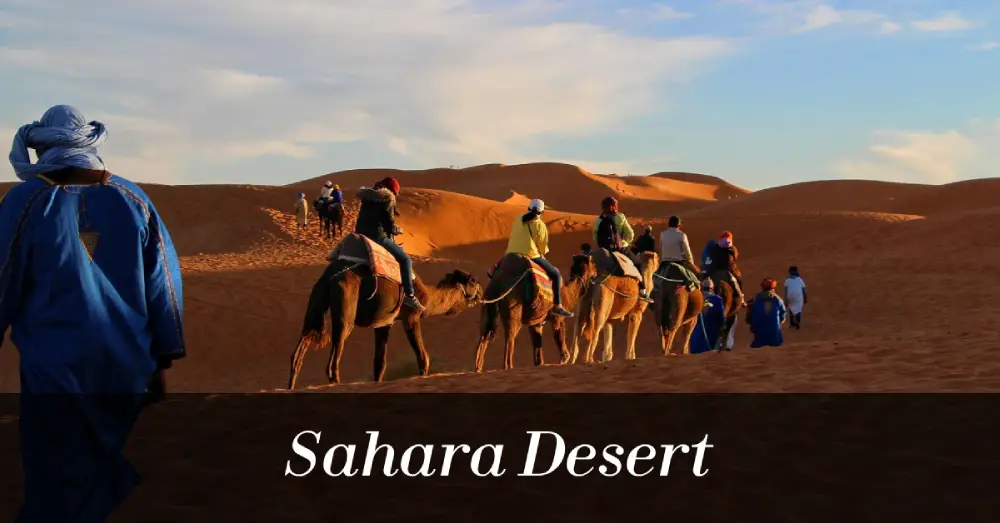
Sahara Desert
The temperature in the desert changes a lot. It can be very hot during the day, but at night it gets very cold. Make sure to bring layers, like a Desert Night Kit, which is a warm fleece or thermal layer for the evenings.
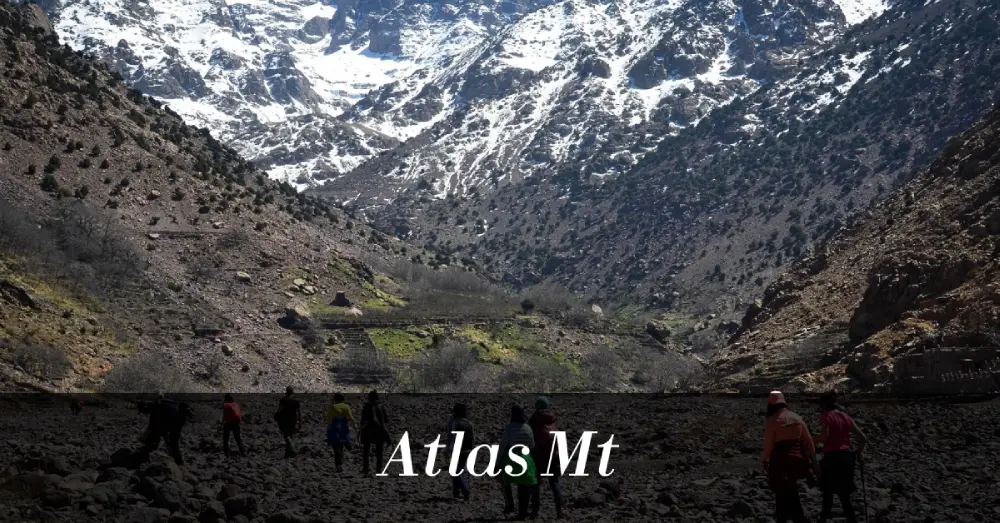
The Atlas Mountains
Bring sturdy boots, socks that wick away moisture, and thermal layers for hiking and other outdoor activities. The weather can be cold, especially in the winter, and it can change quickly.
For a deeper dive into specific trails and safety protocols, read my full guide on trekking Atlas Mountains Morocco 2026.
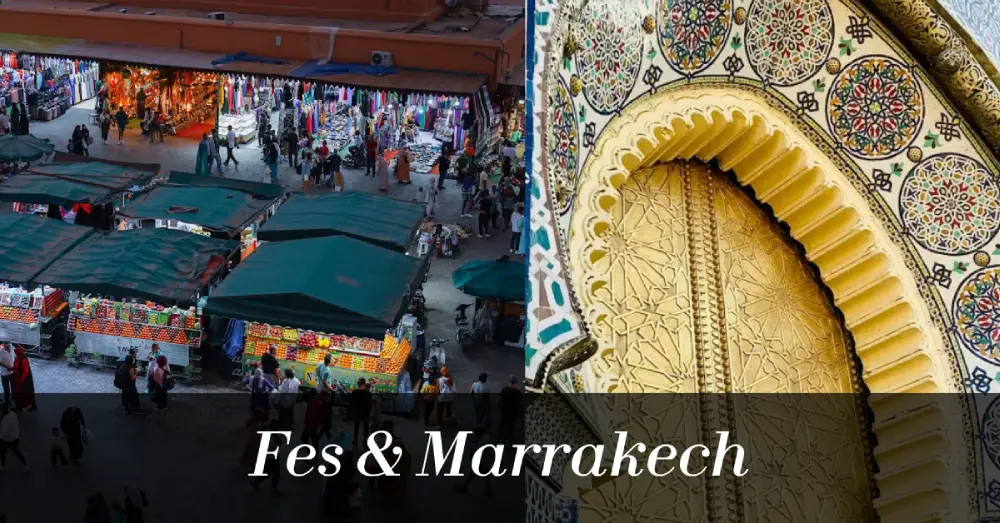
The Cities (Marrakech and Fes)
In busy cities like Marrakech, you need comfortable closed-toe walking shoes to get around on uneven streets, in souks, and in dusty areas.
Winter and Summer.
Even though Morocco is warm all year, travelers may be surprised by cold, wet weather in the winter (November to March), especially in the north and the mountains. Bring jackets that keep you dry and warm.
Beyond the Wardrobe: Important Tech and Health
Devices
Type C/E adapters: Morocco has outlets that look like those in Europe.
Power banks with a lot of power for desert trips.
Phone lanyards to keep your phone from falling while riding a camel or exploring a city.
Connectivity
To easily get mobile data and find your way around Morocco’s confusing medinas, get an eSIM (like Airalo).
Safety and Health
- Salts to rehydrate in the desert heat.
- Imodium (always talk to your doctor before taking any medicine).
- Use sunscreen with a high SPF to protect yourself from the strong sun in the desert and the city.
- Travel toilet paper: Some public restrooms don’t have toilet paper, so always have some with you.
Water Tip: It’s not usually safe to drink tap water in Morocco. To stay hydrated and cut down on plastic waste, think about buying a filtered bottle like Grayl or LifeStraw.
Luggage Logistics: Choose the Right Bag and Pack Light
Bag Choice:
Choose a duffel bag or backpack with soft sides (50–80L). It’s easier to carry these between riads, deserts, and campsites.
The Daypack:
For day trips and overnight stays in the desert, you’ll want to use a smaller 20-30L daypack.
Pro Tip: Make sure to leave room in your bags for souvenirs! People know Morocco for its silver jewelry, leather goods, and handmade rugs.
Sustainable Shopping: Amina’s Local Picks
When shopping in Morocco, supporting local artisans is a must. Ethical brands like Chabi Chic and Hanout Boutique offer high-quality, locally-made products. Consider buying handmade raffia shoes and Palm Straw bags (qouffa) to support the artisans who create them.
Morocco Packing List: Questions That Are Commonly Asked
Is it okay to wear a bikini in Morocco?
Yes, you can wear a bikini in private riads and resorts, but not in public places like streets or souks.
Should I bring a sleeping bag?
It’s a good idea to bring a sleeping bag if you’re camping in the Atlas Mountains or Sahara Desert, especially in the winter.
What are "inside" pants and "outside" pants?
In Morocco, “inside pants” are leggings or thin layers that people wear under loose pants or skirts to keep warm on cold nights or when traveling between regions.
Conclusion
When you pack for Morocco, you have to think about comfort, how to respect local customs, and how to deal with different climates. If you have the right clothes, gear, and attitude, your trip will be one you’ll never forget. Are you ready to start packing? If you need any more travel tips or local advice before you go to Morocco, just let me know!
Written by Youness Labchir
Licensed Morocco Tour Guide
