
Chefchaouen Travel Guide: 2026 Insider Secrets to Morocco’s Blue Pearl (Beyond the Instagram Feed)
The Magic of the Blue Pearl
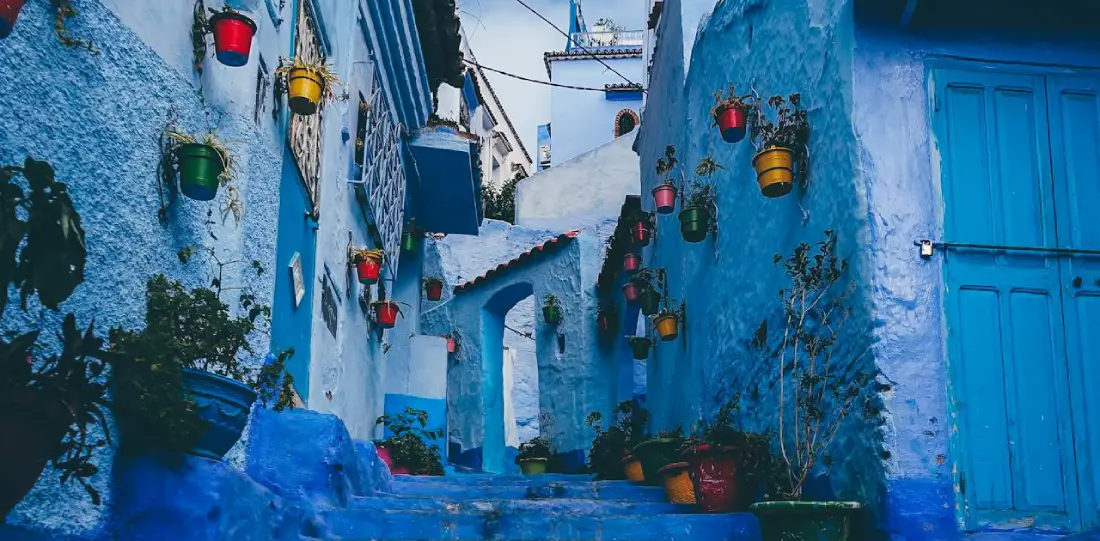
If you’ve ever scrolled through Instagram, you’ve probably seen the dreamy blue alleys of Chefchaouen. But let me tell you—there’s so much more to this city than the perfect photo op. Nestled in the Rif Mountains, Chefchaouen is alive with local life, history, and culture, and it’s a place where every corner has a story. We will reveal together the best things to do in chefchaouen.
Why is it blue? The answer isn’t simple. Some say it’s a Jewish tradition symbolizing the sky and heaven, others claim it keeps mosquitoes away, and some locals insist it helps keep homes cool during the summer. Whatever the reason, the blue hues give the medina a magical glow that has fascinated travelers for centuries.
Founded in 1471 as a fortress to fend off Portuguese invasions, Chefchaouen has grown into a vibrant town that blends history, nature, and authentic Moroccan life. Here’s my insider guide to experiencing it fully—beyond the selfie sticks.
Essential Logistics: Planning Your Arrival
Best Time to Visit
- Spring (March–May): Perfect for wildflowers and hiking. The weather is crisp, and the mountains are green.
- Autumn (September–November): Golden light and fewer crowds—ideal for photography.
- Winter (December–February): Quiet and mystical, though you’ll need a warm jacket for chilly mornings.
Getting There
- CTM Buses: Reliable and comfortable. From Tangier (~45 MAD), Fes (~75 MAD), or Casablanca (~160 MAD).
- Grand Taxis: Faster but cramped—good for small groups.
- Private Driver: Comfortable & Reliable.
Duration
Make time for at least 2-3 days if you want to fully enjoy Chefchaouen. Day excursions are feasible, but you’ll miss the local way of life, secret passageways, and those small treasures I’ll describe later.
Top Things to Do in Chefchaouen
The Iconic Experiences
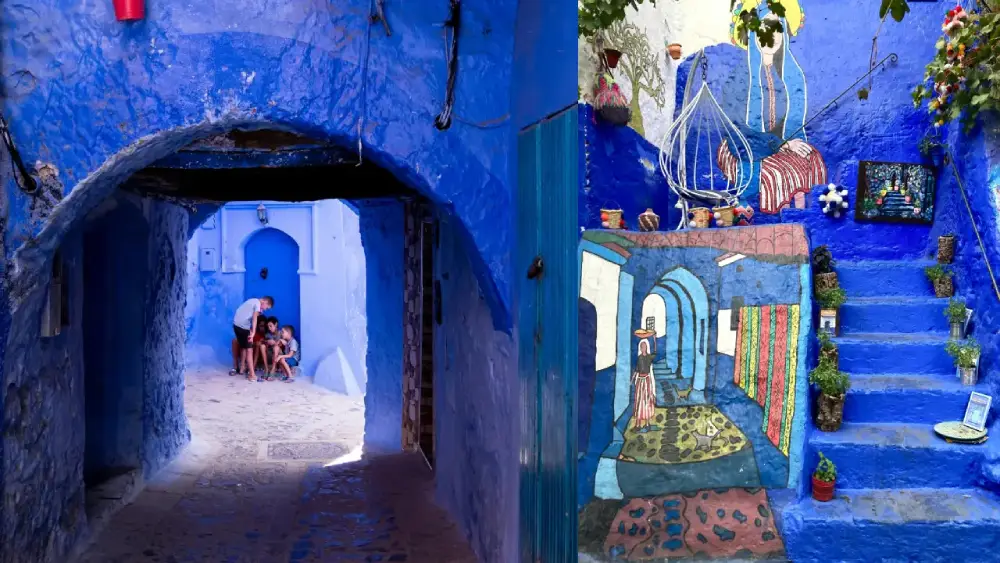
1. Get lost in the Medina
You have to explore the blue lanes. Look for streets where the earth is painted a deeper shade of blue; these are typically dead ends. Explore the artisan stores at your leisure and take note of the little things, such as pots full of plants, braided rugs, and hand-painted doors.
2. Spanish Mosque Sunset Hike
- Price: Free
- Timing: 20–30 minute uphill walk (1.5 km) from the medina; most visitors spend 1–2 hours for the full trip.
Start early to avoid the crowds. The view of the medina bathed in golden light is unforgettable. If you continue past the mosque, you’ll reach higher ground with fewer people and an even more panoramic view.
3. Kasbah Museum
- Price: 60 MAD
- Timing: 1–2 hours exploring gardens, fortress walls, and rooftop views.
This 15th-century fortress offers both history and stunning perspectives over the main square. Don’t rush—the gardens are tranquil, and the rooftop gives the perfect vantage for photos.
Hidden Gems
4. The Bab el-Ain Neighborhood
This neighborhood in the eastern medina is quieter and more real than the central square. This is a great place to learn about the culture by watching locals spin wool, work with wood, or take care of their homes.
5. The Laundry Area at Ras el-Maa
At the eastern edge of the medina, women still wash clothes in the pools of the river. Nearby small café terraces let you drink mint tea while watching this daily ritual, which is a rare look into local life.
6. Street Art for Walking Taxis
There are unique graffiti of “walking taxis” in hidden parts of the medina. They are fun to find and great for strange pictures.
Nature & Day Trips
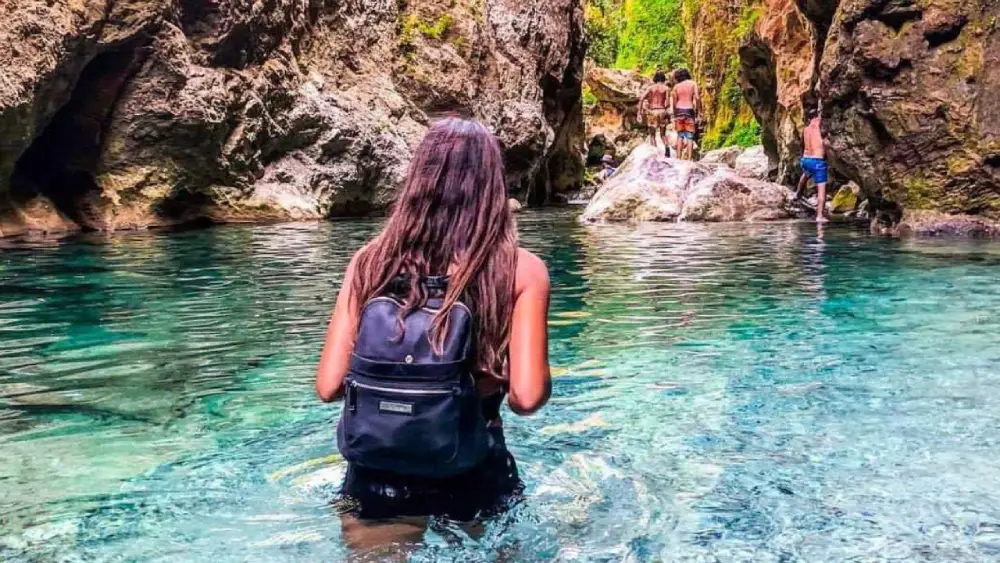
7. Akchour Waterfalls & God’s Bridge
- Cost: Grand taxis cost 25 to 30 MAD per shared seat, while private taxis cost about 200 MAD. Entry to the park costs about 20 MAD.
- When: All day (5 to 7 hours). The Grand Cascade hike takes 2.5 hours each way, and the God’s Bridge trail takes 1.5 hours each way.
A must-see for people who love nature. The turquoise pools are beautiful, and the trails through the Rif forests are a nice change of pace.
8. Talassemtane National Park
It is great for long hikes through oak and fir forests. This park has peace and quiet, wildlife, and stunning mountain views if you love to hike.
9. The Waterfall at Ras El Maa
Not as big as Akchour, but full of culture. People in the area do their laundry in the traditional way here, and the waterfall is easy to get to from the medina, making it a great place to visit in the afternoon.
Photography Secrets & Etiquette
- 7 AM Rule: Hit the streets by 7–7:30 AM to capture empty alleys before day-trippers arrive. By 11 AM, the medina gets busy.
- Color Strategy: Wear bright colors—red, gold, orange, or pink—to stand out against the blue. Avoid blue clothing, or you’ll blend in.
- Rue Touareg: One of the most vibrant blue streets for portraits.
- Etiquette: Always ask permission before photographing people, especially women and the elderly. A simple “mumkin sura?” (may I take a photo?) goes a long way.
- Packing Essentials: Shoes with good grip are a must—the cobblestones and mountain trails can be slippery.
Culinary Guide: Tasting the Rif
Signature Dishes:
- Bissara: Thick fava bean soup with olive oil and cumin—the ultimate breakfast.
- Goat Cheese (Jben): Fresh mountain cheese, often paired with local honey.
Top Restaurant Picks:
Sofia Restaurant: Traditional soup and tagines, female-run, near the main square.
Hamsa: Vegetarian options, rooftop terrace, and views of the blue houses.
Bab Ssour: Local food with great medina views.
Cafe Clock: Camel burgers, rooftop culture, and live music.
Lala Mesouda: Authentic Moroccan home cooking.
Authentic Culture & Responsible Travel
Monday/Thursday Market: Rif farmers sell fresh goat cheese, honey, and olives. A great way to support locals.
Traditional Hammam: Hammam Jinan (from 15 MAD) offers an authentic scrub experience versus luxury spa riads.
Support Local Artisans: Buy handwoven blankets and leather goods directly from workshops to help preserve traditional crafts.
The Reality Check
Kif (Hashish) Culture: Chefchaouen is known for cannabis, but it’s illegal for tourists. A polite “La, Shukran” (No, thank you) is usually respected.
The Hustle: You may be offered substances multiple times daily; stay firm.
The Terrain: Steep, slick cobblestones demand sturdy walking shoes.
Where to Stay
- Budget: Hotel Souika, Dar Bleu Pearl.
- Mid-Range: Riad La Santa, Casa Sabila.
Luxury: Lina Ryad & Spa, Riad Nila.
Each offers a different experience—budget for social vibes, mid-range for comfort and charm, and luxury for spa and indoor pool perks.
See my selected Best Riads in Chefchaouen 2026
Final Thoughts
Chefchaouen is more than an Instagram backdrop—it’s a living city with culture, history, and nature. Plan your visit, explore the hidden gems, follow these insider tips, and you’ll experience the Blue Pearl in a way most travelers miss.
If you want a personalized itinerary or private guided tour, feel free to contact me at Morkosh Tours—I’ll make sure your time in Chefchaouen is unforgettable. 🌿💙
FAQ: Best Things to do in Chefchaouen
Is Chefchaouen safe?
Yes, it’s considered one of Morocco’s safest cities, with a respectful local population.
Why are the houses blue?
It could be Jewish tradition (sky/heaven), a mosquito repellent, or to keep houses cool.
How do you pronounce it?
“Shef-SHAH-wen”
Can you drink the water?
Locals drink from Ras el-Maa springs, but tourists should use bottled water or exercise caution.
Written by Youness Labchir
Licensed Morocco Tour Guide