17 Best Things to Do in Marrakech: A Local Guide’s Picks
I have been a licensed Moroccan tour guide since 2004, and after years of showing travelers around Marrakech, I have learned something important: you do not need to see everything to have a great visit.
Marrakech has palaces, gardens, souks, museums, food, rooftops, hammams and historic neighborhoods. The mistake is trying to squeeze all of them into one exhausting checklist.
If this is your first visit, I would prioritize a handful of places that genuinely show different sides of the city, then leave enough time to wander.
If you have only one full day, my five priorities are:
- Ben Youssef Madrasa
- Bahia Palace
- Saadian Tombs
- Marrakech Souks
- Jemaa el-Fna after dark
This guide goes further than that, with 17 of the best things to do in Marrakech, including some famous attractions, quieter alternatives, and a few places I think travelers either underestimate or overrate.
If you are planning the full trip, including where to stay, transport, food and practical tips, see my Marrakech Travel Guide.
For a memorable experience beyond the Medina, a hot air balloon ride near Marrakech offers sunrise views over the surrounding countryside, with the Atlas Mountains visible on clear mornings.
For transport, neighborhoods, airport arrival, money and other practical planning, use my Marrakech Travel Guide.
Table of Contents
Table of Contents
Quick List: Best Things to Do in Marrakech
If you just want the shortlist:
- Visit Ben Youssef Madrasa
- Explore Bahia Palace
- See the Saadian Tombs
- Get lost — sensibly — in the Marrakech souks
- Experience Jemaa el-Fna after dark
- Walk around Koutoubia Mosque and its gardens
- Visit Jardin Majorelle
- Escape the crowds at Le Jardin Secret
- Discover Maison de la Photographie
- Explore the Mellah
- Visit Dar El Bacha
- Experience a traditional hammam
- Eat real Marrakech specialties
- Take a Moroccan cooking class
- See modern Marrakech in Gueliz
- Visit El Badi Palace if you have time
- Watch Marrakech change at sunset from a rooftop
Now let me explain which ones I would prioritize and which ones I would leave for later.
1. Visit Ben Youssef Madrasa
If I had to choose one historic monument for a first-time visitor, Ben Youssef Madrasa would be near the top of my list.
The craftsmanship is the reason.
Instead of rushing through, look carefully at the carved plaster, cedarwood, zellige and the way the central courtyard is designed.
Many travelers spend the first part of their Marrakech visit overwhelmed by noise and movement outside. Ben Youssef gives you the opposite experience: detail, symmetry and quiet architecture.
My local tip
Visit earlier in the day when possible.
And don’t walk in, take one photograph of the courtyard and leave. Some of the best details are exactly the things people rush past.
Priority: ★★★★★
If you only have one day: Definitely go.
2. Explore Bahia Palace
Bahia Palace is another place I recommend highly for a first Marrakech visit.
It gives you a different kind of experience from Ben Youssef: courtyards, decorated rooms, gardens and the scale of a former palace complex.
What I like about combining the two is that they don’t feel repetitive.
Ben Youssef is about scholarship, craftsmanship and religious architecture.
Bahia feels more residential and palatial.
My advice
Don’t try to understand the palace by walking as quickly as possible from room to room.
Slow down around the courtyards and decorative details.
Priority: ★★★★★
If you only have one day: Yes.
3. See the Saadian Tombs
The Saadian Tombs deserve a place among the best things to do in Marrakech, particularly if you enjoy architecture and Moroccan decorative arts.
What surprises many visitors is how compact the site feels compared with some of Marrakech’s larger monuments.
That is not a disadvantage.
You don’t need half a day here.
Combine the tombs with the Kasbah area, then continue toward other sights rather than treating them as a standalone excursion.
My local tip
This is one attraction where a little historical context improves the visit enormously.
Without context, visitors can easily look at the decoration, take photographs and leave without understanding why the site matters.
Priority: ★★★★★
If you only have one day: Yes.
4. Explore the Marrakech Souks
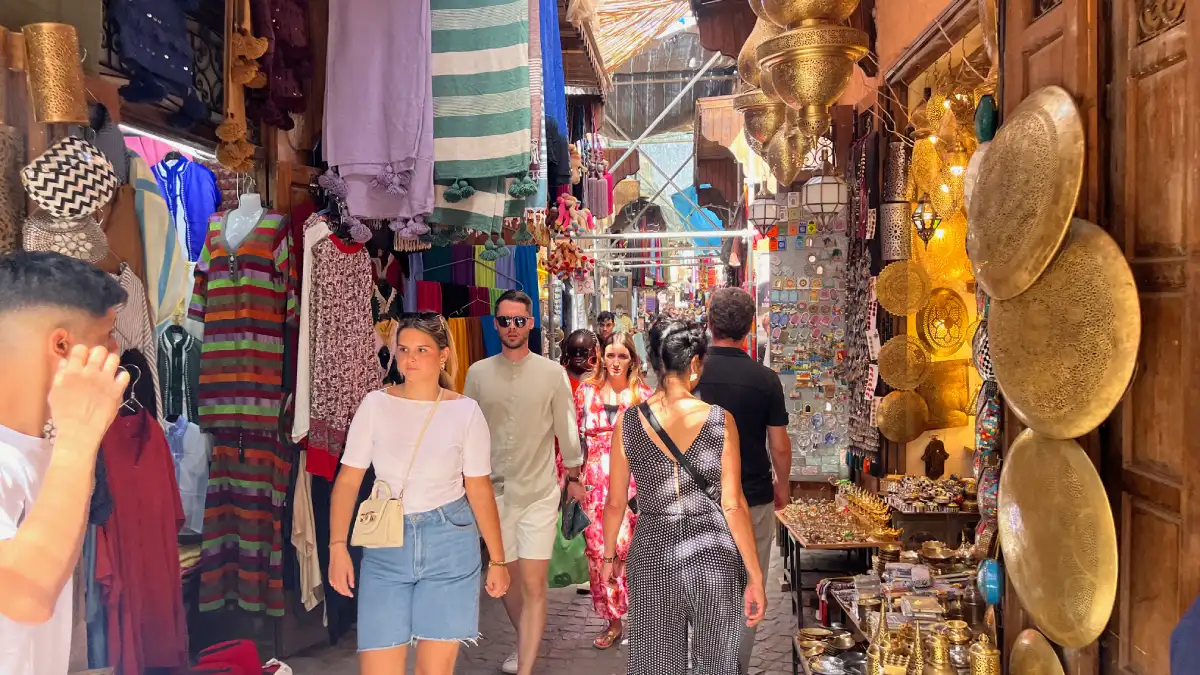
The souks are not one attraction with an entrance and an exit.
They are part of the city.
You will move through areas selling lamps, leather, spices, textiles, metalwork, slippers, carpets and everyday goods, often without noticing where one small commercial area ends and another begins.
And yes, you may get turned around.
That is normal.
Haggling is not automatically a scam
A flexible price is part of traditional souk shopping.
If you are interested in buying something, ask the price, negotiate politely and decide what the item is worth to you.
If you are not interested, a friendly but firm “la shukran” is usually enough.
Don’t enter every negotiation as if somebody is trying to defeat you.
First-day advice
If you are nervous about navigating the Medina, your first morning is a good time for a proper orientation with a licensed guide or a Marrakech walking tour. If you are comparing different experiences, see my guide to the best Marrakech tours for city, food, desert and day-trip options.
Once you understand the main routes and landmarks, exploring independently becomes much easier.
Priority: ★★★★★
If you only have one day: Absolutely.
For current prices, bargaining advice and a practical shopping route, read my complete Marrakech souks and markets guide.
5. Experience Jemaa el-Fna After Dark
Jemaa el-Fna changes throughout the day.
For me, evening is when a first-time visitor should experience it properly.
The square becomes louder, busier and more theatrical as Moroccan street food stalls, musicians, performers and crowds fill the space.
You don’t need to love every part of it.
That is almost the point.
Jemaa el-Fna is intense, commercial, chaotic, fascinating and sometimes exhausting.
It is Marrakech.
Watch the photo pressure
If you photograph performers or animals, expect that somebody may ask for money.
Agreeing or understanding that beforehand avoids unnecessary arguments.
And if you are uncomfortable with an animal interaction, simply don’t participate.
My local tip
Experience the square from ground level first.
A rooftop view is beautiful, but Marrakech makes much more sense once you have actually walked through the noise below.
If you want to continue beyond the square, my guide to Marrakech nightlife explains where to find Medina rooftops, Gueliz live music and Hivernage clubs.
Priority: ★★★★★
If you only have one day: Finish your day here.
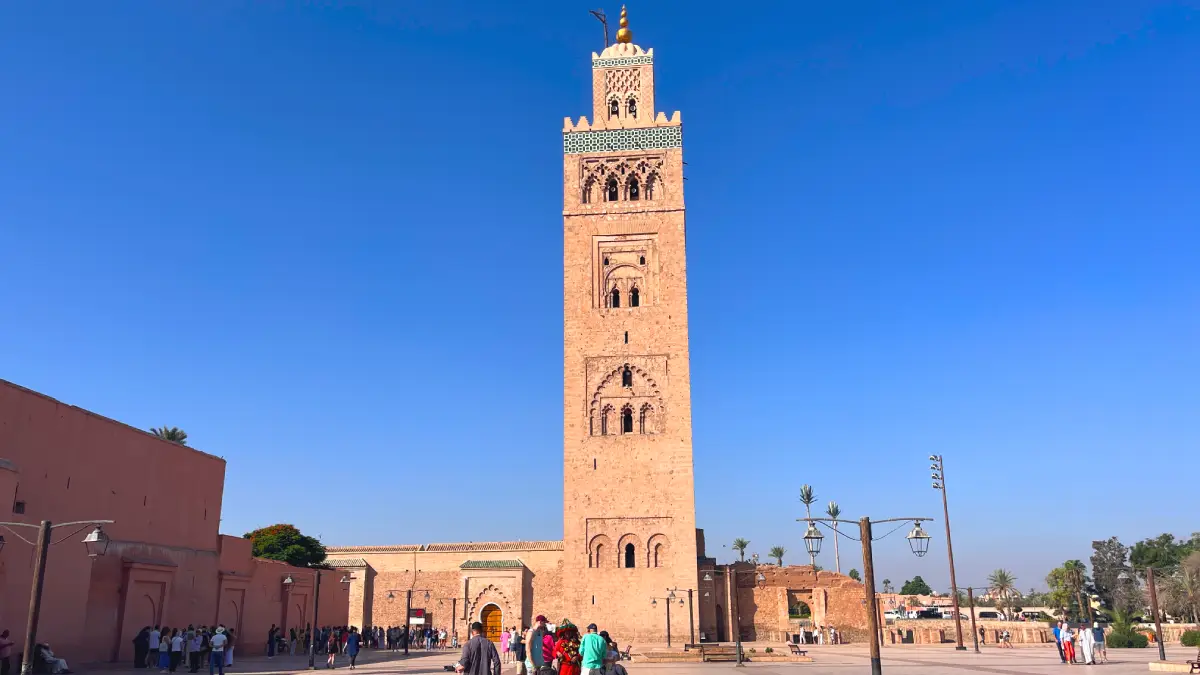
6. Walk Around Koutoubia Mosque and the Gardens
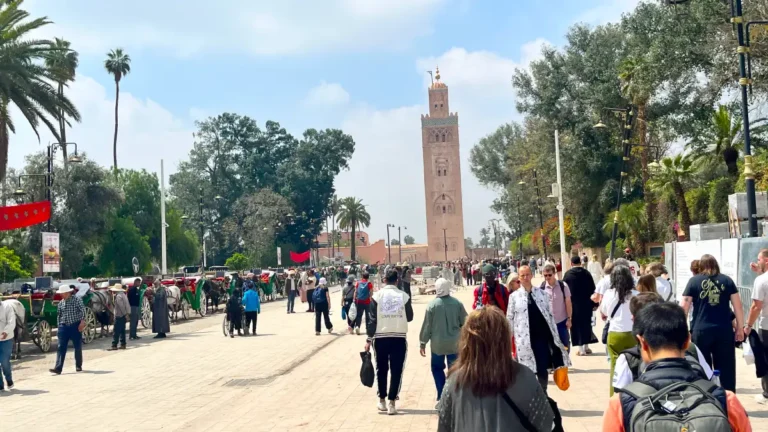
The Koutoubia is one of Marrakech’s most useful orientation points.
Even when visitors cannot tell you which direction they are walking in, spotting the minaret often helps them understand where they are relative to Jemaa el-Fna.
I like this area because you don’t need to make it a complicated attraction.
Walk around the mosque exterior and surrounding gardens, then continue into the Medina or toward the Kasbah.
For non-Muslim visitors, the important experience is primarily the exterior and surrounding public space rather than mosque access.
Priority: ★★★★☆
7. Visit Jardin Majorelle — But Plan It Properly
Jardin Majorelle is famous for a reason.
The cobalt-blue architecture, planting and visual design make it unlike Marrakech’s historic palace gardens.
I still recommend it.
But there is an important condition:
don’t treat Majorelle as a place you can casually arrive whenever you feel like it.
The garden is one of the busiest attractions in Marrakech.
The official Jardin Majorelle website recommends booking tickets online well in advance and currently lists opening from 8:00 AM until 6:30 PM, with last entry at 6:00 PM. Jardin Majorelle
How I would visit
Try for:
opening time, or
a later slot toward the end of the day.
Midday at peak times can feel very different from the peaceful garden photographs people expect.
If you hate crowds
Do Le Jardin Secret instead.
It is not identical, but for travelers who want calm rather than an iconic photograph, I sometimes prefer it.
Priority: ★★★★☆
Book ahead: Yes.
8. Escape the Crowds at Le Jardin Secret
Le Jardin Secret is one of my favorite alternatives when visitors tell me:
“I want a beautiful garden, but I don’t want the Majorelle crowds.”
It sits inside the Medina, so it fits naturally into a day of exploring rather than requiring a separate trip to another part of Marrakech.
Marrakech’s official tourism site describes its historic architecture, garden spaces and Medina setting in its Le Jardin Secret visitor information.
Majorelle or Jardin Secret?
If you have time, they are different enough to do both.
If you have to choose:
Majorelle → iconic, colorful, famous, busier.
Le Jardin Secret → calmer, easier to combine with Medina sightseeing.
Priority: ★★★★☆
9. Discover Maison de la Photographie
This is one of the places I think more travelers should visit.
Maison de la Photographie is not as famous internationally as Majorelle or Bahia Palace, but that is part of its appeal.
The collection uses historic photographs to show Morocco through another lens — people, landscapes, architecture and daily life across different periods.
Visit Marrakech includes Maison de la Photographie in its official Marrakech history itinerary.
It gives you context that another palace cannot.
Why I recommend it
After walking through Marrakech all morning, this is the kind of place that helps you understand what you have actually been looking at.
And it is usually a much quieter experience.
Priority: ★★★★☆
Underrated: Very much.
10. Explore the Mellah
Marrakech’s Mellah gives you another perspective on the city.
Many visitors stay almost entirely around Jemaa el-Fna and the central souks.
The Mellah is worth walking through because the atmosphere can feel different, and it adds another layer to understanding Marrakech’s history and communities.
I also like the area for travelers interested in less expensive local food and everyday market activity.
Don’t rush through it
This should not just be:
“Jewish Quarter — photograph — next attraction.”
Walk.
Look at the neighborhood.
Notice how Marrakech changes as you move between districts.
Priority: ★★★★☆
11. Visit Dar El Bacha
Dar El Bacha is another strong option if you enjoy Moroccan architecture but don’t want every museum stop to feel the same.
The former palace now houses the Museum of Confluences, with exhibitions linked to Morocco’s cultural heritage and identity. See the official Dar El Bacha visitor information.
The architecture itself is part of the attraction.
This also fits conveniently into a Medina day because the Dar El Bacha area connects naturally with Mouassine and the northern part of the souks.
Priority: ★★★★☆
12. Experience a Traditional Hammam
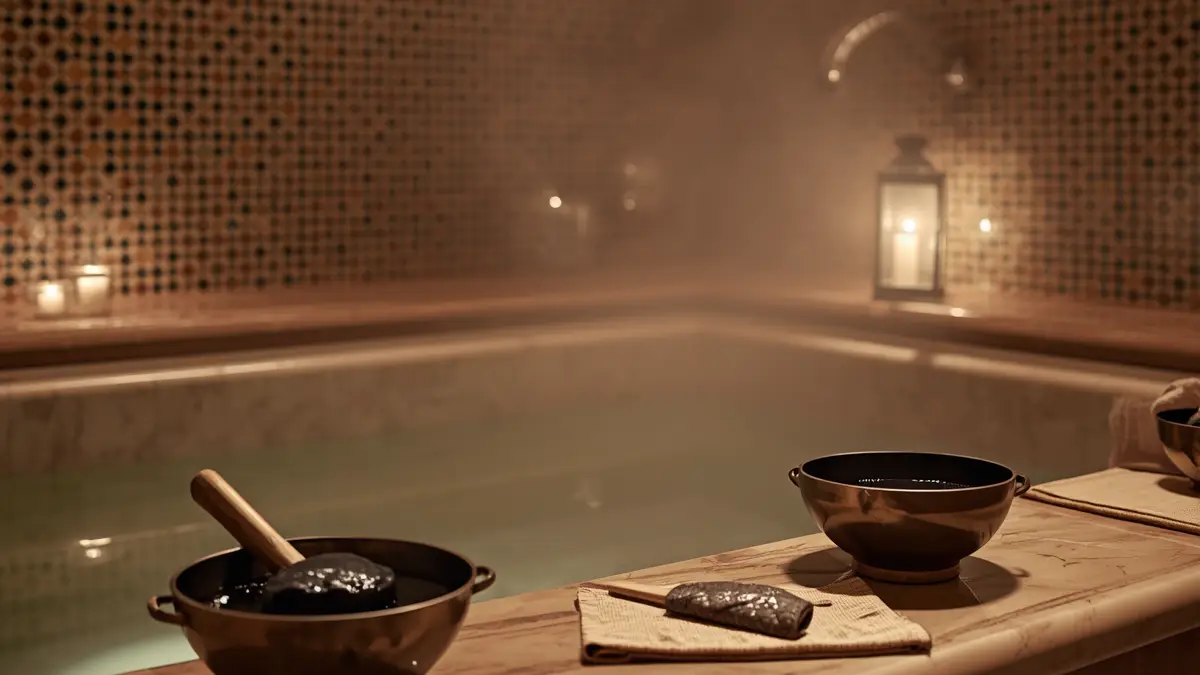
A hammam can be one of the most memorable Marrakech experiences — but understand what you are booking.
There is a major difference between:
a traditional neighborhood hammam, and
a polished spa-style hammam aimed at international visitors.
Neither is automatically better.
They are simply different experiences.
If you want comfort, privacy and treatments, choose a reputable spa or riad hammam.
If you want something more traditional, understand the etiquette first rather than arriving with luxury-spa expectations.
Priority: ★★★★☆
Want Help Choosing the Right Hammam?
For specific recommendations in the city, read my Best Hammam in Marrakech.
If you want to understand what actually happens during a traditional hammam, see my Moroccan Hammam Experience guide.
And if it is your first Moroccan bath, this first-timer’s Moroccan bath guide explains what to expect before you go.
13. Eat Marrakech Specialties
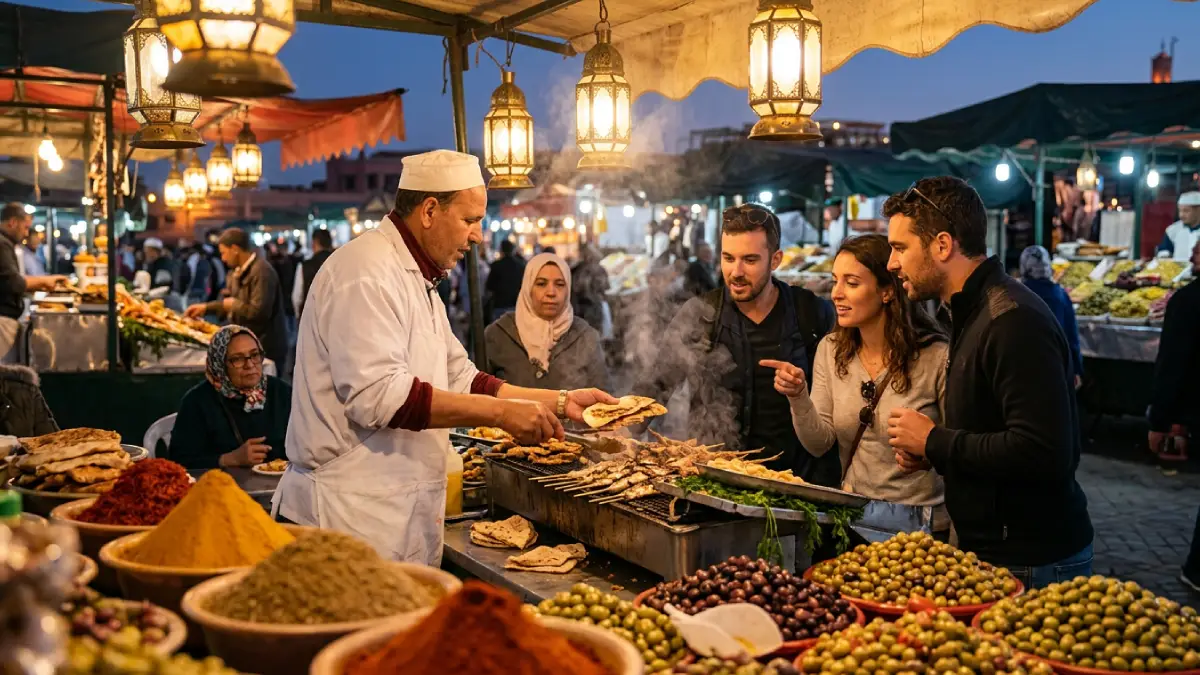
Food should be part of your sightseeing.
One dish I particularly want visitors to understand is tanjia.
Tanjia is not simply another version of tagine.
It is strongly associated with Marrakech and traditionally involves slow-cooking meat in an earthenware vessel.
Also try Moroccan salads, grilled meats, couscous, harira, msemen, breads, pastries and seasonal dishes rather than ordering the same chicken tagine every day.
For actual restaurant choices, use my Best Restaurants in Marrakech guide rather than relying on random restaurants around the main square.
If you prefer to explore the city through its food with local context, see my Marrakech Food Tours guide.
And for the cuisine itself, read my Moroccan Food Guide.
Priority: ★★★★★ — because you have to eat anyway.
14. Take a Moroccan Cooking Class
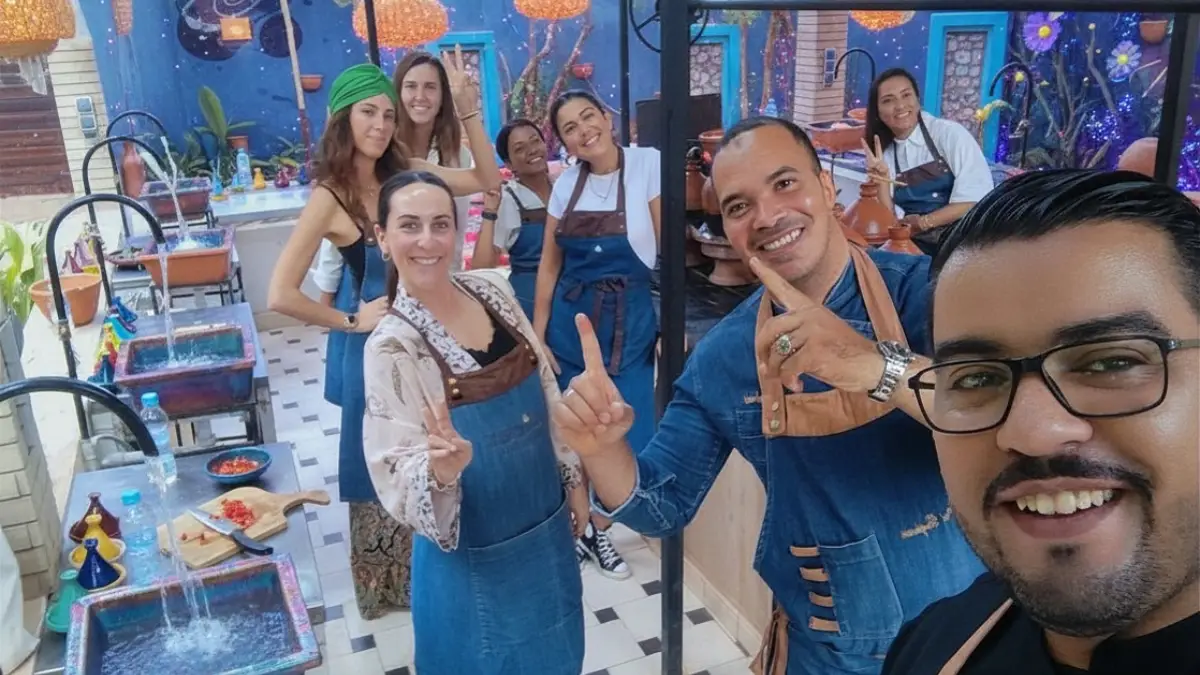
If Moroccan food interests you beyond eating it, a cooking class can be one of the better half-day experiences.
The best ones are not just about reproducing a recipe.
Shopping for ingredients, understanding spices, learning how different dishes are prepared and eating together can give travelers more context than another afternoon of monument-hopping.
I particularly like this for:
- couples
- families
- food-focused travelers
- anyone staying four days or longer
If your Marrakech trip is only one or two days, I would prioritize the major sights first.
If this sounds like your kind of experience, see my Marrakech Cooking Class guide for what to expect and how to choose the right class.
Priority: ★★★☆☆ for short visits
Priority: ★★★★☆ for longer visits
15. See Modern Marrakech in Gueliz
Marrakech is not only the Medina.
Spend a little time in Gueliz and you will see a very different side of the city: wider roads, restaurants, cafés, galleries, shops and contemporary daily life.
I don’t think a first-time visitor needs to devote an entire sightseeing day to Gueliz.
But if you are staying several days, especially if your hotel is nearby, an evening there gives useful contrast.
This also helps break the idea that Morocco exists only in historic medinas.
Priority: ★★★☆☆
16. Visit El Badi Palace — If You Have Enough Time
El Badi Palace is historically important and physically impressive.
But I am going to say something many generic Marrakech lists don’t:
if you have very limited time, I would prioritize Ben Youssef Madrasa, Bahia Palace and the Saadian Tombs first.
El Badi is largely a ruin.
Some travelers love its scale, open spaces and atmosphere.
Others arrive expecting the decorative richness of Bahia Palace and leave disappointed.
So I recommend it — but not equally to everyone.
Priority: ★★★☆☆
Two-day trip: Optional.
Three or four days: Much easier to include.
17. Watch Marrakech Change at Sunset From a Rooftop
Marrakech looks different from above.
After spending hours navigating narrow Medina streets, sitting on a rooftop with tea and watching the light change gives you a completely different sense of the city.
You do not need to chase the most Instagram-famous rooftop.
Pick somewhere convenient to your route, order something, and give yourself time to stop.
This is especially good before or after an evening in Jemaa el-Fna.
Priority: ★★★★☆
Best reason to do it: Rest.
What I Would Skip If Your Marrakech Visit Is Short
Not everything promoted to tourists deserves equal time.
Marrakech Tanneries
If you have already planned Fes, I would not prioritize the Marrakech tanneries.
The Fes tanneries are much more impressive, while the Marrakech tannery area can involve persistent touts and an experience that many visitors find disappointing.
With one or two days in Marrakech, spend that time elsewhere.
El Badi Before Bahia
If you only have time for one palace, I would choose Bahia Palace before El Badi.
Jardin Majorelle at the Worst Time of Day
Majorelle can be wonderful.
Majorelle packed with people when you expected a peaceful garden can be much less enjoyable.
Book ahead and choose your time carefully.
Too Many Rooftop Cafés
A rooftop break is good.
Spending half your Marrakech trip moving between cafés because they appeared on Instagram is not how I would prioritize a short visit.
Trying to See Everything
This is the biggest one.
Marrakech improves when you leave some space between attractions.
What to Do in Marrakech With 1, 2, 3 or 4 Days
One Day
If I had one full day:
Morning: Ben Youssef Madrasa + souks
Late morning / lunch: continue through Medina
Afternoon: Bahia Palace + Saadian Tombs
Evening: Jemaa el-Fna
That is already a full day.
Don’t add six more attractions.
Two Days
Day 1: historic Medina, Ben Youssef, souks, Bahia, Saadian Tombs, Jemaa el-Fna.
Day 2: Majorelle early, then either Le Jardin Secret / Maison de la Photographie / Mellah depending on your interests.
Add a hammam in the late afternoon or evening.
Three Days
Three days is where Marrakech becomes much more enjoyable.
You can combine the major sights with:
- Maison de la Photographie
- Dar El Bacha
- Mellah
- food experience
- hammam
- Gueliz
- slower souk exploration
Want the sights arranged into a realistic route instead of choosing them one by one? Follow my complete 3 Days in Marrakech itinerary for the exact Day 1, Day 2 and Day 3 plan.
For the complete planning framework, use my Marrakech Travel Guide.
Four Days
With four days, stop trying to add more monuments.
Use the extra time for:
- cooking class
- hammam
- slower meals
- photography
- shopping
- modern Marrakech
- or one day trip
That usually creates a better holiday than adding another ten attractions.
Want to Leave Marrakech for a Day?
Once you have given Marrakech enough time, there are excellent options outside the city, including the High Atlas, Essaouira, Agafay and other nearby routes. If you want something more active, a Marrakech buggy tour is one of the main adventure options in Agafay or the Palmeraie.
But I would not turn this article into another day-trip guide.
See my complete Best Day Trips From Marrakech guide for the differences, realistic travel times and who each trip suits.
Best Things to Do in Marrakech FAQ
What are the top 5 things to do in Marrakech?
For a first-time visitor with limited time, I would choose Ben Youssef Madrasa, Bahia Palace, the Saadian Tombs, the souks and Jemaa el-Fna after dark.
That gives you architecture, history, shopping, Medina life and Marrakech’s most famous evening atmosphere.
How many days do you need in Marrakech?
For most first-time visitors, three full days is my preferred amount of time if you are not using one of those days for an excursion.
Two days works for highlights.
Four days is excellent for slower travelers.
Is Jardin Majorelle worth visiting?
Yes, but plan it.
It is one of Marrakech’s busiest attractions, and the official site recommends advance online booking. Go early or toward the end of the visiting day if possible. Jardin Majorelle
If crowds bother you, consider Le Jardin Secret instead.
Is El Badi Palace worth visiting?
Yes if you enjoy history, ruins and having enough time to understand the site.
If you are in Marrakech for only one or two days, I would prioritize Bahia Palace, Ben Youssef Madrasa and the Saadian Tombs first.
Are the Marrakech tanneries worth visiting?
For most first-time visitors with limited time, I would skip them — especially if Fes is also on your Morocco itinerary.
Can you explore Marrakech without a guide?
Yes.
Once visitors understand the general layout and how the Medina works, many enjoy exploring independently.
For first-time visitors who feel uncomfortable navigating the Medina, I often recommend getting oriented properly on the first morning rather than spending the first day confused or following unsolicited directions.
Is the Marrakech Medina dangerous?
I would not describe the Medina as inherently dangerous.
More common problems are getting lost, overpaying, sales pressure, misleading help, pickpocketing in busy areas and confusion around taxis.
Use normal city awareness rather than fear.
What is an underrated thing to do in Marrakech?
Maison de la Photographie is one of my favorites.
The Mellah is another area many visitors move through too quickly.
Should I visit Marrakech or Fes?
If your Morocco itinerary allows it, visit both.
They provide very different experiences.
Marrakech has a larger tourism infrastructure and makes an excellent base for southern Morocco.
Fes offers a deeper traditional Medina experience.
Want a Local Introduction to Marrakech?
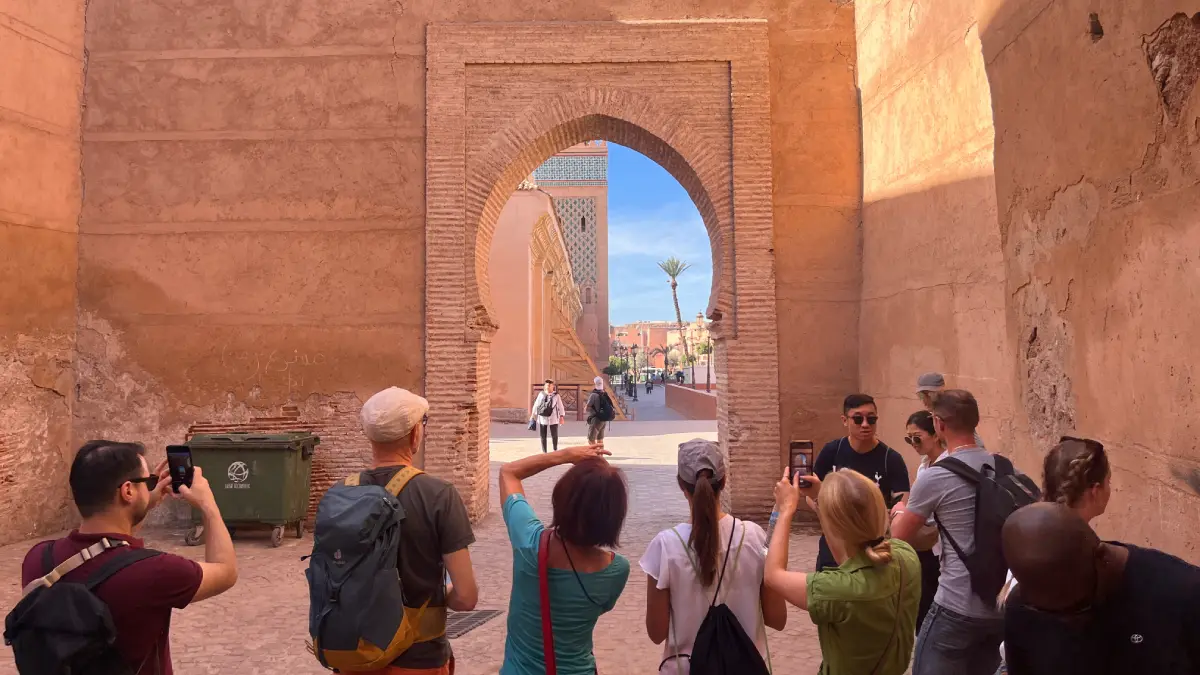
I have been guiding travelers in Morocco since 2004, and Marrakech is one of the places I know best.
If you would rather spend your first day understanding the Medina properly instead of figuring everything out through trial and error, you can explore my guided Marrakech walking tours with Morkosh Tours.
Final Advice From a Marrakech Guide
You do not need to complete all 17 things on this list.
If you have one day, choose the essentials.
If you have three days, mix monuments with food, gardens, neighborhoods and time to wander.
And if you have four days, resist the temptation to fill every remaining hour.
Some of the best Marrakech moments happen between the attractions:
a doorway you hadn’t noticed,
a quiet courtyard,
a conversation over tea,
a craftsman at work,
or simply realizing that the route you got lost on yesterday suddenly makes sense today.
That is when Marrakech starts feeling less like a checklist and more like a city.
Shwiya b’shwiya — little by little.