
Best Morocco Tours for First-Timers: Advice from a Marrakech Guide
If you are being called to Morocco for the first time, let me set the scene.
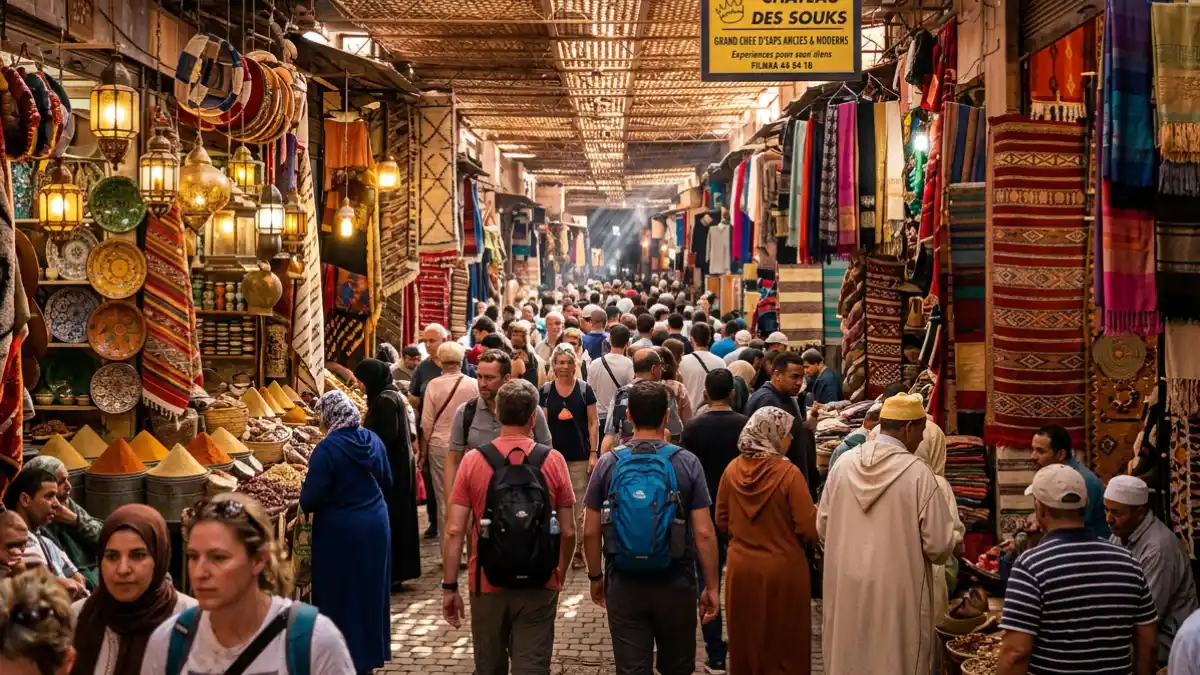
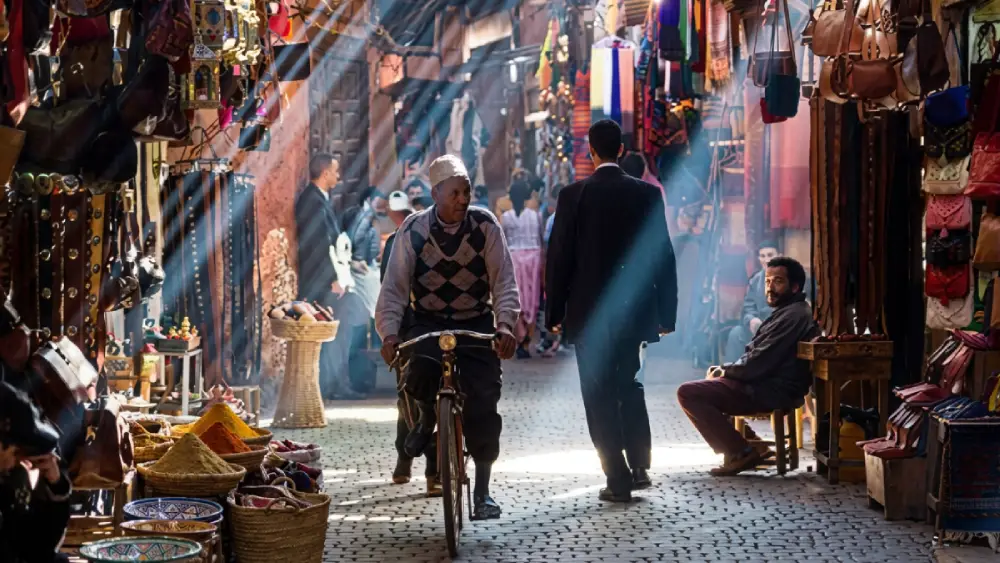
One minute you are in Marrakech, wedged between a motorbike, a donkey cart and a man selling mint leaves as somebody asks you “my friend, where are you from?” for the fifth time in a minute. Spices hit your nose; a muezzin calls to prayer; and somewhere a snake charmer’s flute is a little off-key.
Two days later you are on top of a dune in Erg Chebbi, near Merzouga. No horns. No “hello my friend”. No Wi‑Fi. Just cold sand, warming slowly under your feet, the silence of the Sahara Desert Morocco at sunrise.
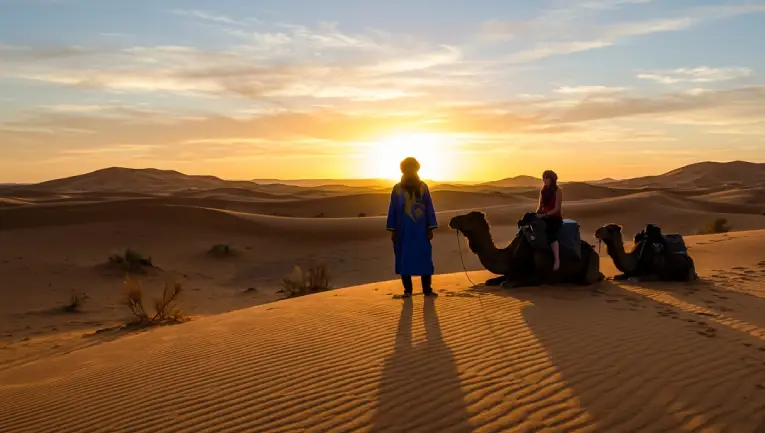
That’s precisely why I think the Best Morocco Tours for First-Timers combine the buzz of the Imperial Cities with at least a night under the desert stars.
And by 2026, Morocco is not the “mysterious, hard-to-get-to” place that some blogs still describe it as. We are targeting 17.5 million tourists, we have the Al Boraq high-speed rail flying between Casablanca, Rabat and Tangier, and ONCF trains and Petit Taxis connecting most of the major cities. It’s exotic enough to feel like a different world, but close enough to be your first big trip outside of Europe or North America.
In this guide, I’ll be covering when to come, which routes actually work, how to travel safely (especially solo women), what to pack, and how to choose between a group tour and a private trip. This is from 20+ years of private guided tours in Morocco – not reposted Instagram Reels.
Table of Contents
Table of Contents
When to Go: Aligning Your Trip with Morocco’s Diverse Climate
If you ask me, the best time to visit Morocco for first-time visitors is simple: avoid suffering.
That usually means avoiding:
- Baking in Marrakech at 45°C in August.
- Freezing your toes off in a desert camp in January with only a thin hoodie.
The “Goldilocks” Seasons
For most travelers, the sweet spot is:
- Spring: March–May
- Autumn: September–November
In these months, daytime temperatures in many places sit around 20–28°C. That’s comfortable for:
- Wandering the Marrakech or Fes medina
- Hiking short trails in the Atlas Mountains
- Riding camels near Erg Chebbi without feeling like kebabs on a grill
If you’re planning a Morocco 10-day itinerary 2026 or any 10-day Morocco itinerary Marrakech to Fes, try to land it in these windows. Your energy level and mood will be very different.
Regional Variations You Should Know
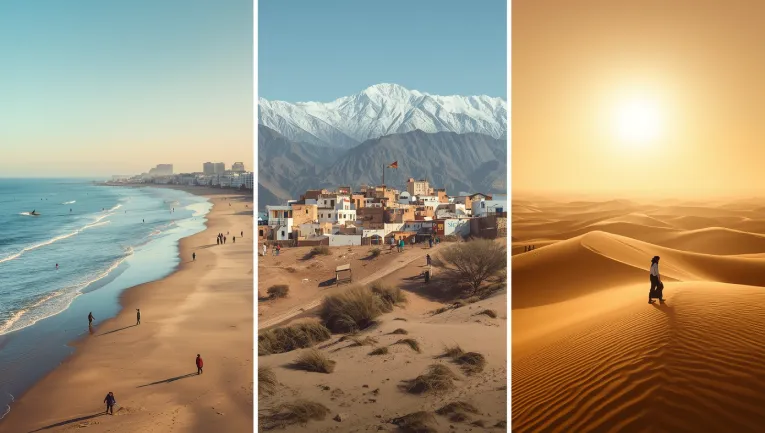
Morocco is not just “hot”:
- Coast (Essaouira, Casablanca, Rabat, Tangier): Mild all year. Summers are breezy, winters are cool but not brutal. Essaouira can be windy enough that you’ll want a light jacket even in July.
- Atlas Mountains (Imlil, Oukaimeden, Tizi n’Tichka): Winter (Dec–Feb) can mean snow. I’ve had guests stepping out in sneakers and thin socks, staring at the snow like they landed in Switzerland by mistake.
- Sahara (Merzouga / Erg Chebbi, Erg Chigaga): In summer, daytime can hit 45–50°C. We adjust times: early morning and late afternoon activities, long siestas in the shade.
- In winter, nights easily drop to 0–5°C. That’s when I see people regretting they only packed “Africa clothes”.
Festival Highlights Worth Timing For
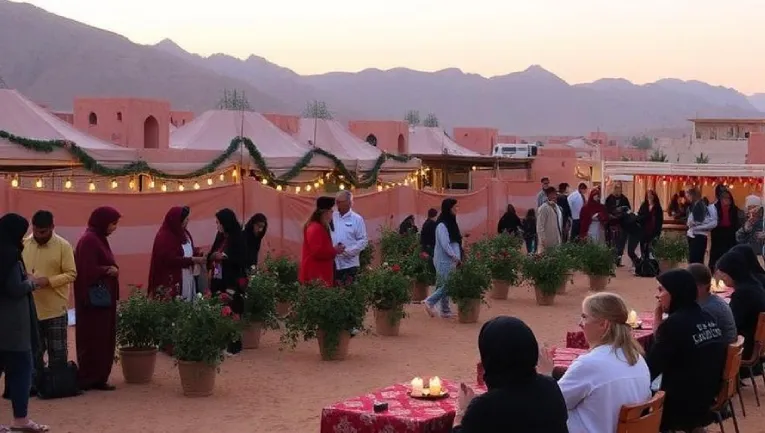
If your dates are flexible, consider:
- Rose Festival (May) — Kelaat M’Gouna, in the Valley of Roses near Dades:
- Fields of roses blooming.
- Local music, dancing, rosewater products everywhere
- Great to combine with a 4-day Sahara Desert tour from Marrakech
- Fes Festival of World Sacred Music (usually June):
- World-class musicians and spiritual traditions in the Fes Medina, one of the great Imperial Cities.
- Evening concerts in magical courtyards and historic sites.
- If you’re building a Morocco 10-day itinerary 2026, this festival is an incredible anchor.
For Indian travelers, I often say: if you’re used to hot and humid, you’ll find our dry heat more tolerable—but still, March–April and October–November usually feel the best.
Selecting Your Route: Itineraries That Actually Work
Let’s talk routes that respect your energy, time, and jet lag. I see too many first-timers trying to see everything from Chefchaouen to Erg Chigaga in five days. That’s not a holiday; that’s a punishment.
The 4-Day “Sweet Spot” Sahara Loop from Marrakech
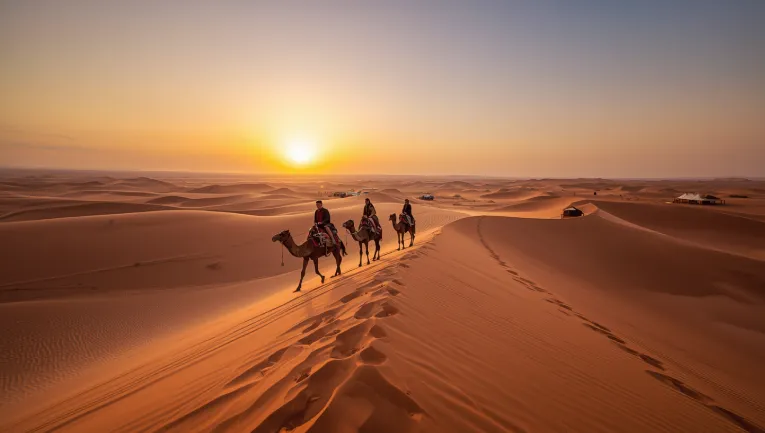
If you only have a few days but want a real Sahara taste, this is the 4-day Sahara Desert tour from Marrakech route I actually run for guests:
Day 1: Marrakech → High Atlas → Ait Ben Haddou → Ouarzazate
- Cross the High Atlas via Tizi n’Tichka Pass (about 3.5–4.5 hours driving with stops).
- Visit Ait Ben Haddou (UNESCO ksar—“Game of Thrones” and many films were shot here).
- Overnight in Ouarzazate (“the door of the desert”).
Day 2: Ouarzazate → Valley of a Thousand Kasbahs → Todra Gorge → Merzouga (Erg Chebbi)
- Follow the Dades / Skoura palm groves and the Valley of a Thousand Kasbahs.
- Walk in Todra Gorge —towering red cliffs, nice short hikes.
- Arrive in Merzouga, ride camels into the Erg Chebbi dunes for sunset.
- Overnight in a luxury desert camp (often with private bathrooms and good food).
Day 3: Merzouga → Rissani → Draa Valley → Ouarzazate
- Visit Rissani market (authentic local market, special on market days).
- Drive through the Draa Valley with its endless date palms.
- Overnight back in Ouarzazate.
Day 4: Ouarzazate → Marrakech
- Easy drive back across the Atlas, with photo stops and a relaxed arrival in Marrakech.
For a private 4-day Sahara tour for two people with mid-range riads and a quality desert camp, you’re roughly looking at $800–$1,600 total in 2026 (about $100–$200 per person per day depending on level and season).
This is my favorite “first taste” Sahara trip for people who don’t want to rush like crazy.
7-Day Essential Highlights: Marrakech, Ait Ben Haddou, Sahara & Fes
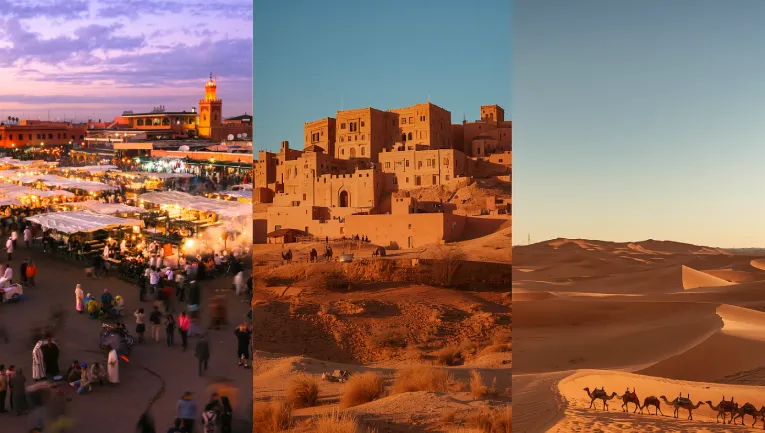
If you have a week, the Best Morocco tours for first-timers 2026 usually include both Marrakech and Fes, with one Sahara night in between.
A realistic outline 7-day Morocco highlights:
- Days 1–2: Marrakech
- Jemaa el-Fna, Bahia Palace, Saadian Tombs, medina walk. Read my Marrakech travel guide.
- Day 3: Marrakech → Ait Ben Haddou → Ouarzazate
- Day 4: Ouarzazate → Todra Gorge → Merzouga (Erg Chebbi camp)
- Day 5: Merzouga → Ziz Valley → Midelt → Fes
- Long driving day, but stunning scenery
- Days 6–7: Fes
- Dive into the Fes Medina, tanneries, madrasas. Read my Fes travel guide.
- Optional: short day trip into the nearby countryside or Roman ruins at Volubilis.
A week is just enough to see two major Imperial Cities, the Sahara dunes, and the Atlas, without collapsing.
The 10-Day “Golden Loop” – My Recommended First-Timer Route
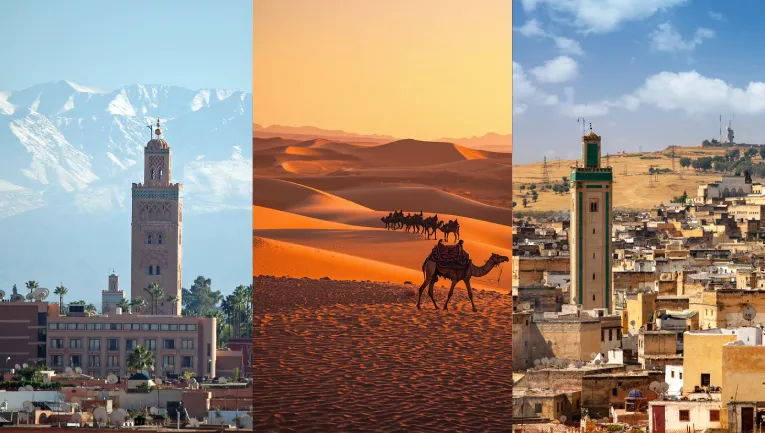
For a full 10-day Morocco itinerary Marrakech to Fes that doesn’t feel rushed, this is the Golden Loop I recommend most often:
Days 1–3: Marrakech – Palaces, Souks, and a Hammam
- Day 1: Land, check in, light walk through the medina and Jemaa el-Fna.
- Day 2: Guided city tour (I like to cover Bahia Palace, Saadian Tombs, Koutoubia, and the hidden corners of the souks).
- Day 3: Free time + traditional hammam and spa in the afternoon to reset your body clock.
Check my article best things to do in Marrakech.
Days 4–6: The Sahara Adventure (High Atlas, Ait Ben Haddou, Dades, Erg Chebbi)
Follow the structure of the 4-day tour, but stretched more comfortably:
- Day 4: Marrakech → High Atlas → Ait Ben Haddou → Ouarzazate
- Day 5: Ouarzazate → Dades / Todra → Merzouga → Erg Chebbi sunset & camp.
- Day 6: Merzouga → Ziz Valley → Middle Atlas landscapes → evening arrival in Fes
This is where almost everyone tells me: “Yes, the Sahara was worth the distance.” If you’re asking, “Is the Sahara Desert worth the travel distance?” —for most travelers, the answer is a big yes. Erg Chebbi’s dunes are usually the highlight of the trip.
Day 7: Chefchaouen Day Trip from Fes
- Early start to Chefchaouen, the Blue City in the Rif Mountains.
- Wander blue alleys, sip mint tea on a rooftop, take a thousand photos.
- Return to Fes in the evening.
You can turn this into a one-night stay instead, but as a first-timer with only 10 days, a long day trip keeps the itinerary simpler.
Day 8: Deep Dive into Fes Medina
- Full day exploring the Fes Medina —arguably the world’s oldest functioning medieval city.
- Visit tanneries, artisan quarters, madrasas, and hidden caravanserais.
- Here a local guide is essential: without one, Fes can feel like a beautiful labyrinth that slowly drains your patience.
Day 9: Casablanca & Hassan II Mosque
- Travel to Casablanca (by ONCF train or private car).
- Visit Hassan II Mosque: right on the ocean, one of the largest mosques in the world, and one of the few in Morocco that non-Muslim visitors can enter on a guided tour.
- Overnight in Casablanca or continue to Rabat depends on your flight plans.
- If Casablanca is part of your first Morocco trip, use my 2-day Casablanca Travel Guide to decide what to see and how long to stay before continuing to Rabat or your next stop.
If you prefer more charm and less traffic, you can swap Casablanca for Rabat, another Imperial City with a calmer seaside feel.
Day 10: Departure
- Depending on your flight, transfer to Casablanca or back to Marrakech.
- Many people fly into Marrakech and out of Casablanca (or Tangier if they used the Al Boraq high-speed rail).
A 10-day private tour like this, mid-range level for two people, will usually fall between $2,000 and $4,000 total in 2026.
D. The Nomad Addition: Taghazout & Remote Workers
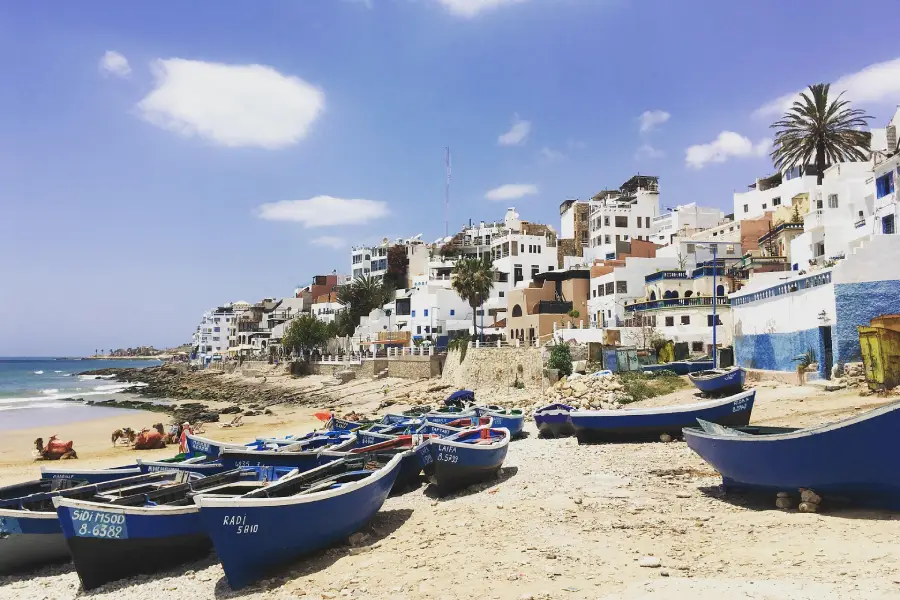
If you’re a digital nomad or just want some slow days by the ocean, add 3–5 days in Taghazout or Tamraght:
- Taghazout (Panoramas area):
- Surf, yoga, and digital nomad coliving in Taghazout.
- Many surf houses now have fiber internet, shared workspaces, and weekly events.
- Tamraght:
- Slightly quieter, more local vibe, often cheaper accommodation.
A realistic monthly budget for nomads is around €700–€1,200:
- Private room in a coliving/surf house.
- Shared kitchen or half-board
- Tagine or fish of the day: 40–80 MAD (€4–8) in local spots.
- Maroc Telecom SIM for backup internet.
Solo Female Travel Morocco safety tips: Navigating the Emotional Reality
Let’s be honest: Is Morocco safe for first-time visitors?
Physically, yes—especially compared to many countries. Violent crime against tourists is rare. But is it always comfortable? Not always.
Safety vs. Discomfort
Most solo women I guide or meet report:
- No serious physical incidents
- But verbal harassment, “sweet tongues,” comments about being beautiful, questions like “Where is your husband?”
This is especially true in the medinas of Marrakech and Fes, less so in the Sahara or smaller towns.
So if you’re looking for Solo female travel Morocco safety tips, think more about emotional energy and boundaries than about knife fights and dark alleys.
Using “Hshuma” – The Social Shame Card
One powerful cultural tool is “Hshuma” (or Hshouma) = Moroccan Arabic (Darija) for “shame”.
If a man is being too insistent:
- Look him in the eyes and say, “Hshouma!” (shame)
- It signals he’s crossing a line in public.
- Because Moroccan society is very sensitive to reputation and respect, this often stops the behavior.
Other phrases I teach my guests:
- “La, shukran” — No, thank you! Say it firmly and keep walking.
- “Rajli f l-otel” — My husband is at the hotel. This last one ties into the “fake husband” tactic, which I do recommend. Morocco is very family-oriented; when a woman is “claimed” as married, continued flirting becomes hshuma for the man.
Mental Strategies That Help
Here are a few Solo female travel Morocco safety tips I repeat in the car:
- Walk with purpose.
- Confident body language, eyes ahead. You’re “going somewhere,” not browsing for a husband.
- Headphones trick (even if nothing is playing).
- Makes it easier to ignore small comments.
- Sit where families sit.
- On trains or in cafés, choosing a seat near women and families changes the whole atmosphere.
- Trust your gut.
- If a street feels too empty or a situation feels off, change direction. You don’t owe anyone an explanation.
The Ultimate Culture-Savvy Packing List
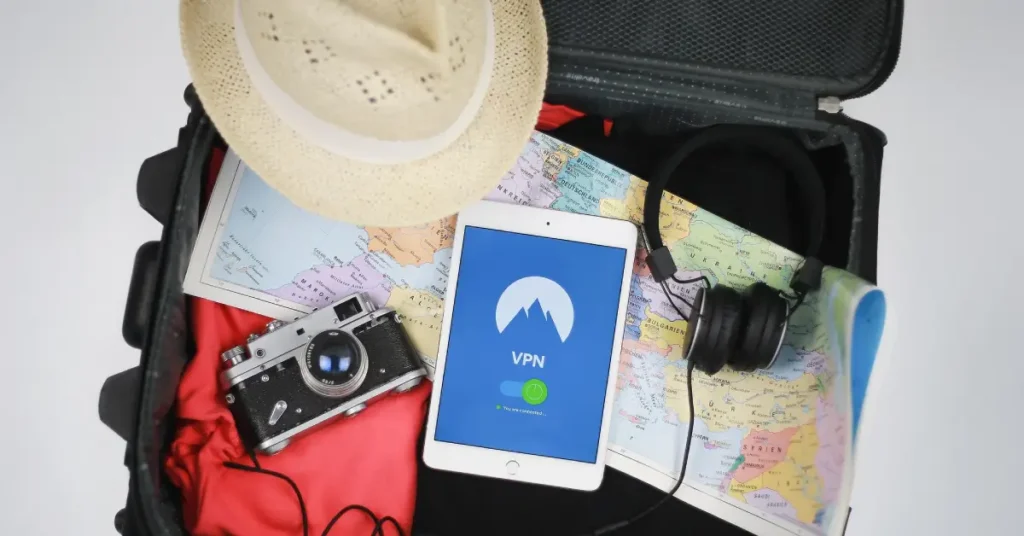
Searches like “What to wear in Morocco packing list” and “What to wear in Morocco for women” are huge. —and with reason. Dress affects your comfort, the attention you receive, and your experience with locals.
The Modesty Rule (Without Overcomplicating It)
Morocco is not Saudi Arabia. You don’t need a hijab or abaya. But if you cover:
- Shoulders
- Cleavage
- Knees
…you’ll get less unwanted attention and more respect, especially in conservative areas.
For women, what works best on my tours:
- Maxi dresses (not super clingy)
- Wide-leg linen trousers
- Loose-fit cotton or linen tops with short or ¾ sleeves
- A light cardigan or kimono-style layer
For men: jeans or chinos, t‑shirts or collared shirts; shorts are okay in most touristy places but long pants feel more respectful in medinas and mosques’ surroundings.
Regional Adaptations
- Marrakech / Fes in summer:
- Linen, cotton, breathable fabrics. Avoid heavy synthetics.
- Sahara nights in winter (Merzouga / Erg Chebbi):
- Temperatures can drop to 0–5°C. I’ve watched people shiver through the night because they packed only for “desert = hot”.
I always suggest:
- Merino base layer
- Warm fleece or light down jacket
- Socks you actually like
- Beanie or warm hat for stargazing
Footwear Intelligence
Flat flip-flops and slippery leather sandals are a nightmare on:
- Uneven medina cobblestones.
- Dusty, rocky desert tracks.
- Stairs in riads.
Bring:
- Cushioned walking shoes or trainers with grip.
- Optional: simple sandals for riad/camp and the beach.
Small Items Guests Always Thank Me For
From my unofficial What to wear in Morocco packing list:
- Power bank (20,000 mAh):
- Charging in desert camps is often limited and shared.
- Headlamp:
- Essential at night in camps—finding the bathroom at 3:00 AM becomes much easier.
- Lightweight cotton scarf:
- Works as:
- Sun shield in Sahara
- Dust mask in the wind
- Modesty layer
- Evening warmth
- Extra pillowcase on the road
- Works as:
Logistics: Managing the “Boring but Important”
These are the things that don’t look good on Instagram but can save your trip.
Connectivity in 2026
Yes, there is eSIM now, but on the ground reality:
- Maroc Telecom (IAM) still wins for desert and mountain coverage.
- A physical SIM with 10–20 GB of data is usually 100–200 MAD (~€10–20).
- You can buy it at airports, official shops, or many kiosks—just bring your passport.
eSIMs are fine for cities, but if your itinerary includes Erg Chebbi or remote mountain roads, I still recommend a Maroc Telecom physical SIM.
Money and Bargaining
Morocco is still largely a cash-based society once you leave fancy restaurants and big hotels.
- ATMs are common in cities; less so in small towns.
- In the medina, expect to pay cash for:
- Small restaurants
- Petit taxis
- Souvenir stalls
Bargaining tips:
- Always start with a smile.
- If the first price is 300 MAD, offering 100–150 is normal.
- Don’t bargain for half an hour over 10 MAD. Protect your energy for tea and sunsets.
- If you don’t want something, just say “La, shukran” and keep walking.
Transport Decoded: Trains, Taxis, and Drivers
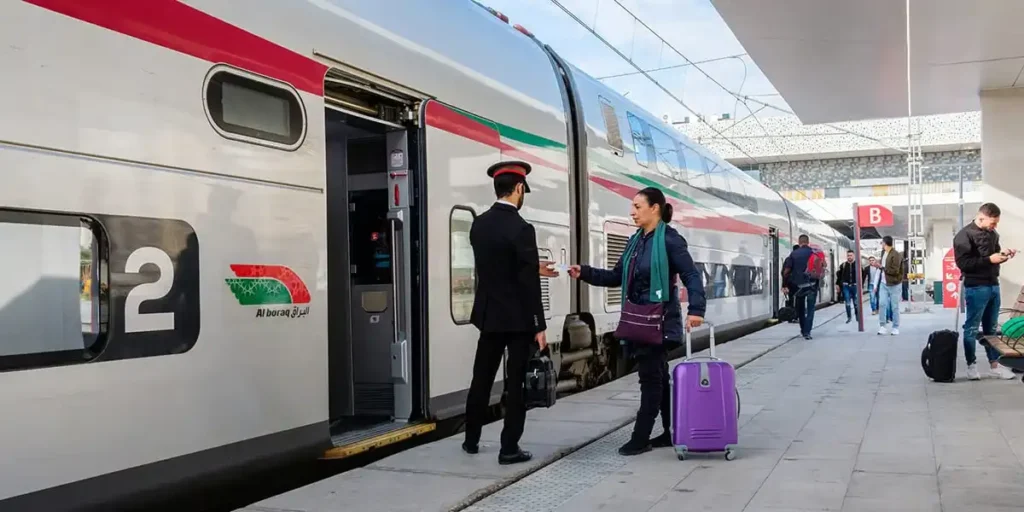
Trains & Al Boraq (ONCF):
- The Al Boraq high-speed rail links Casablanca – Rabat – Tangier fast and comfortably.
- On longer routes, I recommend 1st class for a small extra fee:
- More space
- Quieter
- Often more families and business travelers—good for solo women
- On longer routes, I recommend 1st class for a small extra fee:
I love ONCF Trains between major cities, but for mountain roads and Sahara routes, trains don’t reach.
Petit Taxis:
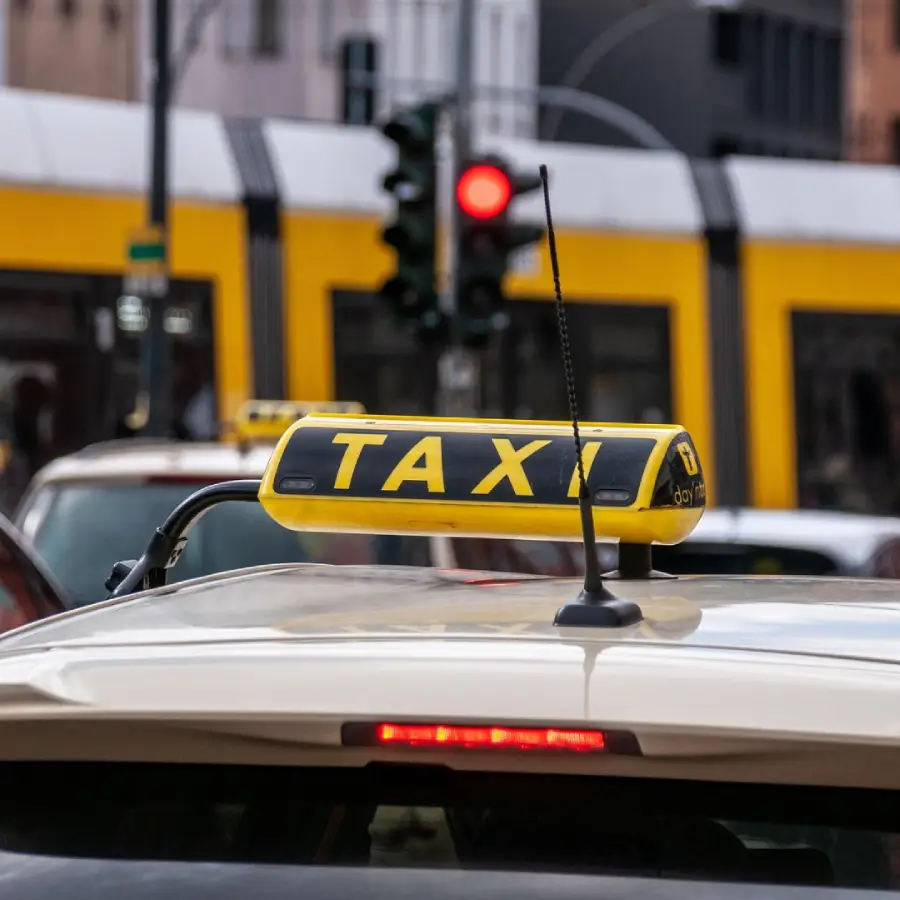
- Short rides in Marrakech or Fes:
- Expect around 10–20 MAD in 2026 for a normal short trip.
- Insist on the meter (“compteur”). If they refuse, just say “no thanks” and take another taxi.
Most common scam: “No meter, my friend, special price today.”
You’re not obliged to accept.
Private Drivers: When They’re Worth It
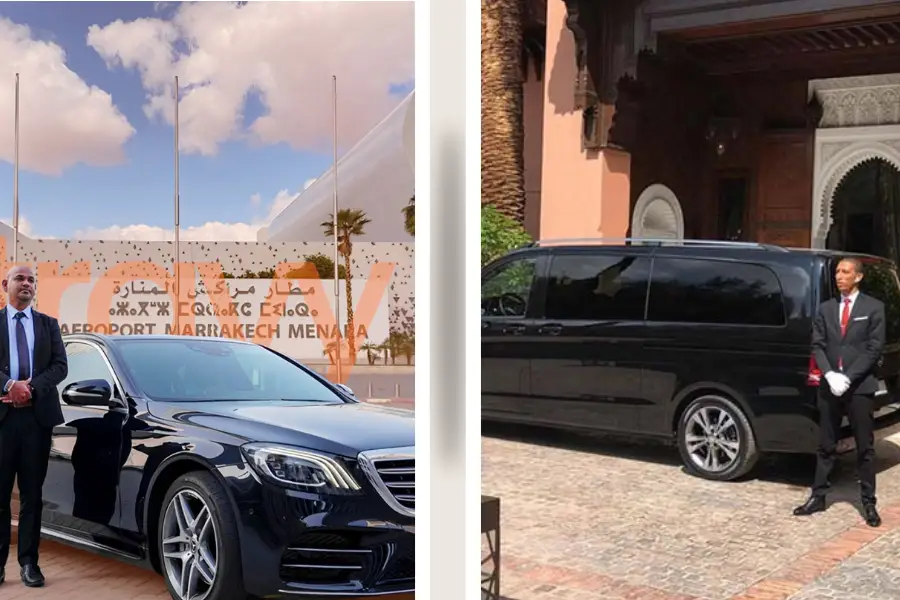
For routes like:
- Marrakech → Ait Ben Haddou → Dades → Merzouga
- Fes → Chefchaouen
- Desert → Fes / Marrakech
…a licensed private driver/guide is more than just comfort:
- Roads through the Atlas Mountains can be tiring and sometimes tricky.
- Public transport isn’t always well-coordinated.
- Having someone who knows the route, the safe lunch spots, and how to handle unexpected issues is a big relief—especially for first-timers.
This is exactly what I do with Morkosh Tours: design these routes so you don’t have to negotiate a new taxi in every town.
Moroccan Gastronomy: A Journey Beyond Tagine
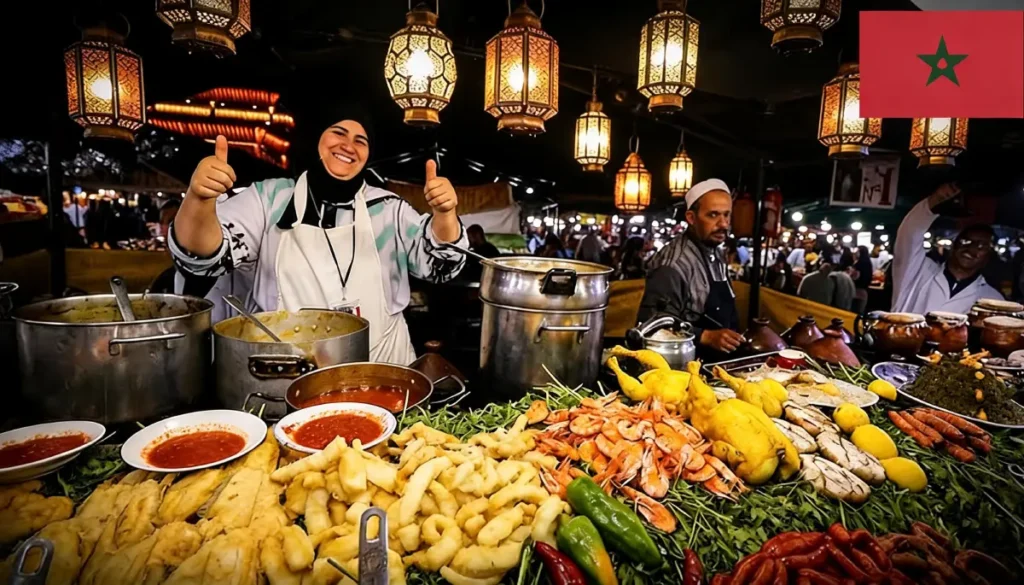
Morocco is not just “tagine and couscous” (although we do those very well).
Dishes You Should Look For
- Harira: Our national soup. Tomato-based, with lentils, chickpeas, often a bit of meat and herbs. Traditionally eaten to break the fast in Ramadan, but available year‑round. Perfect on a cool evening.
- Couscous (Kseksou): Traditionally eaten on Friday lunch with family. Steamed semolina, vegetables, and sometimes meat. When done properly, it’s incredibly light and fluffy.
- Tagine: Chicken with preserved lemon and olives, lamb with prunes, vegetable tagines…
- In a normal local restaurant in Marrakech, a tagine in 2026 is around 40–80 MAD (€4–8).
- Chermoula: A marinade for fish (garlic, herbs, spices, lemon). If you’re by the coast in Essaouira or Agadir, ask for grilled fish with chermoula.
- Mint Tea: Not just a drink, but a ceremony of hospitality. It’s sweet, it’s strong, and if you accept tea, expect conversation.
Street Food Safety
To avoid “Morocco belly”:
- Eat where it’s busy with locals, high turnover = fresher food.
- Avoid sad, lonely skewers sitting in the sun.
- Can you drink tap water in Morocco?
- I strongly advise no. Stick to bottled or filtered water, especially as a first-time visitor.
- Fresh orange juice in Jemaa el-Fna: 10–15 MAD for a glass. Just choose stalls with clean glasses and lots of customers.
Conclusion: How to Choose Your Tour Style
In the end, the Best Morocco Tours for First-Timers come down to three big choices:
1. How long you have (4, 7, or 10 days)
2. How independent you want to be
3. How much mental energy you want to spend on logistics vs experiences
Guided Group vs. Private Tour
Guided group tours:
- Better for tighter budgets and very social travelers.
- Fixed itinerary and dates.
- Less flexibility if you fall in love with a place and want to linger.
Private tours:
- Fully tailored to your pace and interests.
- Ideal for couples, families, and solo travelers who don’t want to manage logistics.
- More room for little detours: a spontaneous mint tea with a Berber family, an unplanned stop in a palm grove, or extra time on a viewpoint because the light is perfect for photos.
If you’re the kind of traveler who likes stories, flexibility, and not worrying about road conditions or taxi negotiations, a private tour is usually worth the extra cost—especially on a first trip.
I design exactly these kinds of itineraries with Morkosh Tours, starting from Marrakech and looping through the Atlas, Sahara, Fes, Chefchaouen, Casablanca, and beyond. If you’re planning your first visit and want to get it right the first time, you can always reach out to me for a custom route that matches your dates, pace, and comfort level.
2026 FAQ: Best Morocco Tours for First-Timers
Is Morocco safe for solo women?
Yes, overall Morocco is physically safe for solo women—violent crime against tourists is rare. The challenge is more emotional discomfort from street comments and “sweet tongues,” especially in Marrakech and Fes. Dressing modestly, walking with purpose, using phrases like “Hshouma!” and “La, shukran,” and choosing 1st‑class trains and reputable riads go a long way. Many of my solo female guests finish their trips feeling tired of comments, but not unsafe. Don’t miss my article about Solo female travel Morocco safety tips.
Do I need a visa for Morocco?
If you have a US, UK, EU, Canadian, Australian and several other passports, you generally get visa-free entry for short stays (check the latest list before you fly). Indian passport holders must apply for an e‑visa online before traveling—most guests describe it as straightforward if they apply a few weeks in advance. Always check current rules on the official Moroccan e‑visa portal or with your local consulate before you book flights.
Can I drink the tap water in Morocco?
I recommend you do not drink tap water, especially as a first-time visitor. Locals are used to it, but many travelers get “Morocco belly” from tap water, ice cubes, or washed salads. Stick to bottled water, filtered water, or a good travel filter bottle, and be a bit cautious with street juices if you’re sensitive.
How many days do you need to see Morocco properly?
For a first trip, 7–10 days is ideal. With 4 days, you can do a focused Marrakech–Sahara loop. With 7 days, you can add Fes. With 10 days, you can complete the “Golden Loop”: Marrakech, Sahara, Fes, Chefchaouen day trip, and Casablanca or Rabat. Less than a week usually means rushing and too many hours in the car.
What is the best month to visit Morocco?
The most comfortable months are usually March–May and September–November, when daytime temperatures hover around 20–28°C. These “Goldilocks” seasons are perfect for medina wandering and Sahara overnights without extreme heat or cold. Summer works for the coast and mountains, but Marrakech and the desert can be brutally hot; winter is great for cities but bring warm layers for the dunes.
Is the Sahara Desert really worth the long drive?
For most of my guests, yes—absolutely. The first time you climb a dune in Erg Chebbi, watch the sky turn pink, and hear nothing but the wind and your own footsteps, it feels like another planet. The drive is long, but we break it with kasbahs, gorges, and palm valleys so it becomes a road trip, not just a transfer. Most people tell me the Sahara night was the highlight of their Morocco tour.
Is Marrakech or Casablanca better for a first-timer?
For a first-time tourist, I almost always recommend Marrakech over Casablanca. Marrakech gives you medinas, riads, souks, Jemaa el‑Fna, and easy access to the Atlas and Sahara—all the things people dream of when they say “Morocco.” Casablanca is more of a business hub with one major tourist must‑see, the Hassan II Mosque. It’s perfect for an arrival or departure day, but not my choice as a main base.
If you’re still unsure which route fits you—4 days, 7 days, or the full 10-day Golden Loop—send me a message through Morocco Unfolded or contact me at Morkosh Tours. Tell me your dates, who you’re traveling with, and what kind of comfort level you want, and I’ll help you shape a Morocco tour that feels like your adventure, not just another bus route.
