The Best Guide to the 4 Imperial Cities of Morocco

Culture, History, and a New Ranking

The four Imperial Cities of Morocco: Fez, Marrakech, Meknes and Rabat — are the pulse of royal Morocco’s past and its lively present. Each of these cities was at the center of power for different dynasties in history, but had its own character and significance. So, if you plan on visiting Morocco, do not forget to visit these cities, not only for the history but for the rich culture. 

In this guide: We’ll discuss what makes each of these cities so alluring, highlighting some comparisons, and offer practical tips for travel to maximize your visit.

A Timeline of Power: Why These Four?

Morocco’s Imperial Cities were the sites of its ruling dynasties — dynasties that played a significant role in molding the country’s culture and politics over the centuries. These cities have a history that encompasses several dynasties: Idrisids, Almoravids (Murabitun), Almohads, Merinids, Saadians and Alawids. From during the rule of all 3 of these powers, they left behind masterpieces in architecture and historical sites as well as cultural heritage.

Strategic table: Main points on the Imperial Cities of Morocco

City

First Named Capital

Notable Dynasty

Primary Vibe

Fez

789 AD

Idrisids

Spiritual & Historic

Marrakech

1062 

Almoravids

Dazzling & Touristy

Meknes

1672 

Alawids

Serene & Grandiose

Rabat

1912 

Alawids (current)

Modern & Coastal

These cities were not just capitals but also cultural epicenters that still display the glory of Morocco’s past. They deserve their status as UNESCO World Heritage sites, providing a viewpoint of what Morocco is.

Fez: The Cultural & Spiritual Cornerstone

Imperial Cities of Morocco

Fez is the oldest and most cerebral of Morocco’s Imperial Cities. Called the “spiritual heart” of Morocco, Fez was founded as a capital in 807 A.D. and became a center of learning and culture. It is also the home of the world’s oldest continually operating university, Al-Quaraouiyine, which was established in 859 AD.

Must-See Landmarks:

University of Al-Quaraouiyine

University of Al-Quaraouiyine

Visit the oldest existing institution, which academic activity is lastly highly influencing islamic community for thousand years.

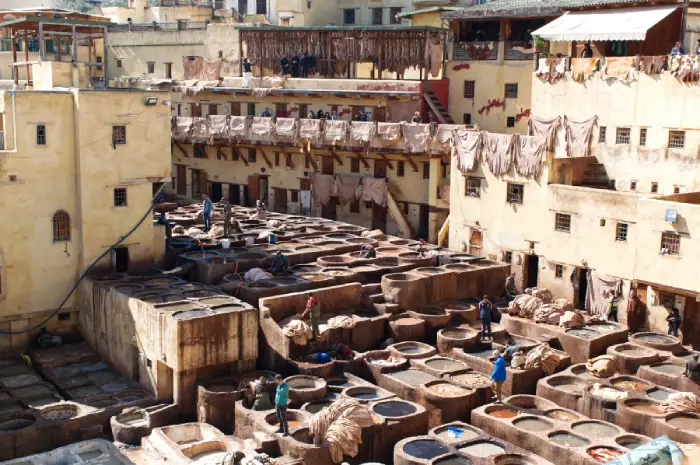
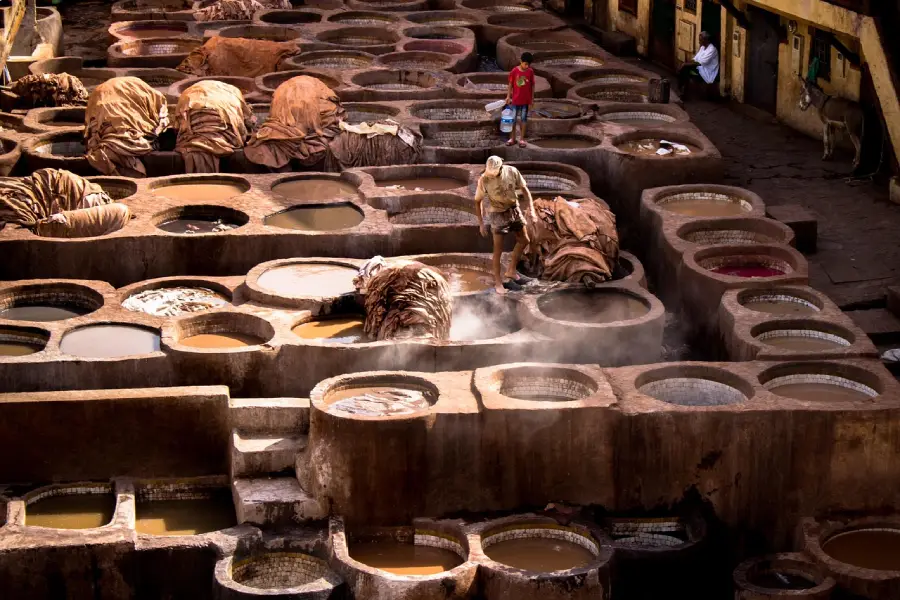
Chouara Tanneries

See leather being made in ways that have not changed for centuries. The leather is a photographer’s dream in vibrant colors (tip: bring a mint sprig to counter the smell).

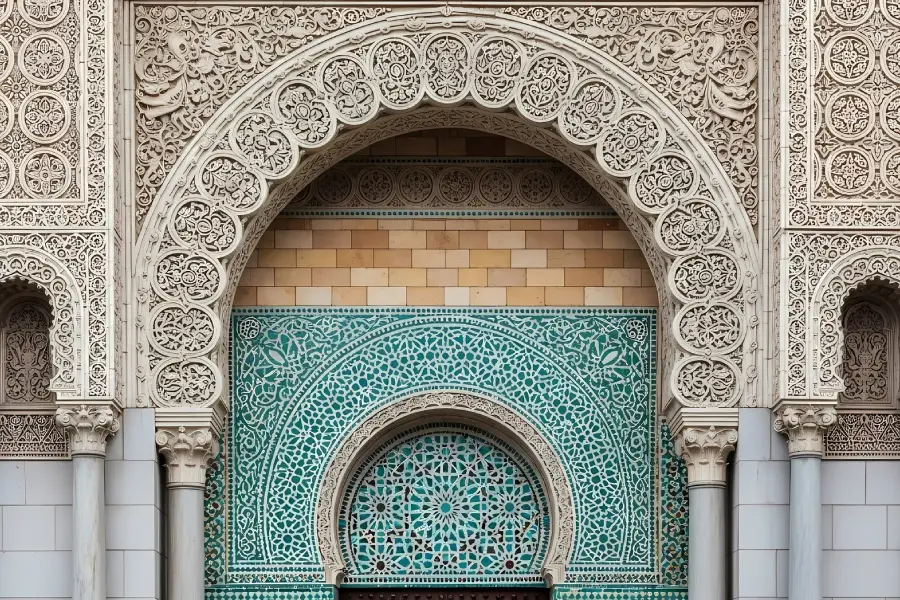
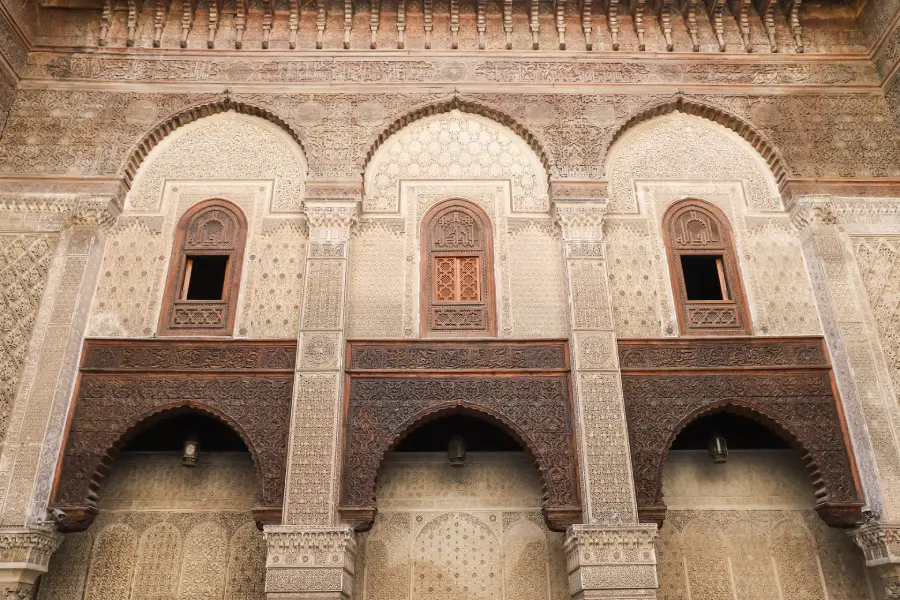
Madrasa Bou Inania

One of the most stunning examples of Merinid architecture, this madrasah gives us a real peak into the beauty and history of Moroccan architecture.

Insider Insight:

  • Fez’s medina, known as Fez el-Bali, boasts more than 9,000 narrow, winding alleys. Get lost wandering the maze of streets for a really immersive experience in historic ambiance.
  • Fez is a confluence of spirituality, history and culture. It’s a locale where history is not merely in the books; it’s alive in the streets.

Marrakech: Spectacle, Red City

Marrakech, arguably the quintessence of Moroccan culture, is a colorful, chaotic and charming city. Called the “Red City,” because of the distinctive color of its buildings, Marrakech is the country’s tourism center and serves up a lively contrast to the more muted tones of Fez.

Top Experiences:

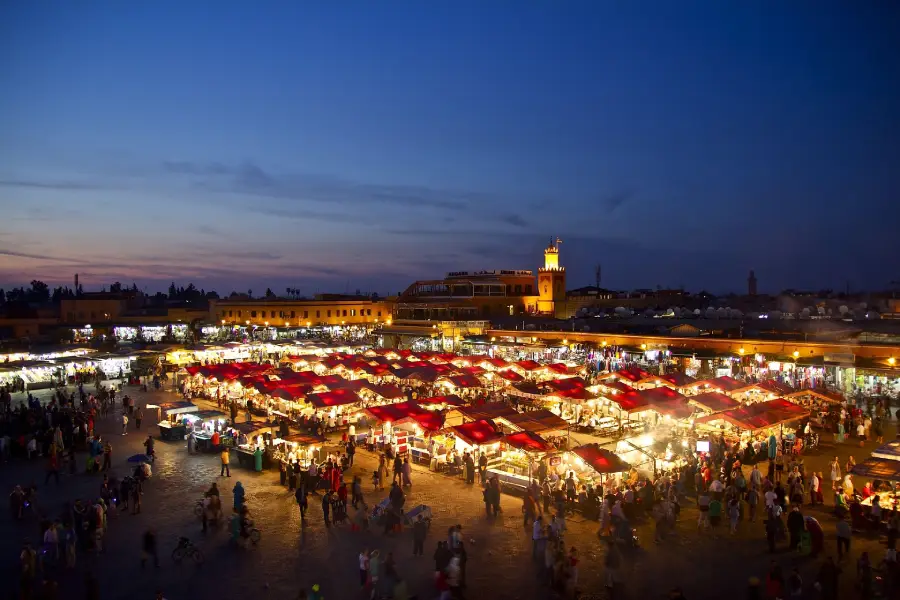
Jemaa el-Fnaa

Jemaa el-Fnaa

Marrakech’s main square is jangly with snake charmers, street performers and griots (storytellers). It’s a must-see for any visitor; the energy is palpable.

Royalty on Every Corner

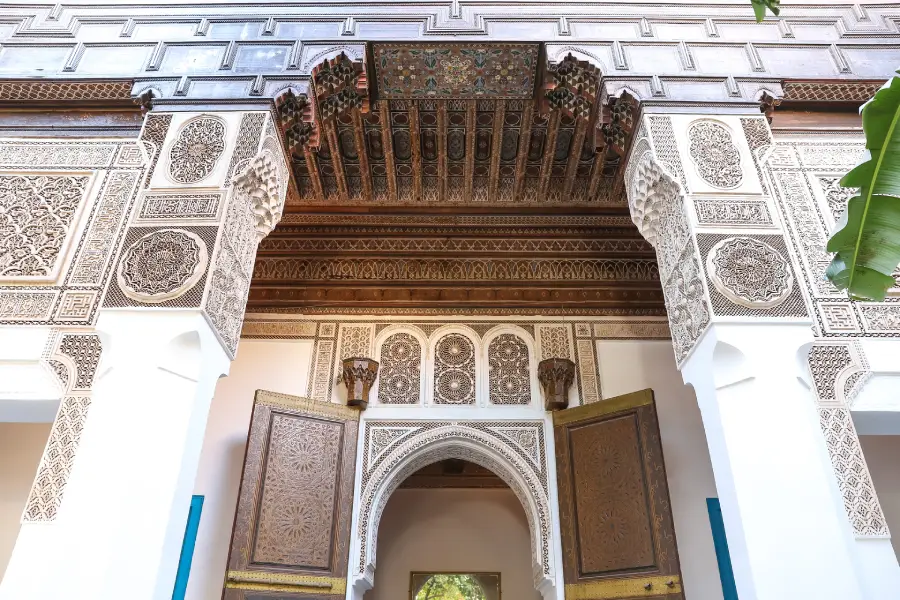
Ruins of the El Badi Palace and stunning mosaics of Bahia Palace mean that few cities speak so readily of riches as Marrakech.

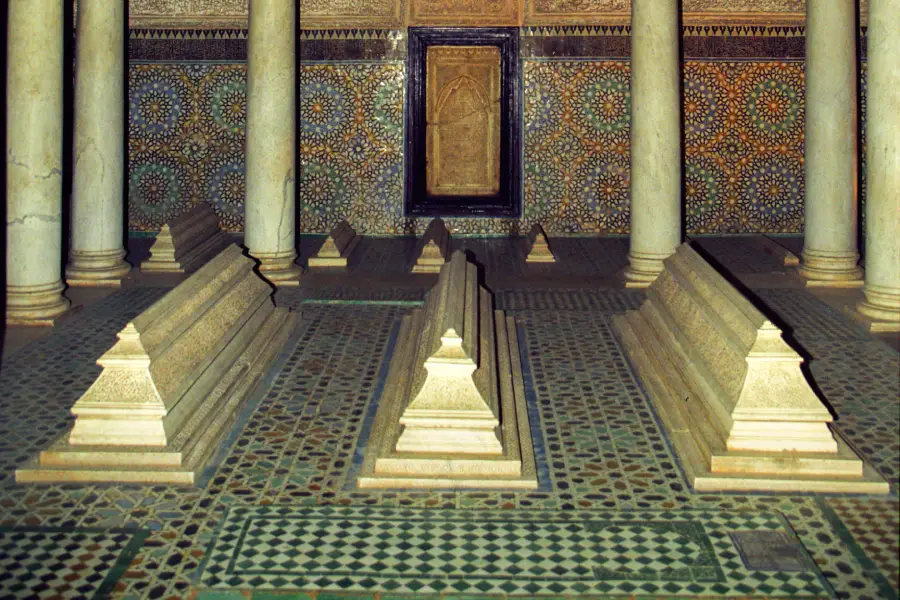
Saadian Tombs

The tombs of the Saadian dynasty were found in 1917 and offer a glimpse into 16th-century splendor.

Insider Insight:

  • Explore the Majorelle Garden with its stunning blue tones and peaceful ambiance. However, also watch out for all the crowds that come to this must-see attraction.
  • Marrakech is the city of spectacle—a crucible where history and modernity meet. Every foodie, sightseer and partygoer has to take the time out to visit this gorgeous place, as it is lively, colorful, and one of those things that is essential for you to do in Morocco.

Meknes: The "Versailles of Morocco"

Meknes is not as famous as Marrakech or Fes, but it hosts a birder experience that is more tranquil and peaceful. The palace, known as the “Versailles of Morocco,” was constructed in a bid to match the grandeur of European palaces during the 17th-century reign of Sultan Moulay Ismail.

Key Monuments:

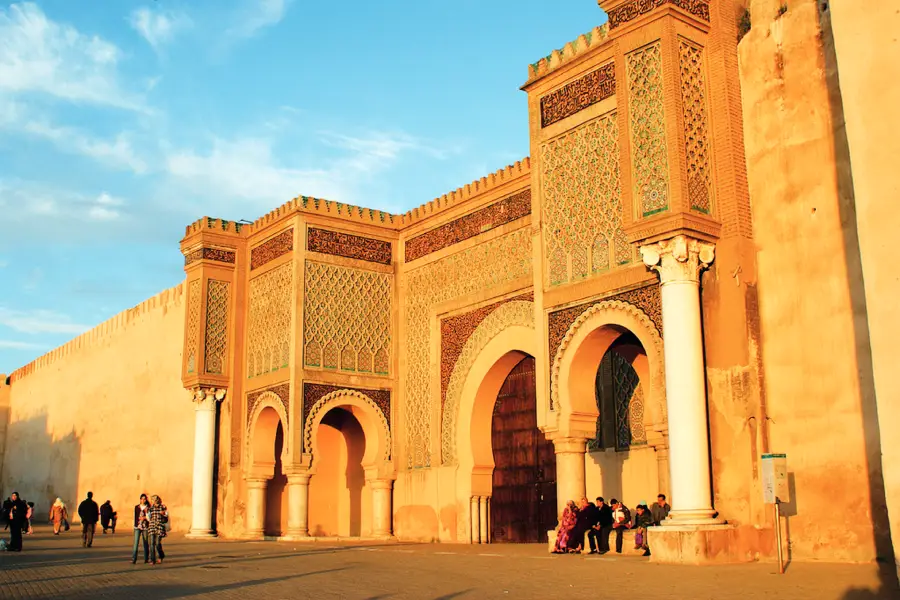
Bab Mansour Gate

The most beautiful gate in North Africa, the entrance to the royal city.

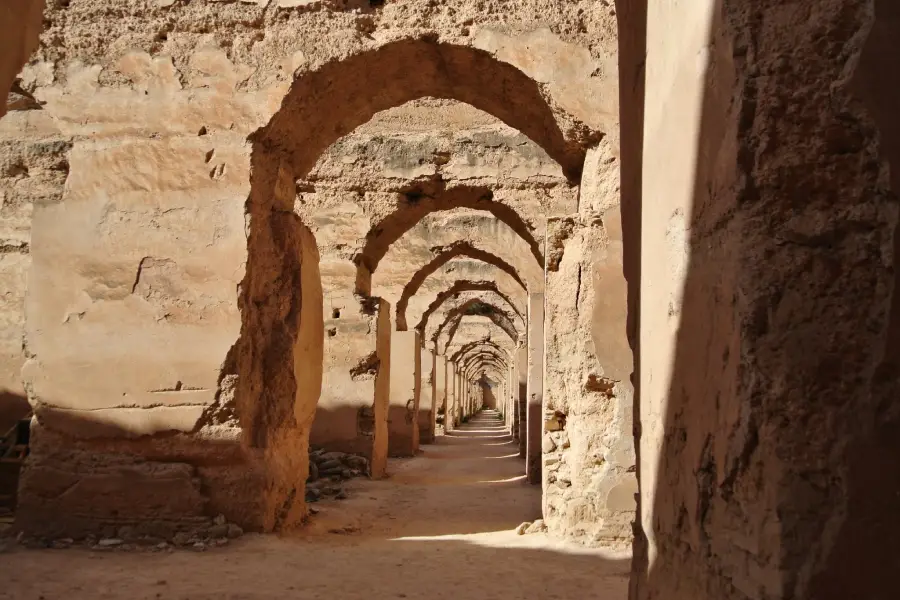
Royal Stables and Granaries

These gigantic structures could hold up to 12,000 horses and were an expression of the engineering skills at the time.

The Day Trip Bonus:

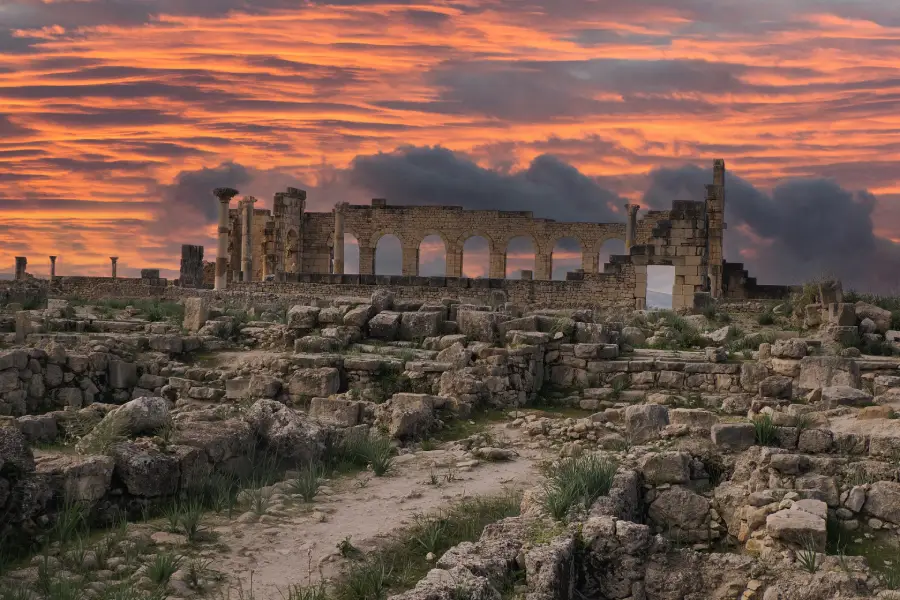
UNESCO-listed Roman ruins in Volubilis, meanwhile, are just 30 kilometers from Meknes — providing a peek into Morocco’s ancient past.

Insider Insight:

Though Meknes features less foreign tourism than cities like Marrakech or Fez, it has a grand and peaceful character. For those looking to avoid the tourist crowds, Meknes is a lesser-known treasure not to be missed.

Rabat: The Elegant Up-coast Capital

Rabat, the capital of Morocco, is a contemporary city with a foot in the past. It retains the look of a corridor of historical heritage but also offers a smooth and more refined coastal life experience that makes it differ from other Imperial Cities of Morocco.

Top Sights:

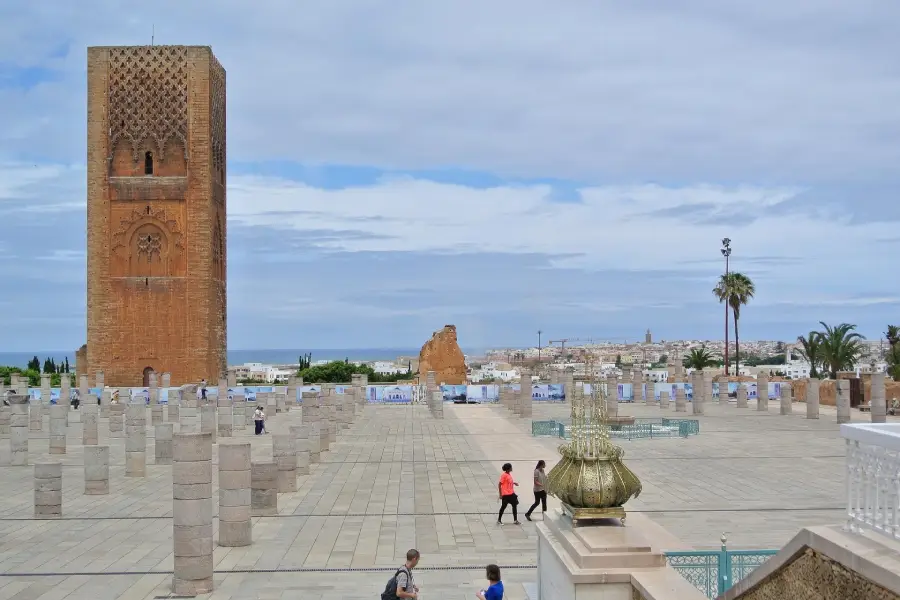
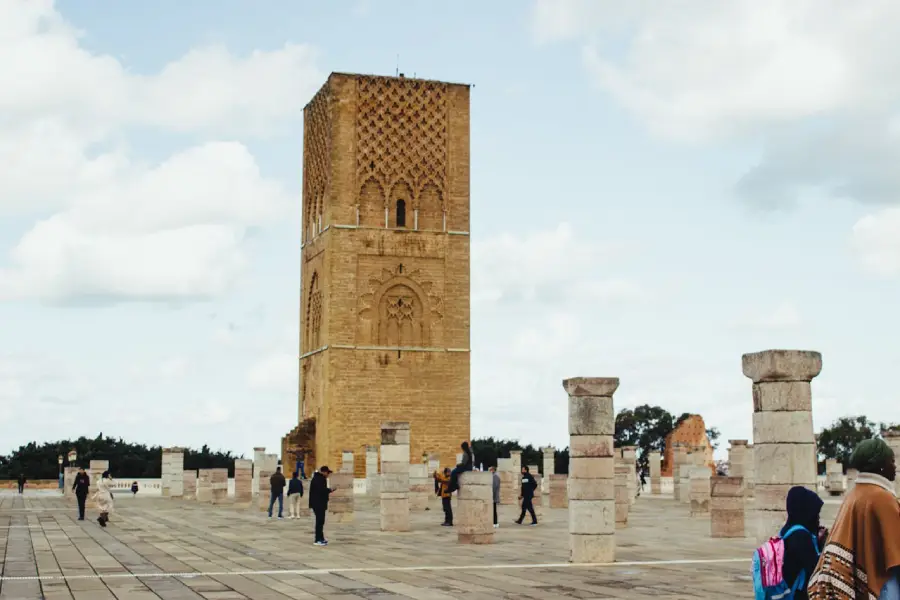
Hassan Tower

This incomplete minaret was meant to be the tallest in the world but it was never finished. It is a monument to the ambition of the Almohad dynasty.

Kasbah of the Udayas

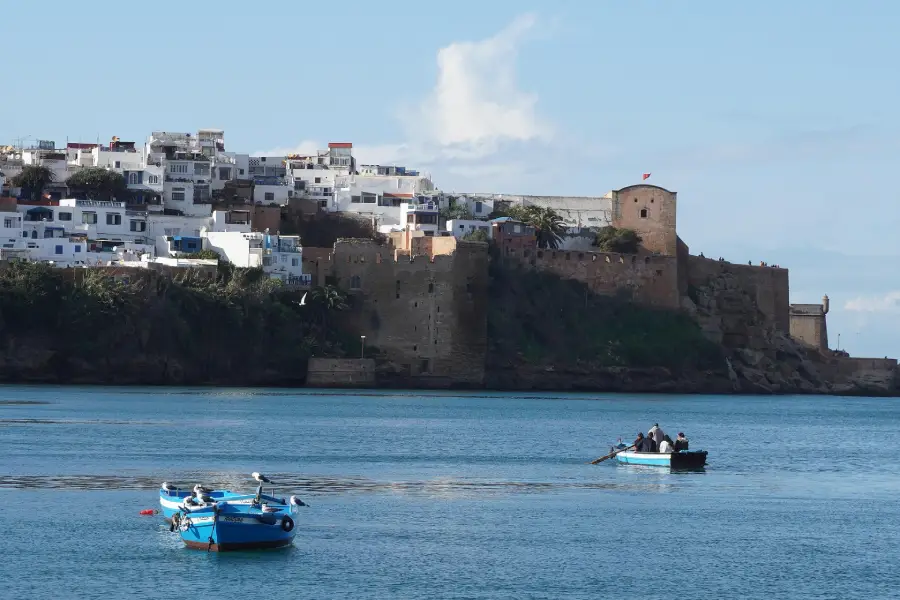
This blue-and-white fortification overlooks the Atlantic and is a veiled view of the ocean.

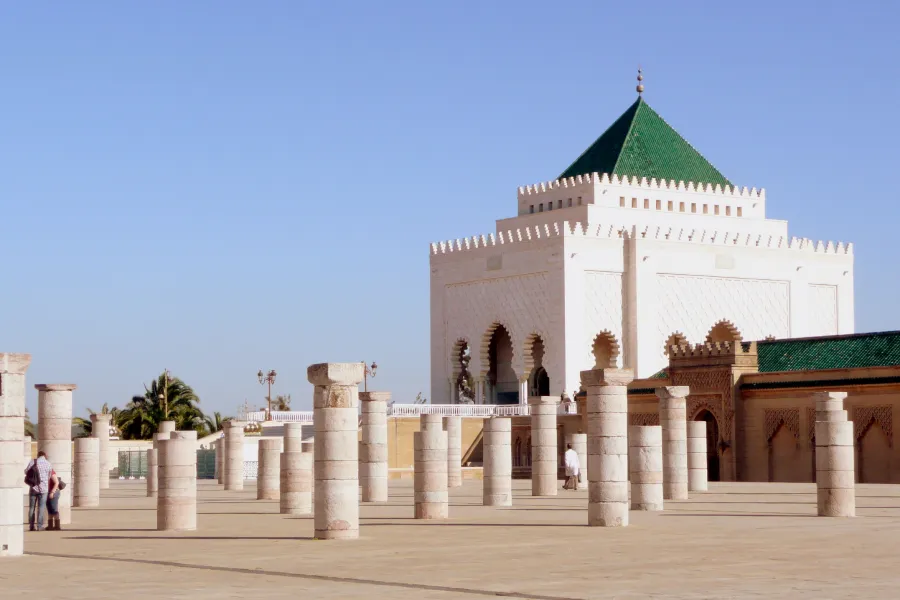
Mausoleum of Mohammed V

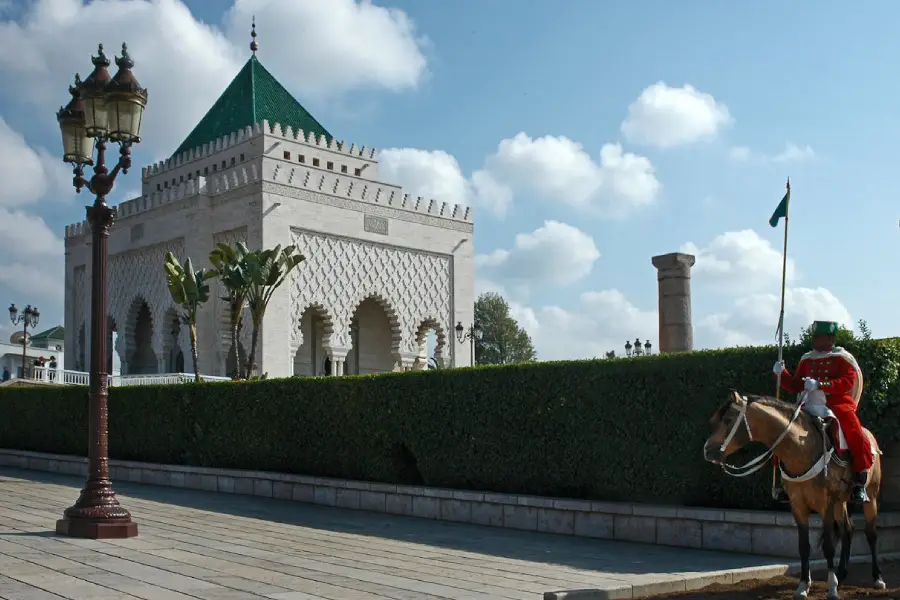
This mausoleum, the resting place of a late Moroccan king, is both a modern masterpiece of Moroccan craftsmanship.

Why It Ranks High:

Rabat is Morocco’s most orderly place, with wide boulevards, a clean tram system and a breezy coastline. It’s ideal for travelers seeking a slightly more mellow, cosmopolitan atmosphere.

Imperial Cities of Morocco Showdown: Where Is the Best City?

The Authenticity Winner: Fez

For its visceral, immersive atmosphere that holds an authentic mirror to the ancient heart of Morocco.

The Accessibility Winner: Rabat

Modern infrastructure and a more genteel, orderly atmosphere make Rabat the easiest city for travelers to navigate in — and also the most comfortable.

The Top Tourist Attraction: Marrakech

For its sparkling souks, splendid palaces and throbbing street life, Marrakech is a classic Moroccan experience.

The Hidden Gem: Meknes

A quieter, less touristy option than the other cities, Meknes provides a subtler flavor of Morocco’s royal past.

The Practical Logistics: Making the Trip Work

Knowing the local customs in Morocco is crucial, if you want a respectful and enriching stay. Here are a few important cultural etiquette rules to consider:

  • The Left Hand Rule: Do not eat or give money with your left hand. In Morocco, the left hand is traditionally regarded as unclean.
  • Modest Intention: When dressing, particularly when visiting religious sites, be sure to have your shoulders and knees covered as a point of respect.
  • The Art of the Bargain: In Morocco, haggling is a social tango — not an aggressive fistfight. Take it lightly and with a dose of patience.
  • Ethics with cameras: Always ask before taking pictures of local people. Say “Mumkin taswira?” (Can I take a photo?) to be polite.

The Communal Dish: A Cultural Movable Feast

Transport:

To travel between the four Imperial Cities of Morocco, the ONCF train network is the most convenient option. It’s reliable and affordable.

Accommodation:

To get the most authentic experience, choose a Riad, which is essentially a traditional Moroccan house with an interior courtyard and garden, in favor of a hotel.

Food:

Moroccan cuisine is a delight. Do not miss Tagines, Couscous and the unique specialty, Pastilla (pigeon pie).

Currency:

Morocco uses the Dirham (MAD). Some places will take credit cards, but cash is king, particularly at local markets.

Suggested Itineraries

The “Fast & Focused” 7-Day Route:

The “Fast & Focused” 7-Day Route is a great option for exploring Morocco in a week. Here’s a breakdown of your 7-day journey:

Day 1: Casablanca

  • Visit Hassan II Mosque and stroll along La Corniche. Optionally stop by Rick’s Café.

Day 2-3: Chefchaouen

  • Travel to Chefchaouen and explore its blue-painted streets and Rif Mountains.

Day 4-5: Fez

  • Head to Fez. Visit the Medina, Al Quaraouiyine University, and the tanneries.

Day 6-7: Meknes

  • Travel to Meknes. See Bab Mansour Gate, the Meknes Medina, and the Volubilis ruins.

This itinerary gives you a glimpse of Morocco’s culture, history, and scenic beauty in 7 days!


10-Day Itinerary for the “Grand Tour”:​

A 10-day itinerary for the “Grand Tour” through Morocco, including the Atlas Mountains, Todra Gorge, and the Sahara Desert:

Day 1: Arrival in Casablanca

  • Arrive in Casablanca. Explore Hassan II Mosque and La Corniche.

Day 2: Casablanca to Marrakech

  • Travel to Marrakech (about 3 hours).

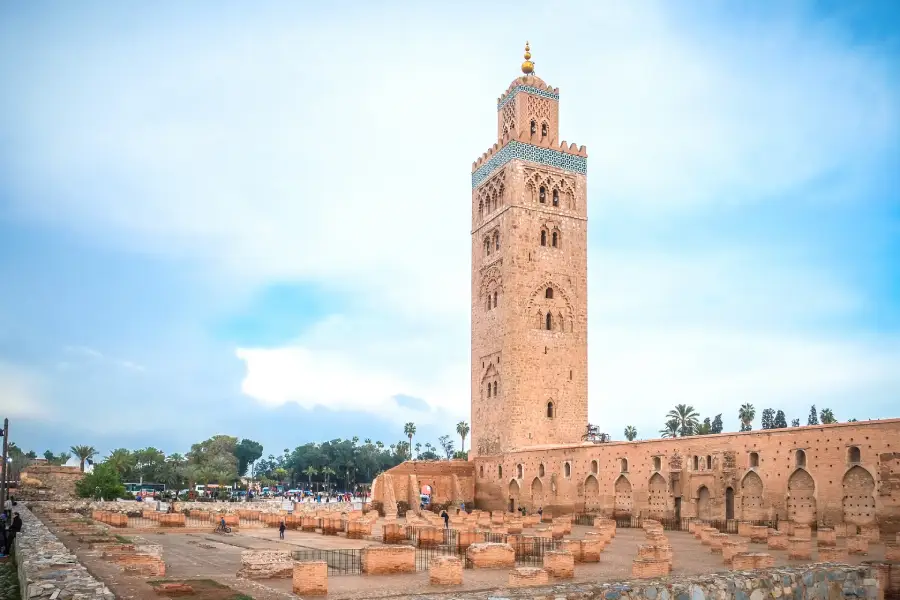
  • Visit Jemaa el-Fnaa, Koutoubia Mosque, and the Majorelle Garden.

Day 3: Marrakech to Atlas Mountains

  • Head to the Atlas Mountains (around 3 hours).

  • Enjoy the scenic views and visit Imlil or Ourika Valley.

Day 4: Atlas Mountains to Ouarzazate

  • Travel to Ouarzazate (around 4-5 hours). Visit the Ait Benhaddou Kasbah, a UNESCO World Heritage site.

Day 5: Ouarzazate to Todra Gorge

  • Head to Todra Gorge (4 hours). Hike and explore the stunning rock formations.

Day 6: Todra Gorge to Merzouga (Sahara Desert)

  • Travel to Merzouga (5-6 hours) and experience the Erg Chebbi dunes in the Sahara Desert.

  • Overnight in a desert camp, enjoy a camel ride, and watch the sunset over the dunes.

Day 7: Sahara Desert to Rissani & Erfoud

  • Visit Rissani and Erfoud (1 hour). Explore the desert towns and local markets.

Day 8: Erfoud to Fes

  • Head to Fes (5-6 hours). Explore the Medina and visit the Al Quaraouiyine University.

Day 9: Fes to Meknes

  • Travel to Meknes (1 hour). Visit Bab Mansour Gate and the Volubilis ruins.

Day 10: Meknes to Casablanca

  • Head back to Casablanca (3 hours) for your departure.

This 10-day route gives you a mix of cultural exploration, nature, and adventure across Morocco’s most iconic landscapes!

To plan precisely, see our detailed Plan Your Moroccan Journey page.

FAQs

Fez, founded in 789 AD.

Alcohol is generally frowned upon, but available in some tourist venues. Many travellers save money by avoiding it.

If you’re looking to immerse yourself in Morocco’s rich culture, head to:

  • Fes – Explore its ancient medina and learn about Moroccan history and crafts.

  • Marrakech – Visit palaces like the Bahia Palace and experience the lively atmosphere of its souks.

  • Rabat – Morocco’s capital offers a blend of historical and modern sites, including the Hassan Tower and the Royal Palace.

  • Meknes – A city that boasts a rich history, including the famous Bab Mansour gate.

For a more unique Moroccan experience, consider these lesser-known spots:

  • The Dades Valley – Known for its dramatic landscapes and unique rock formations.

  • The Todra Gorge – A beautiful canyon perfect for hiking and exploring.

  • Asilah – A quiet coastal town with stunning murals and peaceful beaches.

  • Ifrane – Often referred to as “Little Switzerland,” Ifrane is perfect for those seeking a cooler climate and a peaceful atmosphere.

Yes, Morocco is generally safe for tourists. However, like traveling in any country, it’s important to stay alert, especially in busy areas like Marrakech’s medina. Be cautious with your belongings and avoid isolated areas after dark.

Yes, Morocco is family-friendly with a variety of activities suitable for children. Families can enjoy camel rides, exploring the markets, and visiting historic sites. Many hotels and resorts cater to families with child-friendly services and facilities.

No, although exceptions do apply to the beautiful Hassan II Mosque in Casablanca.

While subjective, Chefchaouen, Essaouira, and Marrakech are often cited as the most beautiful.

It depends on taste—Marrakech is brighter and more tourist-oriented, though Fez is older and more learned.

The best time to visit Morocco is during the spring (March to May) and autumn (September to November) when the weather is mild and pleasant. Summer months can get extremely hot, especially in desert areas, while winter can be cold in the mountains.

Check out our best time to visit page!

Packing for Morocco depends on the time of year and the areas you plan to visit. Essential items include:

  • Comfortable shoes for walking in cities and deserts.

  • Light layers for hot days and warm clothing for evenings, especially in the desert.

  • Sunscreen to protect against the strong sun.

  • A scarf or shawl to cover your head, especially when visiting religious sites.

  • A camera to capture the beauty of Morocco’s landscapes and architecture.

Nature lovers will enjoy:

  • The Atlas Mountains – Perfect for hiking and trekking through stunning landscapes.

  • The Sahara Desert – Experience the beauty of endless dunes and camp under the stars.

  • Paradise Valley – A lush, green oasis near Agadir, ideal for swimming and picnics.

  • Draa Valley – Known for its beautiful palm groves and the stunning Draa River.


Traveling in Morocco is easy with several options:

  • Trains: The country’s train system is reliable, especially for routes between major cities like Casablanca, Marrakech, and Fes.

  • Buses: Several bus companies operate across Morocco, with comfortable and affordable routes.

  • Private Tours: If you prefer a more personalized experience, private tours can be arranged to take you between destinations.

  • Taxis: Shared taxis (grand taxis) are available for longer trips.


Morocco’s Imperial Cities, with its razor-sharp history, cultural richness, and idiosyncratic personalities delivers an indelible trip through time and tradition. Whether you’re losing yourself in the labyrinthine alleys of Fez, drinking in the frenetic squares of Marrakech, marveling at the imperial architecture of Meknes or enjoying the coastal sophistication of Rabat, each city has its own flavoring of Morocco’s monarchic past and cultural diversity. Happy travels!

Planning a trip to Morocco? I’m here to help you make it smooth, safe, and unforgettable.
Get in touch with me, Youness, and I’ll guide you personally, itineraries, and everything you need for a perfect Moroccan adventure.

WhatsApp Youness

Essential Safety Tips to Avoid Petty Crime and Scams

Knowing a few local tricks is crucial for ensuring your trip is seamless. These advanced strategies will help you navigate common issues and enhance your Morocco travel safety.

Managing Valuables and Pickpockets in the Medina

The bustling Medinas of cities like Marrakech and Fes are prime spots for pickpockets. Their narrow, packed streets create the perfect distraction. Carry only the cash you need for the day, use a crossbody bag worn on your front, and never put your phone or wallet in a back pocket. Leave passports and extra valuables in your hotel safe.

Financial Safety: ATMs and Cash

Stick to official bank ATMs, such as those from BMCE or Attijariwafa Bank. Avoid standalone, unbranded ATMs in tourist areas, as they can be compromised to steal card information. For extra security, use ATMs located inside a bank branch during daylight hours.

A smart money-saving tip is to use Al Barid Bank ATMs found inside post offices—they don’t charge withdrawal fees, unlike many others. Avoid Euronet machines in particular, as they can charge up to €7 per transaction.

Avoiding Fake Guides and Pushy Locals

So-called “fake guides” may approach you, offering to show you the way, only to demand money aggressively afterward. Politely decline and only hire licensed guides who have official badges. Your hotel staff can also provide excellent directions and recommendations for reputable guides. If you look lost, be aware that locals might offer unsolicited help with the expectation of a tip.

Transportation and Taxi Tips

While Uber doesn’t operate in Morocco, apps like InDrive, Careem, and Heetch do function in major cities, however, they are not officially legal, so use them with caution. For the safest option, stick to licensed Petit Taxis, which are color-coded depending on the city. Always ask the driver to turn on the meter (“le compteur”) before the ride starts. If the meter isn’t used, agree on a clear price upfront to avoid overcharging. As a reference, a 20-minute ride from Jemaa El-Fna to the Majorelle Garden is usually around 30 MAD, and airport transfers typically range from 100 MAD.

Traveling Smartly: Why Guided Tours Enhance Safety

youness marrakech tour guide

When people ask me, “Is it safe to travel to Morocco?” I always say yes — absolutely. Morocco is incredibly welcoming, full of warmth, beauty, and diversity. With a bit of common sense, respect for local customs, and the practical tips I share with my guests, you’re set for an unforgettable experience.

For anyone who wants the smoothest and safest start to their trip, I recommend beginning your journey with a private guided tour. When you explore with me, I take care of everything: transportation, logistics, navigation, and avoiding scams so your first days in Morocco are effortless and stress-free. Once you’ve settled in and understand how things work, you can confidently continue your adventure on your own, fully prepared to enjoy the country at its best.

For official updates or travel advisories, check the U.S. Embassy in Rabat and the U.S. Embassy in Casablanca.
Emergency numbers: Police 19, Ambulance 15.

Casablanca and Marrakech both have hospitals with international clinics familiar with treating travelers. It’s wise to carry travel insurance that includes medical evacuation, especially if you plan to visit remote areas or the desert.