
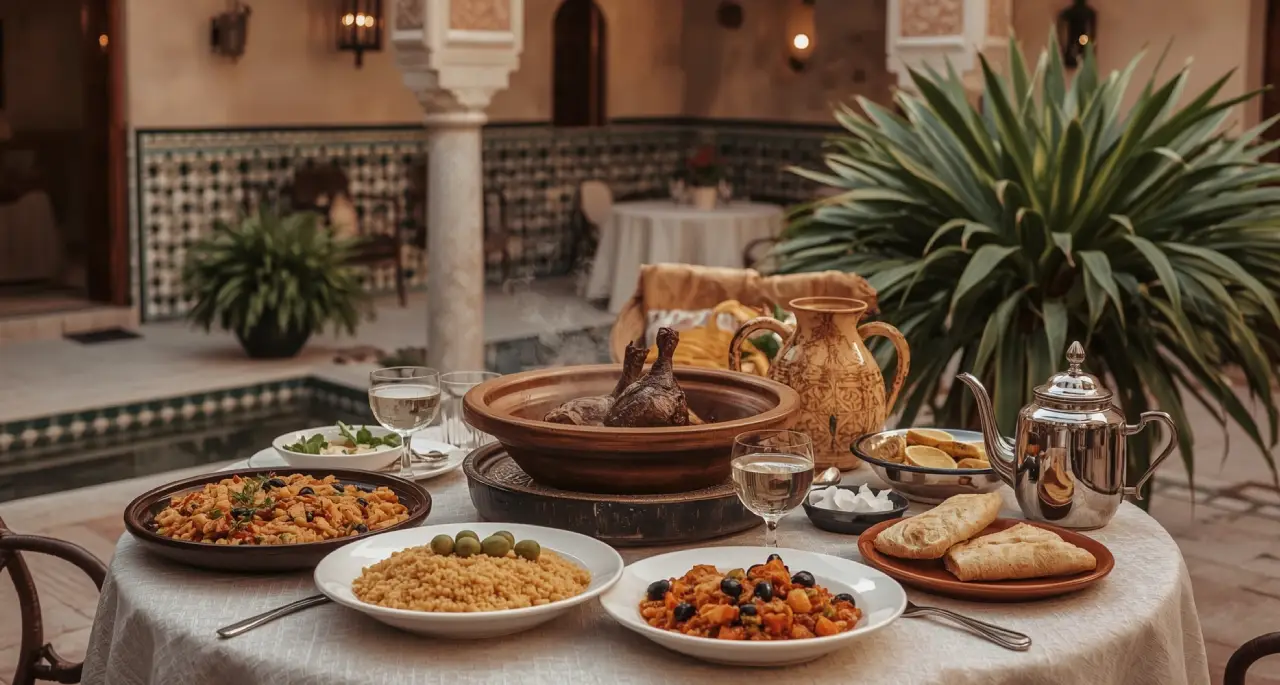
If you’re planning a trip and searching what to eat in Morocco for an authentic experience, this Ultimate Moroccan Food Guide 2026 is the version I give to my own guests – not the polished “Instagram Morocco,” but the real thing we eat at home, on the street, and in the mountains.
I’m Youness, a licensed tour guide based in Marrakech and owner of Morkosh Tours. For more than 20 years I’ve crossed Morocco from the Atlantic coast to the Sahara, tasted food in humble roadside cafés and high-end riads, and watched guests fall in love with our cuisine again and again.
Moroccan food is not just a menu; it’s a rhythm of life built around community and hospitality. Fridays around couscous, slow afternoons over tagine, mint tea stretching every conversation. This Moroccan cuisine guide will walk you through:
- The essential dishes you can’t miss.
- The real differences between regional Moroccan specialities (Fes vs. Marrakech).
- Street food you should try – and how to stay safe.
- Vegetarian/vegan options that are genuinely good.
- The family-friendly Berber cooking class from Marrakech I personally host in the Ourika Valley (150 USD per person, private & all-inclusive).
Think of this as a Morocco food guide designed for both search engines and real people – packed with local detail, not clichés.
Moroccan Food: A Fusion of Cultures and a Way of Life
A quick Moroccan food guide 2026 snippet, here it is:
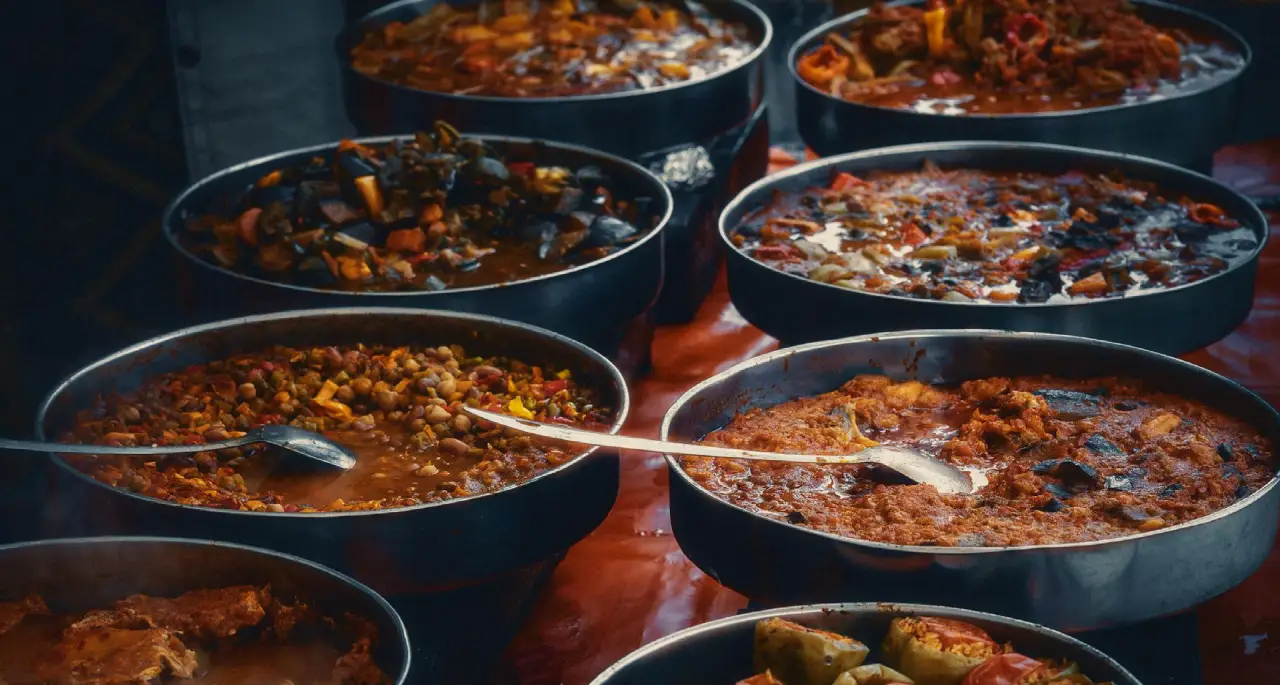
- Moroccan cuisine is a slow-cooked fusion of Berber, Arab, Andalusian, and Mediterranean traditions, built on olive oil, spices, fresh market produce, and shared plates of tagine, couscous, and bread, with mint tea as the symbol of hospitality.
- Berber roots give us simple, earthy stews, Atlas Mountains Berber cuisine, and the kind of food you’ll cook in my Berber class in the Ourika Valley.
- Arab and Andalusian influence shows in our use of saffron in Moroccan cooking, preserved lemons, almonds, and sweet‑savory combinations like pastilla.
- Mediterranean influence adds olive oil, citrus, and seafood from our long coastline.
This Ultimate Moroccan Food Guide 2026 is built from my own experience as a guide, conversations with local cooks and world-schooling families, feedback from guests, and insights from top Moroccan chefs and some of the best Moroccan food bloggers to follow.
The “Big Five” Dishes You Cannot Leave Morocco Without Tasting
If you only try five things from this Moroccan food guide 2026, choose these.
Tagine – The Slow Soul of Moroccan Cooking
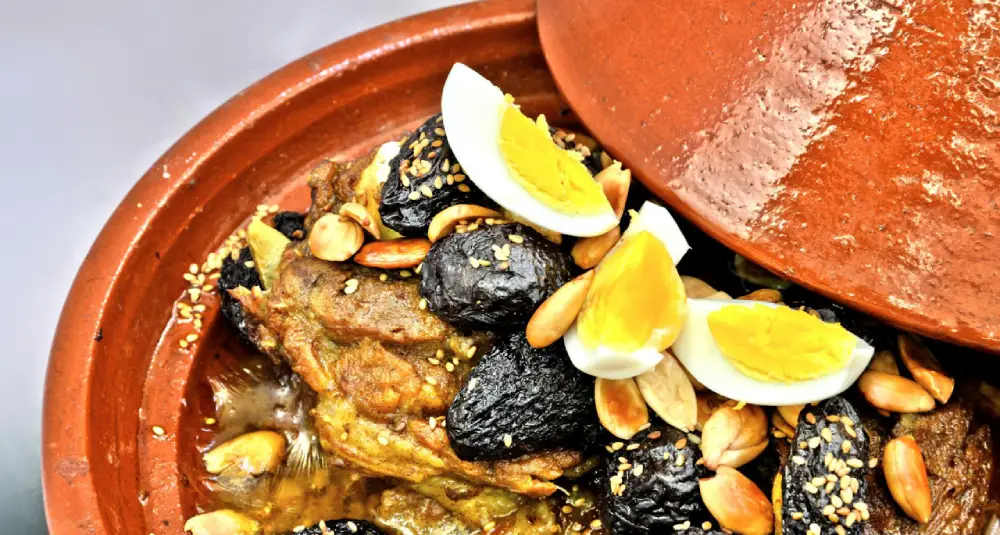
A tagine is both the clay pot with a conical lid and the stew inside. The shape traps steam and returns it to the dish, making meat tender and vegetables rich with flavor.
Common versions:
- Chicken tagine with preserved lemon and olives.
- Lamb tagine with prunes and almonds – classic Moroccan comfort food.
- Vegetable tagine with chickpeas and seasonal produce.
For a reliable, real-world experience in Marrakech:
- Amal Women’s Training Center (Gueliz) – A social enterprise that trains women for culinary work and serves excellent tagines. A great place if you care about your food having a positive impact. Expect around 40–70 MAD.
- Henna Art Café (near Jemaa el-Fna) – Calm, clean, good tagines, perfect if you want a break from the chaos of the square.
If you want to try a Moroccan tagine recipe at home later, look for guides that explain the basic Moroccan spice blends, ras el hanout uses, and how to adjust for your oven or stovetop.
Couscous – Friday’s Sacred Meal
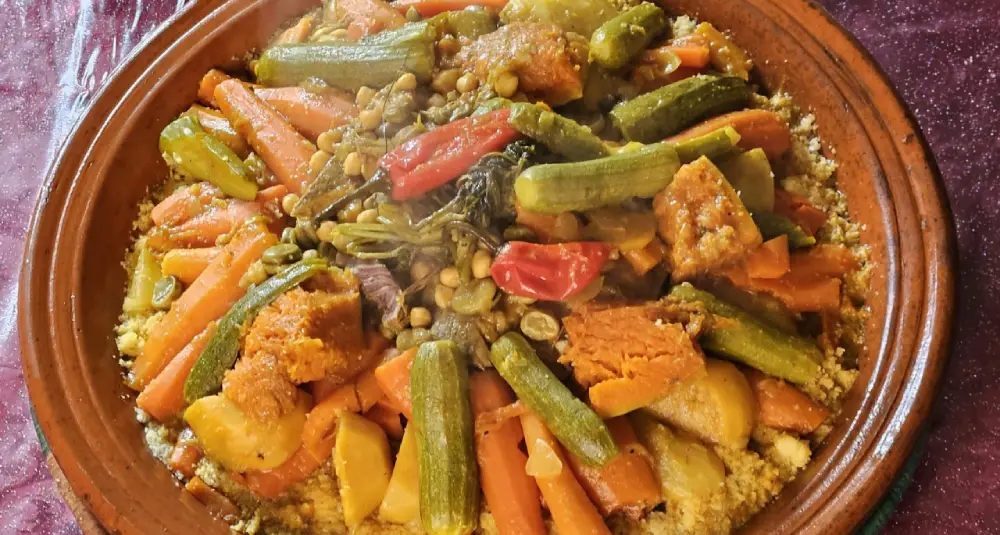
In Morocco, couscous (seksu) is more than a side – it’s a ritual. Traditionally:
- Semolina grains are steamed three times over bubbling broth, not just soaked in hot water.
- It’s served with vegetables, chickpeas, and sometimes caramelized onions and raisins.
- In many homes, Friday lunch = couscous, shared with family and neighbors.
A good couscous recipe (traditional Moroccan) takes time, but in restaurants you’ll often find it on Fridays. In local eateries, 40–70 MAD is normal.
Pastilla (Bastilla) – Fes’ Signature Sweet-Savory Pie
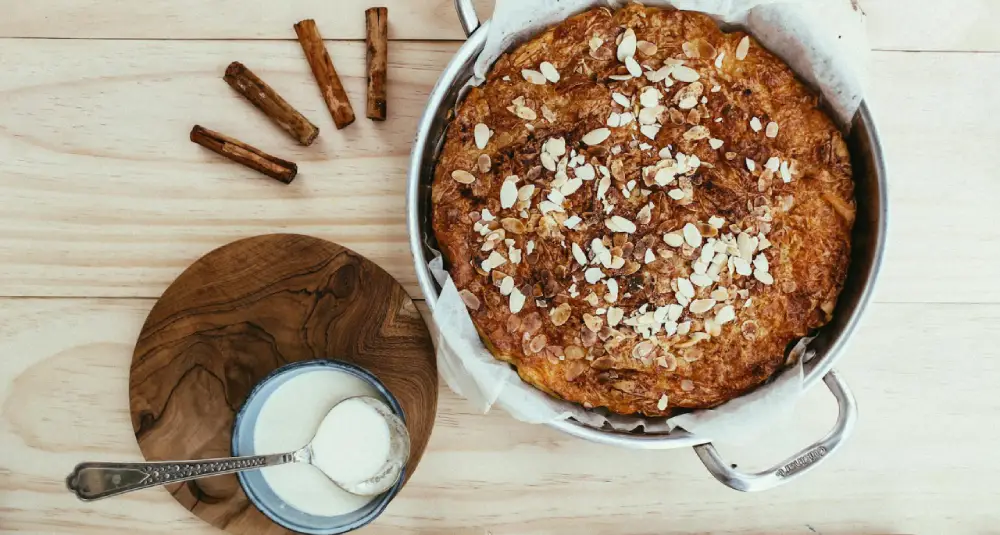
Pastilla is the masterpiece of Fes and a key part of regional Moroccan specialities (Fes vs. Marrakech):
- Layers of thin warka pastry.
- Filling of pigeon or chicken, eggs, and spices.
- Topped with powdered sugar and cinnamon.
It’s unusual for first-timers—sweet and savory in the same bite—but unforgettable. For an authentic version:
- Walk near Bab Boujloud in Fes and look for traditional restaurants.
- Some riads, like Riad Toyour, prepare excellent pastilla if you pre-book dinner.
Harira – The Velvet Soup of Ramadan
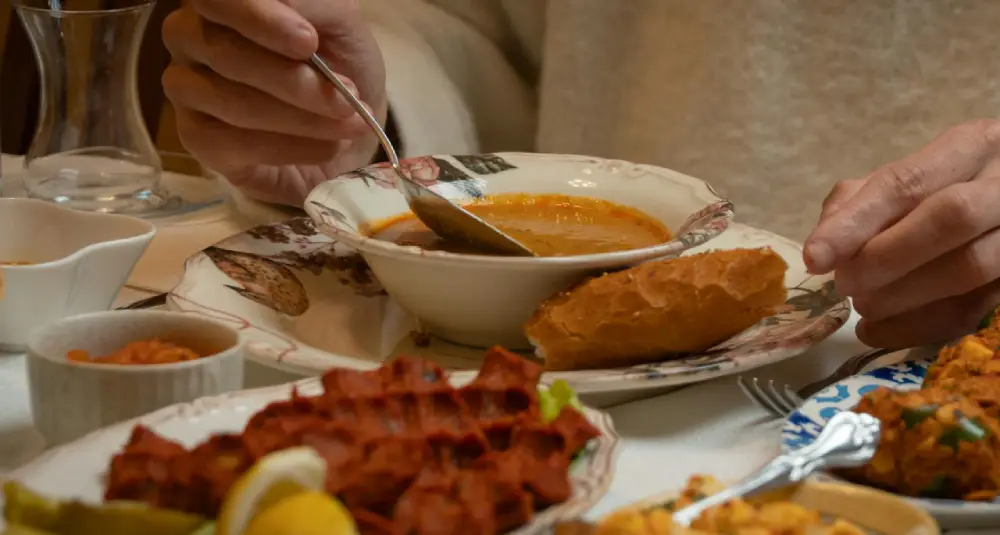
Harira soup is:
- Tomato-based, thick with lentils, chickpeas, and sometimes small pieces of meat.
- Finished with fresh herbs and a squeeze of lemon.
It’s the classic soup to break the fast in Ramadan, but available year-round. Many cafés serve a bowl for 10–20 MAD, often with dates and a piece of chebakia (sesame-honey pastry).
Khobz – Bread as a Utensil
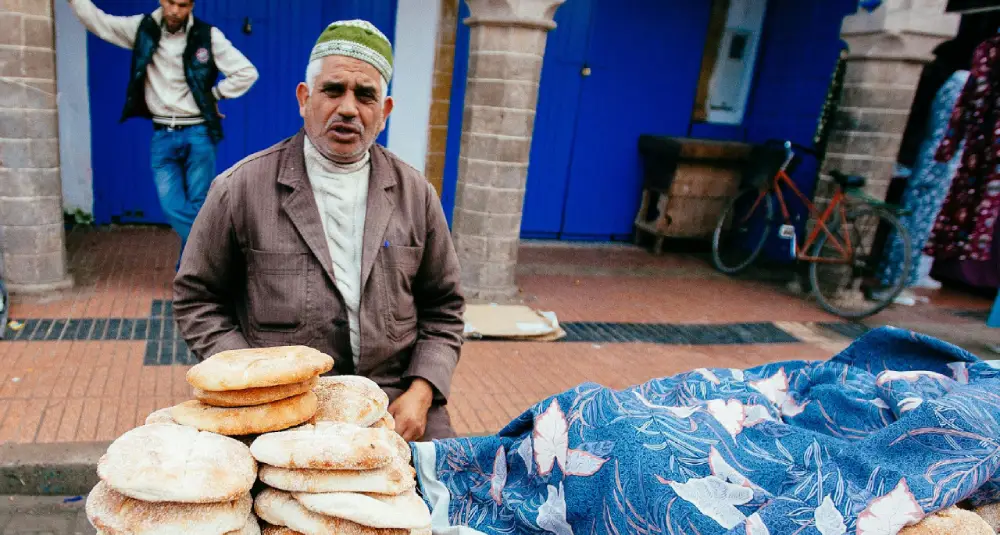
Khobz Moroccan bread is round, crusty, and everywhere. We use it as:
- A utensil for scooping tagine.
- A way to share from a communal plate.
In local bakeries, a loaf is about 1–2 MAD. It’s a small detail, but understanding bread’s role is key to understanding Moroccan food etiquette and customs.
Regional Moroccan Specialities: Fes vs. Marrakech and Beyond
A real Ultimate Moroccan food guide 2026: best dishes & where to eat has to be regional.
Fes Food Guide 2026 – Elegant and Historic
Fes is famous for:
- Pastilla (bastilla) – As above.
- Lamb with prunes and almonds – Refined stew with a rich sauce and toasted nuts.
Compared to Marrakech, Fes cuisine often feels slightly more delicate and ceremonial.
Marrakech Food Guide 2026 – Smoke, Coals, and Energy
Key specialities:
- Tanjia – A Marrakech-only dish. Meat (often beef) slowly cooked in a clay jug with preserved lemons, garlic, and spices, placed in the embers of a hammam furnace. It’s deeply local and different from tagine.
- Mechoui – Whole lamb slow-roasted in underground pits. Mechoui Alley, just off Jemaa el-Fna, is the classic place. You buy by weight; expect 80–150 MAD depending on how hungry you are.
If you’re asking What to eat in Morocco 2026 specifically in Marrakech, tanjia and mechoui should be on your list, alongside the usual tagines.
Atlantic Coast: Essaouira & Casablanca
For a mini Essaouira seafood guide 2026:
- Head to the fish stalls by the port. Choose your fish (sardines, sea bream, prawns), and they grill it on the spot.
- A fresh seafood lunch is typically 100–200 MAD per person, depending on what you select.
In Casablanca, you’ll find:
- Simple local seafood grills.
- A growing number of upscale venues that might appear in lists of Best Moroccan restaurants 2026 or Michelin restaurants Morocco 2026.
Search-wise, this answers Where to eat in Casablanca 2026: Moroccan food guide: start at the port for casual, then explore the city center for more refined takes on Moroccan coastal food specialties.
Sahara & South: Merzouga and Rissani
In the desert, one dish stands out:
Madfouna – Often called Berber pizza. A large stuffed bread filled with minced meat, onions, herbs, and spices, traditionally buried under hot sand or baked in a clay oven.
On my Sahara trips, I often stop in Rissani or a local village bakery so guests can see madfouna being prepared—and then eat it, of course.
Chefchaouen & the North
In Chefchaouen and the Rif:
- Try Bissara – a creamy fava bean soup, especially good in the morning with olive oil and cumin on top.
- Sample local goat cheese, bread, and olives.
Any good Chefchaouen food guide will mention these, plus simple tagines with mountain herbs.
Street Food & Snacks: From Safe Choices to Food Challenges
Moroccan street food is a big part of any Moroccan food guide, but it’s where Moroccan street food safety tips become important.
Everyday Favorites
- Brochettes – Meat skewers (beef, lamb, chicken), grilled over charcoal. A sandwich or plate usually costs 10–30 MAD.
- Maâkouda – Fried potato patties, sometimes in sandwiches. Great cheap eats; part of Cheap eats Morocco 2026.
Adventurous Bites
If you’re in a Moroccan food challenge mood:
- Snail soup – Small snails in a spiced broth, eaten with a toothpick.
- Sheep’s head – Soft, rich meat; often eaten by true locals.
- Camel spleen (Tihane) – Stuffed and roasted. Looks intense, tastes surprisingly soft and flavorful.
These are classic stories for anyone doing an “ultimate Moroccan food challenge” style trip.
Sweet & Fried Treats
- Sfenj – Moroccan doughnuts, best eaten hot, sometimes with sugar.
- Chebakia – Deep-fried pastry soaked in honey and sesame; essential in Ramadan.
- Gazelle horns (cornes de gazelle) – Crescent-shaped almond pastries; a classic of almonds and honey in Moroccan desserts.
Safety, Hygiene & Etiquette: How to Eat Adventurously but Wisely
I always give guests three main Moroccan street food safety tips:
The 4 C’s of Food Safety
- Clean hands – Wash or sanitize before eating, especially when using bread as a utensil.
- Cooked hot food – Eat food that’s cooked in front of you and served very hot.
- Chilled perishables – Be cautious with anything creamy that should be cold.
- Cross-contamination – If you see raw and cooked meat on the same unwashed surface, choose another stall.
What to Avoid
- Raw leafy salads from street vendors (water quality is uncertain for foreigners).
- Unpasteurized dairy of unknown origin.
- Tap water and ice in informal places – stick to bottled water.
Basic Dining Etiquette
- Use your right hand (thumb, index, middle fingers) to eat from shared plates.
- Eat from the part of the dish in front of you.
- Bread is sacred; don’t throw it away.
- This is the core of a practical Halal Moroccan food guide and Moroccan food glossary for travelers in one:
understand the rituals, not only the ingredients.
Mint Tea: The Liquid Welcome
Moroccan mint tea is gas, not a side note. Saying no can feel a little cold unless you have a clear reason.
You’ll often see:
- Green tea.
- Fresh mint.
- A lot of sugar.
- Sometimes extra herbs or citrus.
It’s central to Moroccan culinary experiences for couples, families, and friends. The simple act of pouring tea from high above is pure theatre.
Vegetarian, Vegan and Gluten‑Aware Travel
A Moroccan food guide for vegans and vegetarians 2026 is easier to write than many expect.
Naturally Veggie Dishes
You’ll find many Vegan Moroccan dishes:
- Zaalouk – Eggplant and tomato salad, smoky and garlicky.
- Taktouka – Soft pepper and tomato salad.
- Loubia – White beans in tomato sauce.
- Bissara – Fava bean soup (especially in the north).
- Vegetable tagines, lentil dishes, and chickpea stews.
Phrases That Help
Tell your hosts or servers:
- “Ana nabati” – I am vegetarian.
- “Sans viande, sans bouillon”** – Without meat, without broth.
- “Bla lahm, bla djaj, bla samak” – Without meat, without chicken, without fish.
For gluten concerns, ask for no bread and lean into rice, potatoes, and legumes. Many blogs and creators like Salima’s Kitchen give good gluten-free Moroccan recipes inspirations.
Expert Voices: Best Moroccan Food Bloggers to Follow
If you want to extend this Moroccan cuisine guide after your trip, here are the best Moroccan food bloggers to follow:
- Nargisse Benkabbou – My Moroccan Food
- Modern but authentic recipes, great for building your Moroccan spice pantry essentials 2026 at home.
- Amanda Ponzio‑Mouttaki – MarocMama
- Excellent for both recipes and practical travel advice, especially for families and people coming from the Moroccan food USA side of things.
- Cooking with Alia (Alia Al Kasimi) & Chef Rachida
- Great video resources if you want to visually learn techniques like rolling briouats (Moroccan pastries) recipe or making pastilla.
They complement this Morocco food guide with detailed recipes and perspectives from the kitchen side, while I bring the road and riad side.
My Family-Friendly Berber Cooking Class from Marrakech (150 USD, Private & All-Inclusive)
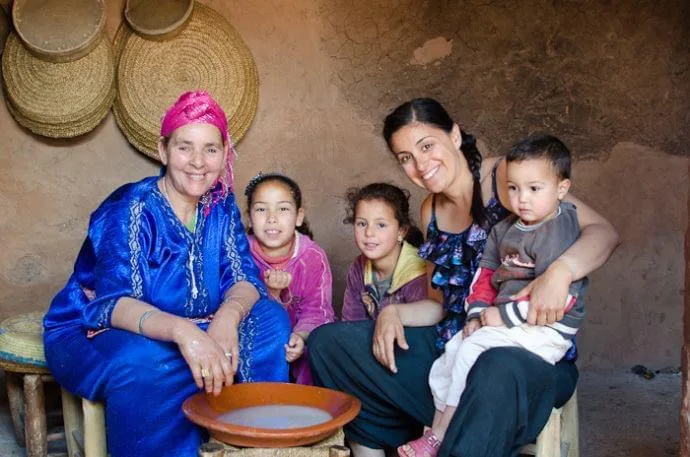
Now, if you want to go beyond tasting and actually cook like a local, this is where I can personally help you.
What the Class Is
I offer a Family-Friendly Berber Cooking Class from Marrakech, private and all-inclusive, at 150 USD per person. It’s ideal for:
- Families with kids.
- Couples or small groups who want something genuine, not staged.
- Anyone who wants more than just a restaurant meal.
This experience is one of the most loved parts of my tours with Morkosh – many guests mention it as the highlight in their own Moroccan food review of their trip.
Step 1: Berber Market Experience
We start in the morning from Marrakech and drive out toward the Ourika Valley (about 45–60 minutes, with photo stops). On the way:
- We visit a local Berber market.
- You choose vegetables, herbs, meat, and spices with me – just like locals do.
- Kids enjoy discovering new smells: cumin, saffron, ras el hanout, dried chilies.
This is packing spices for Morocco travel in real time. you can even buy Moroccan preserved foods, Moroccan olives and olive oil, or argan oil in Moroccan cuisine quality to take home.
Step 2: Scenic Drive into the Ourika Valley
We continue deeper into Ourika, with stops for photos and short walks. You’ll see:
- Terraced fields.
- Traditional houses.
- Often snow on the High Atlas in winter months.
It’s already more than any standard Moroccan cooking class Marrakech booking 2026 – it’s a small countryside tour.
Step 3: Cooking with a Real Berber Family
At a Berber family home, you’ll meet Malika, the grandmother of the house. Together we:
- Prepare a traditional tagine (often chicken with preserved lemon, or a vegetarian version if you prefer).
- Make Moroccan salads like Zaalouk or Taktouka.
- Learn to bake bread in a traditional wood-fired oven.
Every person has a role – chopping, mixing spices, kneading dough. It’s truly family-friendly: children love that they’re part of the process, not just watching.
Step 4: Cultural Extras for Kids (and Curious Adults)
Depending on the day and family routines, kids often get to:
- See or help with milking a cow.
- Explore the house and garden.
- Ask Malika and the family questions (I translate, of course).
It’s not only a cooking class – it’s a living lesson in Berber culture and Moroccan family life.
Step 5: Shared Meal with a View
Finally, we sit down all together – you, me, the Berber family – and eat what you’ve cooked:
- Tagine, salads, fresh bread
- Seasonal fruit
- Mint tea you’ve helped prepare.
Many families tell me this felt like being adopted by a Moroccan family for a day. This is, for me, the ultimate add-on to any Ultimate Moroccan Food Guide 2026: you don’t just read or taste – you participate.
If you’d like to book this Berber cooking class from Marrakech (150 USD per person, private, all-inclusive) or combine it with other tours (like a Sahara trip), just reach out through Morkosh Tours and mention the cooking class in your message.
FAQ – Ultimate Moroccan Food Guide 2026
Is Moroccan food spicy?
Moroccan food is more aromatic than spicy. We use cumin, ginger, paprika, saffron, and ras el hanout to build layers of flavor, not to burn your mouth. If you’re sensitive, simply say “ma bghitch har” (I don’t want it spicy), and most cooks will adjust.
Is it safe to eat street food in Morocco?
Yes – if you choose wisely. Follow these rules:
- Eat at busy stalls with lots of locals (high turnover = fresher food).
- Pick foods cooked in front of you and served hot.
- Skip raw salads and ice at informal places.
This is my practical answer whenever guests ask: Is it safe to eat street food in Morocco?
What do Moroccans eat for breakfast?
A typical Moroccan breakfast includes:
- Msemen (square layered pancakes)
- Baghrir (“thousand-hole” pancakes)
- Bread with olive oil, honey, cheese, or jam
- Sometimes boiled eggs or yogurt
- Mint tea or coffee.
It’s simple but filling, and a great way to start a long day of exploring medinas and souks.
For the difference between everyday home breakfasts, café orders and generous riad spreads, read my complete guide to a traditional Moroccan breakfast.
Plan Your Moroccan food experience
If this Ultimate Moroccan Food Guide 2026 made you hungry and curious, that’s already a good sign. When you’re ready to turn it into real flavors – from street food in Jemaa el-Fna to a Berber home in Ourika or a night under the Sahara stars
We’ll design a journey where you don’t just see Morocco.
You taste it, cook it, and share it – the way we do.
Written by Youness Labchir
Licensed Morocco Tour Guide