Your Essential Morocco Travel Guide

Insider tips, itineraries, and real experiences from a local Moroccan guide.

This Morocco travel guide gives complete Morocco travel information for planning a safe, memorable visit. Morocco mixes desert, mountains, and coastline, offering both culture and adventure. Whether you come for ancient medinas or vast sand dunes, this page gathers practical travel to Morocco tips, budgets, and itineraries in one place.


Quick Overview of Morocco Tourism

morocco travel guide

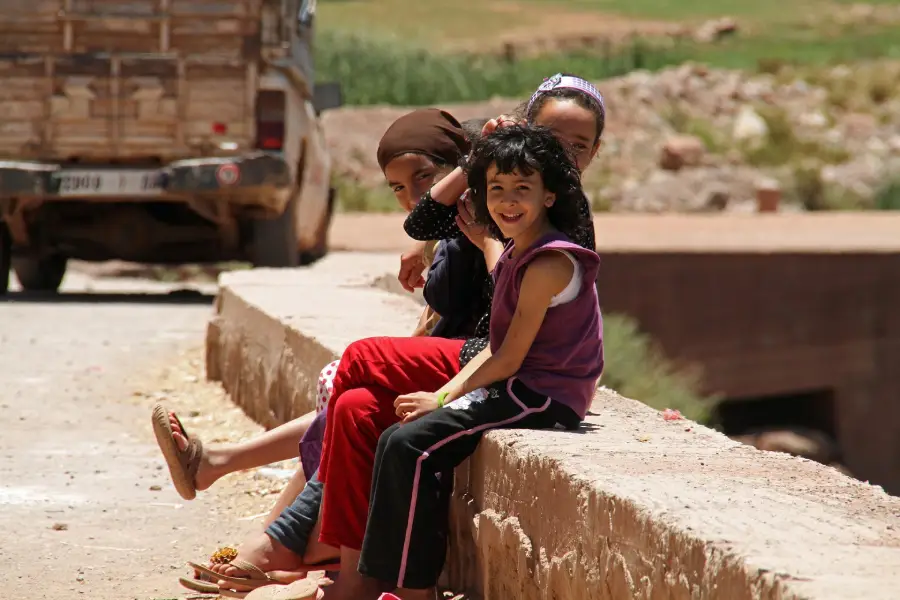
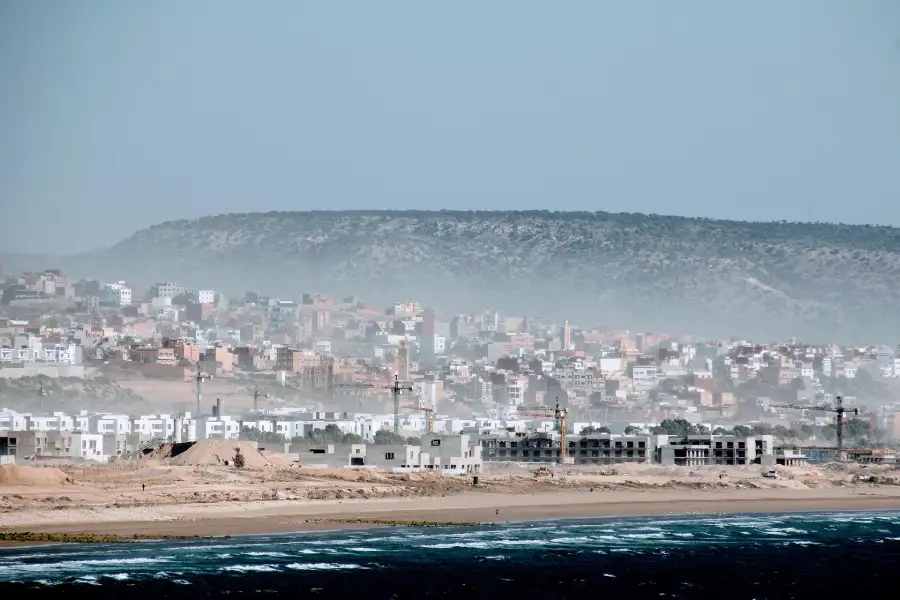
Morocco tourism continues to grow as travelers seek authentic experiences close to Europe. It lies in North Africa, bordered by the Atlantic Ocean and the Mediterranean Sea. Expect hospitable people, striking architecture, and colorful souks.
  • Capital of Morocco: Rabat

  • Largest city: Casablanca

  • Currency: Moroccan Dirham (MAD)

  • Official languages: Arabic and Amazigh; French widely used

  • Time zone: GMT + 1

Top Guides to Start With

Best Time to Visit Morocco

To plan precisely, see our detailed Best Time to Visit Morocco page.

marrakech travel guide

Spring & Autumn

Spring (March–May) and Autumn (September–November) bring the best balance of warmth and cool evenings.

morocco travel

Summer

Summer months are ideal for the Atlantic coast but very hot in southern Morocco.

Winter

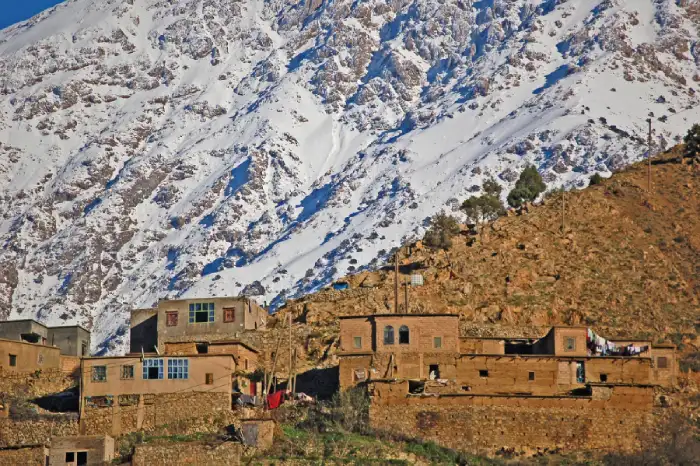
Winter brings snow to the Atlas Mountains and cooler weather in northern cities.

morocco tourism map

Morocco Map and Geography

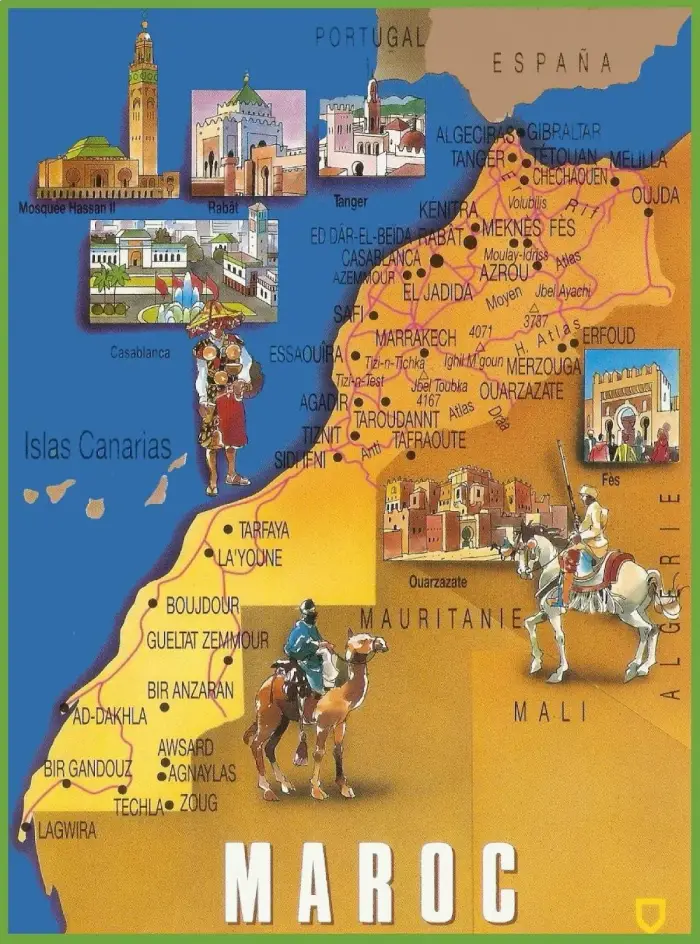
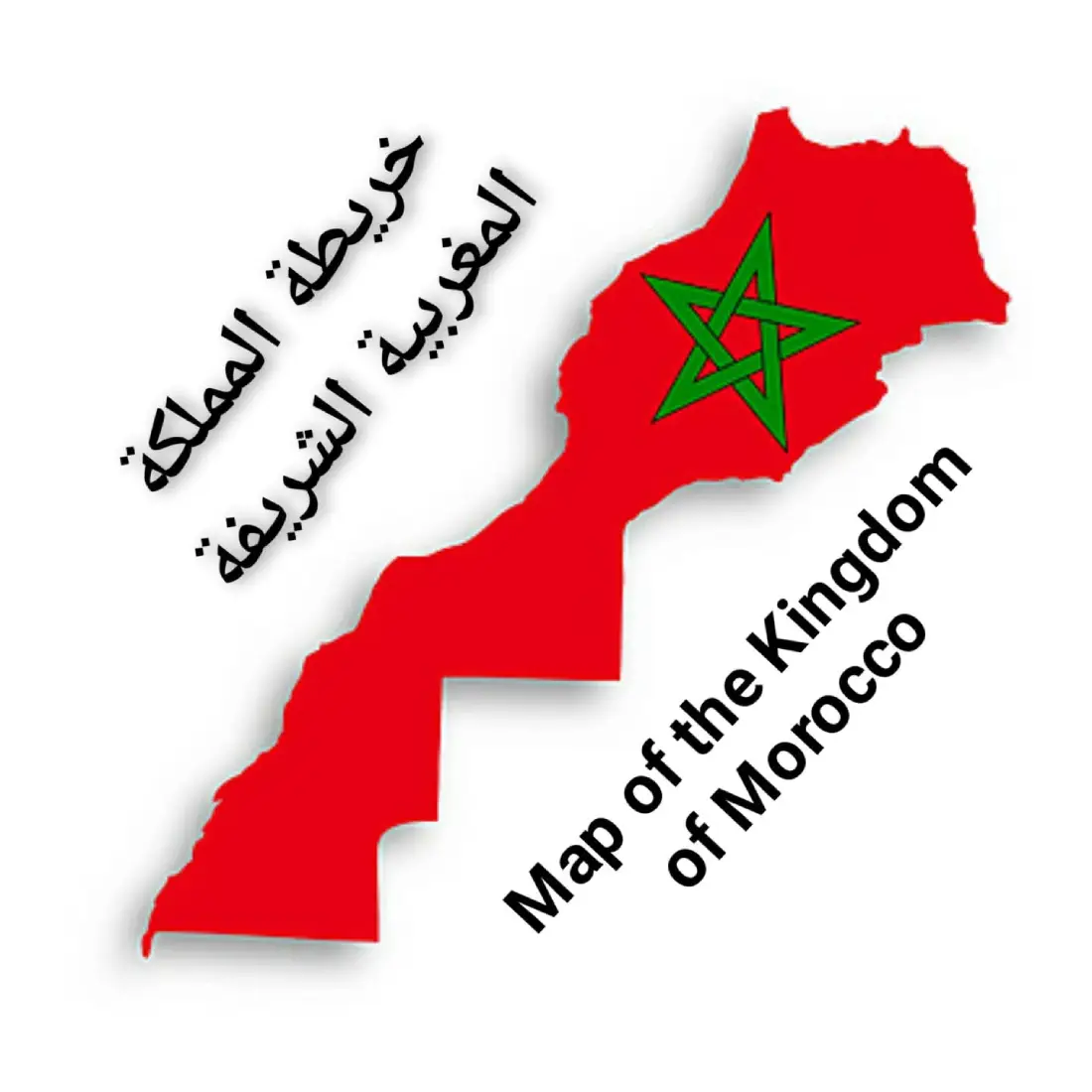
Morocco stretches from coastal plains to the High Atlas Mountains and the Sahara. Major tourist spots line a loop: Casablanca → Marrakech → Fes → Chefchaouen. Farther south lies the Sahara Desert, home to endless sand dunes and quiet oases.
Top Places to Visit in Morocco

See our detailed Top Places to Visit in Morocco page.

Marrakech – The Red City

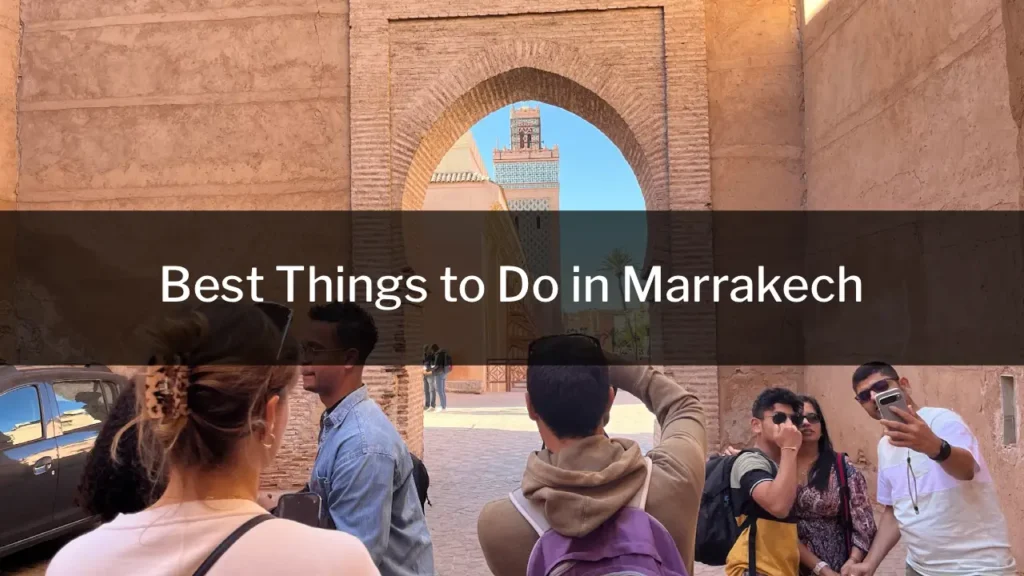
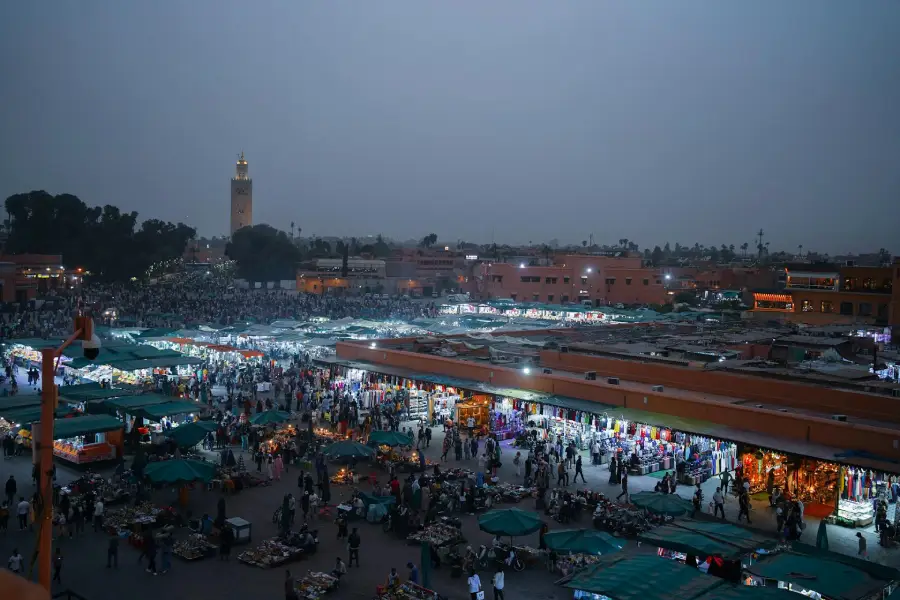
The liveliest stop on any Morocco travel guide. Stroll the souks of Marrakech, see Koutoubia Mosque, Bahia Palace, and Majorelle Garden.
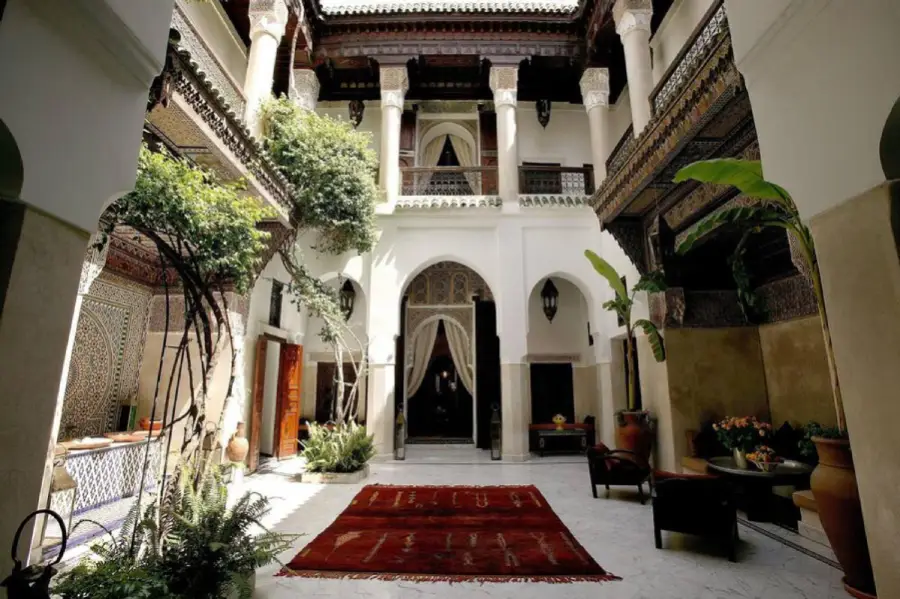
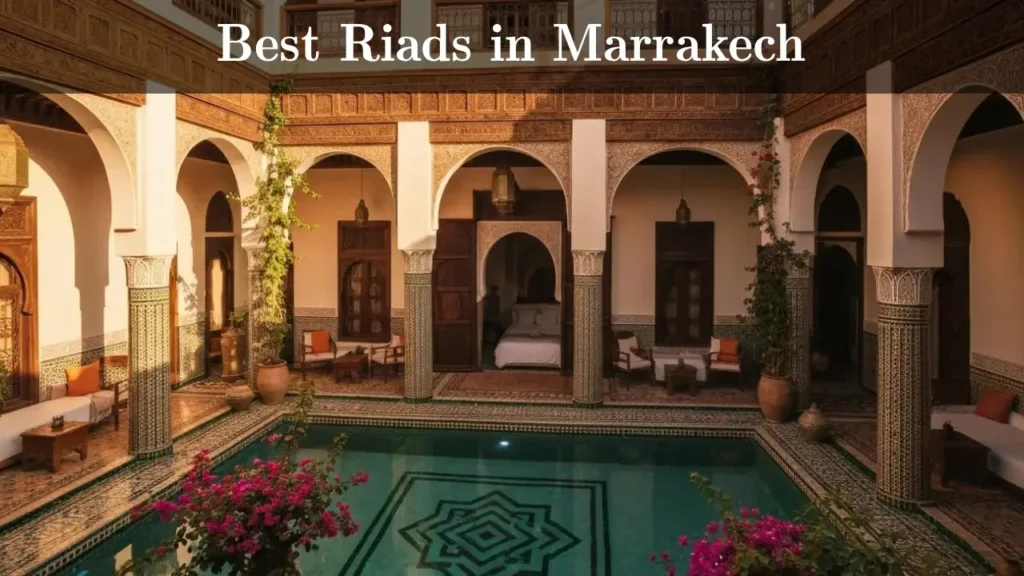
Stop for mint tea at the boutique riad El Fenn — a hidden gem near the Medina.

Fes – Cultural Heart

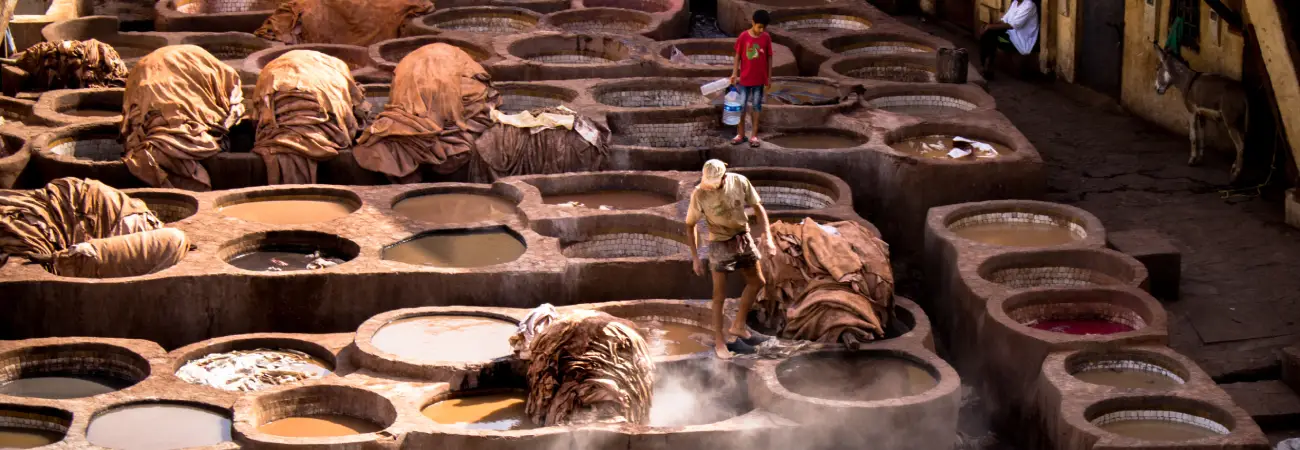
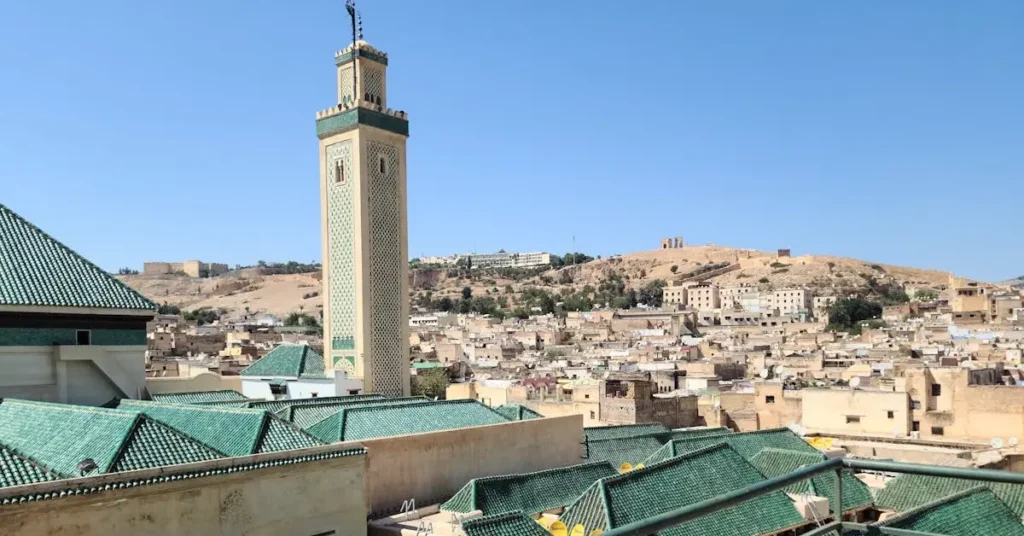
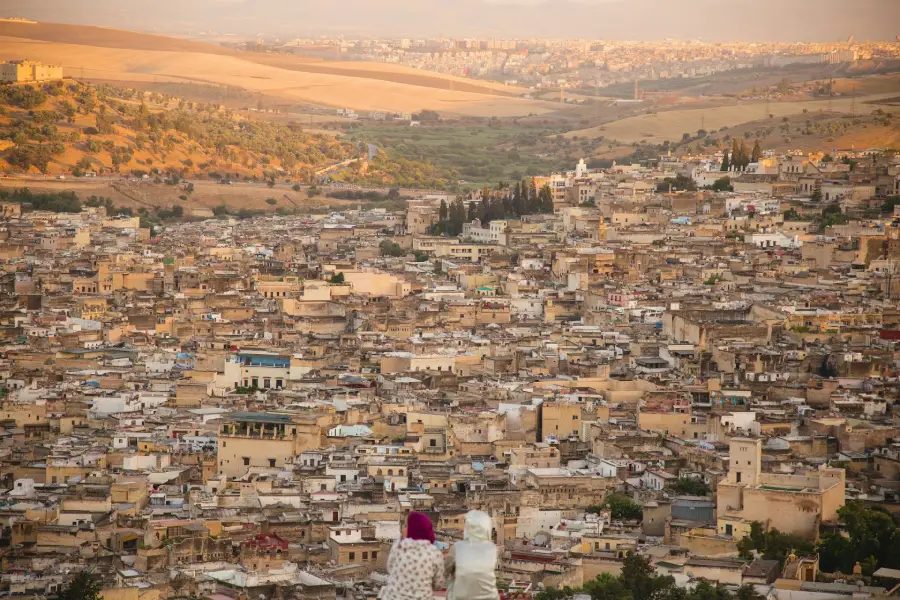
Walk the narrow streets of Fes el-Bali Medina, the world’s largest car-free zone. Watch leather dyeing at the Chouara Tannery and visit the ancient Al Quaraouiyine University. Nearby stand the ‘Ruins of Volubilis’, a UNESCO Roman site.

Chefchaouen blue city
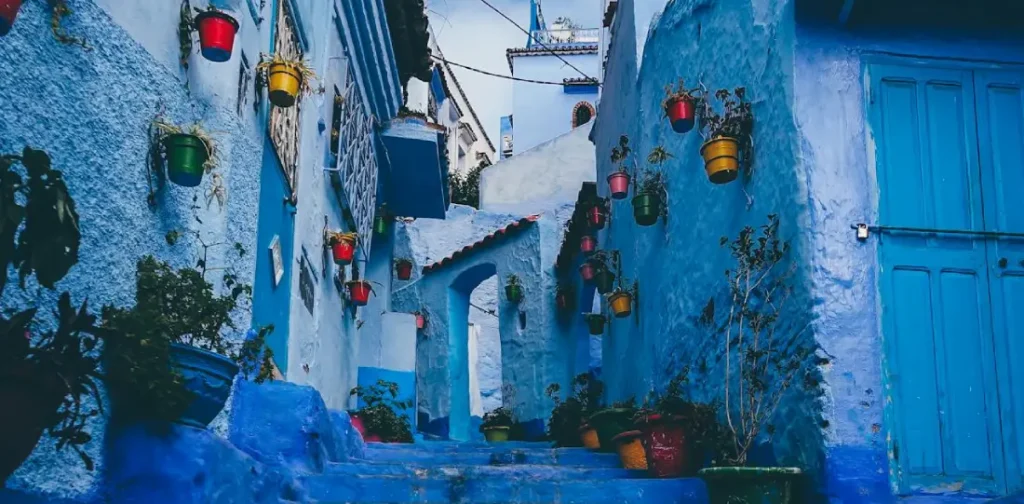
Chefchaouen – Blue City

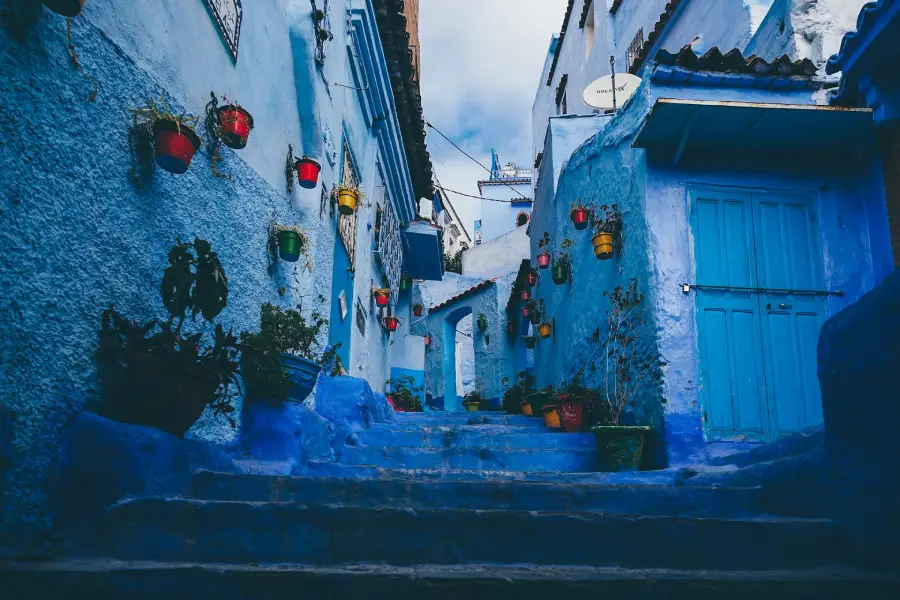
Painted blue from top to bottom, Chefchaouen offers calm streets and stunning photos.
Spend one or two nights exploring cafés, small hotels, and local craft shops.

Casablanca – Modern Gateway

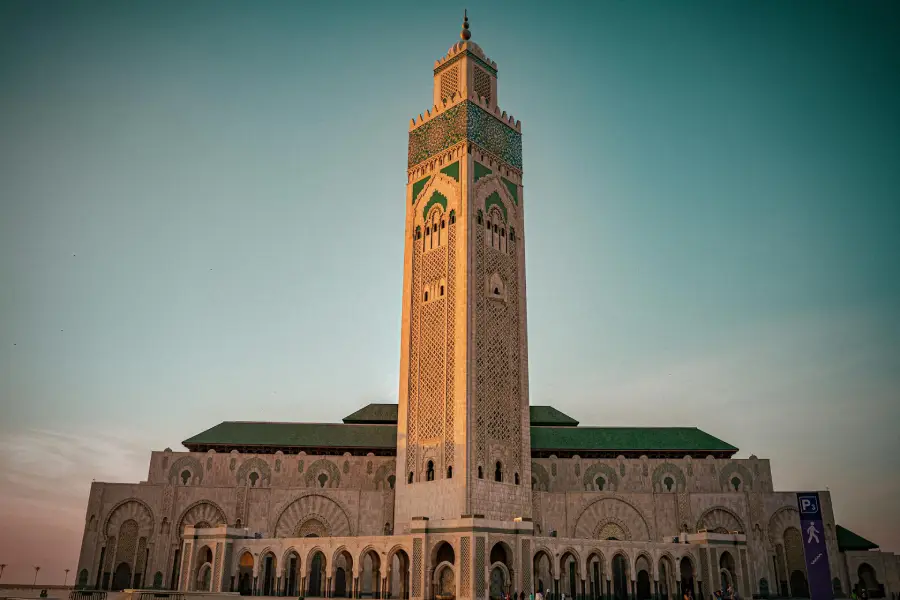
Morocco’s business hub and main flight entry. See the oceanfront Hassan II Mosque and stroll along La Corniche for food stalls and live music.
Most flights arrive through Casablanca Airport, linking easily to trains and taxis.

Sahara Desert

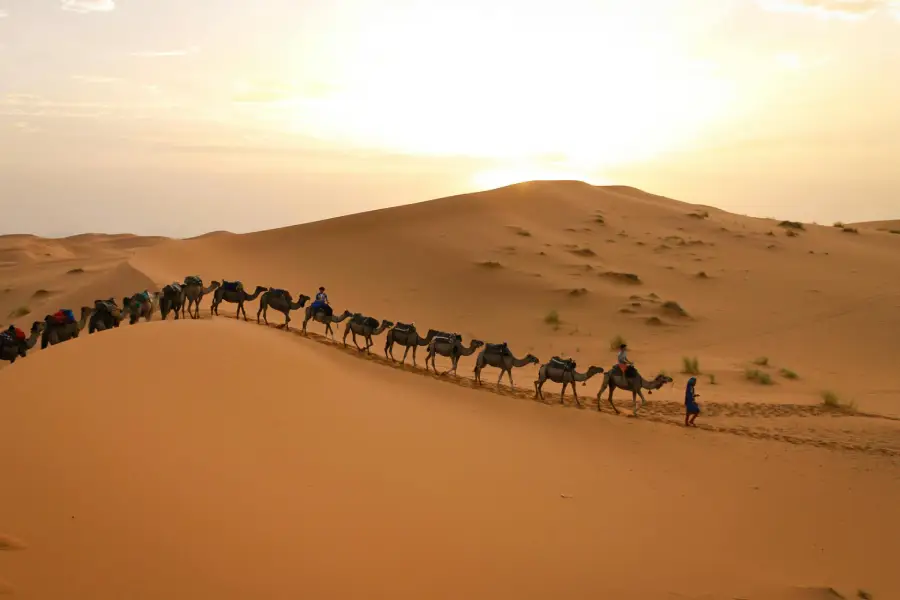
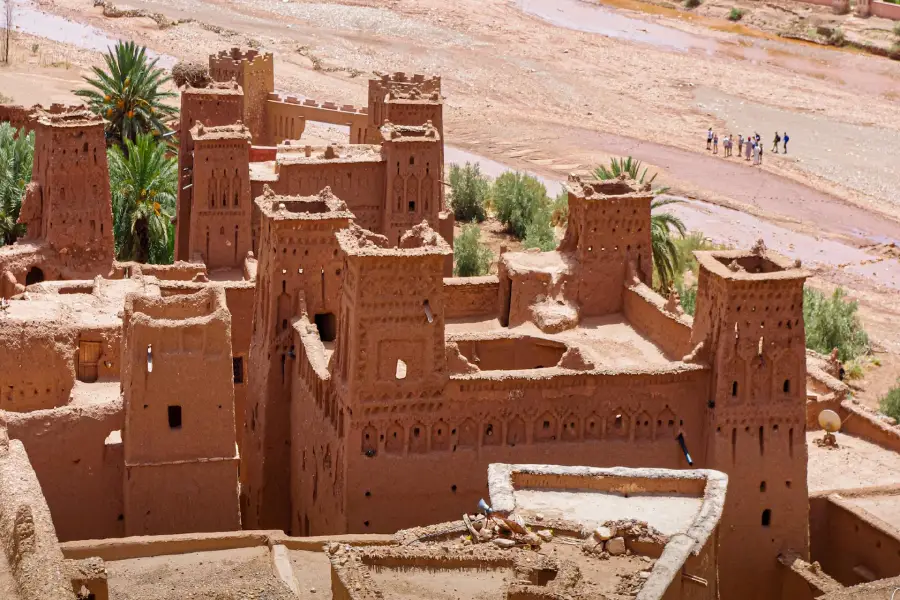
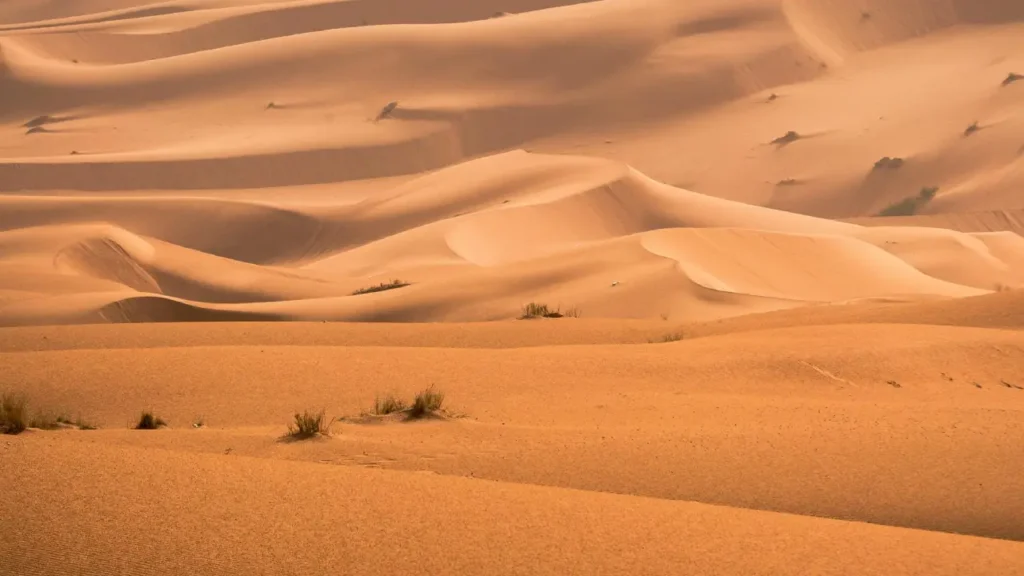
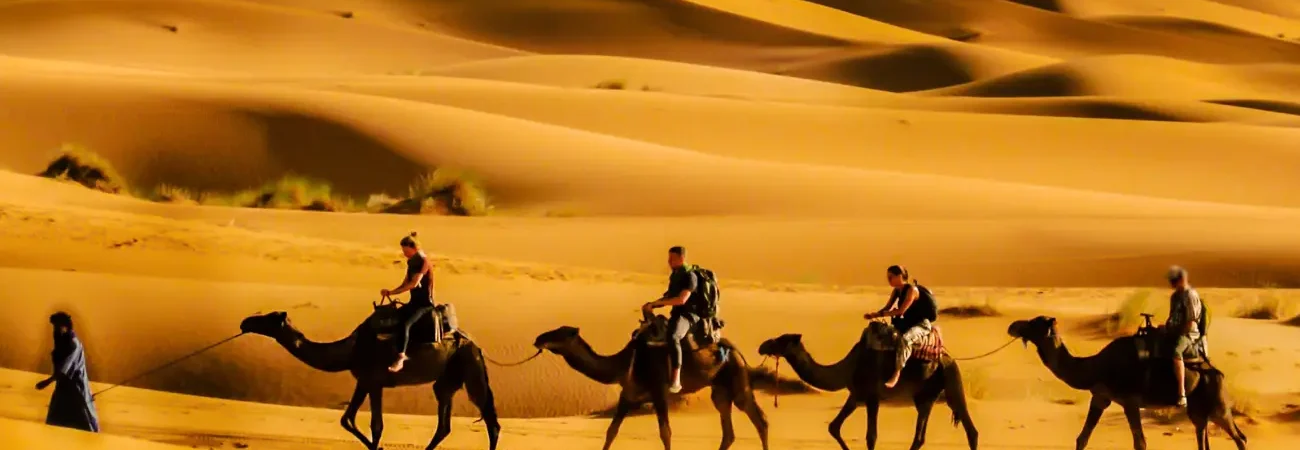
Ride a camel across golden sand dunes, sleep in luxury desert camps, and watch sunrise over Erg Chebbi. Film fans recognize Aït Benhaddou from Game of Thrones. Bring layers—the desert cools fast at night.

kasbah Ait ben haddou
Atlas Mountains

Ideal for trekking and fresh air.
Drive through the Dades Valley and the towering Todra Gorge. Local guesthouses serve tagine beside mountain streams.

🏨 Accommodation Options

Discover the country through the places you sleep.

Morocco offers a wide range of accommodations, each revealing a different side of the country. From the quiet charm of medina riads to modern beachfront hotels and the earthy warmth of Atlas eco-lodges, every stay adds a layer to your journey. Whether you’re exploring ancient alleyways or relaxing by the coast, choosing the right place helps shape the Morocco you experience.

Book early during holidays and summer months.

Riad in marrakech

Traditional Riads

Riads are Morocco’s signature accommodation, intimate houses built around peaceful courtyards, often decorated with carved wood, zellij tiles, and rooftop terraces. They place you in the heart of the old medinas, offering quiet retreat from the busy streets and a direct connection to traditional architecture and hospitality.
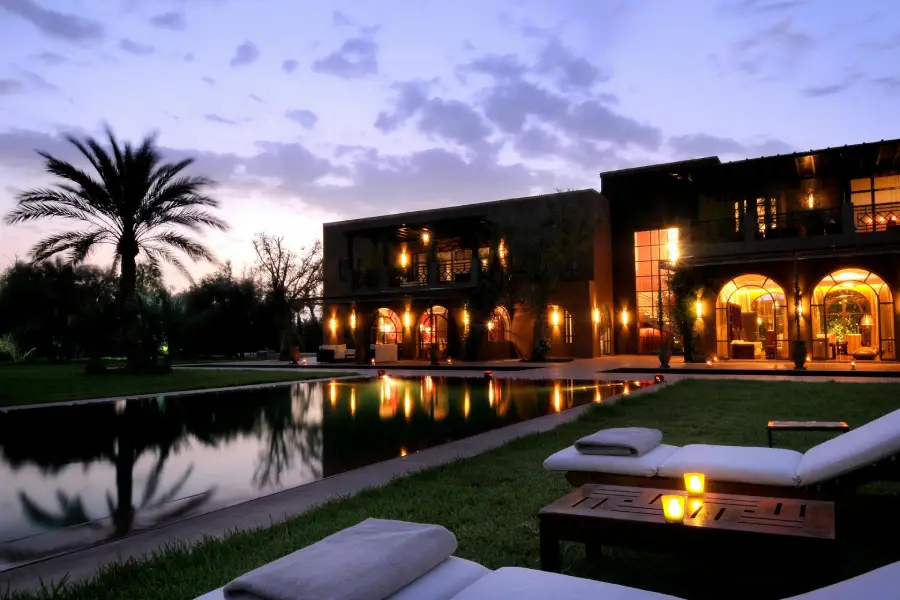
Hotels & Resorts morocco

Hotels & Resorts

In destinations like Casablanca, Marrakech, and Agadir, hotels and resorts dominate the scene. They offer the convenience of amenities such as pools, restaurants, spas, and beachfront access. This option suits travelers looking for comfort, easy transportation links, and a familiar hotel experience blended with Moroccan touches.
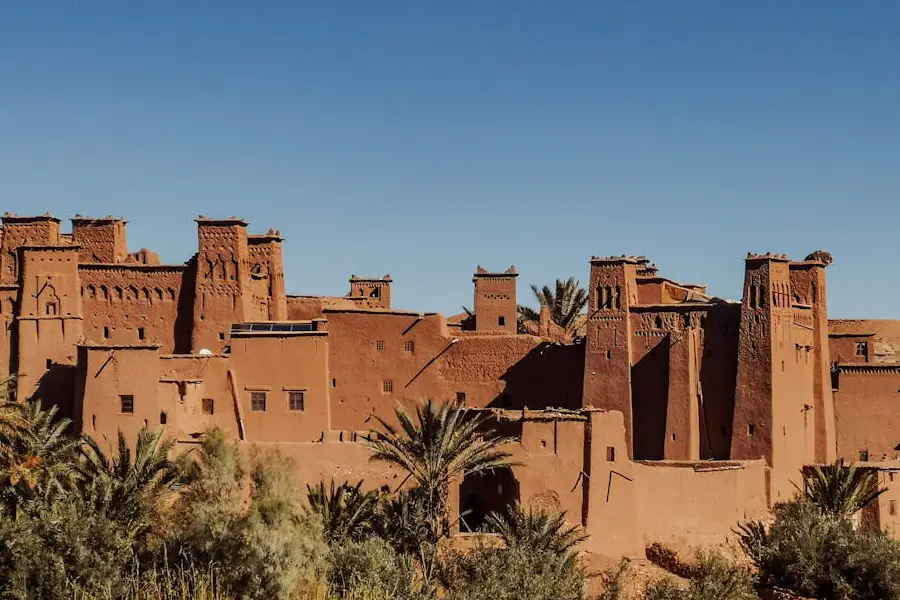
Guesthouses, Eco-Lodges & Kasbahs

Guesthouses, Eco-Lodges & Kasbahs

In the Atlas Mountains and southern Morocco, you’ll find guesthouses run by local families, eco-lodges built with natural materials, and restored kasbahs offering panoramic views. These accommodations provide immersion into rural landscapes, traditional lifestyles, and sustainable tourism practices.
🚕 Transportation in Morocco

Smart ways to move, wherever Morocco takes you.
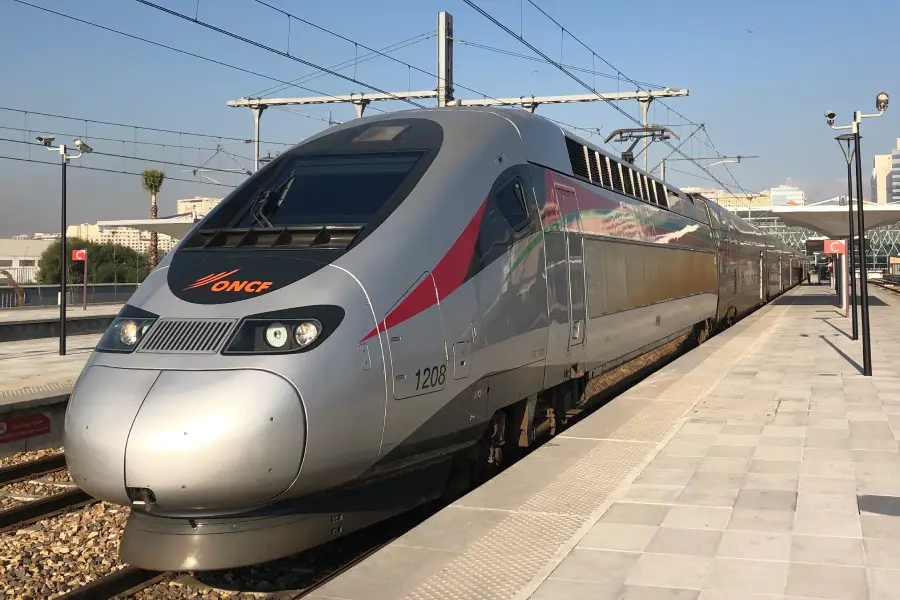
al boraq fast train

AL BORAQ

High-speed trains connect Casablanca Airport with major cities including Rabat, Fes, and Tangier, with ONCF’s Al Boraq line reaching speeds of up to 320 km/h.
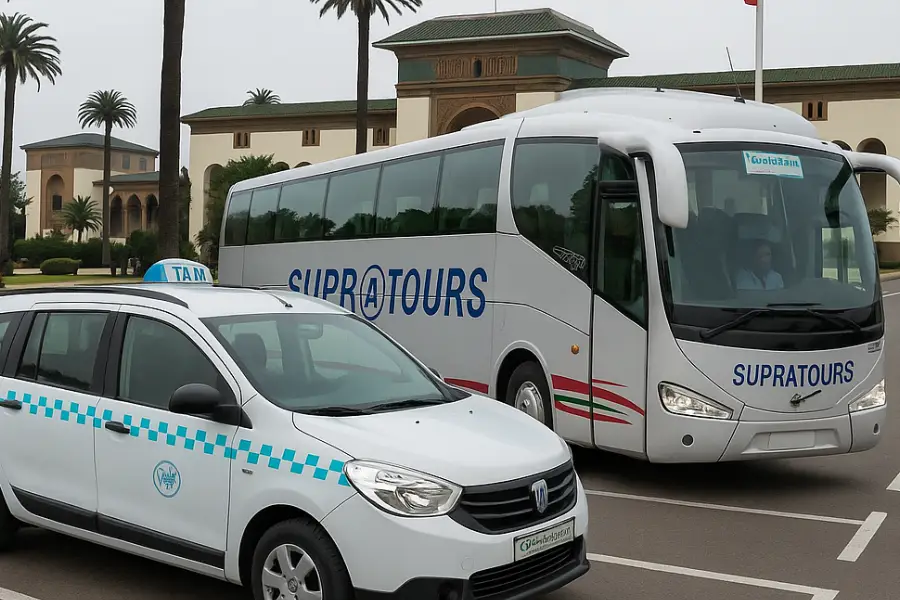
taxi & bus in morocco

Bus & Taxi

For regional travel, grand taxis operate between towns and cities. Fares are not fixed, so it’s essential to agree on the price before the ride begins. In areas where trains don’t reach, buses provide wide coverage, especially across the Atlas Mountains and throughout the southern regions.
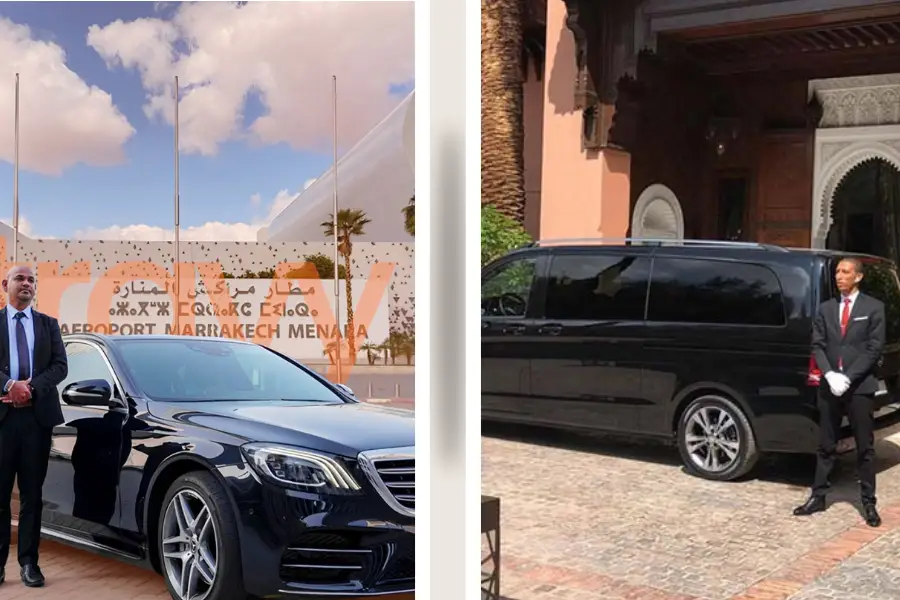
Private Drivers: The Fastest Way to Reach Morocco’s Hidden Gems

Travelers exploring remote villages, desert routes, or hidden coastal spots often choose private drivers, which offer more flexibility and significant time savings.
Morocco has a reliable and diverse transportation network that makes getting around the country straightforward.

For a deeper breakdown of each option, see the How to Get Around Morocco guide.

🍲 Moroccan Food and Culture

Food shapes every Morocco travel experience.
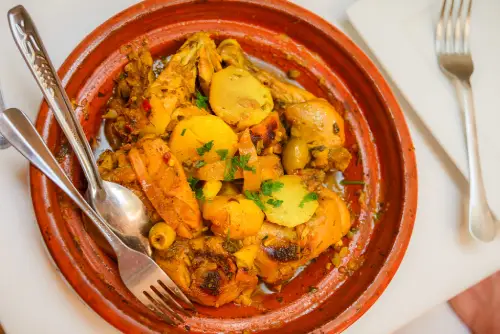
chiken tagine with preserved lemon

Chicken Tagine with preserved lemons and olives

Slow-cooked with preserved lemons and olives, creating a bright, aromatic sauce full of Moroccan flavor.
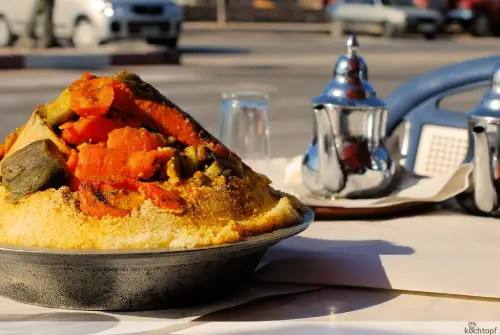
Couscous

Couscous topped with seasonal vegetables

Soft, fluffy grains topped with colorful seasonal vegetables and gently spiced broth.
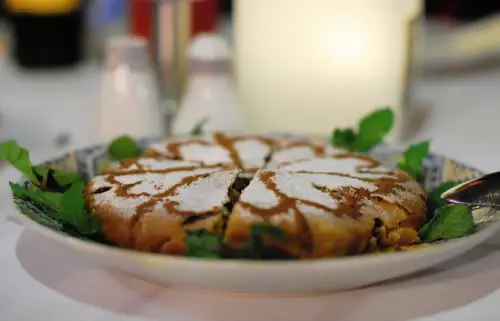
Pastilla, the iconic sweet-savory pastry

A delicate, flaky pastry filled with spiced chicken or pigeon, finished with a touch of sweetness.
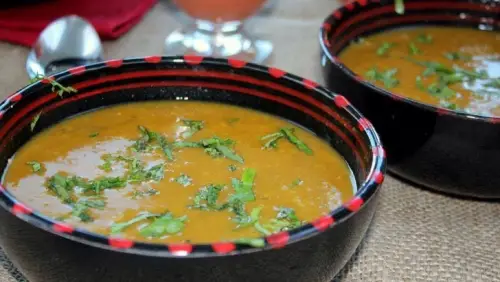
Harira, a comforting tomato and lentil soup

A cozy tomato-based soup made with lentils, chickpeas, and warming spices.
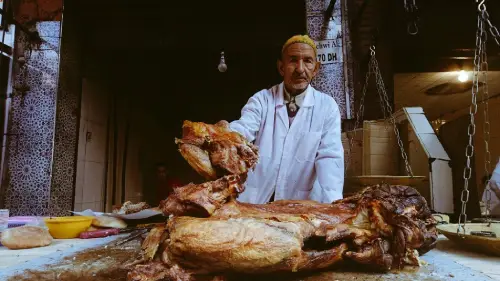
mechoui lamb morocco

Mechoui, slow-roasted lamb

Tender lamb roasted for hours until it becomes incredibly juicy and melt-in-your-mouth soft.
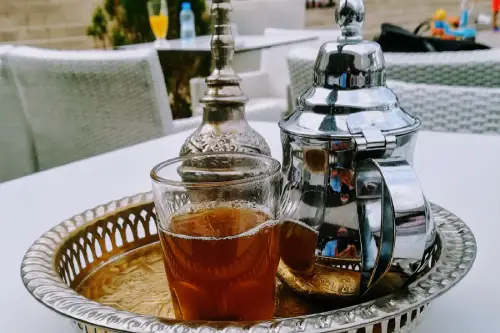
Moroccan mint tea

It's more than a drink, it’s a gesture of welcome. You’ll find it everywhere: in family homes, desert camps, tiny cafés, and bustling souks.
Food in Morocco isn’t just something you eat, it’s something you feel. Every meal comes with a little piece of the country’s soul: the bold spices, the bright colors, and the aromas that drift through kitchens and markets all day long.

Some dishes are simply unmissable:

As night falls, the markets start to glow. Musicians, storytellers, and street performers turn the streets into open-air stages, creating a lively rhythm where food, culture, and everyday life blend beautifully.

Taste, listen, and breathe the sensory overload that travelers love to revisit.

Budget and Costs

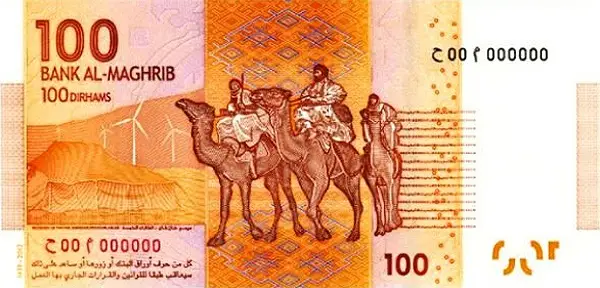
100 moroccan dirhams

Morocco is affordable for most travelers, with options for every budget.

  • Budget travelers typically spend $40–60 per day, covering local meals, guesthouses, and public transport.
  • Mid-range trips fall between $80–150 per day, allowing for nicer hotels, guided tours, and a mix of restaurants.
  • Luxury stays start at $250+, especially in high-end riads and desert camps.

While cards are accepted in major cities, many souks, small cafés, and rural shops remain cash-only, so carrying Moroccan dirhams is essential.

Tipping around 5–10% is standard in restaurants and for services.
Bargaining is both normal and polite, especially in markets and artisan shops.

Packing and Cultural Etiquette

camel trekking merzouga

Pack modest clothing, a light scarf, comfortable walking shoes, sunscreen, and a Type C (EU) power adapter. In rural or conservative areas, dressing more modestly is appreciated and helps you blend in.

Avoid taking photos of police, military, or government buildings, as this is restricted in Morocco.

Day-to-day interactions are warm and welcoming — a simple smile goes a long way when meeting locals or asking for help.

For a full breakdown of essentials, see the Morocco Packing List page.

Interacting with Locals

morocco tanneries

Moroccans are warm, welcoming, and deeply proud of their traditions. A simple “Salam Alaikum” is the perfect greeting, and being offered mint tea is a sign of hospitality — accepting it is both polite and appreciated.

In souks and markets, bargaining is expected, but the tone matters: keep it friendly and respectful. English is common in tourist areas, while French is widely understood across cities and towns.

When visiting mosques, religious spaces, or traditional neighborhoods, dress modestly and follow posted guidelines. Respecting local customs not only shows courtesy but also leads to a more authentic, meaningful experience.

Communication and Internet

Arabic and Amazigh are Morocco’s two native languages, forming the foundation of everyday communication. French is widely used in business, government, and street signs, making it especially helpful in cities. English is growing quickly, particularly in tourist areas.

For easy communication and navigation, buy a prepaid SIM card from Orange or Inwi — around $10 for calls and data. Coverage is strong across cities, highways, and most rural areas.

Google Maps works well for navigating narrow streets, medinas, and mountain routes, though alleys in old towns can still be tricky — follow signage and ask locals when in doubt.

Travel to Morocco Tips for First-Time Visitors

A 10–14 day trip is ideal for seeing Morocco’s major highlights without rushing. Many travelers start in Casablanca, continue south to Marrakech, then head east toward Fes and the blue city of Chefchaouen.

If your schedule allows, add a Sahara desert camp for an unforgettable overnight experience.

Begin sightseeing early in the day to avoid midday heat and the busiest crowds. With the right pace, you’ll experience Morocco’s cities, landscapes, and culture comfortably.

This Morocco travel advice helps you structure a smooth and balanced itinerary.

Morocco is generally safe for most travelers, with well-touristed cities and reliable transportation. As in any busy destination, keep your valuables secure in crowded areas and stay close to main streets at night.

For official updates or travel advisories, check the U.S. Embassy in Rabat and the U.S. Embassy in Casablanca.
Emergency numbers: Police 19, Ambulance 15.

Casablanca and Marrakech both have hospitals with international clinics familiar with treating travelers. It’s wise to carry travel insurance that includes medical evacuation, especially if you plan to visit remote areas or the desert.

Let Me Help You Travel Morocco Safely and Smoothly

⚠️ Common Scams and Dangers Travelers Should Watch Out For in Morocco

Minor scams can happen in busy tourist areas, but they’re usually easy to avoid with a bit of awareness. Politely ignore strangers who claim a street is closed, offer a “free tour,” or try to guide you somewhere unsolicited.

Use official taxis with meters, or agree on the fare before the ride. Be cautious of fake tour sellers advertising unusually cheap desert trips — book through reputable companies or your hotel.

In shops and markets, count your change to avoid small mistakes.

These inconveniences are rare and rarely impact trips. Overall, Morocco tourism remains welcoming, friendly, and safe for visitors.

🚨 Emergency Assistance and Resources

For urgent assistance, contact the local police station or emergency services immediately. Most major cities have English- or French-speaking officers who can help travelers.

Embassies also operate 24-hour emergency lines for citizens abroad. For medical needs or official guidance, these resources are especially helpful:

These contacts offer reliable support if you need medical help, legal guidance, or urgent travel assistance during your stay in Morocco.

🚗 Sample 10-Day Morocco Itinerary

Day 1–2: Marrakech
Explore the medina, vibrant souks, Bahia Palace, and Djemaa el-Fna’s evening food stalls.

Day 3–4: Atlas Mountains & Aït Benhaddou
Cross the High Atlas, visit Berber villages, and tour the ancient ksar of Aït Benhaddou.

Day 5–6: Merzouga & Sahara Desert
Ride camels into the dunes, watch sunset over Erg Chebbi, and spend a night in a desert camp.

Day 7–8: Fes & Volubilis
Wander the medieval Fes Medina and take a day trip to the Roman ruins of Volubilis.

Day 9: Chefchaouen
Stroll through the Blue City’s alleyways, viewpoints, and relaxed mountain cafés.

Day 10: Casablanca
Transfer to Casablanca for your departing flight.

Day 1–2: Marrakech
Explore the medina, vibrant souks, Bahia Palace, and Djemaa el-Fna’s evening food stalls.

Day 3–4: Atlas Mountains & Aït Benhaddou
Cross the High Atlas, visit Berber villages, and tour the ancient ksar of Aït Benhaddou.

Day 5–6: Merzouga & Sahara Desert
Ride camels into the dunes, watch sunset over Erg Chebbi, and spend a night in a desert camp.

Day 7–8: Fes & Volubilis
Wander the medieval Fes Medina and take a day trip to the Roman ruins of Volubilis.

Day 9: Chefchaouen
Stroll through the Blue City’s alleyways, viewpoints, and relaxed mountain cafés.

Day 10: Casablanca
Transfer to Casablanca for your departing flight.

🌿 Responsible Travel in Morocco

Choose a refillable water bottle to cut down on single-use plastic, especially when exploring markets and desert regions. Supporting local cooperatives and women’s workshops helps preserve traditional crafts and directly benefits communities.

Opt for eco-certified riads and lodges that prioritize water conservation, renewable energy, and responsible waste management. When visiting natural areas or historic sites, follow posted guidelines to protect Morocco’s landscapes and cultural heritage.

Embracing slow travel — staying longer, moving at a calmer pace — allows the country to unfold more naturally and reduces your overall footprint.

Unfolding Morocco, One Story at a Time

Explore the heart of Morocco through its most loved destinations, from ancient medinas to peaceful coastal towns. Each city has its own rhythm, flavor, and unforgettable charm.