Is It Safe to Travel to Morocco? A Local's Guide

Navigate Morocco with Confidence – Insights from Those Who Know It Best!

Welcome to Morocco: Setting the Safety Record Straight

As a local guide who has welcomed hundreds of visitors to my home country, I’ve heard one question more than any other: “Is it safe to travel to Morocco?” Let me give you the straight answer right away: Yes, Morocco is a generally safe destination, often proving safer than many popular European countries. The Moroccan government places a high value on tourist safety, employing a discreet but effective force of undercover tourism police in major areas.

Of course, like any travel destination, it isn’t perfect. You might encounter petty crimes like pickpocketing in crowded markets, and catcalling can be an annoyance. However, violent crime against tourists is extremely rare. Understanding the local context and being prepared is key to having an incredible and secure experience. This guide will walk you through everything you need to know about Morocco travel safety.

Global Risk Assessment: Morocco is a Low-Risk Destination in 2025

is it safe to travel to morocco

Don't just take my word for it; the data support Morocco's reputation for safety. According to 'Which? Travel magazine ranks Morocco as the 8th safest country among the top twenty safest nations worldwide. This places it ahead of many other well-trodden tourist spots. Furthermore, the "Risk Map 2025" classified Morocco as having a “low” risk level for travelers.

This rating puts it in the same safety category as the United States, France, and the United Kingdom. Morocco is also one of only three African nations to achieve this "low" risk classification, highlighting its stability in the region. Most international government advisories, such as the U.S. Department of State, list Morocco at "Level 2: Exercise Increased Caution," a standard warning primarily due to the potential for petty theft.

Is Morocco Safe for Solo Travelers, Women, and Families?

Safety concerns can change depending on who you are and how you travel. Here’s a look at how safe Morocco is for different types of visitors.
is it safe to travel to morocco

Solo Female Travelers: Confidence and Conservative Dress are Key

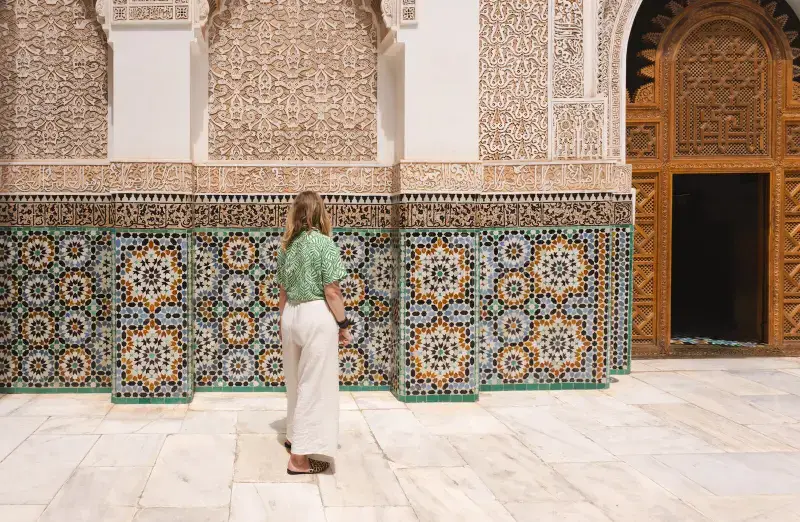
Solo travel is quite common in Morocco, especially in relaxed cities like Chefchaouen, Essaouira, and Marrakech. To ensure a smoother journey, confidence and conservative dress are your best tools. A pro tip is to opt for loose-fitting clothes that cover your shoulders and knees. This simple step helps you blend in and can significantly reduce unwanted attention. Walking with purpose and using a polite but firm "La, shukran" (No, thank you) is very effective. While unwanted attention like catcalls can happen, it’s typically harmless curiosity rather than a genuine threat. For an instant shield, try wearing headphones, even without music playing; it signals you're unavailable for conversation.
morocco travel safety

Families with Children: A Highly Family-Friendly Destination

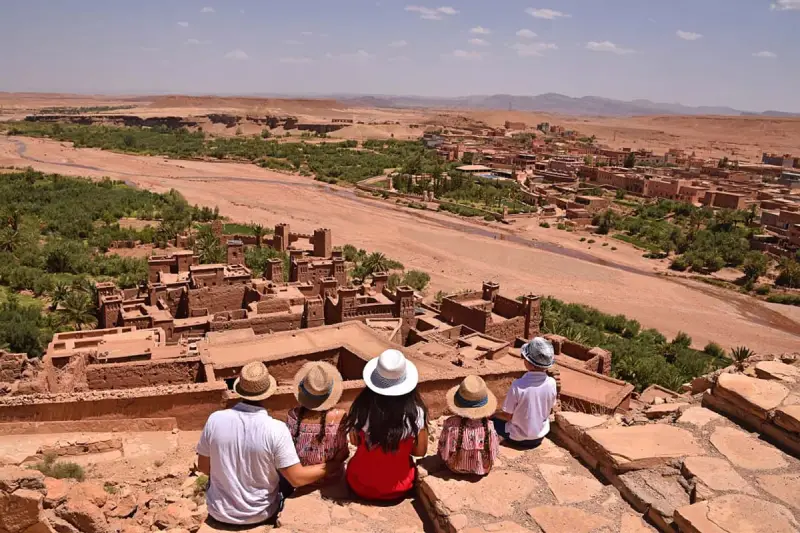
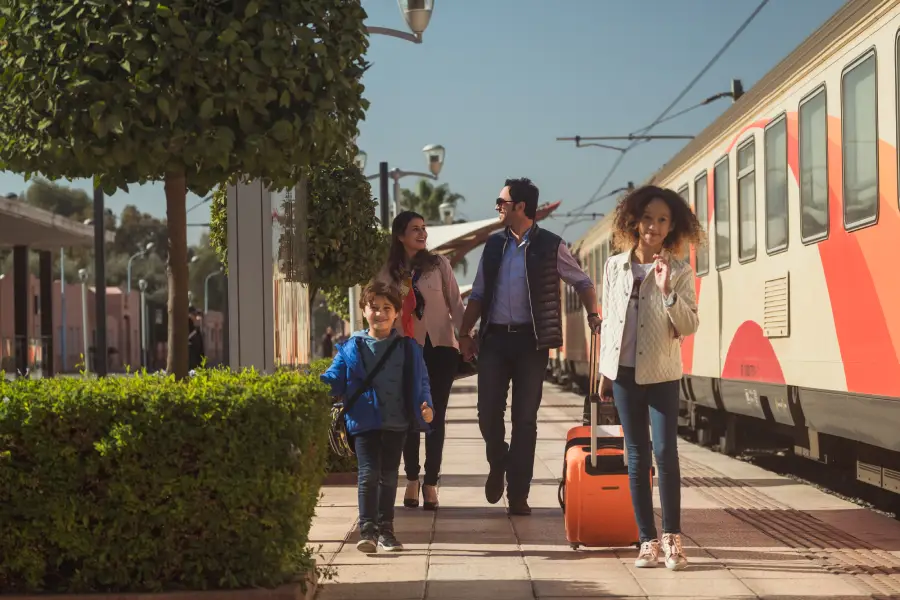
Morocco is a wonderfully family-friendly country where children are often the center of positive attention. Moroccans adore kids, and you'll find them welcomed warmly in cafes, shops, and restaurants. Cities like Agadir, Essaouira, and Marrakech offer a wealth of activities for all ages. Even adventures like desert camps are well-equipped to host families safely, creating unforgettable memories for everyone. When considering safety in Morocco for your family, you can rest assured that it's a welcoming place for little ones.

Comprehensive Guide to the 12 Safest Cities in Morocco

While the country as a whole is safe, some destinations are exceptionally secure. Here is a breakdown of the safest cities to help you plan your itinerary.

See our detailed Top Places to Visit in Morocco page.

how safe is morocco
Marrakech

The Vibrant, Caution-Required Hub

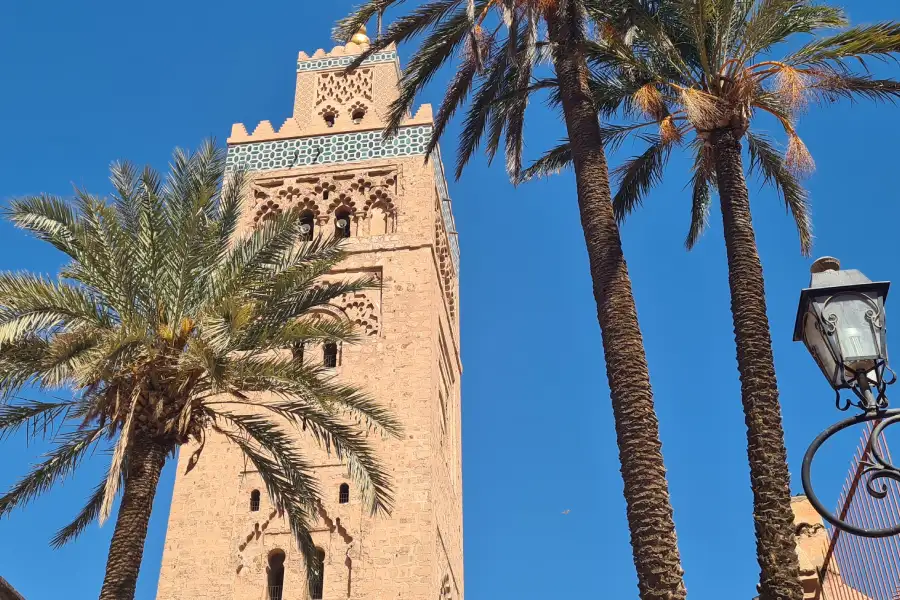
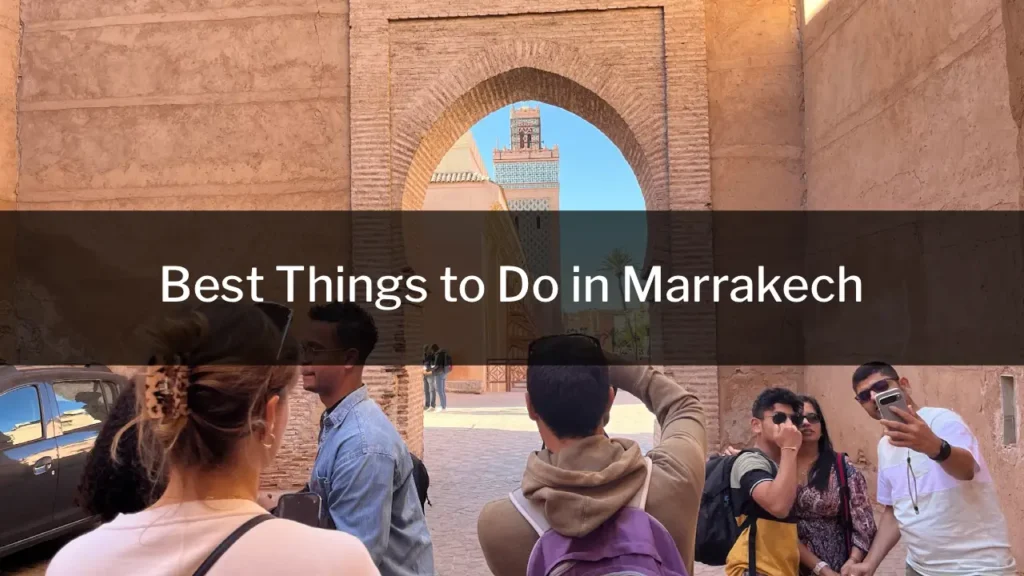
Despite its chaotic energy, Marrakech is truly one of Morocco’s safest destinations for tourists. Modern neighborhoods like Gueliz and Hivernage are very safe, even at night. The main safety precaution you must take is watching out for pickpockets in the crowded alleys of the Medina and being firm with pushy shopkeepers. Always stick to well-lit main paths after dark.

Rabat

The Capital City Gem

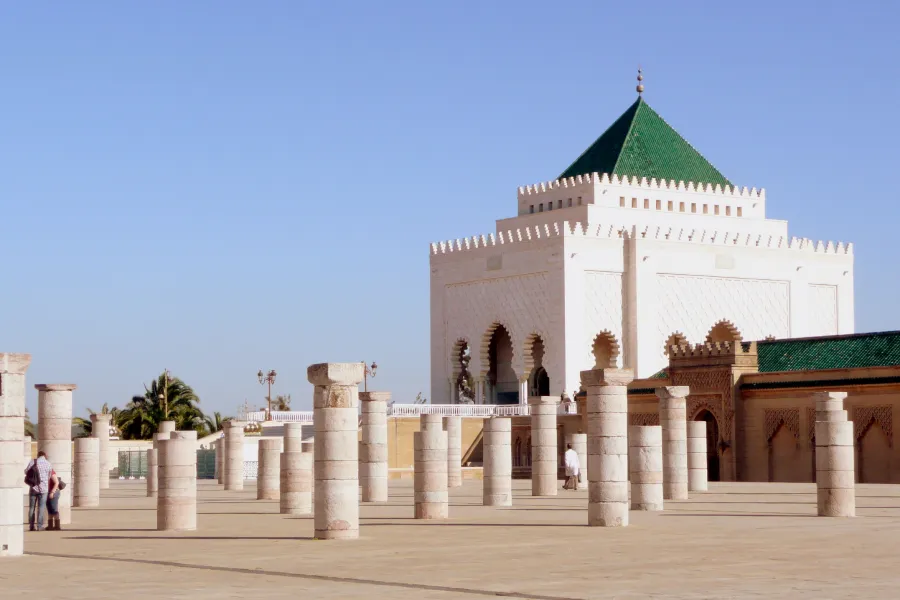
As the capital, Rabat is arguably the safest spot for guided tours. Crime rates are incredibly low, and catcalling is minimal. It’s easy to explore, even solo at night, thanks to its modern tram system and relaxed atmosphere. Don’t miss the historic Medina and the impressive Mohammed V Mausoleum.

Chefchaouen blue city
Chefchaouen

The Dreamy Blue Town

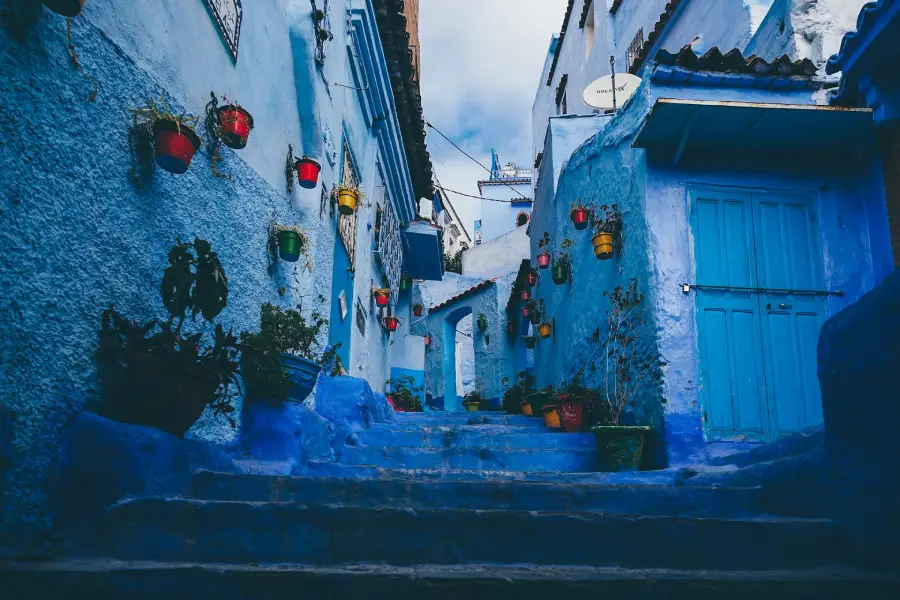
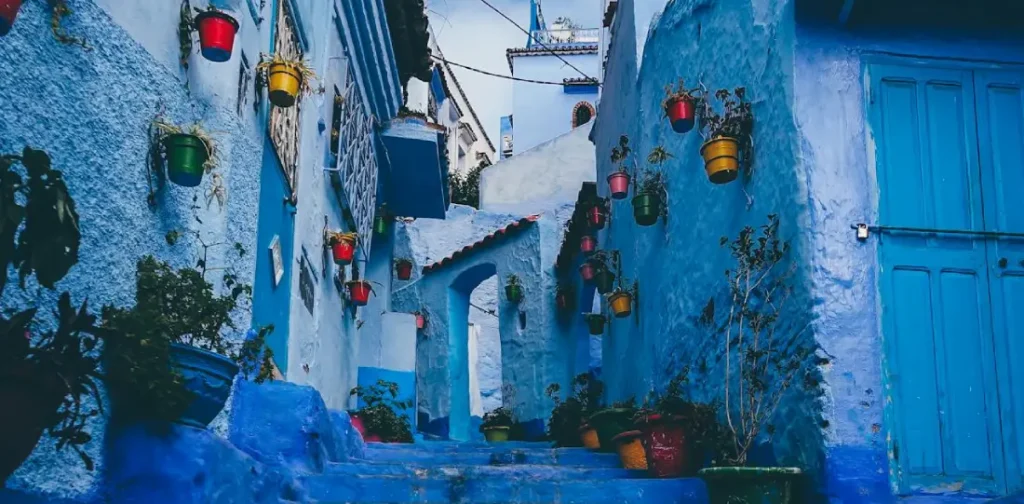
The famous “Blue Pearl” is incredibly safe, particularly for female travelers. The locals are exceptionally welcoming, and you’ll feel far more at ease here than in some of the larger, more intense cities. Spend your time getting lost in the gorgeous blue alleyways, hiking to the Akchour Waterfall, and watching the sunset from the Spanish Mosque.

Ifrane

Morocco’s Slice of Switzerland

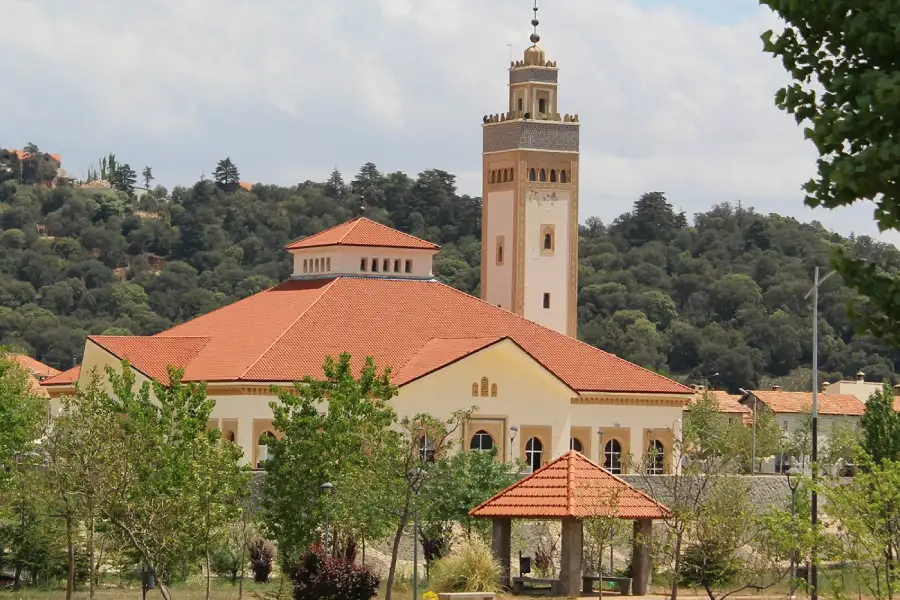
Ifrane is one of Morocco’s safest and most unique cities. It’s a university town where students feel comfortable walking around at all hours. Known for its European-style chalets and annual snowfall, it offers a peaceful break between Fes and Marrakech. Adventure seekers can enjoy the Michlifen Ski Station and Ifrane National Park.

Essaouira

The Windy Coastal Fortress

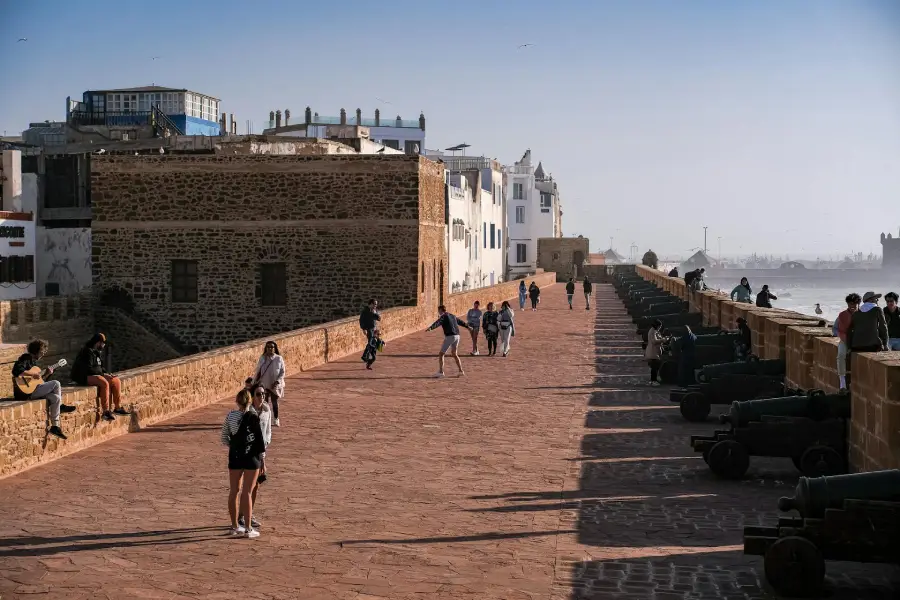
Essaouira is another contender for one of the safest cities. It’s a place where you can comfortably walk around alone at night, and the biggest “threat” you’re likely to encounter is a friendly stray cat. This stunning oceanside town is perfect for surfing and kiteboarding, and its blue-and-white Medina is a joy to explore safely.

Is It Safe to Travel to Morocco?
Asilah

The Atlantic Seaside Gem

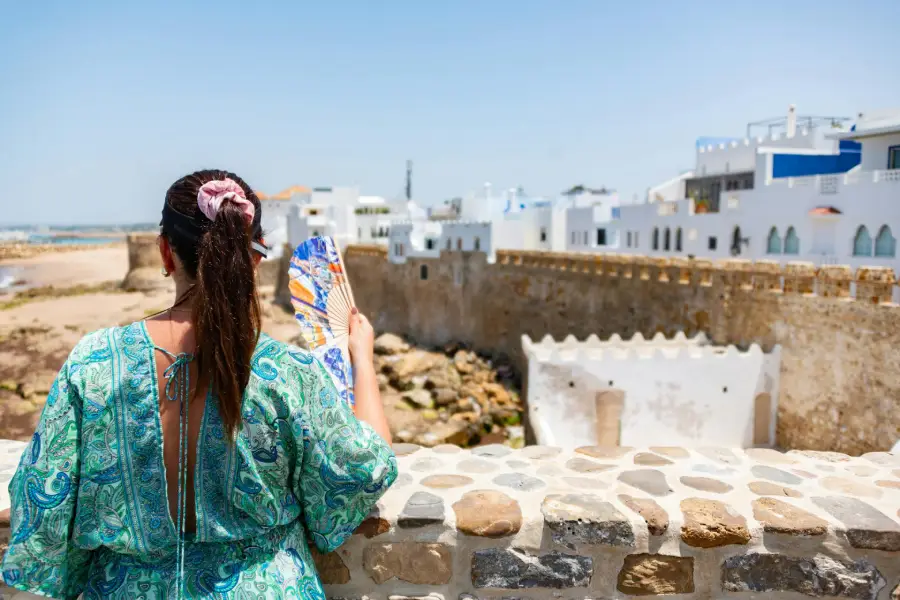
Asilah is both stunning and incredibly safe. It’s a perfect destination for solo female travelers looking for a laid-back beach town vibe. The city is famous for its Arts Festival in August, when the Medina’s walls are covered in spectacular murals created by international artists.

Meknes

The Peaceful Ancient City

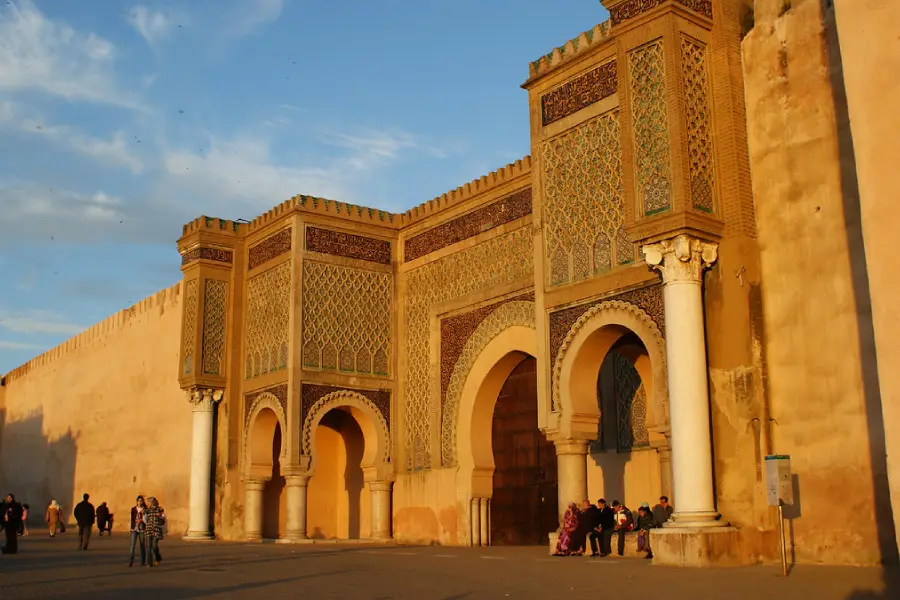
As one of Morocco’s four imperial cities, Meknes is surprisingly one of its safest. It offers a peaceful, less-crowded atmosphere compared to its famous neighbors, Fes and Marrakech. Exploration here is stress-free, allowing you to fully appreciate landmarks like the majestic Bab Mansour gate and the Mausoleum of Moulay Ismail.

Sahara Desert Paradise
Merzouga

Sahara Desert Paradise

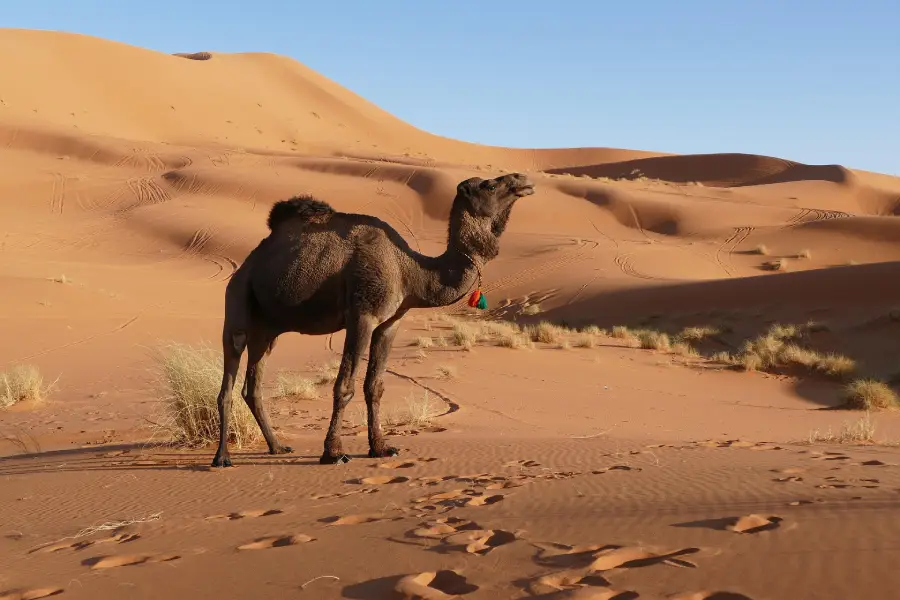
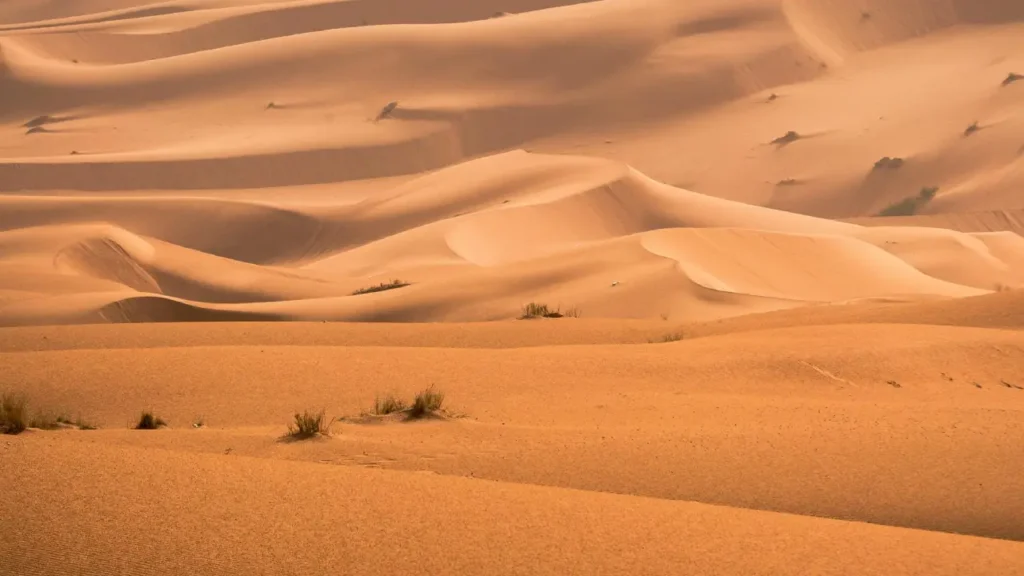
This tiny town on the edge of the Sahara is a super chill and safe spot, especially when your desert adventure is arranged through guided tours. Locals are known for their hospitality. A critical safety rule: never explore the desert alone. Also, avoid walking barefoot at night during warmer months to prevent encounters with scorpions or other insects.

Agadir The Modern Beach Resort
Agadir

The Modern Beach Resort

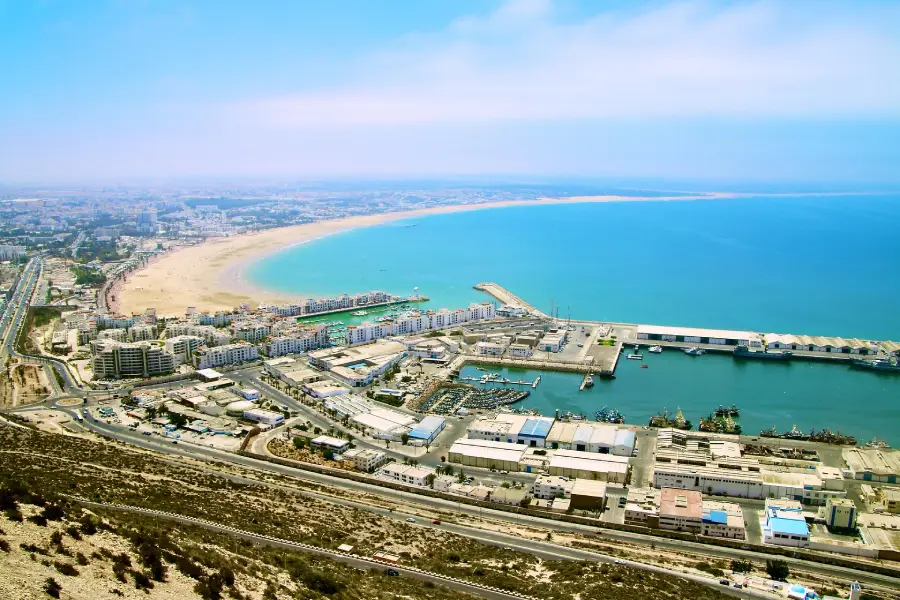
Totally rebuilt after a devastating earthquake in 1960, Agadir is a modern and safe beach city. Its grid-style streets make it easy to navigate, and the beaches are well-patrolled. It’s home to Souk El Had, the largest souk in Morocco. Just be mindful of common tourist scams along the beachfront promenade.

taghazout Surfer Escape
Taghazout

The Laid-Back Surfer Escape

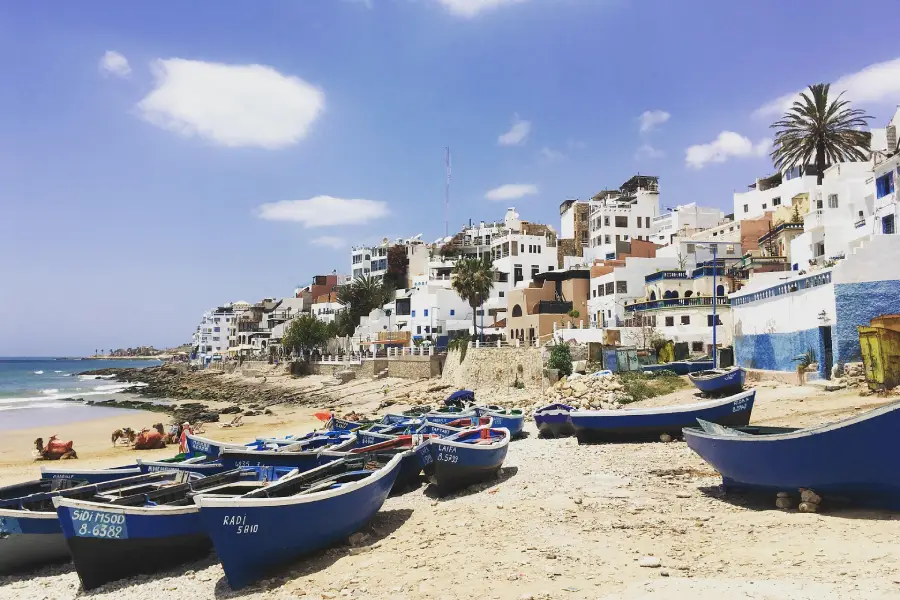
Located just 30 minutes from Agadir, the charming coastal village of Taghazout feels extremely safe. This is largely due to its tight-knit community, where everyone seems to know each other. Known for its amazing surf waves, it’s a great place to relax and watch the sunset at Devil’s Rock, often accompanied by local musicians.

Sidi Ifni Spanish Port
Sidi Ifni

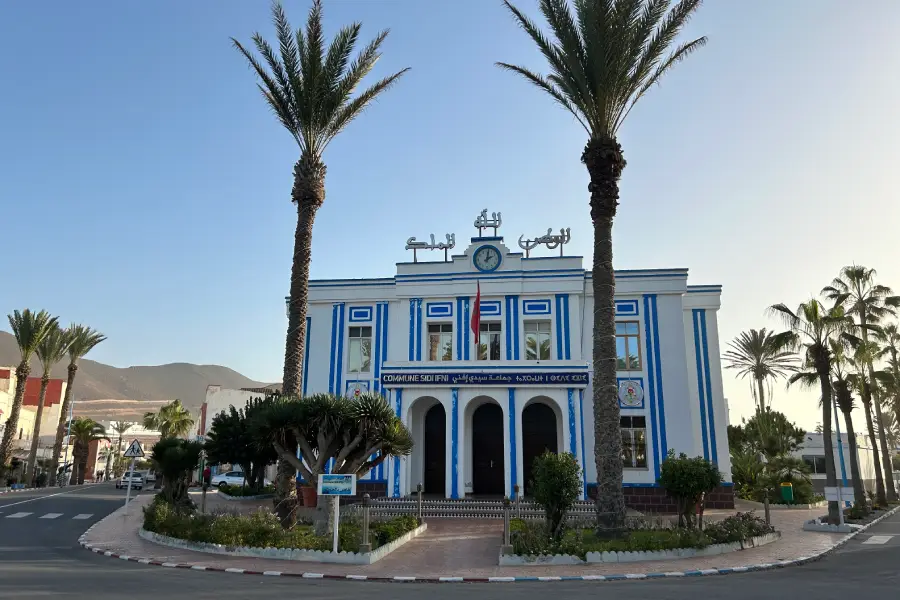
The Hidden Spanish Port

Located just 30 minutes from Agadir, the charming coastal village of Taghazout feels extremely safe. This is largely due to its tight-knit community, where everyone seems to know each other. Known for its amazing surf waves, it’s a great place to relax and watch the sunset at Devil’s Rock, often accompanied by local musicians.

Tetouan Andalusian Jewel
Tetouan

The Calm Andalusian Jewel

Tetouan ranks among Morocco’s safest cities, known for its calm streets, respectful locals, and low crime rate. Its beautiful Andalusian-influenced Medina is easy to explore without stress, and nearby Martil offers a clean, safe beach escape. Perfect for travelers who want a peaceful, authentic northern experience.

Essential Safety Tips to Avoid Petty Crime and Scams

Knowing a few local tricks is crucial for ensuring your trip is seamless. These advanced strategies will help you navigate common issues and enhance your Morocco travel safety.

Managing Valuables and Pickpockets in the Medina

The bustling Medinas of cities like Marrakech and Fes are prime spots for pickpockets. Their narrow, packed streets create the perfect distraction. Carry only the cash you need for the day, use a crossbody bag worn on your front, and never put your phone or wallet in a back pocket. Leave passports and extra valuables in your hotel safe.

Financial Safety: ATMs and Cash

Stick to official bank ATMs, such as those from BMCE or Attijariwafa Bank. Avoid standalone, unbranded ATMs in tourist areas, as they can be compromised to steal card information. For extra security, use ATMs located inside a bank branch during daylight hours.

A smart money-saving tip is to use Al Barid Bank ATMs found inside post offices—they don’t charge withdrawal fees, unlike many others. Avoid Euronet machines in particular, as they can charge up to €7 per transaction.

Avoiding Fake Guides and Pushy Locals

So-called “fake guides” may approach you, offering to show you the way, only to demand money aggressively afterward. Politely decline and only hire licensed guides who have official badges. Your hotel staff can also provide excellent directions and recommendations for reputable guides. If you look lost, be aware that locals might offer unsolicited help with the expectation of a tip.

Transportation and Taxi Tips

While Uber doesn’t operate in Morocco, apps like InDrive, Careem, and Heetch do function in major cities, however, they are not officially legal, so use them with caution. For the safest option, stick to licensed Petit Taxis, which are color-coded depending on the city. Always ask the driver to turn on the meter (“le compteur”) before the ride starts. If the meter isn’t used, agree on a clear price upfront to avoid overcharging. As a reference, a 20-minute ride from Jemaa El-Fna to the Majorelle Garden is usually around 30 MAD, and airport transfers typically range from 100 MAD.

Traveling Smartly: Why Guided Tours Enhance Safety

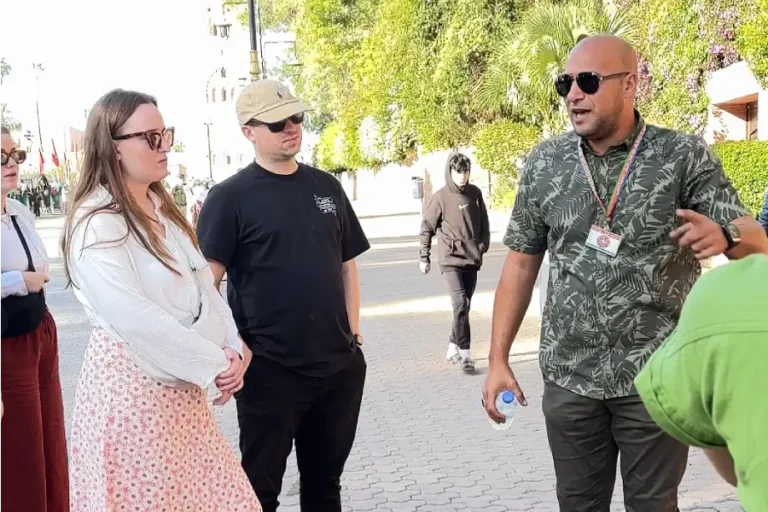
youness marrakech tour guide

When people ask me, “Is it safe to travel to Morocco?” I always say yes — absolutely. Morocco is incredibly welcoming, full of warmth, beauty, and diversity. With a bit of common sense, respect for local customs, and the practical tips I share with my guests, you’re set for an unforgettable experience.

For anyone who wants the smoothest and safest start to their trip, I recommend beginning your journey with a private guided tour. When you explore with me, I take care of everything: transportation, logistics, navigation, and avoiding scams so your first days in Morocco are effortless and stress-free. Once you’ve settled in and understand how things work, you can confidently continue your adventure on your own, fully prepared to enjoy the country at its best.

For official updates or travel advisories, check the U.S. Embassy in Rabat and the U.S. Embassy in Casablanca.
Emergency numbers: Police 19, Ambulance 15.

Casablanca and Marrakech both have hospitals with international clinics familiar with treating travelers. It’s wise to carry travel insurance that includes medical evacuation, especially if you plan to visit remote areas or the desert.