Morocco Experiences: The Ultimate 2026 Morocco Travel Guide From a Local
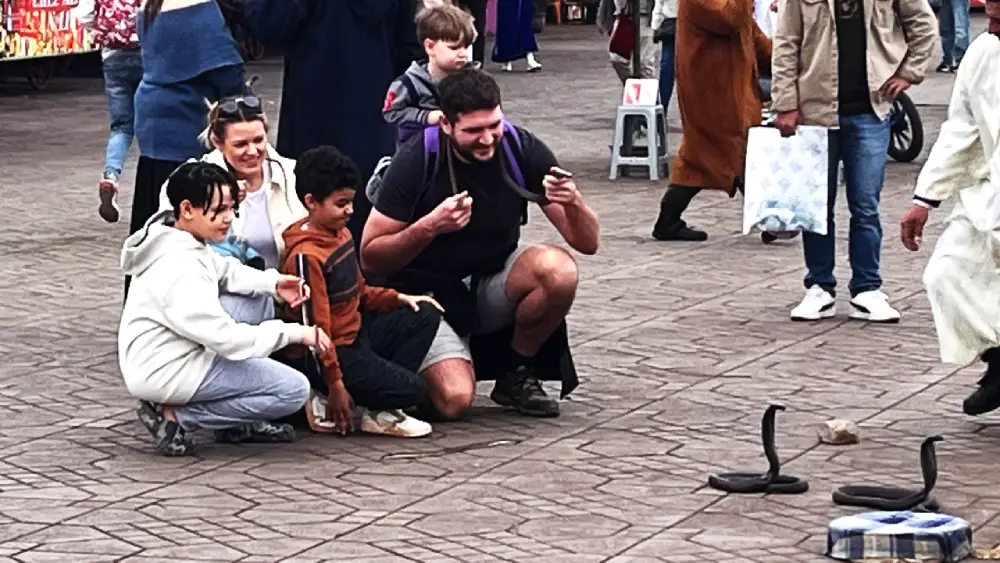
Morocco is not a “perfectly organized Europe with camels.” It’s beautiful chaos: calls to prayer echoing over rooftop breakfasts, donkeys and mopeds racing through 800‑year‑old streets, kids playing football next to ancient city walls, and then complete silence under a billion desert stars.
I’m Youness, a licensed tour guide and owner of Morkosh Tours, based in Marrakech. I’ve been leading Morocco travel experiences for more than 20 years. I’ve crossed the Sahara more times than I can count, helped nervous solo travelers relax into the rhythm of the medina, and watched guests cry (the good kind of tears) at sunrise in the dunes.
If you’re reading this, you’re probably trying to decide:
- When to come
- How much to budget
- Which Morocco experiences are truly worth it
- Whether you can (or should) do it alone
This complete Morocco travel guide 2026 is my honest, local-tested roadmap: from medina chaos to Sahara silence.
Understanding Morocco’s “Inshallah” Mindset
If you learn one word before you come, let it be “Inshallah” – “God willing.”
Buses leave “around” a certain time, the shop that was open yesterday is closed today, and your tagine might take 45 minutes instead of 20. It’s not personal. It’s how life flows here.
If you arrive with:
- A fixed schedule and zero tolerance → you’ll be frustrated.
- A bit of flexibility and curiosity → Morocco will be one of your best life experiences.
My advice: plan a solid structure (especially for Sahara, trains, and key riads), but always leave pockets of “Inshallah time” in your Morocco experiences itinerary. That’s when the magic (invitations for tea, little alley discoveries, local friendships) usually happens.
This guide will walk you through:
- Timing, budget, and safety.
- Riad vs hotel (and why the riad is your secret weapon)
- Best street food in Marrakech.
- A realistic 14‑day Morocco itinerary.
- Solo female travel tips
- Surfing, hiking, and lesser‑known gems.
- And how to choose the best tours in Morocco without getting scammed.
Planning Your Trip: Timing and Budgeting
Best Time to Visit Morocco in 2026
If you want comfortable temperatures and fewer crowds, my favorite months are:
- February–April
- October–November
You’ll usually get:
- Daytime: ~20–22°C (68–72°F) in cities like Marrakech and Fes
- Cool nights that are perfect for sleeping, especially in riads
- Softer light for photos (and for your eyes after the medina!)
Heat warnings:
- July–August: Marrakech, Fes, and the Sahara can hit 40°C+ (104°F+). You can still come, but plan early-morning sightseeing and long siestas.
- On the coast (Essaouira, Taghazout, Agadir), summer is more pleasant thanks to the Atlantic breeze.
Festivals & When to Book Early
Morocco has some incredible festivals worth planning around – but they do impact prices and availability:
Mawazine (Rabat, May/June)
Massive international music festival (millions attend). Amazing energy, but higher prices and sold‑out hotels.Essaouira Gnaoua & World Music Festival (June)
The medina turns into live stages. If you like music and crowds, it’s fantastic – just book riads and buses early.Fes World Sacred Music Festival (June)
Beautiful concerts in historic venues. Ideal if you like culture and quieter vibes than Gnaoua.Rose Festival – El Kelaa M’Gouna (May)
Valley of Roses in bloom. Very local, very photogenic. Limited beds – reserve early.Imilchil Marriage Festival (September)
Berber tribes gather in the Atlas Mountains. A unique cultural window, but basic infrastructure.Almond Blossom Festival (Tafraoute, Feb) and Date Festival (Erfoud, Oct)
Great if you’re already nearby on an Atlas or Sahara route.
Ramadan & Eids:
- During Ramadan, many cafés and small restaurants close during the day. After sunset, streets come alive. It’s very special, but you need to be flexible with food and opening hours.
- Eid al-Fitr and Eid al-Adha: expect several days where shops, banks, and some services close.
2026 Budget Breakdown: What Things Really Cost
I’ll use EUR mainly (roughly 1 EUR ≈ 10 MAD), and mention USD where helpful.
Average realistic daily budgets (per person):
Ultra‑budget backpacker (~€50 / ~$55 per day)
- Hostel/cheap room: €15–€25
- Street food/local cafés: €10–€15
- Buses/train, petit taxis: €5–€10
- Small extras & activities: €10–€15
Mid‑range (~€150 / ~$160 per day)
- Nice riad double: €60–€100 (shared)
- Mix of street food & nice dinners: €25–€35
- Some guided tours & entrance fees: €30–€50
- Taxis, small shopping, hammam, etc.
Comfort / “I want convenience” (~€250+ / $270+ per day)
- High‑end riad or boutique hotel
- Private driver/transfers
- Guided city tours, Sahara in a luxury camp
- Spa, better restaurants, shopping
ATMs, Cash & How to Avoid Fees
Morocco is still very cash‑friendly. You’ll need dirhams (MAD) for:
- Souks
- Taxis
- Small cafés and street food
- Tips
Best ATM tip from a local guide:
Use Al Barid Bank ATMs (the postal bank). They are:
- Run by the government
- Usually no local withdrawal fee
- Easy to find in post offices across the country
Other banks often charge extra. Travelers complain especially about Euronet‑branded ATMs, which can add ~€7 (70 MAD) or more per withdrawal. Unless you’re desperate, skip them.
Accommodations: Why the Riad Is Your Secret Superpower
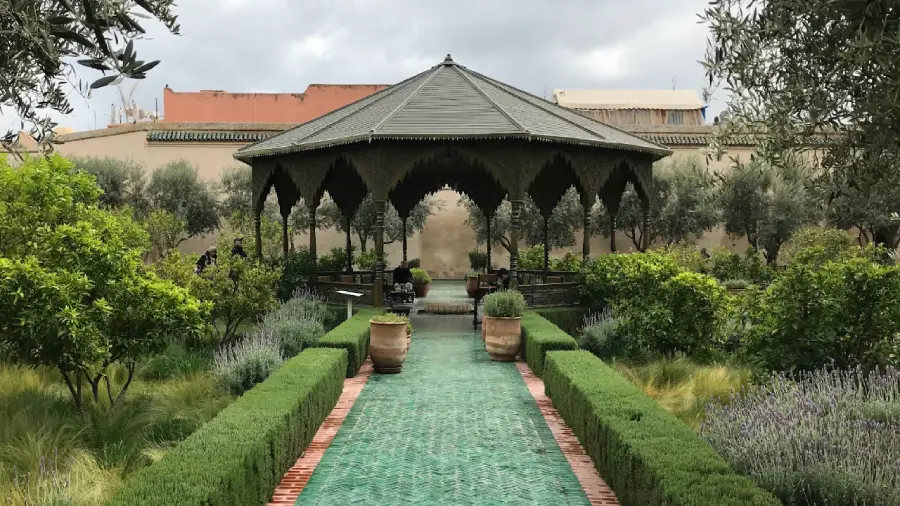
If you want efficiency, pick a hotel.
If you want a memory, pick a riad.
A riad is a traditional Moroccan house built around an inner courtyard or garden. Thick walls keep it naturally cool; the courtyard protects you from the medina chaos. It’s like stepping from noise to silence in three seconds.
Realistic Riad Price Ranges (per room, per night)
Typical in Marrakech and Fes (per couple):
Simple but decent riad:
€50–€80 / $55–$90
Clean, basic, often very charming.Comfortable riad with good breakfast:
€80–€150 / $90–$165
This is the sweet spot for most travelers.Luxury riad experience:
€150–€300+ / $165–$330+
More service, more design, sometimes a pool and spa.
Plus a small tourism tax: roughly 30–55 MAD (€3–€5) per person per night.
My Trusted Riad Suggestions
These are places I’m happy to put my name behind.
Riad Miski (Marrakech)
- About 10–15 minutes’ walk from Jemaa el‑Fnaa, in a more local, calmer part of the medina.
- Very warm staff, great at organizing early coffee, taxis, and practical help.
- Excellent rooftop breakfasts with traditional touches.
- Typical price: €70–€110 per night.
Riad Laly (Marrakech)
- Quiet street, still inside the medina but away from the main motorbike routes.
- Very comfortable for solo travelers; many women tell me they feel safe here.
- Good A/C, filtered water, and generous breakfasts.
- Typical price: €60–€100 per night.
The Central House Marrakech Medina (ex‑Rodamón)
- Perfect for backpackers and digital nomads who still want style.
- Mix of dorms and private rooms, rooftop and small pool.
- Great location. Private rooms are quieter; dorms depend on your roommates.
- Dorm beds from €25–€40; private rooms around €80–€120.
Dar Attajmil (Marrakech)
- Slow‑travel vibe: people actually stay in, read on the roof, and eat there.
- Some of my guests swear the dinners here are among their “best Morocco experiences.”
- Very personal service; staff are remembered by name.
- Around €90–€140 per night.
See my Best Riads in Marrakech article.
Riad “Shocks” First‑Timers Don’t Expect
I always tell guests honestly:
No car access to the door
You usually walk a few minutes through alleys. A porter or riad staff can help with luggage if arranged.Stairs, not elevators
Many riads have 2–3 floors and no lift. If stairs are a problem, ask for a ground‑floor room in advance.Courtyard sound carries
If someone is talking downstairs at midnight, you will hear it. Bring earplugs if you’re a very light sleeper.Call to prayer
It’s beautiful, but it can wake you up at dawn, especially near big mosques.Finding the door at night
Medinas are mazes. Save your riad’s location on offline maps and always have their WhatsApp to call if you’re lost.
Pro tip: Do a split stay – 2–3 nights in a medina riad for atmosphere, then 1–2 nights in a modern hotel (Gueliz/Hivernage) before your flight for an easy airport transfer and big hotel pool.
The Foodie’s Roadmap: Best Street Food in Marrakech
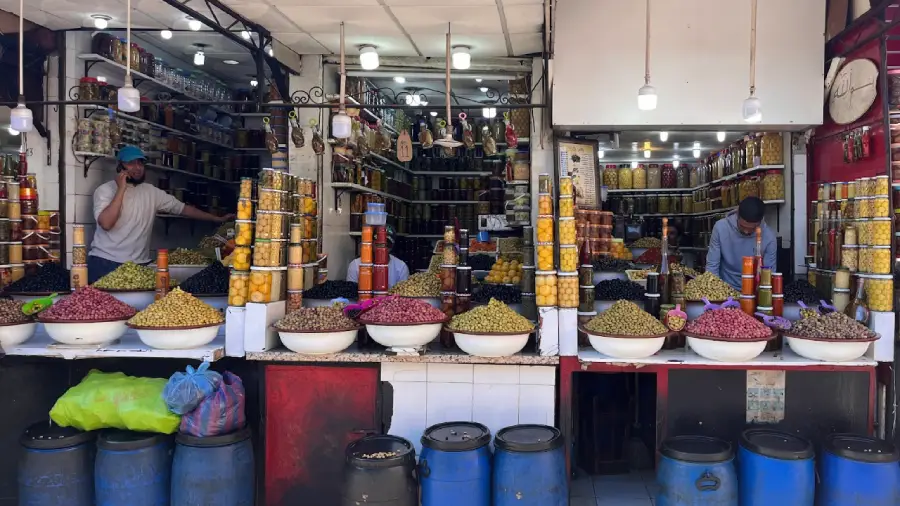
You’ll see a lot of scary stories on “Morocco experience Reddit” threads about food. In reality, most people are fine if they follow a few simple rules.
Is Street Food Safe in Marrakech?
My rules for guests:
- Eat where it’s busy with locals, not empty. High turnover = fresher food.
- Focus on cooked, hot dishes, especially in your first days. Avoid raw salads if you have a sensitive stomach.
- Drink bottled or filtered water; use it to brush your teeth if your stomach is delicate.
Locals drink tap water; many visitors don’t. Don’t stress too much – just be sensible.
My Favorite Street Foods & What They Cost
Around Jemaa el‑Fnaa and the medina you’ll find:
Liver sandwich (kebda)
Rich, fried liver with caramelized onions in khobz (round bread).- Price: usually 10–20 MAD (€1–€2)
Harira
Hearty tomato‑based soup with lentils, chickpeas, and sometimes meat.- Often eaten to break the fast in Ramadan.
- Price: 5–10 MAD (€0.5–€1) a bowl in local cafés.
Snails (babbouche)
Snails in a spicy, herbal broth. Locals say it’s good for colds.- Price: 10–20 MAD (€1–€2) for a small bowl in Jemaa el‑Fnaa.
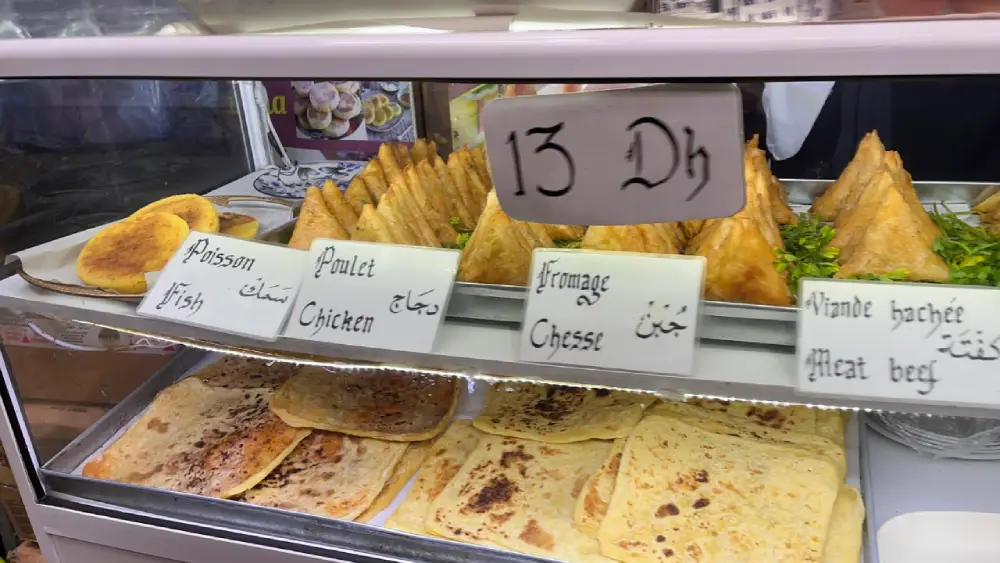
Msemen & stuffed flatbreads
Square “pancake” bread, often filled with onion, tomato, and sometimes meat or egg.- Price: 5–15 MAD (€0.5–€1.5) depending on fillings.
Tanjia (Marrakech specialty)
Meat (usually beef) slow‑cooked in an amphora‑shaped pot, traditionally in the coals of a hammam oven. Deep, smoky, very local.- In simple local places: around 60–90 MAD (€6–€9) per portion.
Where I Actually Take Guests in Jemaa el‑Fnaa
Stalls change, but some patterns stay:
Stall 1 – Aicha
Famous with both locals and visitors for traditional dishes: tagines, brochettes, couscous. Busy, decent prices.Stall 14
Good for fried seafood if you want a break from meat.Stalls in the 70s–90s (like 76 or 99)
Often solid for tagine and tangia.
Local tip:
- A simple meal at a stall is usually 70–80 MAD (€7–€8) per person.
- Ask clearly what’s included (bread, olives, tea) to avoid surprise add‑ons.
For the classic view of the square, go to rooftop terraces like:
- Café de France
- Le Grand Balcon du Café Glacier
- Zeitoun Café
Order a tea, sit, and watch the square turn from chaos to lit‑up theater at night.
Mint tea is the “ritual of friendship” here. It’s more than a drink – it’s how we say “you’re welcome” and “you are safe with us.”
The Optimized 14‑Day Morocco Experiences Itinerary
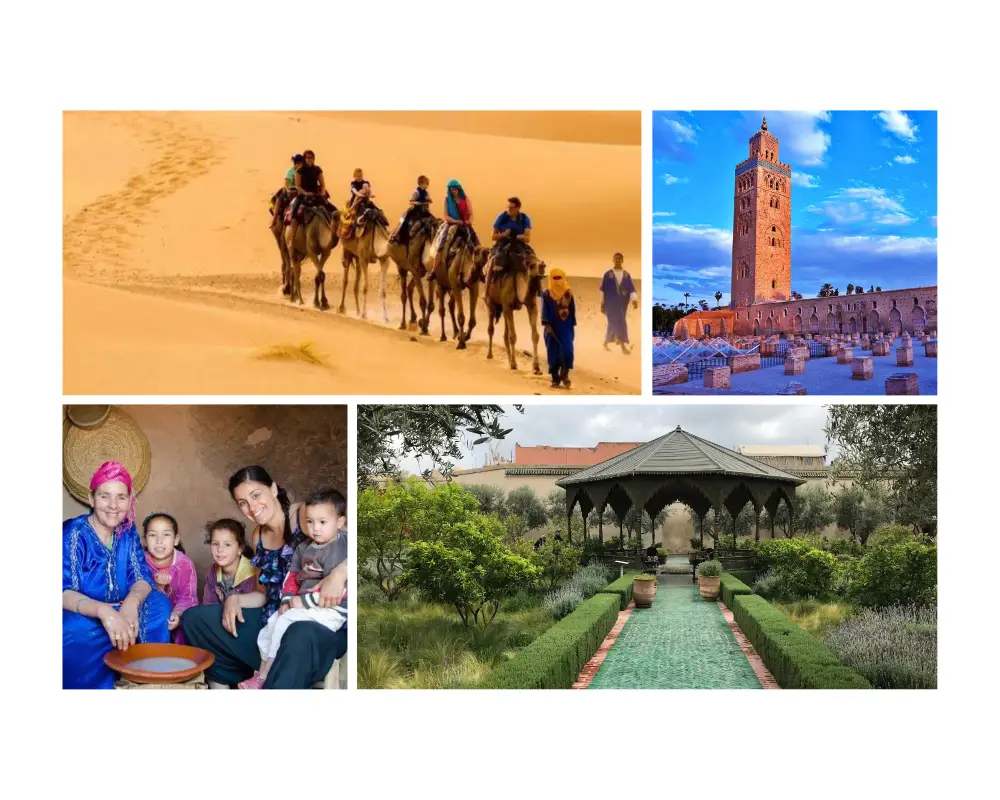
There are many ways to see Morocco, but after years of testing, this 14‑day Morocco itinerary gives a realistic balance of cities, mountains, and desert.
Outline:
Marrakech → Essaouira → High Atlas & Dades → Merzouga (Sahara) → Fes → Chefchaouen → Casablanca or Tangier
Days 1–3: Marrakech – Embracing the Chaos
Use Marrakech as your soft (or loud!) landing.
Day 1–2: Medina & Monuments
Hire a licensed guide (yes, like me) at least one morning to:
- Navigate the souks without constantly being lost
- Explain the difference between a ksar (fortified village), medina, and mellah
- Help you understand our Darija (Moroccan Arabic dialect).
- Don’t miss:
- Koutoubia Mosque (outside) & Jemaa el‑Fnaa
- Bahia Palace and Saadian Tombs
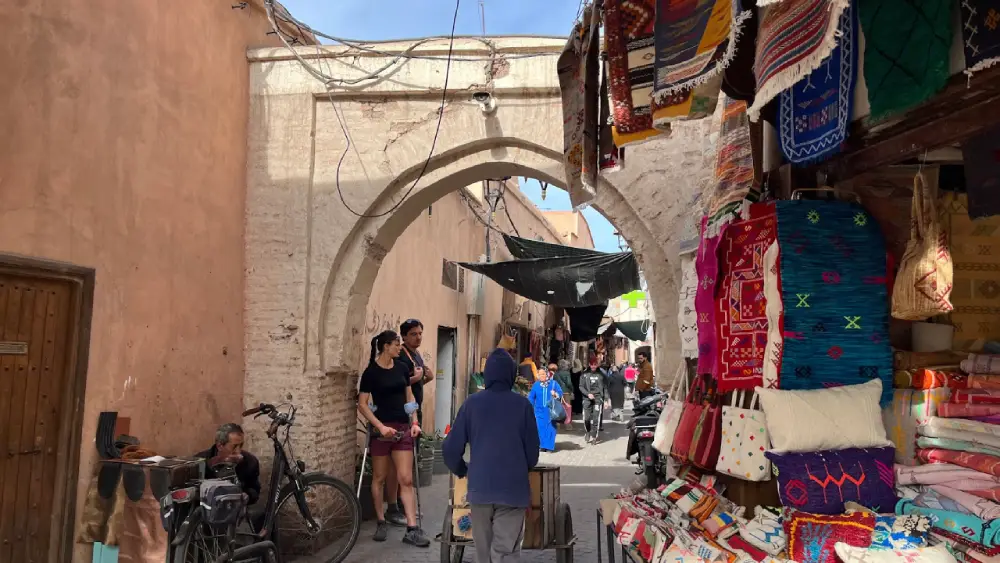
- The souks: metalwork, leather, spices, carpets (and lots of negotiation practice)
Day 3: Gardens & New City
- Visit Jardin Majorelle and the Yves Saint Laurent Museum. The YSL story and his love for Marrakech are a key part of modern Morocco cultural experiences.
- Explore Gueliz (the modern city) for cafés, art galleries, and more “European‑feeling” streets.
This is where many people search “Morocco experience tours” and “Morocco travel experiences for groups” – guided medina walks, food tours, hammam + spa, and cooking classes are some of the best Morocco experiences in the city.
See our Marrakech travel guide page.
Day 4: Coastal Escape to Essaouira
Drive: ~2 hours from Marrakech.
Essaouira is like an exhale after Marrakech:
- Smaller, relaxed medina
- Atlantic breeze, white‑and‑blue houses
- Great for fresh grilled fish and simple Morocco family experiences with kids running free on the ramparts
Top experiences:
- Eat grilled fish at the harbor stalls (pick your fish, they cook it).
- Walk the Skala de la Ville (sea bastion) at sunset.
- Watch surfers and kitesurfers on the long beach.
Days 5–6: High Atlas, Aït Ben Haddou & Dades Valley
Day 5: Marrakech → Aït Ben Haddou → Dades
- Drive: ~6 hours total with stops
- Cross the Tizi n’Tichka Pass in the High Atlas – twisting roads, mountain villages, roadside tagines.
- Visit Aït Ben Haddou, a ksar used in films and series (Gladiator, Game of Thrones).
- Continue to Dades Valley (or Tinghir) for the night.
Day 6: Dades/Tinghir → Todra Gorge → Merzouga
- Drive: ~5 hours driving plus visits.
- Short walk in Todra Gorge, towering cliffs and oasis.
- Reach Merzouga, the gateway to the Erg Chebbi dunes.
See my Atlas Mountains travel guide.
The Sahara Experience: Why Merzouga Beats Zagora
You’ll see many offers for both Merzouga and Zagora.
Merzouga (Erg Chebbi)
- High golden dunes, real “Sahara postcard”
- Better desert camps, including Morocco desert VIP experiences
- Longer drive but a true desert feel.
Zagora
- Closer to Marrakech (possible in 2 days/1 night)
- Landscape is more rocky and flat with palm groves
- Good if you’re very short on time but less “wow”
Is Merzouga worth it vs Zagora?
Yes. If you dream of big dunes, silence, and stars, go to Merzouga.
See my Sahara desert guide.
Typical 3D/2N Merzouga Tour from Marrakech (Private)
Most of my private tours follow this kind of pattern:
- Day 1: Marrakech → Aït Ben Haddou → Dades/Tinghir (overnight in a guesthouse)
- Day 2: Dades/Tinghir → Todra Gorge → Merzouga → Camel trek into the dunes → Night in desert camp
- Day 3: Sunrise in dunes → Merzouga → long drive back to Marrakech or on to Fes
Driving hours per day (realistic):
- Day 1: 6–7 hours with stops
- Day 2: 4–5 hours
- Day 3: 7–8 hours to Marrakech, or similar to Fes
Standard vs Luxury Camps: What Changes
Rough ballpark (often as part of a package):
Standard camp:
- €30–€60 per person for the night in camp
- Shared bathrooms
- Simple beds and blankets (can be cold in winter)
- More social, group feel.
Luxury camp:
- €80–€150+ per person
- Private ensuite bathroom with hot water
- Better beds, thicker duvets, sometimes heating/AC
- More privacy, ideal for couples or special occasions
What matters even more than décor: camp location.
I’d rather put guests in a simple tent deep in the dunes than a fancy tent on the edge of the village with road noise and light pollution. For stargazing and silence, distance from the village is key.
See my Merzouga desert guide.
Days 7–9: Fes – Medieval Labyrinth
Merzouga → Fes: ~7 hours via the Ziz Valley and Middle Atlas.
Fes is intense, older, and more conservative than Marrakech. It’s one of the 10 best places to visit in Morocco if you care about history.
Top experiences:
- Wander Fes el‑Bali, one of the world’s largest medieval medinas.
- Visit a 14th‑century madrasa (Bou Inania or Al Attarine) – incredible tile work.
- See the Chouara Tanneries (and survive the smell – they give you mint for a reason).
Here, a guide is genuinely useful. The medina has 9,000+ streets. No joke.
Days 10–12: Chefchaouen – The Blue City
Fes → Chefchaouen: ~3 hours
Chefchaouen is where many people slow down:
- Blue‑washed alleys perfect for aimless wandering
- Great for Morocco travel experiences for groups who want photos, cafes, and short hikes
- Short hike up to the Spanish Mosque for sunset views over the valley
It’s also a nice base for lighter hikes in the Rif Mountains.
Days 13–14: Casablanca or Tangier – Your Exit
From Chefchaouen you can go:
To Casablanca (~5 hours)
- Visit Hassan II Mosque – one of the few mosques in Morocco non‑Muslims can enter.
- The monument itself is worth the trip; the rest of Casablanca is more about modern life than sightseeing.
To Tangier (~1.5 hours)
- Old medina and port city atmosphere
- Easy connections by ferry to Spain and flights to Europe.
Check my other Morocco experiences itineraries:
Morocco Itinerary 3 Days: The Best 3 Day Itinerary Morocco for 2026.
5 Days in Morocco: The Ultimate Itinerary for First-Timers (Expert Routes & Local Tips).
- 1 Week in Morocco: The Ultimate Expert-Led 7-Day Itinerary (2026 Guide).
- The Ultimate Morocco Itinerary 10 Days: A Complete Guide to Culture, Adventure, and Hidden Gems.
Solo Female Travel: Safety, Comfort & Respect
I guide many solo women and small groups of women. The honest truth:
- Morocco is generally safe if you use common sense.
- It can feel intense, especially in medinas like Marrakech and Fes.
Where Solo Women Usually Feel Best
- Essaouira, Chefchaouen, coastal towns: relaxed, walkable, lighter energy.
- Sahara desert (Merzouga) with a trusted company: calm, structured, staff
staff used to hosting solo travelers.
More intense or overwhelming:
- Marrakech medina, especially at night and in the souks.
- Parts of Fes medina, around busier markets and tanneries.
Dealing With Unwanted Attention
You’ll hear comments like “Gazelle!”, “Beautiful!”, “Where are you from?”
Usually annoying, not dangerous.My advice to guests:
- Polite ignore: Neutral face, keep walking.
- Clear boundary: “La, shukran” (no, thank you) with firm body language.
- If someone is too persistent, a sharp “Hshouma!” (shame on you) in public often embarrasses them more than anything.
Stay in busy, well‑lit areas at night, and avoid wandering very quiet alleys alone after dark.
How to Dress (Simple Formula)
You don’t need to cover your hair. For cities and desert, I suggest:
- Top: loose T‑shirt or light blouse that covers shoulders and cleavage
- Bottom: wide pants or a long skirt that covers knees
- Extras:
- Light scarf (for sun, wind, or visiting small mosques)
- A light jacket or cardigan for evenings
Dressing modestly doesn’t mean losing your style; it’s a way of saying “I respect your culture” – and you’ll usually get more respect in return.
Extra Safety Layer: Stay Connected
- Let your riad or host know where you’re going and with which company.
- Share your guide’s WhatsApp (for example, mine at Morkosh Tours).
- Check in with family regularly – Wi‑Fi is widely available in riads and cafés.
Niche Adventures: Surfing & Hiking
Surfing Taghazout: Morocco’s Wave Capital
Taghazout, just north of Agadir, has turned into Morocco’s surf village. You’ll find:
- Surf shops and schools everywhere
- Cafés overlooking the breaks
- A mix of surf camps, Airbnbs, and simple hotels
Best seasons:
Intermediate & advanced surfers:
- October–March – powerful, consistent Atlantic swells
- Famous right‑hand points like Anchor Point and Killer Point fire often.
Beginners:
- June–September – smaller, softer waves
- Shoulder seasons (April–May, September–October) are also great with fewer crowds.
Camps vs independent stays:
Surf camps: perfect for beginners and solo travelers.
- Lessons, board rental, daily transport to the best spot, food, and social life – all in one package.
Independent stay + lessons: good if you want flexibility, or if you’re travelling with non‑surfers.
Key surf spots:
- Panorama Beach & Banana Point – mellow waves, sandy bottom, ideal for first timers.
- Hash Point – forgiving right‑hander; great for progressing from beginner to intermediate.
- Anchor Point – long, fast right; for confident surfers.
- Killer Point, Boilers – heavier, for experienced surfers only.
If you’re not a surfer, Taghazout can still be one of your unique Morocco experiences: sunsets, coastal walks, yoga, and slow days in cafés.
Hiking in the Atlas Mountains
From Marrakech, you have several options for Morocco cultural experiences + light hiking:
Ourika Valley (1 hour from Marrakech)
- Gentle riverside trails and small waterfalls.
- Easy for families and anyone who wants a taste of the mountains without big climbs.
Imlil & Aroumd
- The classic gateway to the High Atlas and Mount Toubkal.
- You can do a gentle walk to Aroumd village for lunch with Berber families and village views.
Ouirgane, Amizmiz
- Calmer, less touristy valleys with traditional villages and olive groves.
- Great if you want “real life” and fewer souvenir shops.
Climbing Mount Toubkal
At 4,167 m, Toubkal is North Africa’s highest peak.
I recommend it to:
- Travelers with good basic fitness, comfortable with 5–8 hours of walking per day.
- Those who can handle altitude and rocky trails.
Best seasons:
- Spring and autumn (March–May, Sept–Nov): cooler, clearer.
- Summer: possible, but start hikes early to avoid heat.
- Winter (Dec–Feb): only for experienced hikers with proper gear (snow, ice, freezing nights).
A guide and mule support are highly recommended. This is not a casual stroll.
Secret Morocco: Hidden Gems for 2026
Beyond the classic top 20 things to do in Morocco, here are places that still feel special.
Moulay Idriss
Sacred hill town near Volubilis. Once closed to non‑Muslims, now open and quietly welcoming.
- White houses stacked up the hillside, overlooking olive groves.
- Perfect combined with Volubilis – the Roman ruins with some of the best mosaics in North Africa.
Erg Chegaga
If Erg Chebbi (Merzouga) is the “famous model,” Erg Chegaga is the wild cousin near M’Hamid.
- Fewer camps, fewer people, more feeling of pure life experiences in Morocco’s desert.
- Harder to reach; you need a 4×4 and usually a local driver.
- If you like off‑the‑beaten‑path morocco.desert experiences, this is it.
Sidi M’Bark (near Essaouira)
A secret coastal stretch near Essaouira with:
- Small waterfalls
- Rolling dunes that meet the Atlantic
- Clifftop views and almost no crowds
Often combined with Argan cooperatives and small Berber villages.
Bhalil, Volubilis, Ifrane (The Central Atlas Triangle)
Few travelers link these:
- Bhalil – cave houses still lived in, families who carve their homes directly into rock.
- Volubilis – Berber‑Roman city from the 3rd century BC with gorgeous mosaics and arches.
- Ifrane – “Little Switzerland” with red‑roofed chalets, flower beds, and snow in winter.
Together, they show just how diverse Morocco travel experiences can be within a single region.
Why You’ll Leave Changed
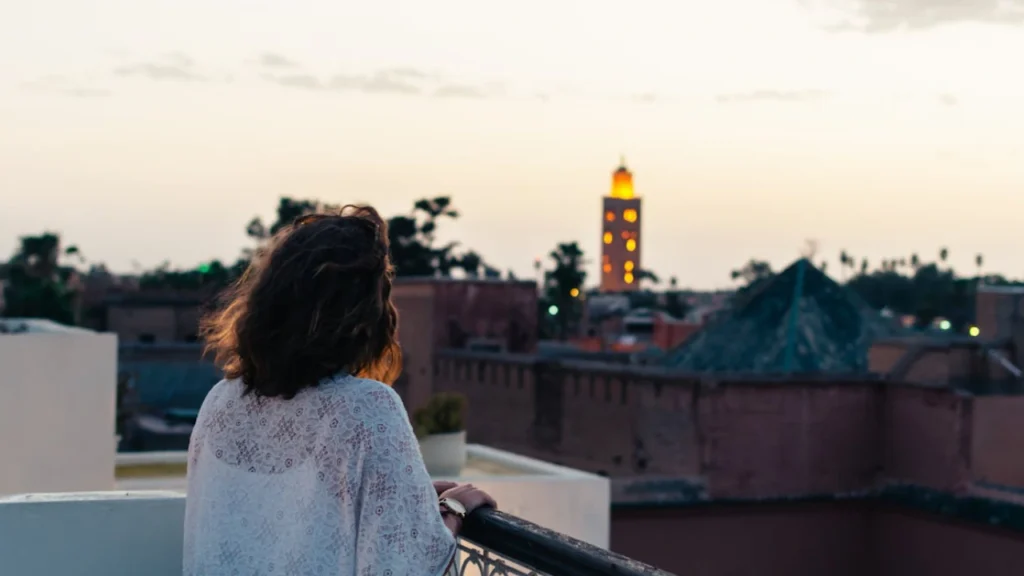
People come to Morocco for photos.
Most leave with something harder to post: perspective.
Maybe it happens on a rooftop at sunrise, over a bowl of harira a stranger insisted you try, or in a tiny village when a baker pulls you into the ferran (communal oven) and lets you slide bread into the heat next to your guide. Moments like this are why experience Morocco reviews often talk about “feeling like family” more than monuments.
Morocco is not always easy. It’s noisy, unpredictable, and sometimes overwhelming. But if you give it time, respect, and a little “Inshallah” flexibility, it becomes one of those Morocco best experiences that you keep measuring other trips against.
If you’d like help turning this guide into your personal trip – whether it’s a 3, 5, 7, 10 or 14‑day Morocco itinerary, or a tailored Morocco desert itinerary with the right balance of riads, mountains, and dunes – that’s what I do every day.
Planning a trip to Morocco? I’m here to help you make it smooth, safe, and unforgettable.
Get in touch with me, Youness, and I’ll guide you personally, itineraries, and everything you need for a perfect Moroccan adventure.
FAQs About Morocco Experiences (2026)
1. Is street food safe in Marrakech?
Yes, if you’re selective. Follow the busy‑stall rule (locals eating there), stick to freshly cooked hot dishes at the beginning of your trip, and drink bottled or filtered water. Avoid big piles of pre‑cooked food sitting for hours and be extra careful with raw salads if you have a sensitive stomach.
2. What should I wear in Morocco as a visitor?
Think “light and modest”: tops that cover shoulders and cleavage, and bottoms that cover knees (wide pants, maxi skirts, simple dresses). You don’t need to cover your hair, but a light scarf is useful for sun, wind, and occasional religious sites. In the Sahara, bring layers – days can be warm, nights surprisingly cold.
3. How much does a trip to Morocco cost per day?
For 2026, a realistic ultra‑budget is around €50 / $55 per person per day, mid‑range about €150 / $160, and comfortable around €250+ / $270+. Your biggest variables are accommodation (simple riad vs luxury) and whether you choose group buses or private drivers and tours.
4. Are Morocco desert tours worth it?
If your image of Morocco includes golden dunes, starry skies, and campfires, then yes – a desert tour is one of the top experiences in Morocco. For real dunes and better camps, I recommend Merzouga (Erg Chebbi) over Zagora. Standard camps are fine for budget travelers; luxury camps with private bathrooms and heating are great for couples, families, and winter trips.
5. Is Morocco safe for solo female travelers?
Generally yes, with normal big‑city precautions. Expect some verbal attention, especially in busy medinas; most of it is annoying rather than dangerous. Dressing modestly helps reduce unwanted comments, and having a local guide (at least for the first day in each big city, or for the Sahara) makes a big difference in comfort and confidence.
🌿 Responsible Travel in Morocco
If you’re ready to turn this guide into your own Morocco experiences itinerary – from Marrakech street food to Sahara silence – you can reach me through my company, Morkosh Tours. I design private, flexible Morocco tours (3–14 days) for couples, families, solo travelers, and small groups who want authentic Morocco experiences with a licensed local guide, not a copy‑paste bus tour.
Inshallah, we’ll meet on a rooftop or under the desert stars soon.
Written by Youness Labchir
Licensed Morocco Tour Guide