The Ultimate Chefchaouen Travel Guide: Beyond the Blue Walls (2026 Edition)
Blue Pearl, Mountains, Timing and Budget.
The Magic and Mystery of the Blue Pearl
Welcome to my Chefchaouen travel guide. Chefchaouen, known as Morocco’s “Blue Pearl,” is all over Instagram. After guiding travelers here for more than twenty years, I can say the real magic goes beyond the blue. It’s in the fresh mountain air, the medina’s quiet mornings, and the feeling that time moves a little slower.
Is Chefchaouen worth it ? Definitely. The city is a peaceful, bohemian break from the busy streets of Marrakech and Fes. Visitors come for the blue colors but stay for the mountain vibe, friendly locals, and fresh goat cheese. The atmosphere is relaxed, creative, and a little mysterious. Every alley has its own secret, and the sunsets seem to last longer here. Discover the full Morocco travel experience.
Getting to the Mountains
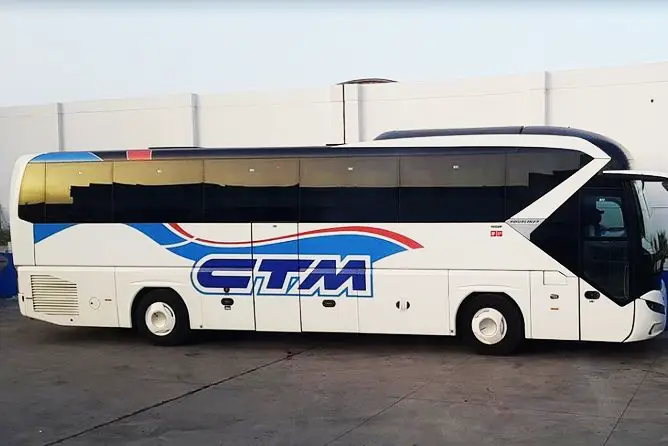
First, Chefchaouen doesn’t have its own airport. If you want to visit, you’ll need to fly into Tangier or Fes. Here’s how to reach the city, along with the same honest advice I give my guests:
- CTM Bus: This is my top pick for most travelers. CTM buses are reliable, comfortable, and air-conditioned. They leave from the CTM Gare Routière, which is different from the main bus station. The trip from Tangier takes about 2.5 to 3 hours and costs 70 to 95 MAD. Tickets sell out quickly in summer, so book online 3 to 5 days in advance.
- Grand Taxi: If you want a faster or more flexible option, hire a grand taxi. A private ride costs 700 to 850 MAD for the whole car, or you can share with others for 70 to 100 MAD per seat. They are quicker, usually under 2 hours, but more expensive and, to be honest, the mountain roads can be a bit thrilling.
- Nejme Chamal Buses: If CTM is full, this is a good backup. These buses leave from the public Gare Routière.
- Private Driver: This is the most comfortable option and also the most expensive. For example, my company can pick you up from your Tangier accommodation, take you straight to your Chefchaouen hotel, and make sure your luggage is safe. It’s a smooth and worry-free way to travel.
Pro Tip: The drive goes through the Rif mountains. If you get motion sick, bring ginger or medicine. The roads are still twisty, even after the main routes were repaired in 2024.
Planning Your Visit: Timing and Budget
When to Go
- Peak Season: June–September brings warm Mediterranean weather and lively crowds.
- Shoulder Seasons: March to May and October to November are my personal favorites. There are fewer tourists, wildflowers all around, and the light is softer for photos.
- Winter: Nights can drop to 4°C (39°F) and the rain is unpredictable. Pack layers and check the weather forecast. In recent years, the weather has changed quickly, from flash floods to dry spells in just one week.
How Many Days in Chefchaouen?
Two to three days is ideal. A quick day trip isn’t enough. You’ll want time to wander, hike, and enjoy the city’s relaxed pace.
Chefchaouen Budget Breakdown (2026) Experience
Typical Price (MAD)USD Approx.
- Street food (bocadillos)10–20$1–$2
- Budget riad/hostel100–200$10–$20
- Guided walking tour250+$25+
- Grand taxi (private)700–850$70–$85
- Hammam (public)15–20$1.50–$2
- Zaazaa smoothie10–20$1–$2
The Great Mystery: Why is Chefchaouen Blue?
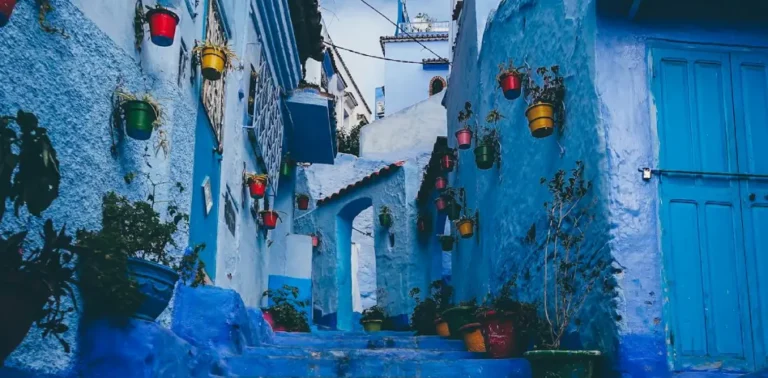
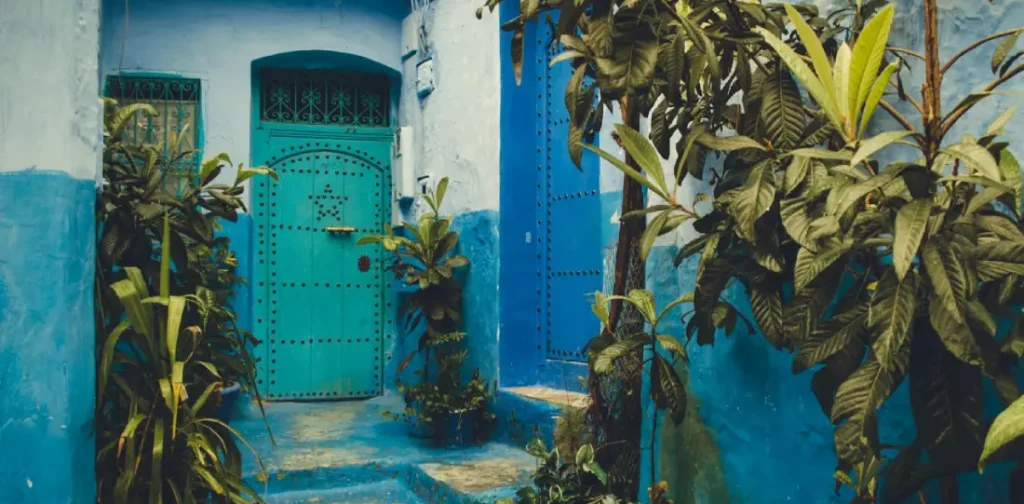
Ask any local, and you’ll get a different answer. Here are the four main theories:
- Religious Symbolism: Jewish refugees in the 1930s used blue to represent the sky and divinity.
- Practical Utility: Blue paint is said to repel mosquitoes and keep buildings cool.
- Cultural Tradition: For over 500 years, locals have mixed natural indigo with lime and painted their homes as a ritual.
- Tourism Gimmick: In recent years, the city has doubled down to keep the “Insta-perfect” look, refreshing the blue regularly for visitors.
The truth is, it’s a mix of all these reasons. The result is a blue city that feels alive and changes its shade throughout the day. History and charm of Chefchaouen on Journey Beyond Travel.
Top Things to Do in Chefchaouen (For Every Kind of Traveler)
The “Must-Sees”
- Chefchaouen Medina: Wander the winding blue alleys and let yourself get lost on purpose. Early mornings are best for photos and quiet moments. For a self-guided tour, start at Outa El Hammam Square and follow your curiosity.
- Kasbah (Ethnographic Museum): A 15th-century fortress with lush gardens and a rooftop view of the city. Entry is cheap, and the climb is worth it.
- Spanish Mosque Sunset: This is the classic photo spot from any Chefchaouen travel guide. The hike starts at Outa El Hammam, goes through Bab El Onsar, and takes about 30 to 45 minutes. Begin your walk an hour before sunset to catch the golden light. The platform in front of the mosque is the best place to watch.
Adventure & Nature
- Rif Mountains Hiking: Chefchaouen is a hiker’s paradise. Trails range from easy Medina strolls to full-day treks into the wild.
- Akchour Waterfalls Day Trip: This is the top nature getaway. Take a 45-minute grand taxi from town, then hike 5.5 km through Talassemtane National Park. You can swim in the Grand Cascade’s pool or have a picnic by smaller, quieter pools along the trail. God’s Bridge, a natural stone arch, is also worth seeing.
- Ras El Ma Spring: On the medina’s edge, locals still wash wool here. It’s a peaceful place for a mint tea and to watch daily life.
Cultural Immersion
- Berber Dress Rental: Try on traditional Rif attire for photos—ask at shops near Outa El Hammam.
- Hammam Ritual: Try a real public bath for about $1.50. It’s a social and steamy experience, and it feels great after a day of hiking.
Hidden Photogenic Spots:
- Deep-blue Al-Haram district (northeast medina)
- Rif Sebbanin neighborhood for pottery washbasins
- Rooftop cafés near the old Sidi Boukhaza mosque
- Early morning behind the Spanish Mosque for a unique city view
The Chefchaouen Foodie Guide
You can travel to Morocco for years and still find new flavors in Chefchaouen. Here’s what not to miss:
Signature Dishes
- Chicken Pastilla: Sweet, savory layers of chicken, cinnamon, and almonds in pastry.
- Zaazaa: A thick, legendary avocado smoothie with fruit, nuts, and sometimes chocolate.
- Goat Tagine: Sourced right from the Rif. Tender, mildly gamey, and best with local mountain herbs.
Where to Eat
- Café Chez Zaza: Tucked away in the medina, famous for zaazaa and lamb tagine, with panoramic rooftop views.
- Fine Mama: A modern take on Chefchaouen classics.
- Bab Ssour: Local, friendly, and great for a relaxed lunch.
- Street Snacks: Be sure to try jben (fresh goat cheese), mountain honey, and sometimes goat sausage from street vendors. The cheese sandwiches wrapped in palm leaves are a local specialty.
The “Elephant in the Room”: Chefchaouen Hashish Culture
To be honest, Chefchaouen is in the center of Morocco’s cannabis-growing area. Hashish is common, but that doesn’t mean you should buy it. Here’s my advice, based on years of experience:
- Observe, Don’t Partake: It’s illegal for foreigners. Enjoy the café scene and watch, but politely decline offers (“La, shukran”).
- Avoid Touts: Don’t follow “friendly guides” to shops or farms. These usually end in overpriced, low-quality products or uncomfortable pressure.
- Stay in Public: Never follow strangers into alleys or private homes. Stick to well-trafficked areas, especially at night.
- If Curious: Ask your official tour guide (like me) about the history and culture of hashish in the Rif. There’s a fascinating story here, but safety and legality come first.
Where to Stay: From Hostels to Luxury Riads
- Backpacker Favorites: Hostel Souika and Riad Baraka—affordable, social, and well-located.
- Mid-Range: Dar Baibou and Casa Perleta—charming, authentic, with beautiful courtyards.
- Splurge: Lina Ryad & Spa or Dar Jasmine. Keep in mind, Dar Jasmine is at the top of a climb with more than 160 stairs, but the view is worth it.
Safety and Cultural Etiquette
- Solo Female Travelers: Chefchaouen is safer and less aggressive than Marrakech or Fes, but it’s best to dress conservatively by covering your shoulders and knees.
- Photography: Always ask before photographing locals. Some private alleys charge a small fee (2–5 dirham).
- Left Hand Rule: Eat and gesture with your right hand.
- Weather Safety: Winter can bring sudden rain and cold weather. Always check the forecast and bring a warm layer or a rain jacket.
- Scams: Walk with confidence, don’t look lost, and avoid engaging with pushy touts. Official Morocco travel advice
Chefchaouen Travel Guide FAQs 2026
How long do you need in Chefchaouen?
I always recommend 2–3 days to truly experience the city. That gives you time to enjoy the medina, take a sunset hike, and explore nature beyond the blue walls.
What’s the best time to visit Chefchaouen?
Spring (March–May) and fall (October–November) are ideal for mild weather and fewer crowds. Summers are lively but hot, and winters can be cold and rainy.
What is there to do in Chefchaouen at night?
Evenings in Chefchaouen are calm. You can enjoy rooftop cafés, listen to live music at Outa El Hammam, or take a peaceful walk through the medina’s lantern-lit alleys.
Is Chefchaouen safe for solo travelers?
Yes! It’s one of Morocco’s friendliest cities, though as always, use common sense and avoid isolated areas at night.
Can I get a Chefchaouen travel guide PDF or itinerary?
Yes! It’s one of Morocco’s friendliest cities, though as always, use common sense and avoid isolated areas at night.
🌿 Conclusion & Checklist
Paradise or Tourist Trap? Chefchaouen is a real city with a special blue glow. It mixes popular tourism with true mountain life. Take your time, respect the culture, and allow yourself to wander.
Final Checklist Before You Go
- Download offline maps because Google Maps often doesn’t work well in the medina.
- Pack comfortable shoes with good grip. The blue cobblestones can be slippery.
- Bring small change for tips, alley fees, and snacks.
- Book transport and accommodation in advance, especially during peak season.
- Respect local customs, and don’t hesitate to ask questions. Moroccans are known for their hospitality.
Want to see Chefchaouen from a local’s perspective? Get in touch. I’d be happy to guide you beyond the blue walls and into the heart of Morocco’s mountain gem.
Written by Youness Labchir
Licensed Morocco Tour Guide